

{
  "authors": [
    "Assaad Al Achi",
    "Sead Alihodzic",
    "Dima Moussa",
    "Vladimir Pran",
    "Emma Beals"
  ],
  "type": "event",
  "centerAffiliationAll": "dc",
  "centers": [
    "Carnegie Endowment for International Peace",
    "Malcolm H. Kerr Carnegie Middle East Center"
  ],
  "collections": [],
  "englishNewsletterAll": "democracy",
  "nonEnglishNewsletterAll": "",
  "primaryCenter": "Malcolm H. Kerr Carnegie Middle East Center",
  "programAffiliation": "DCG",
  "programs": [
    "Democracy, Conflict, and Governance",
    "Middle East"
  ],
  "projects": [],
  "regions": [
    "Middle East",
    "Syria",
    "Levant"
  ],
  "topics": [
    "Political Reform"
  ]
}
Obstacles to a Free and Fair Presidential Election in Syria
Wed, October 14th, 2020
Live on Zoom
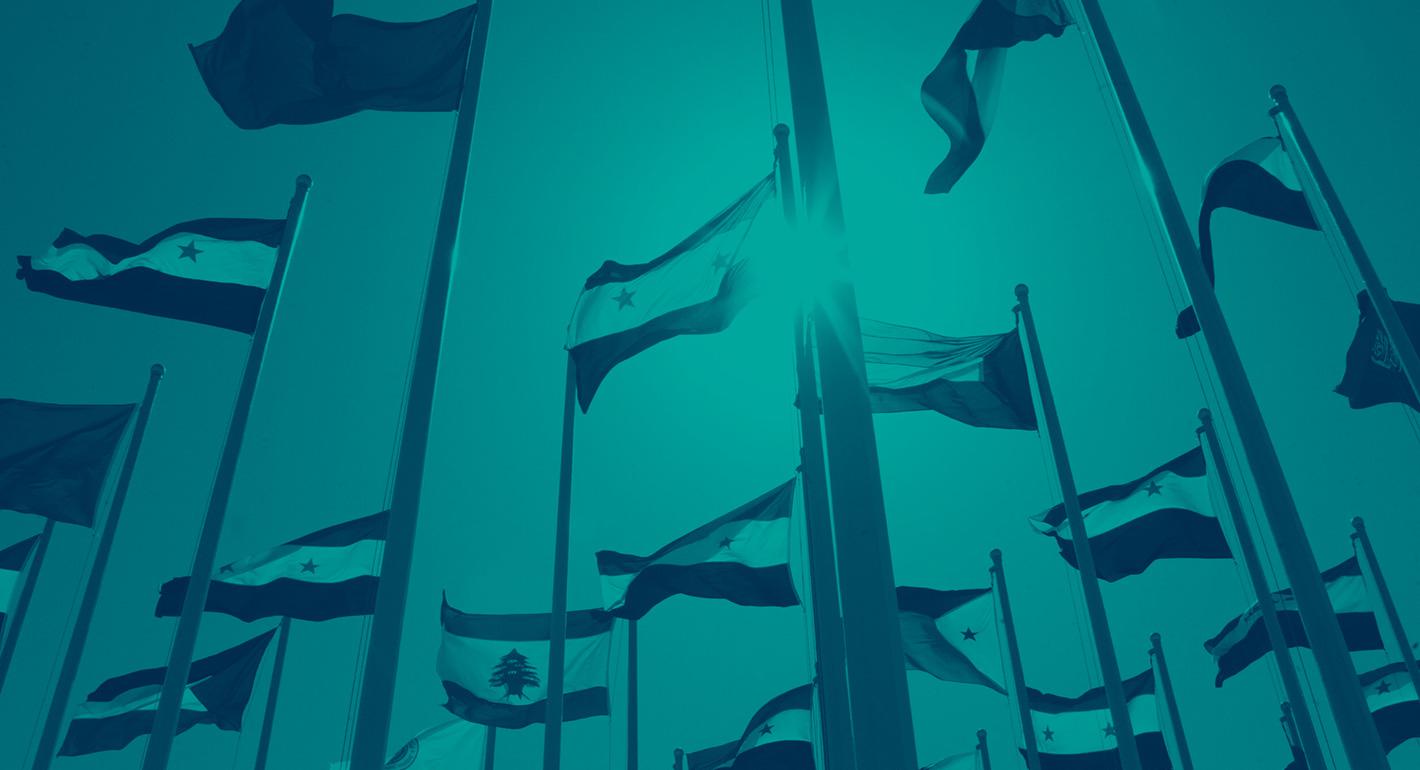
Syrian presidential elections are scheduled for 2021. President Bashar al-Assad and his close confidants have said that they will go ahead with the elections without a new constitution and irrespective of whether they meet the standards of the political process outlined in Security Council Resolution 2254.
Holding a fair presidential election would require many legislative changes, and new mechanisms to allow internally displaced persons and refugees to vote en masse. Adding to the complications at a practical level are the opaque and questionable voter rolls and a lack of appropriate voting procedures. Additionally, the political and security environment inside Syria would need to change significantly. Voters would need to feel that the election process is safe, fair, and legitimate. These conditions do not presently exist and achieving them requires far more than minor amendments to the electoral law and voting mechanisms. There is also a need to consider the role of elections as part of a successful peace or transition process. Legitimizing elections prematurely would likely do more harm than good.
What precisely would a fair election in Syria look like? What are the voting options available for those residing outside Syria? What are the practical tasks and timelines required for achieving a free and fair election in Syria—decoupled from arbitrary timelines? Join us on Wednesday, October 14 from 4:00–5:30 p.m. Beirut (3:00-4:30 p.m. CEST) to discuss the upcoming presidential election in Syria. The discussion will be held on Zoom in English with simultaneous interpretation to Arabic. To join, please register for the event here.
This event is being held in collaboration with the European Institute of Peace.
Carnegie does not take institutional positions on public policy issues; the views represented herein are those of the author(s) and do not necessarily reflect the views of Carnegie, its staff, or its trustees.
Event Speakers
Assaad Al Achi
Al-Achi is the executive director of Baytna Syria.
Sead Alihodzic
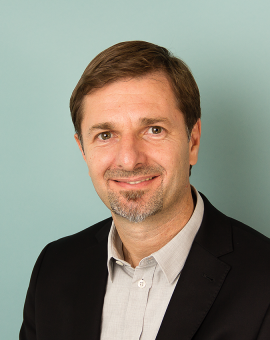
Alihodzic is a senior programme manager with the Institute for Democracy and Electoral Assistance.
Dima Moussa
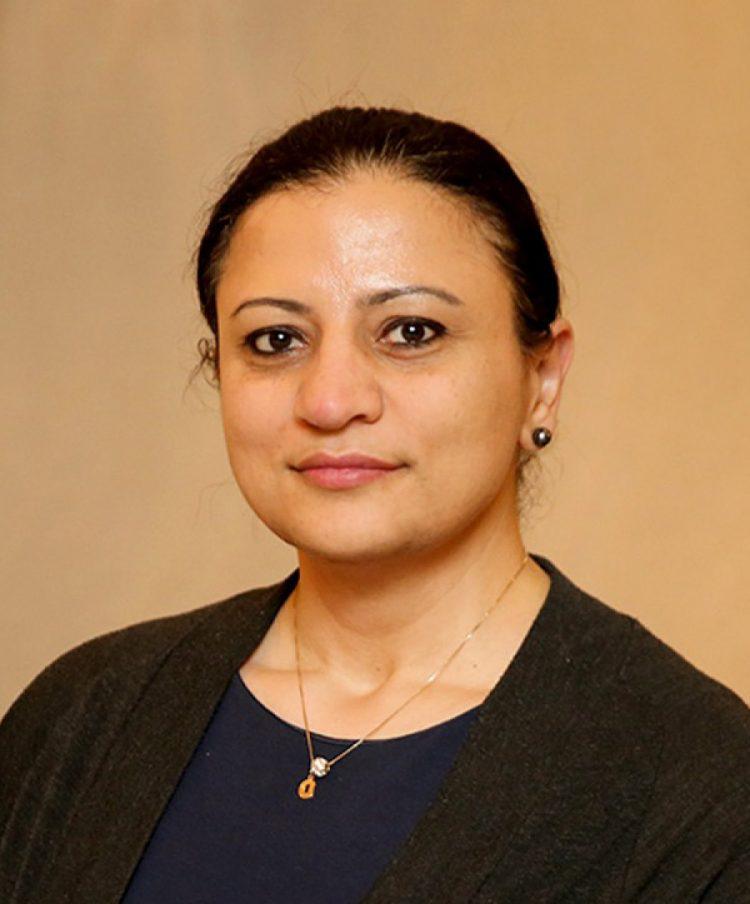
Moussa is a member of the Syrian Opposition Coalition.
Vladimir Pran
Pran is a senior technical adviser for the International Foundation for Electoral Systems.
Emma Beals
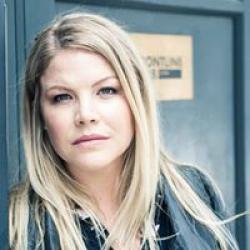
Beals is a senior advisor at the European Institute of Peace and is an independent consultant focused on Syria.