

{
  "authors": [
    "Akeel Abbas",
    "Marsin Alshamary",
    "Mohanad Hage Ali",
    "Zeinab Shuker"
  ],
  "type": "event",
  "centerAffiliationAll": "dc",
  "centers": [
    "Carnegie Endowment for International Peace",
    "Malcolm H. Kerr Carnegie Middle East Center"
  ],
  "collections": [],
  "englishNewsletterAll": "menaTransitions",
  "nonEnglishNewsletterAll": "",
  "primaryCenter": "Malcolm H. Kerr Carnegie Middle East Center",
  "programAffiliation": "MEP",
  "programs": [
    "Middle East"
  ],
  "projects": [],
  "regions": [
    "Middle East",
    "Levant",
    "Iraq"
  ],
  "topics": [
    "Political Reform",
    "Security"
  ]
}
Reflecting on 20 Years: The Legacy of the US Invasion of Iraq
Wed, March 22nd, 2023
Live on Facebook and YouTube
March 20 marks the 20th anniversary of the beginning of the U.S. invasion of Iraq. This followed president George W. Bush’s now-famous speech in which he announced the launch of Operation Iraqi Freedom and told Iraqis that “the day of your liberation is near.” However, the U.S. military intervention, far from establishing a bastion of democracy in the Middle East, left Iraq in tatters, characterized by economic crises, corruption, energy shortages, and increased sectarianism and violence.
Twenty years later, the region continues to be wracked by tension and rivalries. Sectarian divisions during the last decade led to the emergence of extremist groups such as Al-Qaeda in Iraq, which later morphed into the Islamic State. Iraq’s Kurdistan Region remains autonomous from Baghdad, while the main beneficiary of the U.S. invasion was Iran, which continues to dominate the country today, even as it has strengthened allied groups in Iraqi state institutions. Far from being a democratic showpiece, Iraq has become a cautionary tale of the unforeseen consequences of Western military interventions in Arab countries.
To better examine the impact of the U.S. invasion of Iraq, both domestically as well as its impact on the wider region, the Malcolm H. Kerr Carnegie Middle East Center is organizing a panel discussion on Wednesday, March 22 from 4:00 P.M. to 5:15 P.M. (EET) with Akeel Abbas, Marsin Alshumary and Zeinab Shuker.
The discussion will be in English and moderated by Mohanad Hage Ali. Viewers may submit their questions to the panelists using the live chat feature on Facebook and YouTube during the event.
For more information, please contact Lina Dernaika at lina.dernaika@carnegie-mec.org.
Carnegie does not take institutional positions on public policy issues; the views represented herein are those of the author(s) and do not necessarily reflect the views of Carnegie, its staff, or its trustees.
Event Speakers
Akeel Abbas
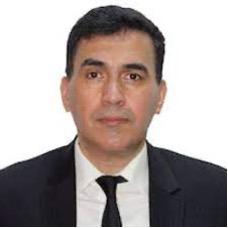
Akeel Abbas is an Iraqi academic and journalist.
Marsin Alshamary
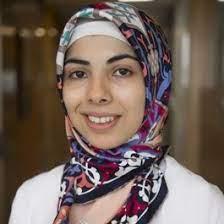
Marsin Alshamary is a research fellow with the Middle East Initiative at the Harvard Kennedy School - Belfer Center for Science and International Affairs
Mohanad Hage Ali
Deputy Director for Research, Malcolm H. Kerr Carnegie Middle East Center
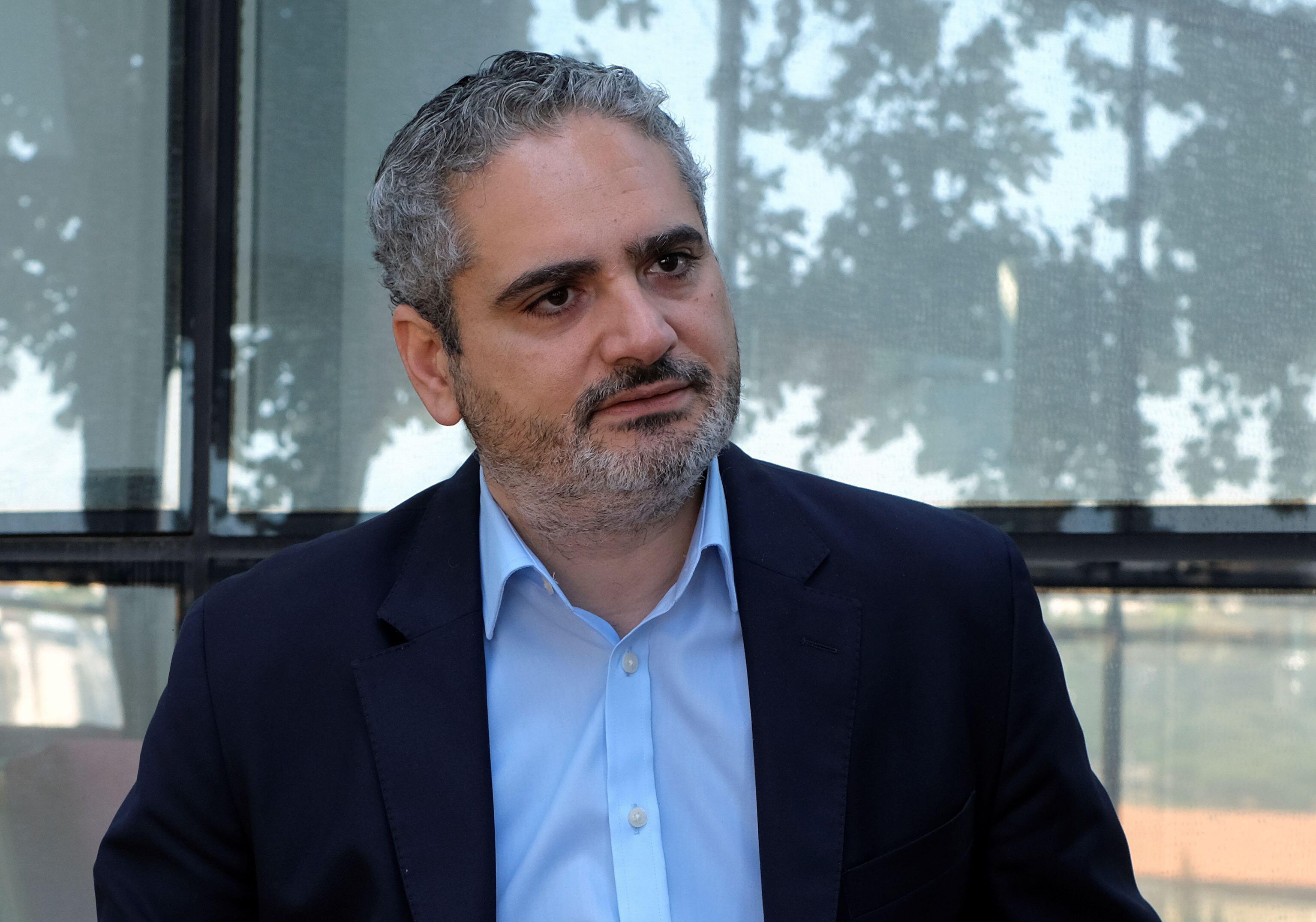
Mohanad Hage Ali is the deputy director for research at the Malcolm H. Kerr Carnegie Middle East Center.
Zeinab Shuker
Zeinab Shuker is an assistant professor of sociology at Sam Houston State University, Texas. Her research interests revolve around comparative global political economy, democracy, climate change, and theory, with special emphasis on the Middle East in general and Iraq in particular.