

{
  "authors": [
    "Toby Dalton",
    "Mariano-Florentino (Tino) Cuéllar",
    "Rose Gottemoeller",
    "Scott Sagan"
  ],
  "type": "event",
  "centerAffiliationAll": "dc",
  "centers": [
    "Carnegie Endowment for International Peace"
  ],
  "englishNewsletterAll": "ctw",
  "nonEnglishNewsletterAll": "",
  "primaryCenter": "Carnegie Endowment for International Peace",
  "programAffiliation": "NPP",
  "programs": [
    "Nuclear Policy"
  ],
  "projects": [],
  "regions": [],
  "topics": [
    "Arms Control",
    "Defense",
    "Foreign Policy"
  ]
}
The Future of Nuclear Proliferation
Thu, February 5th, 2026
Stanford University or Live Online
This event will be hosted on Stanford University’s campus in California and live online via Zoom.
When the U.S.-Russia New START treaty expires on February 5, 2026, there will no longer be any guardrails preventing a global nuclear arms race. Yet the erosion of arms control is just one part of a broader trend of rising nuclear dangers. All nuclear-armed states are either poised to begin or are in the process of modernizing and expanding their arsenals. Risks of nuclear conflict are increasing in Asia, Europe, the Middle East, and South Asia. Not surprisingly, interest in nuclear weapons is growing in many countries, primarily U.S. allies worried about threats from China, Russia, and North Korea and fearing the United States will abandon them. Between these geopolitical trends and advances in relevant technologies, proliferation risks are rising, with broad implications for U.S. and global security.
How should the United States navigate the dangers of a more nuclearized world? Can it resurrect arms control with Russia and potentially involve China or other countries? How should it manage the potential for proliferation by some of its allies? And, as many countries stand poised to adopt or expand nuclear power, how should it balance proliferation risks and global commercial nuclear energy competition?
Join Toby Dalton, co-director of the Nuclear Policy Program at Carnegie, for a panel discussion at Stanford University with leading experts including Mariano-Florentino (Tino) Cuéllar, president of the Carnegie Endowment for International Peace; Ambassador Rose Gottemoeller, a nonresident fellow in Carnegie’s Nuclear Policy Program, lecturer at Stanford University, and former deputy secretary general of NATO; and Scott D. Sagan, co-director and senior fellow at the Center for International Security and Cooperation, the Caroline S.G. Munro Professor of Political Science, and the Bass University Fellow in Undergraduate Education at Stanford University.
This event is co-presented by Stanford University and the Carnegie Endowment for International Peace.
Carnegie does not take institutional positions on public policy issues; the views represented herein are those of the author(s) and do not necessarily reflect the views of Carnegie, its staff, or its trustees.
Event Speakers
Senior Fellow and Co-director, Nuclear Policy Program

Toby Dalton is a senior fellow and co-director of the Nuclear Policy Program at the Carnegie Endowment. An expert on nonproliferation and nuclear energy, his work addresses regional security challenges and the evolution of the global nuclear order.
Former Carnegie President (2021-2026)
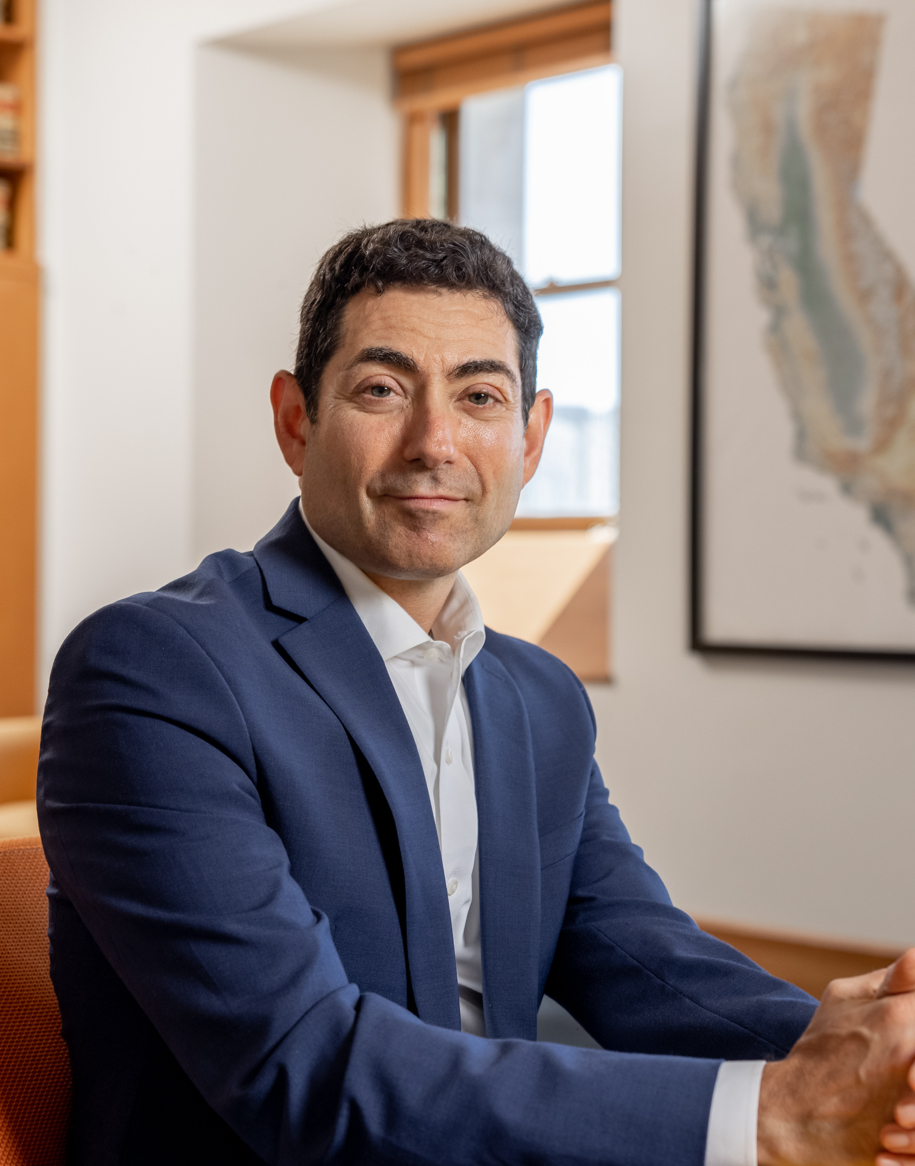
Mariano-Florentino (Tino) Cuéllar was previously the tenth president of the Carnegie Endowment for International Peace. A former justice of the Supreme Court of California, he has served three U.S. presidential administrations at the White House and in federal agencies, and was the Stanley Morrison Professor at Stanford University, where he held appointments in law, political science, and international affairs and led the university’s Freeman Spogli Institute for International Studies.
Nonresident Senior Fellow, Nuclear Policy Program
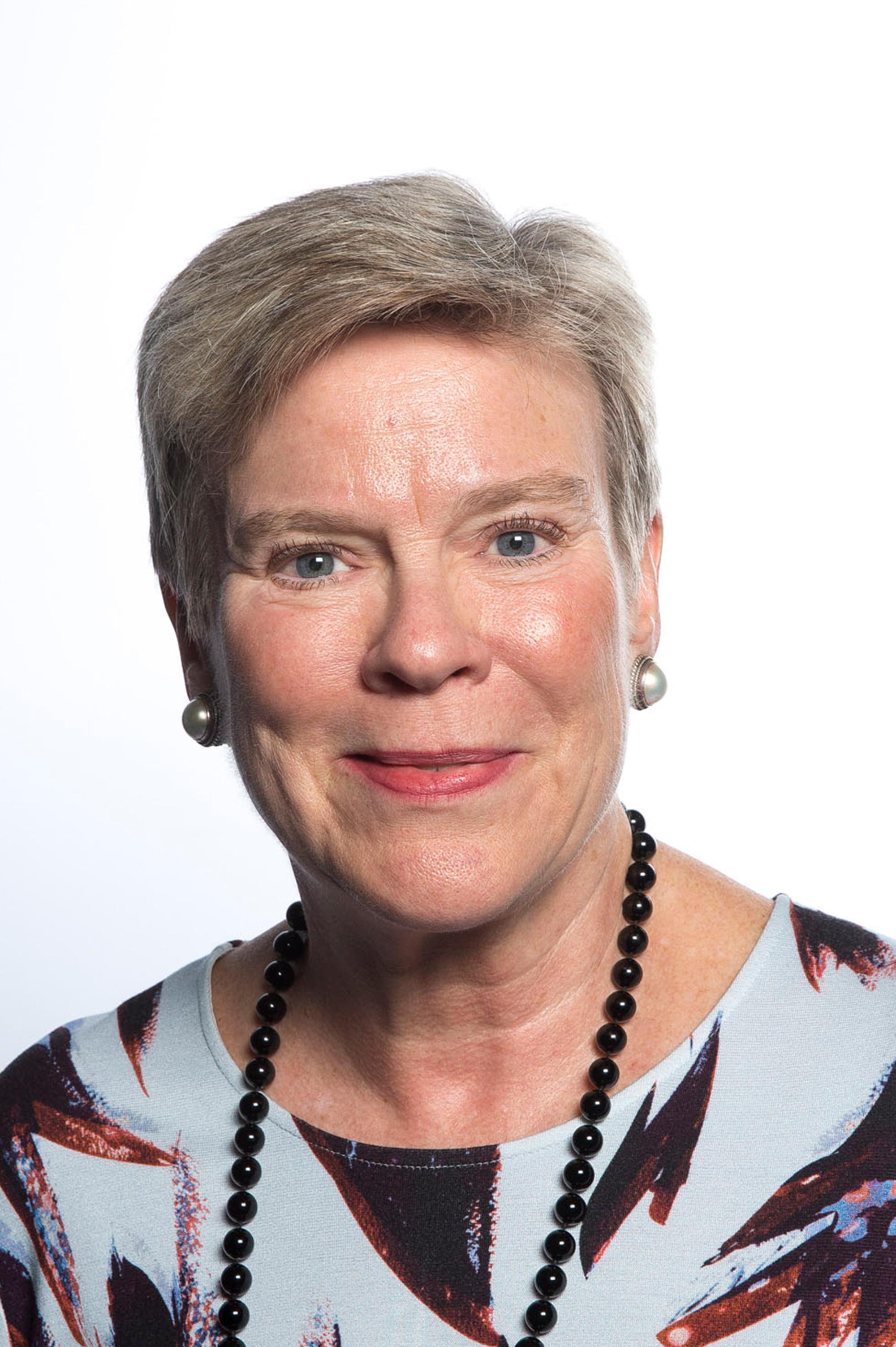
Rose Gottemoeller is a nonresident senior fellow in Carnegie’s Nuclear Policy Program. She also serves as lecturer at Stanford University’s Freeman Spogli Institute for International Studies and is a research fellow at the Hoover Institution. Ambassador Gottemoeller served as the deputy secretary general of NATO from 2016 to 2019.
Scott Sagan
Co-Director and Senior Fellow, Center for International Security and Cooperation at Stanford University
Scott D. Sagan is co-director and senior fellow at the Center for International Security and Cooperation, the Caroline S.G. Munro Professor of Political Science, and the Bass University Fellow in Undergraduate Education at Stanford University.