{
  "authors": [],
  "type": "conference",
  "centerAffiliationAll": "dc",
  "centers": [
    "Carnegie Endowment for International Peace"
  ],
  "englishNewsletterAll": "ctw",
  "nonEnglishNewsletterAll": "",
  "primaryCenter": "Carnegie Endowment for International Peace",
  "programAffiliation": "GOI",
  "programs": [
    "Global Order and Institutions"
  ],
  "topics": [
    "Technology",
    "Global Governance",
    "Foreign Policy",
    "Economy",
    "Climate Change",
    "Security"
  ]
}
The Opportunities of Change in World Order
Mon, June 1st, 2026 - Tue, June 2nd, 2026
Washington, DC
An atmosphere of crisis pervades many discussions of global order and multilateralism. However, for many, including in the Global South, the current moment of change is not merely a time of risk, but also of opportunity. A crisis lens ignores these perspectives, overlooking historical continuities in calls and ideas for change and the possibilities of different future trajectories. This multi-day conference will explore how the contemporary international order and disorder are experienced and viewed across regions and policy domains, at a time of ongoing geopolitical competition, power diffusion, technological disruption, environmental crisis, glaring inequality, and challenges to political legitimacy.
The conference will begin on the evening of June 1st and conclude on June 2nd. It is a product of the multiyear “Global (Dis)Order” initiative launched by the Carnegie Endowment and the British Academy, which seeks to shed light on the dynamics of global turbulence and identify effective policy responses that will promote a more secure, prosperous, equitable, resilient, and sustainable future for humanity.
Conference attendance is by invitation and registration only. Once registered, you will receive a direct email confirmation. Attendees are encouraged to attend both days of programming.
Panel
Mon. June 1, 20265:30 PM - 6:30 PM EDT
U.S. Foreign Policy in Historical Perspective
On the eve of the 250th anniversary of the U.S. Declaration of Independence, this panel will examine the past, present, and potential future of U.S. approaches to world order. What light can history and political science shed on the Trump administration’s “America First” foreign policy, including its underlying motivations and determinants? What elements of continuity and discontinuity are most noteworthy in the country’s current global engagement? What impulses, forces, and variables are most likely to shape the nation’s global role in the coming decades?
A reception will follow the panel.
Invalid video URL
Kori Schake
Senior Fellow and Director of Foreign Policy Studies, American Enterprise Institute
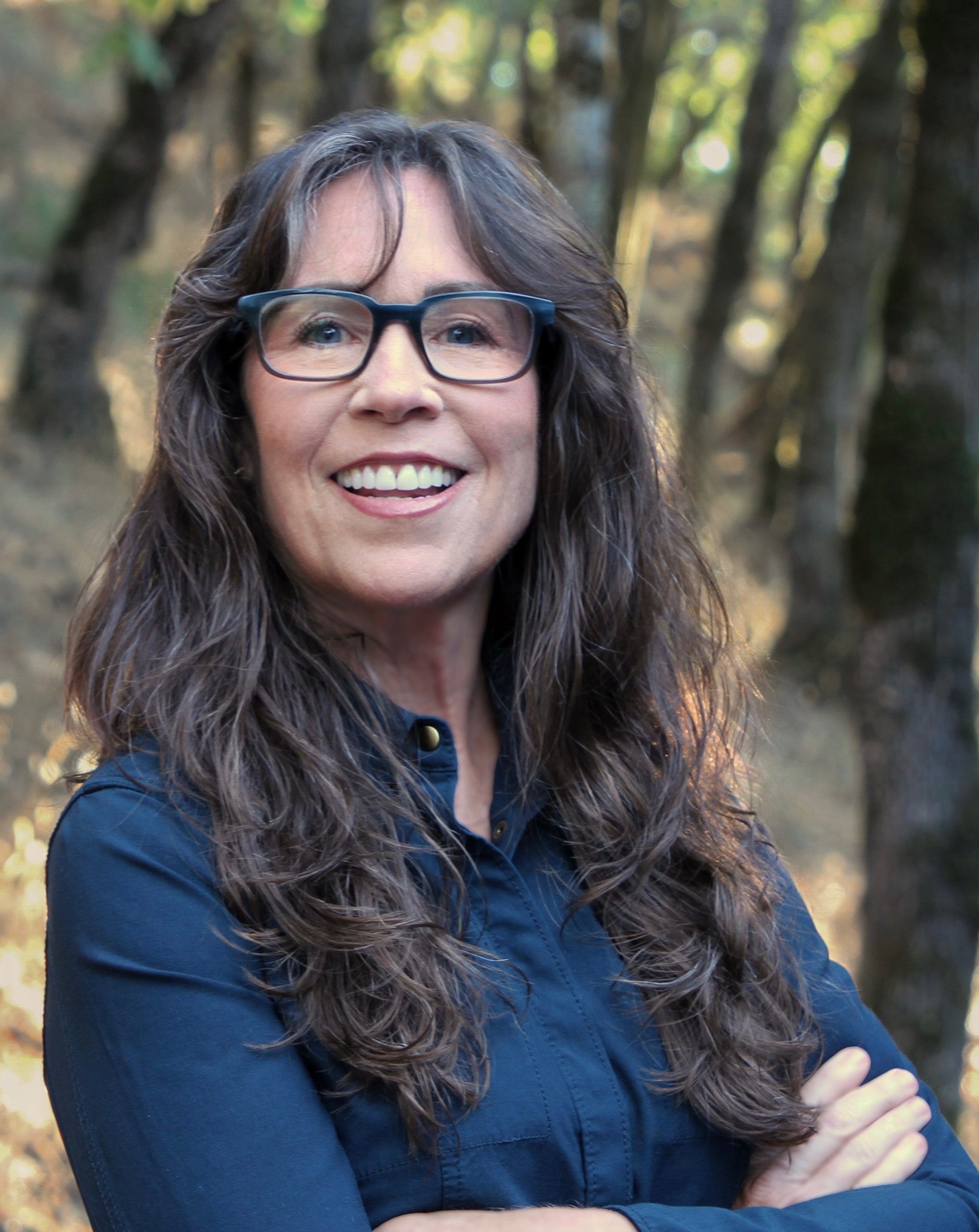
Kori Schake is a senior fellow and the director of foreign and defense policy studies at the American Enterprise Institute (AEI). Before joining AEI, Dr. Schake was the deputy director-general of the International Institute for Strategic Studies in London. She has had a distinguished career in government, working at the U.S. State Department, the U.S. Department of Defense, and the National Security Council at the White House.
Charles Kupchan
Professor of International Affairs, Georgetown University
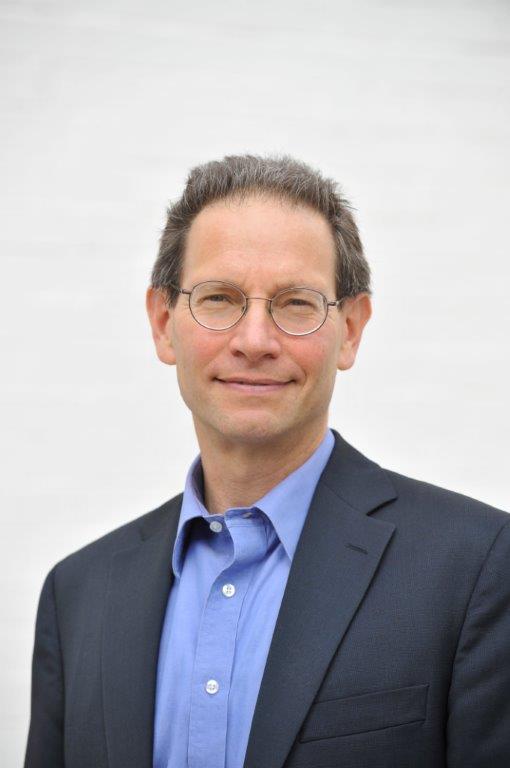
Dr. Charles Kupchan is Professor of International Affairs in the School of Foreign Service and Government Department at Georgetown University, and Senior Fellow at the Council on Foreign Relations. From 2014 to 2017 Kupchan served as Special Assistant to the President and Senior Director for European Affairs on the National Security Council in the Obama White House.
David Engerman
Leitner Professor of History and Global Affairs, Yale University
David C. Engerman is a scholar of twentieth-century international history at Yale University. He is the author or editor of six books, most recently Apostles of Development: Six Economists and the World They Made.
Senior Fellow and Director, Global Order and Institutions Program

Stewart Patrick is a senior fellow and director of the Global Order and Institutions Program at the Carnegie Endowment for International Peace. His primary areas of research focus are the shifting foundations of world order, the future of American internationalism, and the requirements for effective multilateral cooperation on transnational challenges.
Tue. June 2, 20269:00 AM - 9:10 AM EDT
Welcome
Susan Smith
President, The British Academy
Professor Susan Smith became President of the British Academy in 2025. She is known for her contributions to social geography and for her collaborative interdisciplinary research on the links between housing, inequality, health and wellbeing. She is experienced in research management, research strategy and research assessment of all kinds. She has a wide-ranging teaching and examining portfolio at all levels, in a variety of topics; and she is active in the communication dissemination of ideas beyond the academy.
Panel
Tue. June 2, 20269:10 AM - 10:40 AM EDT
Opportunity in ‘Disorder’
This opening plenary panel will consider whether the current moment of international upheaval might also present new possibilities for reimagining and reconstituting global order, including its institutions, expressions, and practices. How is the current (dis)order being experienced and perceived in various parts of the world? What are the most likely scenarios for the future of global order and cooperation, given the current trajectory of the international system and the main driving forces at play, including geopolitical, domestic political, economic, ecological, technological, and other trends? How are patterns of agency and power changing, and which actors and communities are most likely to benefit?
Invalid video URL
Senior Fellow and Director, Global Order and Institutions Program
Stewart Patrick is a senior fellow and director of the Global Order and Institutions Program at the Carnegie Endowment for International Peace. His primary areas of research focus are the shifting foundations of world order, the future of American internationalism, and the requirements for effective multilateral cooperation on transnational challenges.
Director and Senior Fellow, Carnegie Africa Program
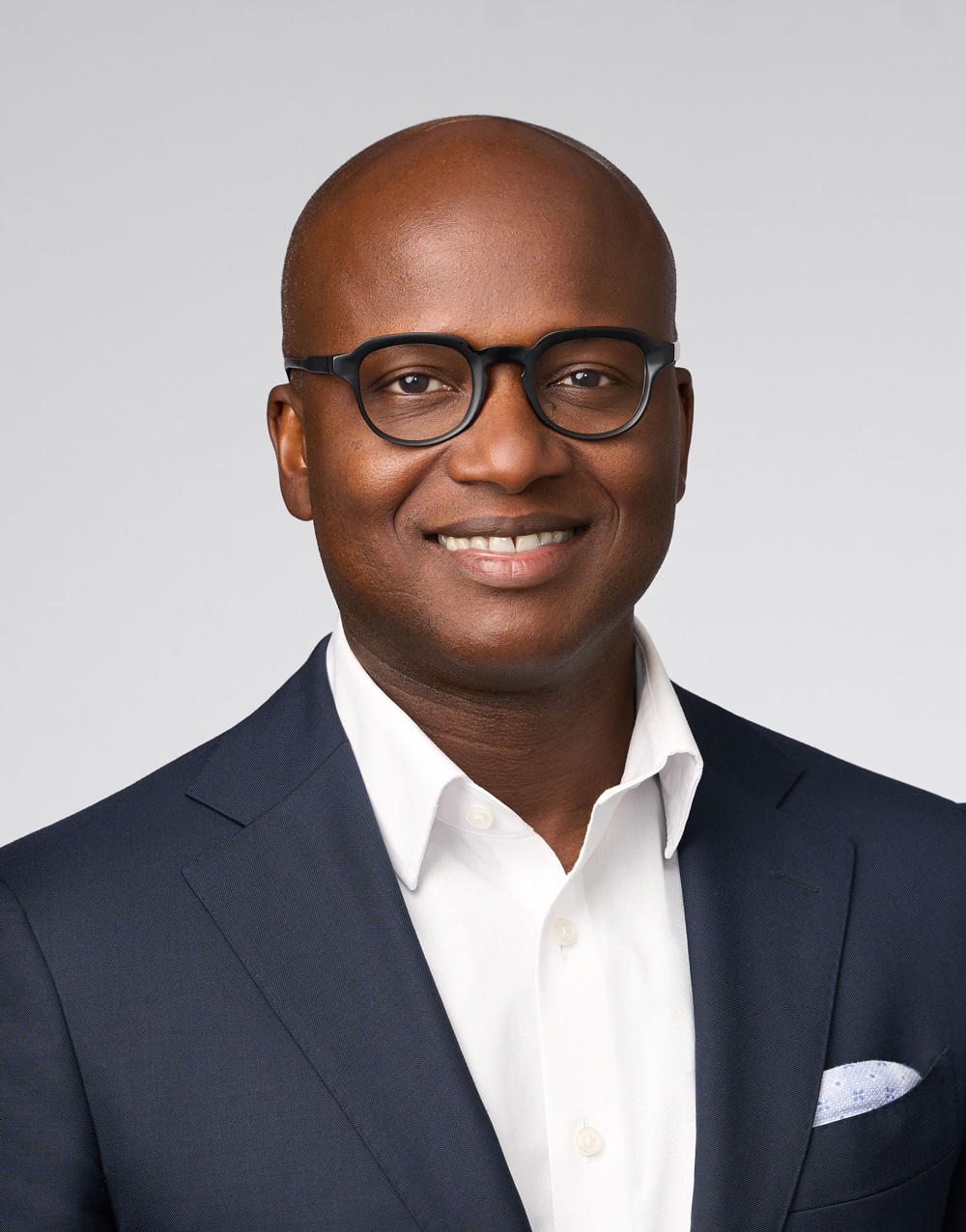
Fonteh Akum is director and senior fellow of Carnegie’s Africa Program. His work focuses on building the resilience of African states and societies to conflict, climate, and pandemic shocks, while informing opportunities to leverage digital, demographic, and diplomatic capabilities.
Matias Spektor
Professor of Politics and International Relations, Fundação Getulio Vargas
Matias Spektor is founder and full professor at the School of International Relations at FGV in Brazil. He specializes in climate change politics, political violence, transnational repression, and international security in Latin America.
Yuen Yuen Ang
Alfred Chandler Chair Professor of Political Economy, Johns Hopkins University
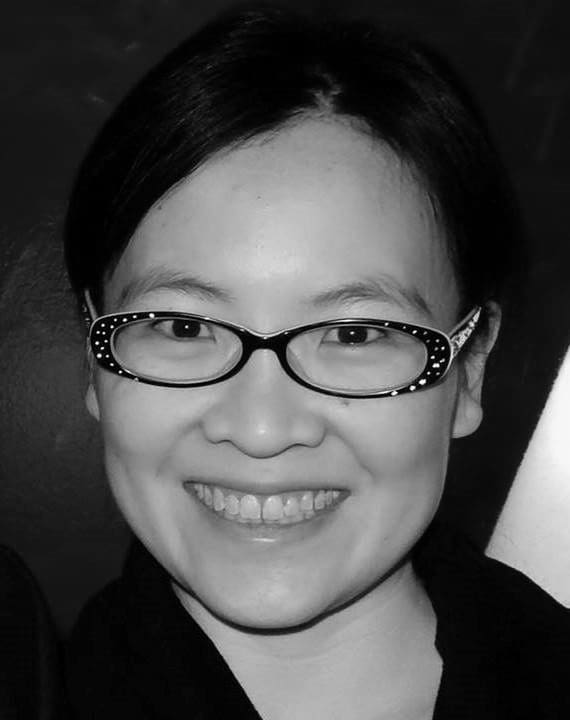
Yuen Yuen Ang is the Alfred Chandler Chair Professor of Political Economy at Johns Hopkins University. She is the first named chair at the Center for Economy and Society, a multi-disciplinary program established to find “alternatives to traditional economic thinking.” At JHU, she directs The Polytunity Project and The Multipolar World & U.S.-China Forum.
To learn more, visit her website at https://www.yuenyuenang.org/.
Panel
Tue. June 2, 202611:10 AM - 12:40 PM EDT
The Geopolitics of AI
The emergence of artificial intelligence has been widely interpreted as an era-defining technological advance, with transformative implications that could rival the Industrial Revolution. The panel considers how different countries and regions assess the implications of AI for global security, economic prosperity, and human dignity. How will AI affect geopolitical competition? How will it help or hinder inclusive growth and development? What impact will the emerging AI era have for domestic and international governance?
Invalid video URL
Senior Fellow and Co-Director, Technology and International Affairs Program
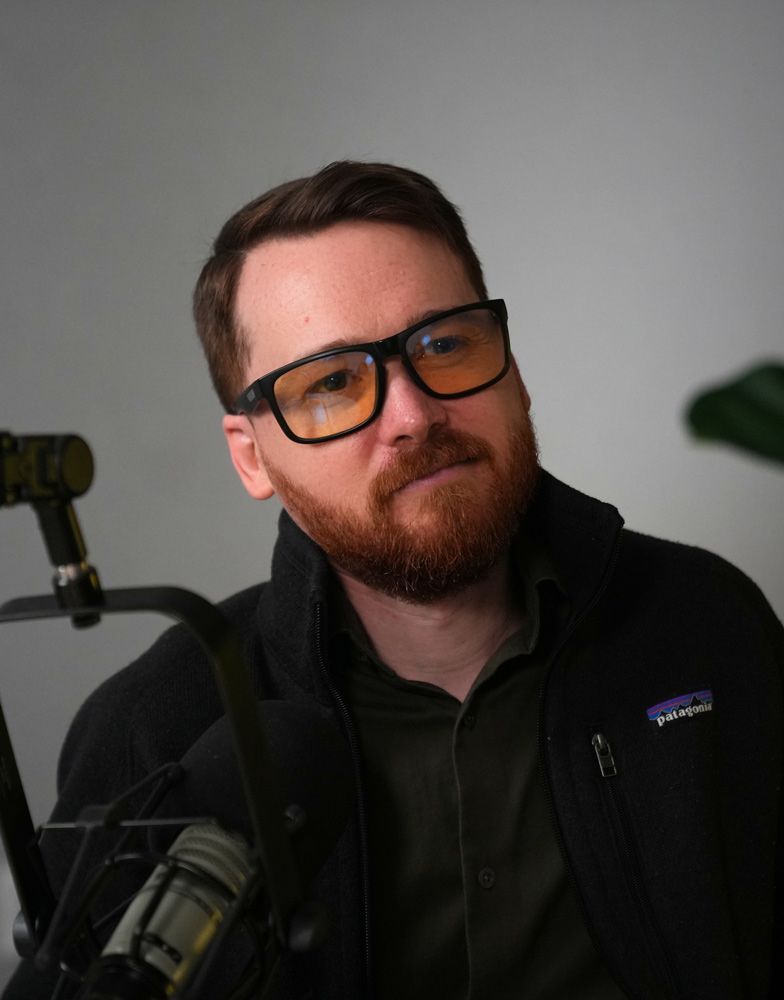
Jon Bateman is a senior fellow and co-director of the Technology and International Affairs Program at the Carnegie Endowment for International Peace.
Director and Senior Fellow, Democracy, Conflict, and Governance Program

Steve Feldstein is a senior fellow and director of the Democracy, Conflict, and Governance Program at the Carnegie Endowment for International Peace. His research focuses on technology, national security, the global context for democracy, and U.S. foreign policy. His new book, Bytes and Bullets: Global Rivalry, Private Tech, and the New Shape of Modern Warfare, is now available from St. Martin’s Press.
Fellow, Africa Program
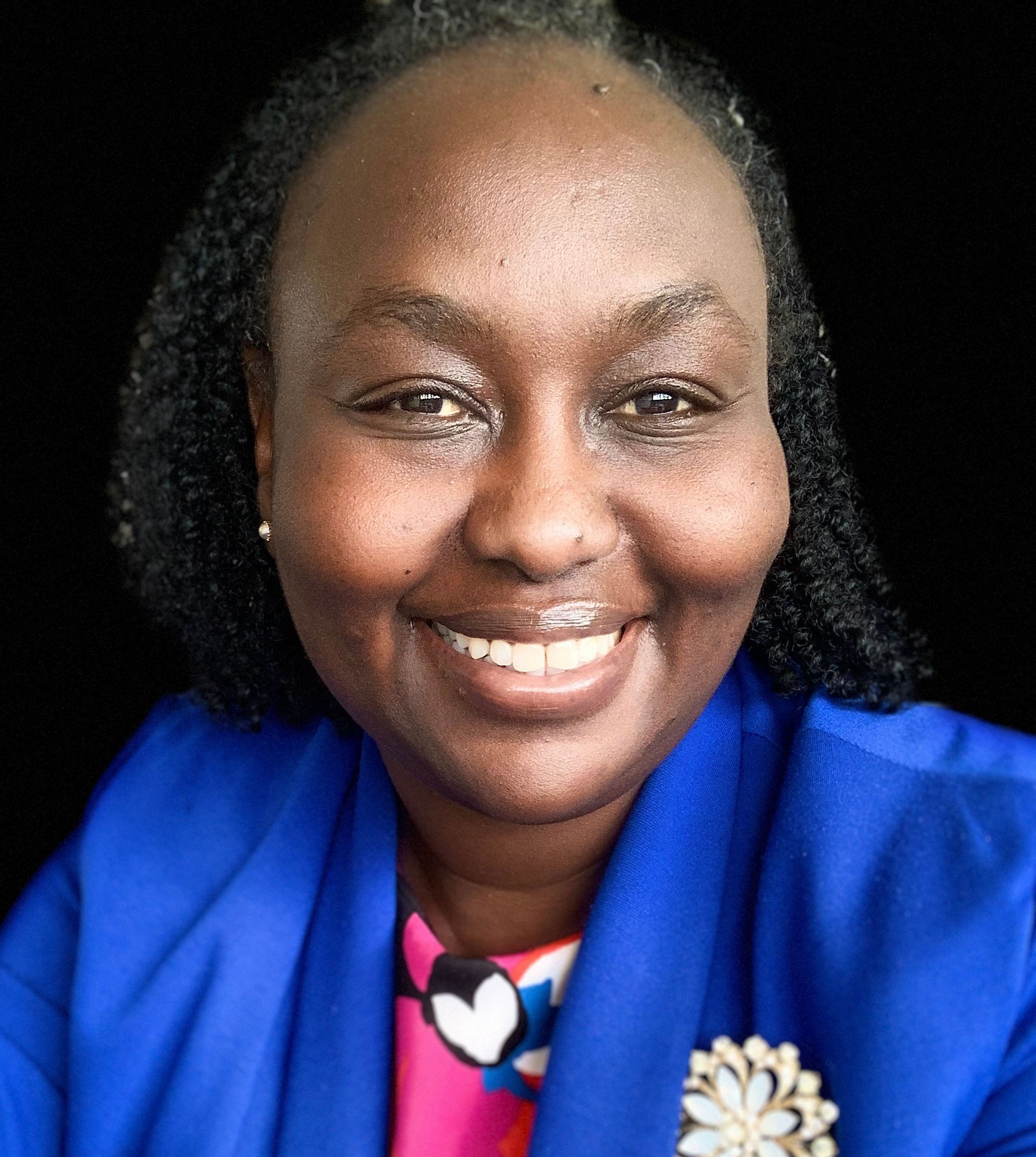
Jane Munga is a fellow in the Africa Program focusing on technology policy at the Carnegie Endowment for International Peace.
Fellow, Technology and International Affairs Program
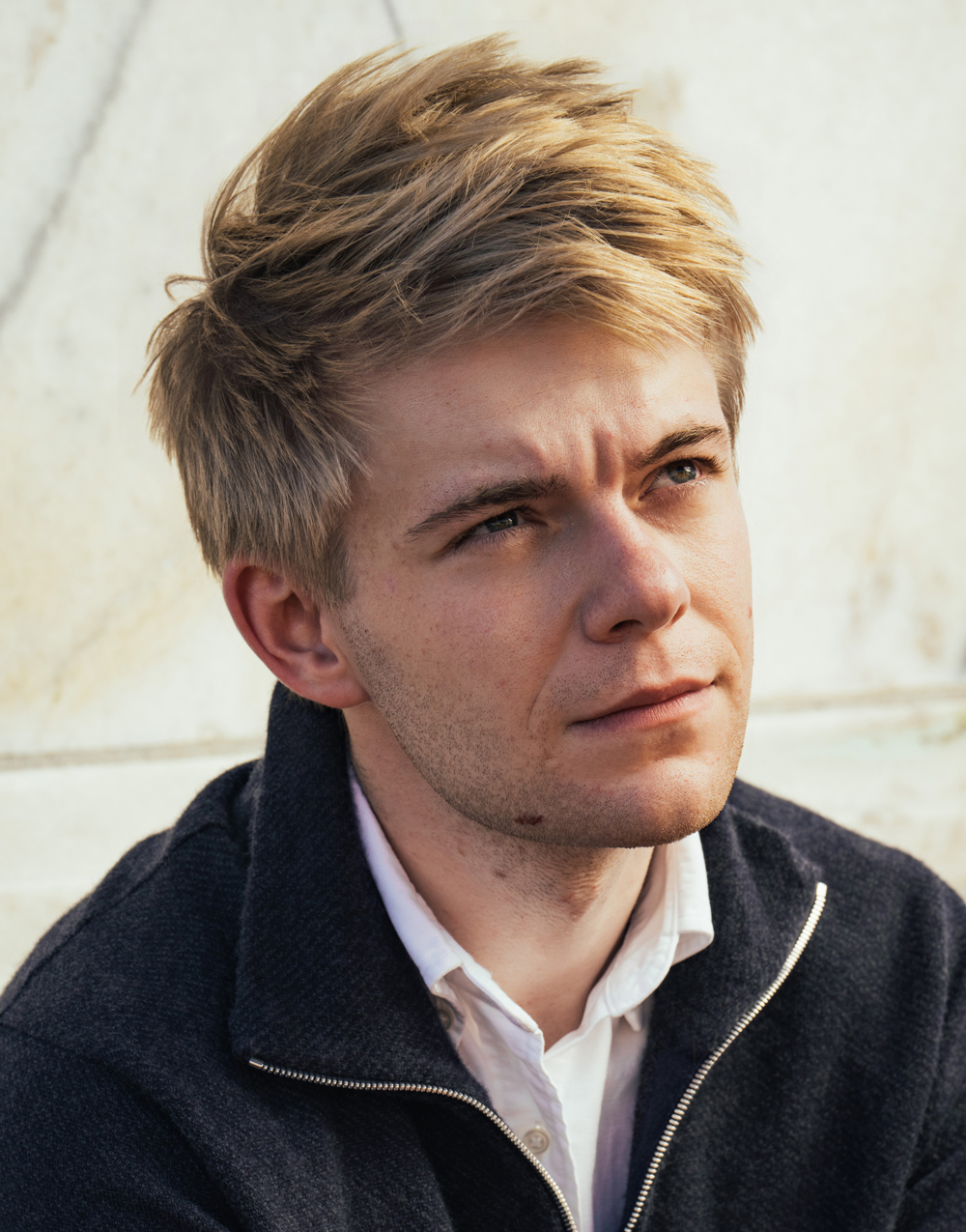
Anton Leicht is a fellow with the Technology and International Affairs Program at the Carnegie Endowment for International Peace, where he researches the political economy of artificial intelligence.
Lunch
Tue. June 2, 202612:40 PM - 1:40 PM EDT
Fireside Chat With Mariano-Florentino (Tino) Cuéllar
Mariano-Florentino Cuéllar will soon step down as Carnegie’s president after a five-year tenure that coincided with global upheavals, among them the Russian invasion of Ukraine, an explosive emergence of AI, and a revolution in U.S. foreign policy. How has Carnegie sought to meet this moment, and what does this turbulent era suggest about prospects for international cooperation and peace?
Lunch will be served during the conversation.
Invalid video URL
Former Carnegie President (2021-2026)
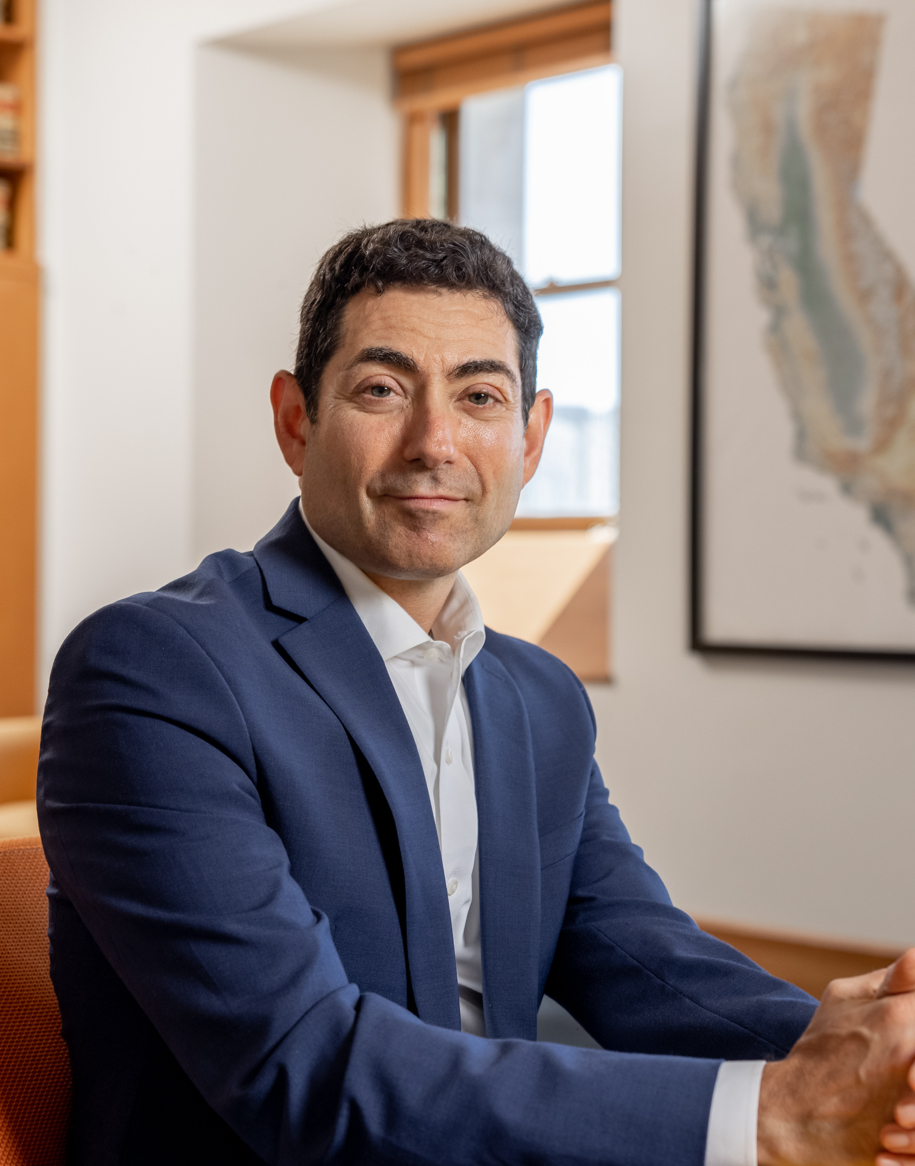
Mariano-Florentino (Tino) Cuéllar was previously the tenth president of the Carnegie Endowment for International Peace. A former justice of the Supreme Court of California, he has served three U.S. presidential administrations at the White House and in federal agencies, and was the Stanley Morrison Professor at Stanford University, where he held appointments in law, political science, and international affairs and led the university’s Freeman Spogli Institute for International Studies.
Indira Lakshmanan
Host, Here & Now, NPR
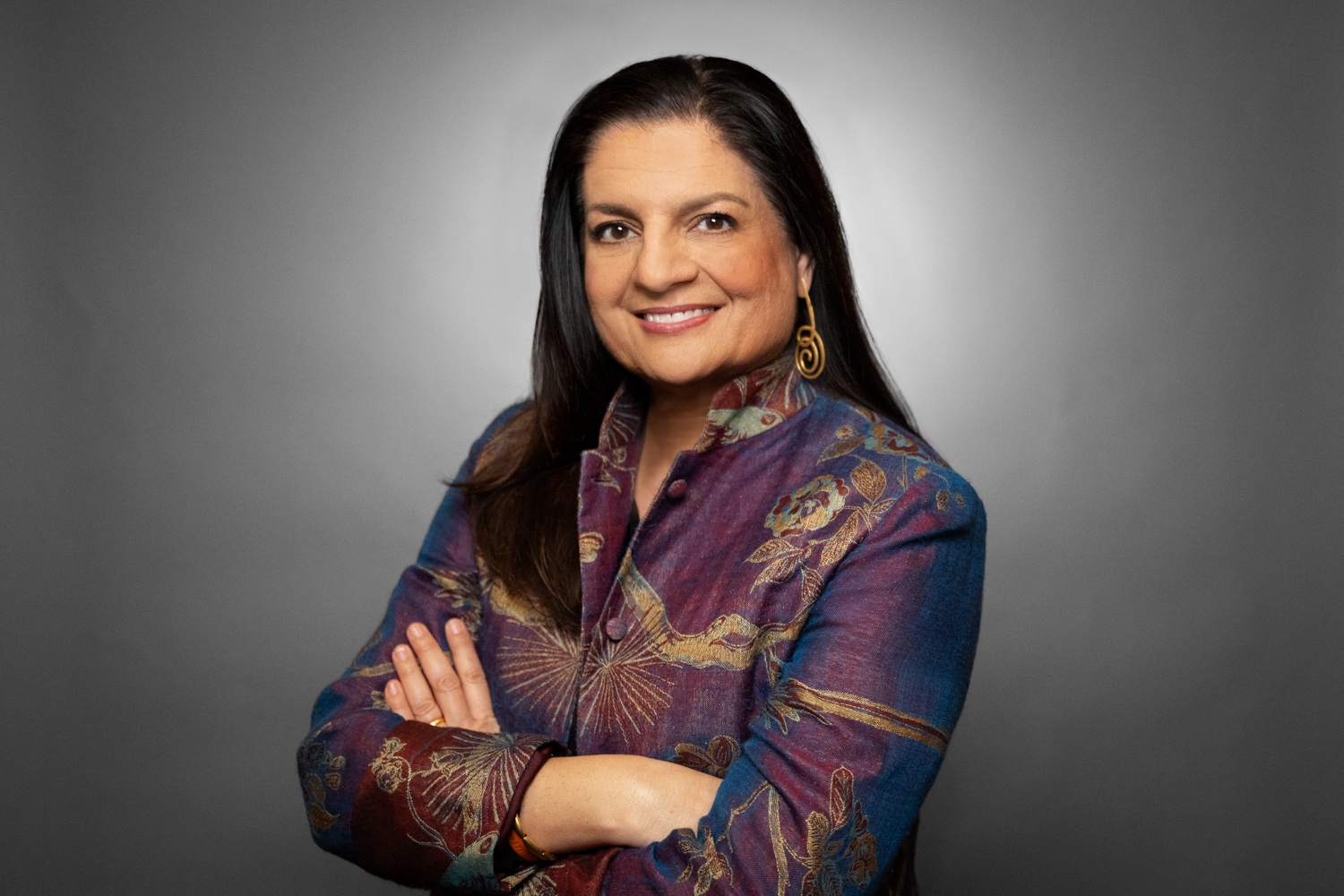
Indira Lakshmanan is a host of Here & Now. She is a veteran foreign correspondent and political reporter with decades of experience covering global events and U.S. policy. Lakshmanan has previously contributed to numerous NPR shows as a guest host and journalist, including 1A, On Point, Weekend Edition and Here & Now.
Panel
Tue. June 2, 20261:40 PM - 3:10 PM EDT
Climate Security and Energy Security
More than a decade after the Paris Agreement, the world is badly behind on meeting its targets for emissions reductions and struggling to finance climate adaptation. Meanwhile, war in the Persian Gulf has underscored the world’s continued, heavy reliance on fossil fuels. What are the prospects for balancing the twin imperatives of climate and energy security, in an era of massive ecological and geopolitical disruption? How do different actors and regions perceive and prioritize these challenges, and are there any technological, economic, and political trends that provide cause for comfort?
Invalid video URL
Former Fellow, Sustainability, Climate, and Geopolitics Program and Fellow, Europe Program
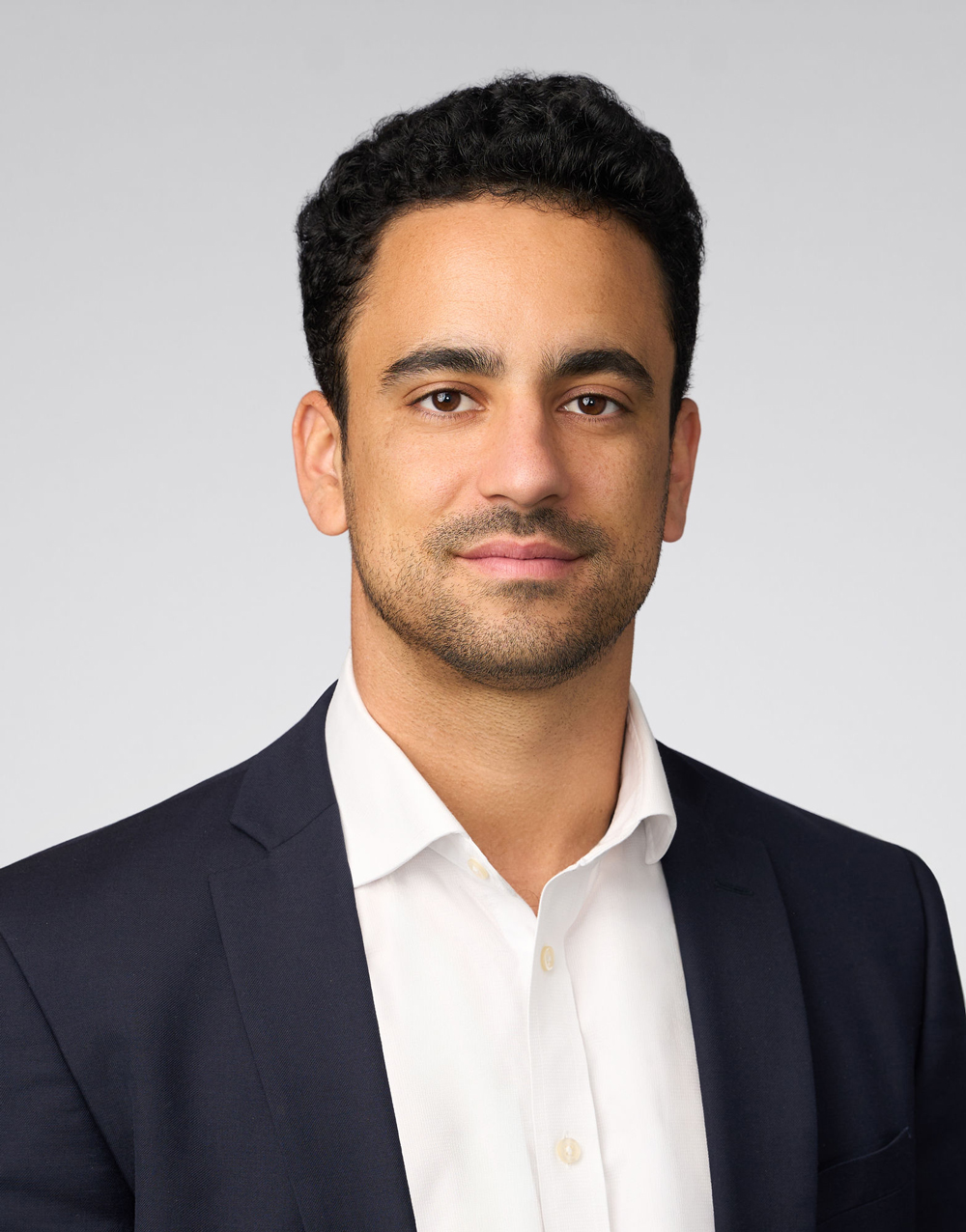
Noah J. Gordon was a fellow in the Sustainability, Climate, and Geopolitics Program at the Carnegie Endowment for International Peace in Washington, DC.
Emma Ashford
Senior Fellow, Reimagining US Grand Strategy, Stimson Center
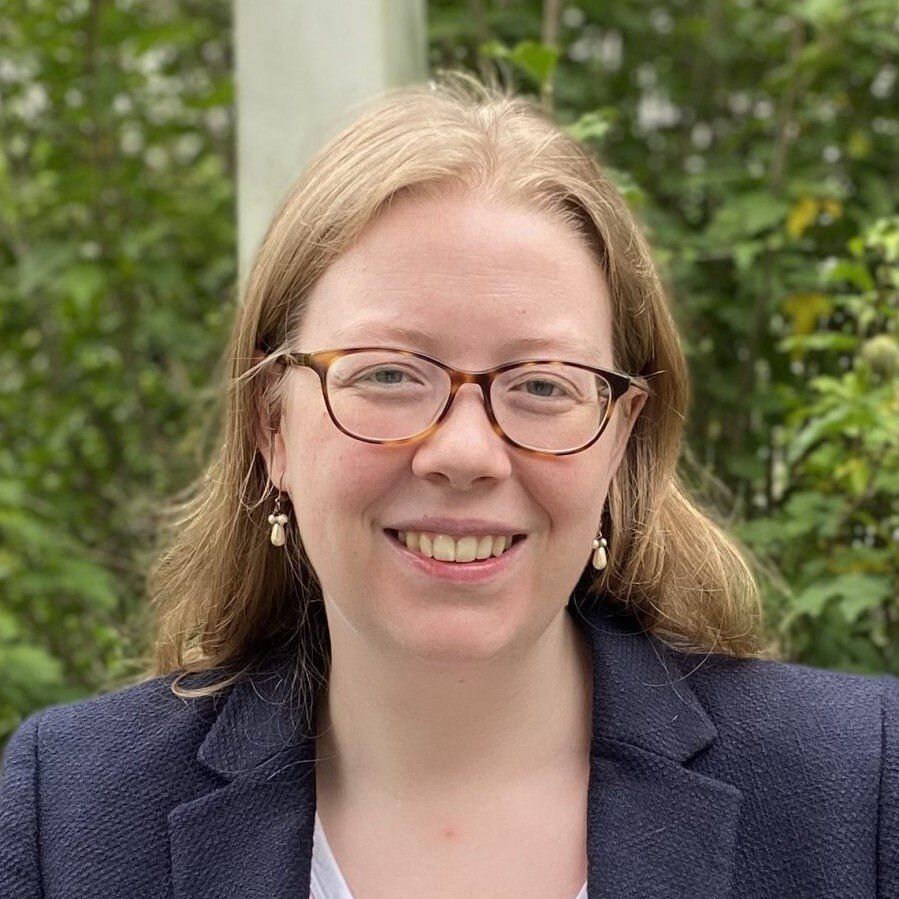
Emma Ashford is a senior fellow with the Reimagining U.S. Grand Strategy program at the Stimson Center, where her work focuses on questions of grand strategy, international security, and the future of U.S. foreign policy. She has expertise in the politics of Russia, Europe, and the Middle East. Ashford is also a columnist at Foreign Policy, and an adjunct assistant professor in the Security Studies Program at Georgetown University.
William A. Pizer
President and CEO, Resources for the Future
Billy Pizer is the President and CEO of Resources for the Future (RFF), an independent, nonprofit research institution that improves environmental, energy, and natural resource decisions through impartial economic research and policy engagement. His previous roles include Susan B. King Professor and Senior Associate Dean at Duke University’s Sanford School of Public Policy, and Deputy Assistant Secretary for Environment and Energy at the US Department of the Treasury.
Champa Patel
Executive Director for Governments and Policy, Climate Group
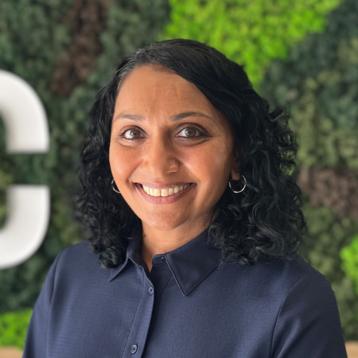
Champa Patel is executive director for Governments and Policy at Climate Group, where she leads strategic engagement with national and sub-national governments, the Under2 Coalition and international institutions. With over two decades of experience working across multilateral agencies, governments and non-governmental organisations, she shapes policy development and advocacy that advances low-carbon, resilient pathways.
Panel
Tue. June 2, 20263:40 PM - 5:10 PM EDT
The Middle Power Moment?
The panel will consider questions such as what are the prospects for middle powers playing this role? On what topics is this heterogeneous group of nations likely to be most closely aligned—and where can they hope to make a tangible difference, including by committing resources and effort? What are the prospects for bridging North-South divides among middle powers? How can middle powers balance their desire for increased agency with their often-close relations with or dependence on the United States and/or China? How can we help ensure that mini-lateral and plurilateral cooperation among middle powers strengthens and reinforces, rather than weakens and fragments, the United Nations, and the broader multilateral system?
Invalid video URL
Rana Mitter
S.T. Lee Professor of U.S.-Asia Relations, Harvard Kennedy School
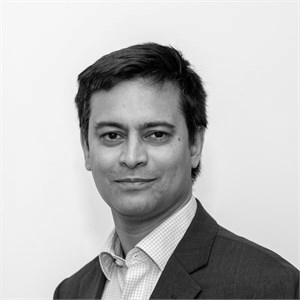
Rana Mitter is S.T. Lee Chair in US-Asia Relations at the Harvard Kennedy School. He is the author of several books, including Forgotten Ally: China’s World War II (2013) which won the 2014 RUSI/Duke of Westminster’s Medal for Military Literature, and was named a Book of the Year in the Financial Times and Economist.
Senior Fellow, Democracy, Conflict, and Governance Program
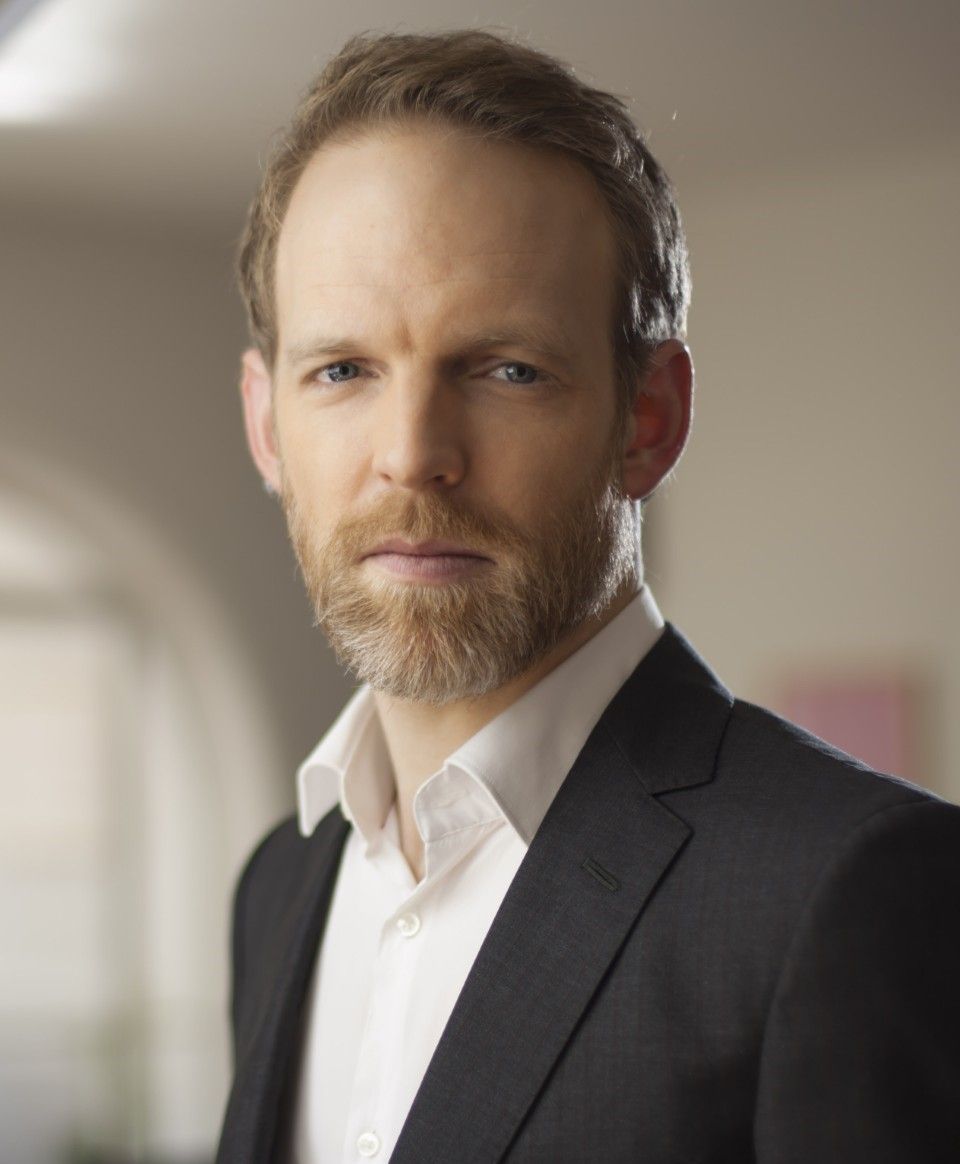
Oliver Stuenkel is an associate professor at the School of International Relations at Fundação Getulio Vargas (FGV) in São Paulo, Brazil. He is also a senior fellow affiliated with the Democracy, Conflict, and Governance Program at the Carnegie Endowment for International Peace.
Roland Paris
Director, Graduate School of Public and International Affairs, University of Ottawa
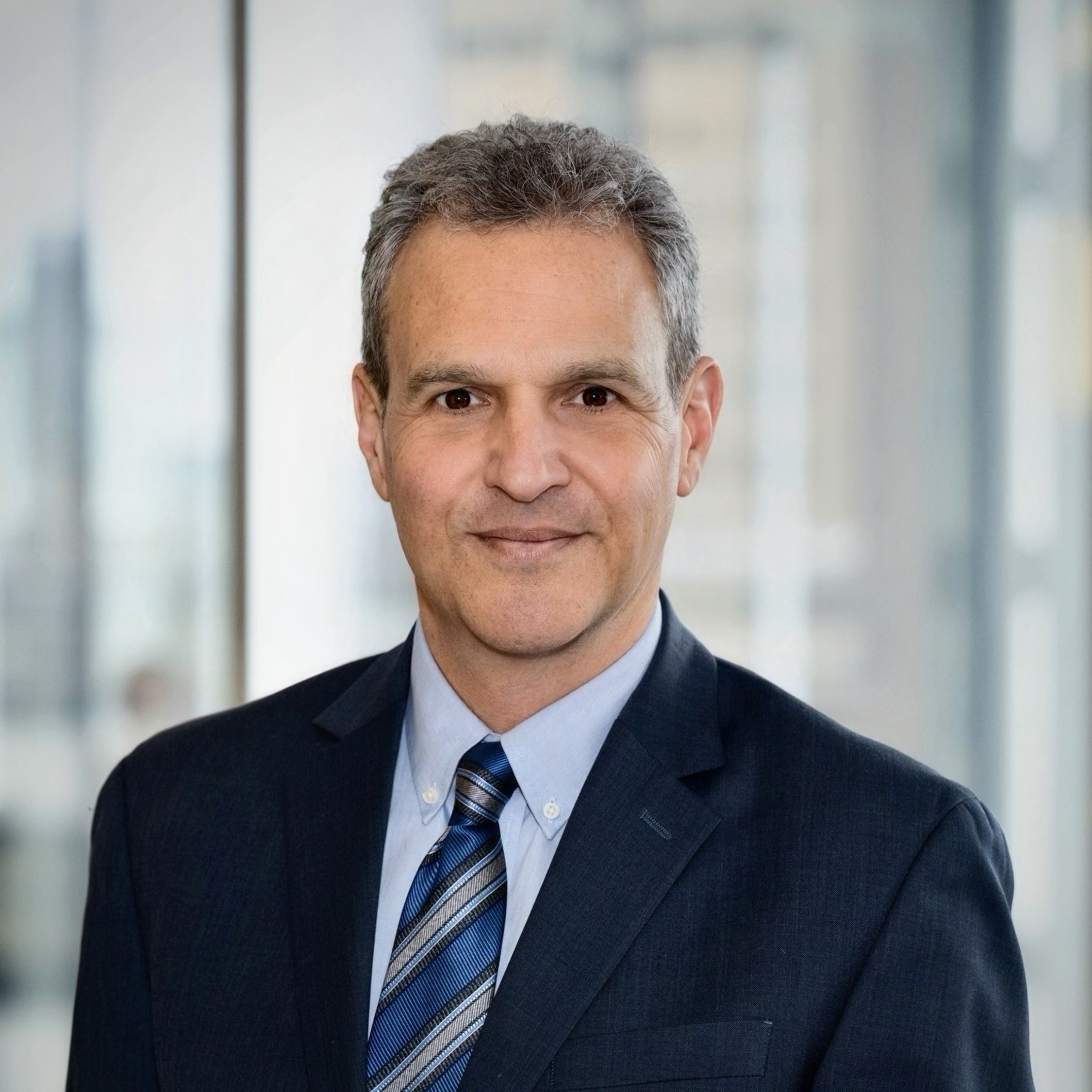
Roland Paris is a professor of international affairs and the director of the Graduate School of Public and International Affairs at the University of Ottawa, an associate fellow of Chatham House, and a former senior advisor on foreign policy to the Prime Minister of Canada.
Sandra Destradi
Chair, International Relations, University of Freiburg, Germany, and DAAD long-term guest professor, Reichman University, Israel
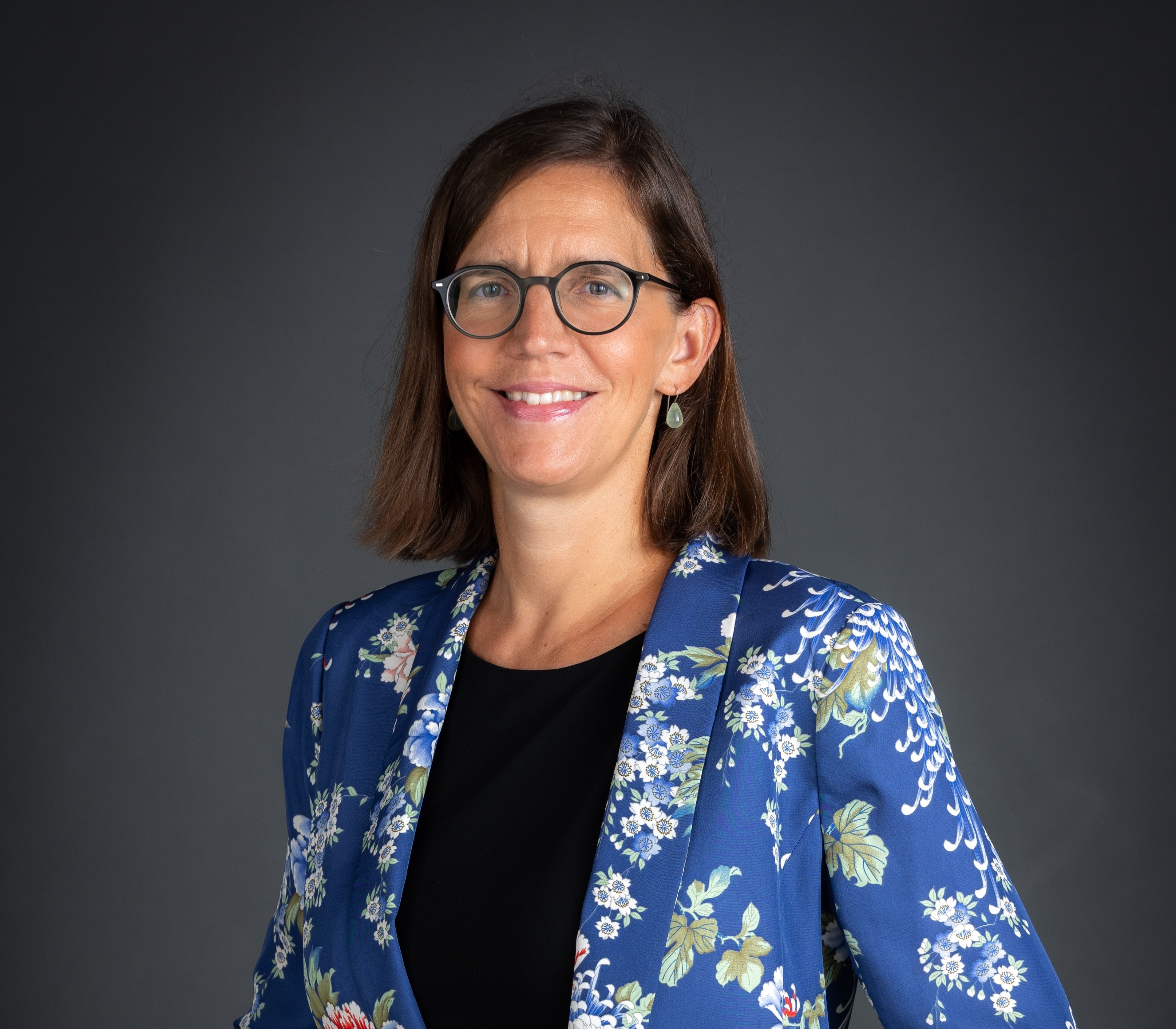
Sandra Destradi is a professor in the Department of Political Science and Chair for International Relations at the University of Freiburg, Germany. She is currently serving as a long-term guest professor at Reichman University, Israel, funded by the German Academic Exchange Service (DAAD). Her research interests include the impact of populism and authoritarianism on foreign policy, emerging powers and global governance and (trans)regional security dynamics in the Global South and beyond.
Panel
Tue. June 2, 20265:30 PM - 6:30 PM EDT
Global (Dis)Order in Historical Perspective
The panel will focus on how our understandings of contemporary global disorder, as well as potential future trajectories, are inevitably shaped by history—and the diverse ways the past has been experienced and interpreted around the world. What guidance can the past provide in understanding our own period of geopolitical, economic, technological, ecological, and societal upheaval? How have policymakers around the world invoked historical analogies to make sense of the moment, navigate current dilemmas and opportunities, and legitimate their decisions? What are the opportunities and pitfalls in such appeals to history?
Invalid video URL
Andrew Hurrell
Montague Burton Emeritus Professor of International Relations, Oxford University

Andrew Hurrell taught International Relations in Oxford for over thirty years first at Nuffield College and then as Montague Burton Professor of International Relations from 2008 to 2021. He was elected to the British Academy in 2011. From 2020 to 2024 he held an Einstein Fellowship in Berlin as part of the Excellence Cluster on Liberal Scripts and was a Senior Research Fellow in the Law Faculty at Humboldt University and one of the co-directors of the KFG international research group on ‘The International Rule of Law: Rise or Decline?’. He is currently co-director of the Oxford Martin School programme on Changing Global Orders.
Evelyn Goh
Shedden Professor of Strategic Policy Studies and Director of the Southeast Asia Institute, Australian National University
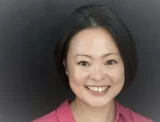
Evelyn Goh FBA FASSA is a is a scholar of International Relations (IR) theory and practice. She is also a regional expert in the sense that she studies China, the U.S., Northeast and Southeast Asia. Her most influential research includes original theorisation of "hedging" strategies, hegemony and hierarchy In East Asian regional orders (historical and contemporary), China's power and influence, and her original 'Strategic Diplomacy' policy framework.
Patricia Clavin
Professor of Modern History, University of Oxford
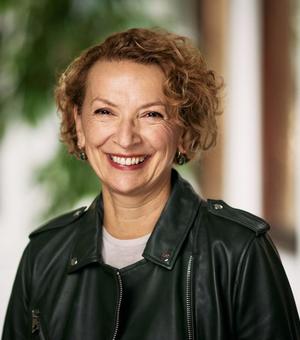
Professor Patricia Clavin is Chair in Modern History at the University of Oxford. Her research and publications centre on the history of international and transnational relations in the Twentieth Century.
Rana Mitter
S.T. Lee Professor of U.S.-Asia Relations, Harvard Kennedy School
Rana Mitter is S.T. Lee Chair in US-Asia Relations at the Harvard Kennedy School. He is the author of several books, including Forgotten Ally: China’s World War II (2013) which won the 2014 RUSI/Duke of Westminster’s Medal for Military Literature, and was named a Book of the Year in the Financial Times and Economist.
This event is presented in partnership with the British Academy.