

{
  "authors": [
    "David E. Hoffman",
    "Corey Hinderstein",
    "Dina Titus",
    "Bill Foster",
    "Magzhan  Ilyassov",
    "Laura  S. H. Holgate",
    "Andrew  Weber"
  ],
  "type": "event",
  "centerAffiliationAll": "dc",
  "centers": [
    "Carnegie Endowment for International Peace"
  ],
  "englishNewsletterAll": "ctw",
  "nonEnglishNewsletterAll": "",
  "primaryCenter": "Carnegie Endowment for International Peace",
  "programAffiliation": "NPP",
  "programs": [
    "Nuclear Policy"
  ],
  "regions": [
    "United States",
    "Russia",
    "China",
    "Kazakhstan"
  ],
  "topics": [
    "Arms Control",
    "Nuclear Policy"
  ]
}
Earthshaking: Lessons from Kazakhstan for Managing Today’s Nuclear Dangers
Thu, September 17th, 2026
Washington, DC and Live Online
Invalid video URL
In 1991, Kazakhstan closed the Semipalatinsk Test Site, where the Soviet Union had conducted almost 500 nuclear tests. Three years later, the governments of Kazakhstan and the United States worked together to dispose of a Soviet-era stockpile with enough highly enriched uranium for about 25 nuclear weapons. Today, nuclear dangers are again increasing, while collaborative risk-reduction efforts seem to be a thing of the past. Stockpiles of fissile material pose serious proliferation risks. Meanwhile, the United States has stated that China has violated the moratorium on nuclear testing—a claim the Chinese government has denied—and President Trump has directed that the United States should test nuclear weapons on an equal basis with other countries.
What made such nonproliferation successes possible in the 1990s? What lessons do those efforts have for today’s challenges?
Join the Carnegie Endowment for International Peace and the Council on Strategic Risks to examine these questions with remarks from Ambassador Magzhan Ilyassov, ambassador of Kazakhstan to the United States, Congresswoman Dina Titus, and Congressman Bill Foster.
They will be followed by a panel with Ambassador Ilyassov, Corey Hinderstein, vice president for studies at the Carnegie Endowment and former principal deputy administrator for the National Nuclear Security Administration; Laura Holgate, former ambassador to the International Atomic Energy Agency; and Andrew Weber, former assistant secretary of defense; in a conversation with David E. Hoffman, author of The Dead Hand: The Untold Story of the Cold War Arms Race and Its Dangerous Legacy. A light reception will follow.
Presented in partnership with:

Carnegie does not take institutional positions on public policy issues; the views represented herein are those of the author(s) and do not necessarily reflect the views of Carnegie, its staff, or its trustees.
Event Speakers
David E. Hoffman
Former Contributing Editor, The Washington Post
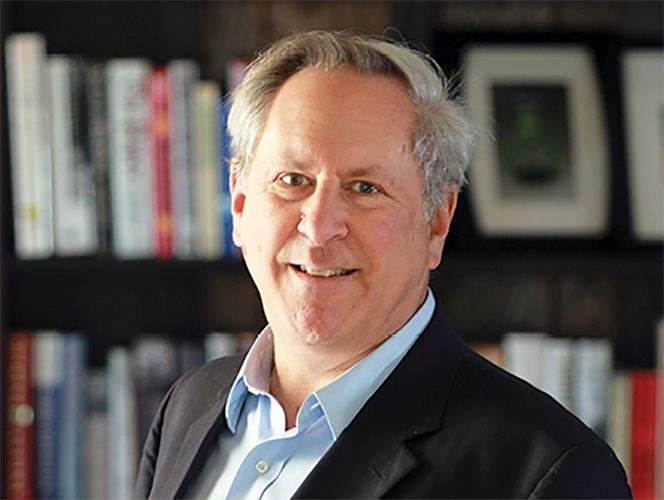
David E. Hoffman is a former contributing editor at The Washington Post. He covered the White House during the presidencies of Ronald Reagan and George H. W. Bush, and was subsequently diplomatic correspondent and Jerusalem correspondent. From 1995 to 2001, he served as Moscow bureau chief, and later as foreign editor and assistant managing editor for foreign news.
Vice President for Studies
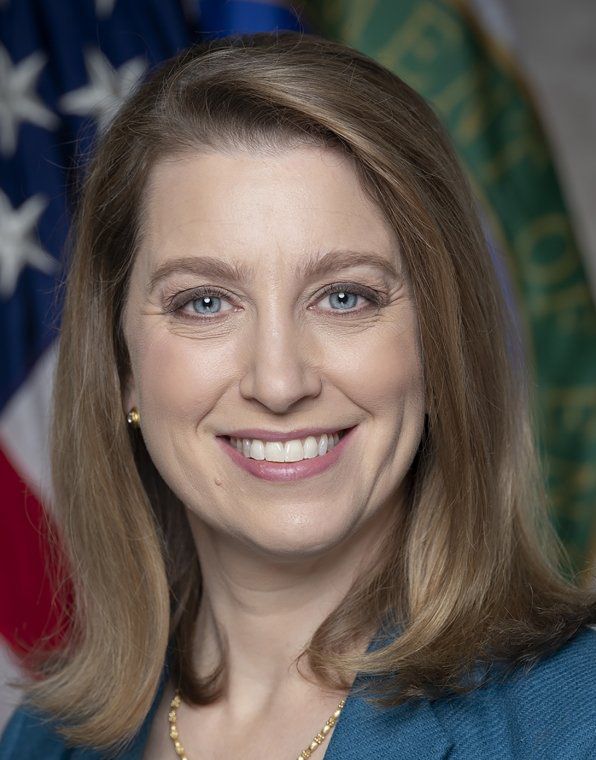
Corey Hinderstein is vice president for studies at the Carnegie Endowment for International Peace, overseeing the Technology and International Affairs Program, the Nuclear Policy Program, and the Sustainability, Climate, and Geopolitics Program.
Dina Titus
U.S. Congresswoman

Rep. Dina Titus (NV-01) has served in Congress for more than a decade and previously served as Nevada Senate Minority Leader from 1993 to 2009. She serves on the House Foreign Affairs and Transportation and Infrastructure Committees and is ranking member of the Railroads, Pipelines, and Hazardous Materials Subcommittee. In Nevada, she has worked on nuclear waste and renewable energy issues.
Bill Foster
U.S. Congressman
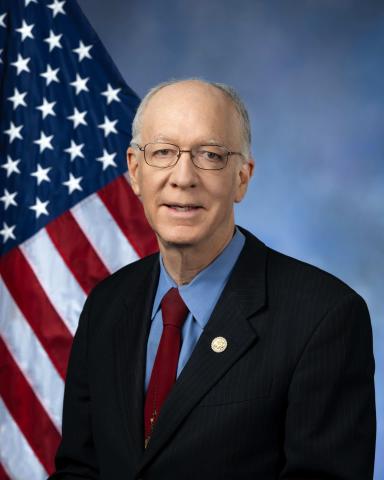
Rep. Bill Foster (IL-11) is a scientist and businessman who has served in Congress since 2013 (and from 2008–2011). As the only PhD physicist in Congress, he advocates for evidence-based policies and scientific research. He serves on the House Financial Services Committee and the Science, Space, and Technology Committee. He previously worked as a Fermilab physicist.
Magzhan Ilyassov
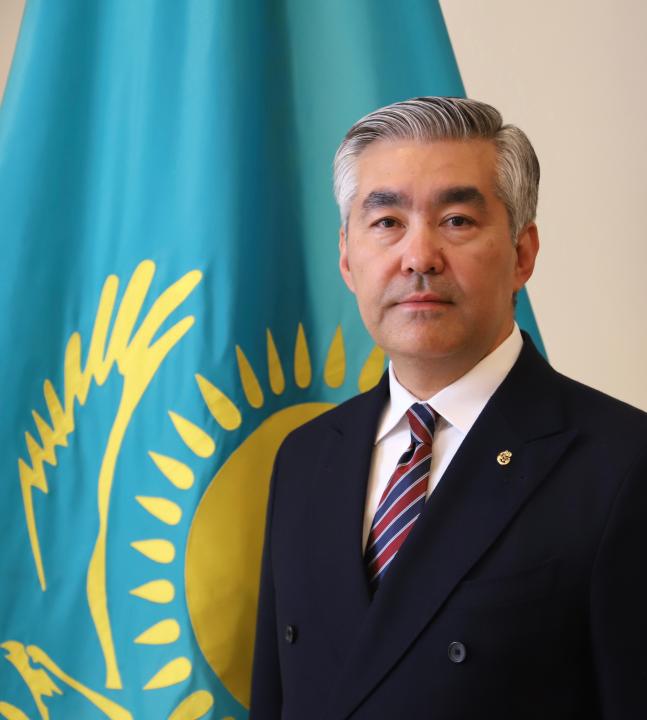
Magzhan Ilyassov is ambassador of the Republic of Kazakhstan to the United States of America.
Laura S. H. Holgate
Former U.S. Ambassador to the United Nations and International Atomic Energy Agency
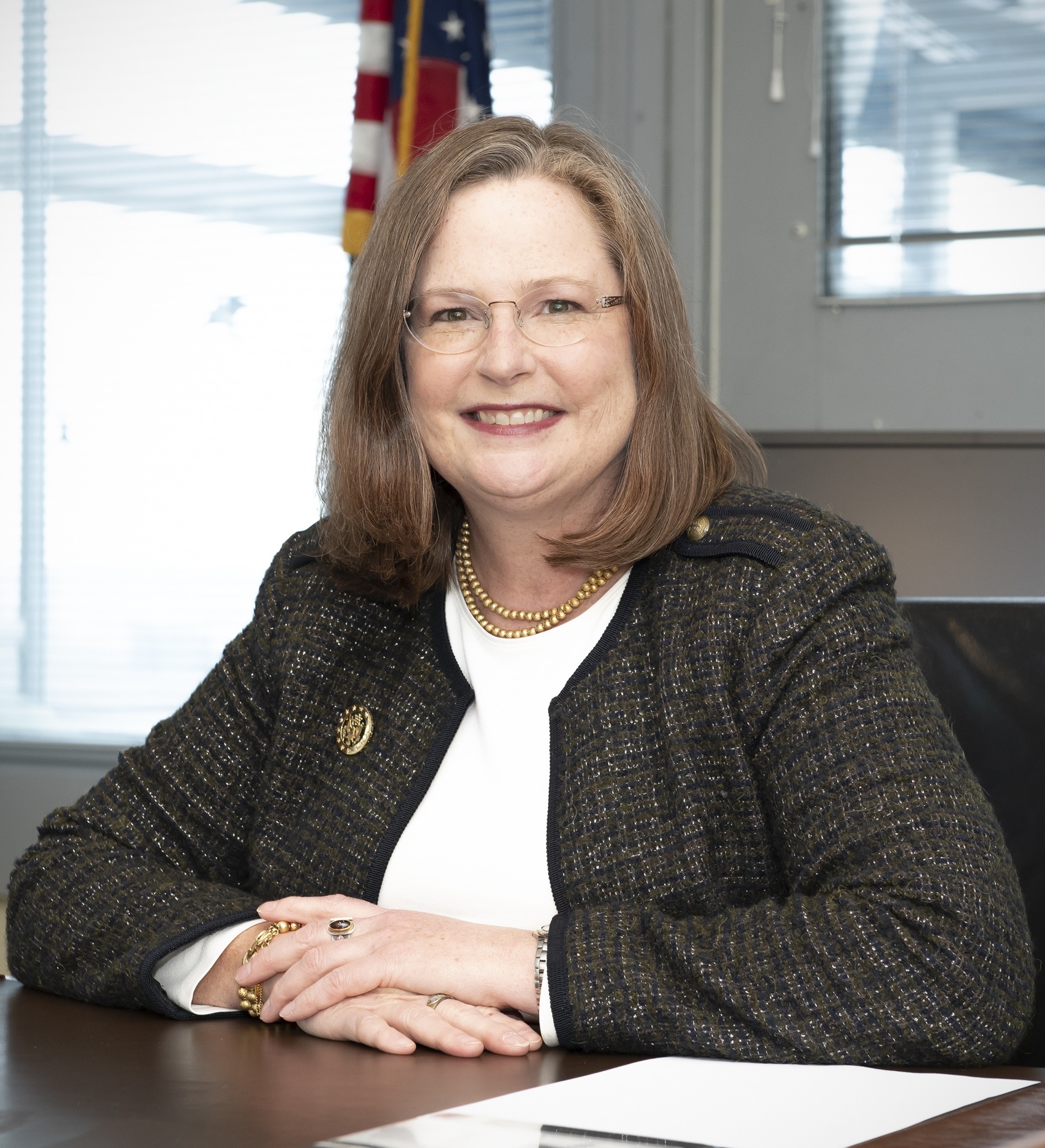
Laura S. H. Holgate, Ambassador (ret.), is President of LSHH International Advisors. She is an experienced national security leader and two-time ambassador to the International Atomic Energy Agency and other international organizations in Vienna, Austria, with a proven track record in reducing threats and managing risks from nuclear, biological, chemical, and radiological weapons and advocating for safe, secure nuclear energy.
Andrew Weber
Former Assistant Secretary of Defense for Nuclear, Chemical and Biological Defense Programs
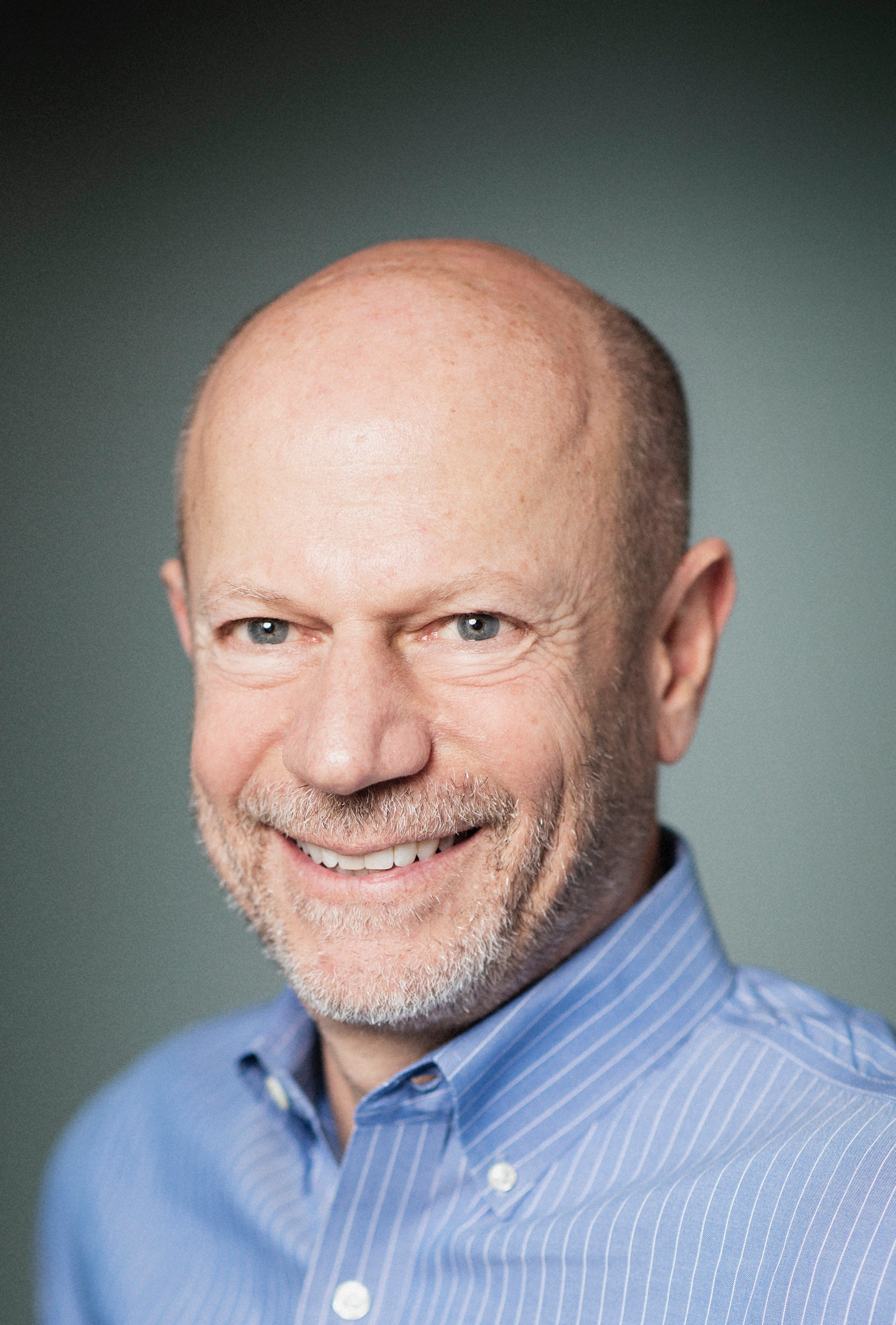
Andy Weber is a former Assistant Secretary of Defense for Nuclear, Chemical and Biological Defense Programs and a current senior fellow at the Council on Strategic Risks’ Janne E. Nolan Center on Strategic Weapons. Mr. Weber has dedicated his professional life to countering nuclear, chemical, and biological threats and to strengthening global health security.