

{
  "authors": [
    "James M. Acton",
    "Matthew Napoli"
  ],
  "type": "event",
  "centerAffiliationAll": "dc",
  "centers": [
    "Carnegie Endowment for International Peace"
  ],
  "englishNewsletterAll": "ctw",
  "nonEnglishNewsletterAll": "",
  "primaryCenter": "Carnegie Endowment for International Peace",
  "programAffiliation": "NPP",
  "programs": [
    "Nuclear Policy"
  ],
  "regions": [
    "United States"
  ],
  "topics": [
    "Nuclear Energy",
    "Arms Control",
    "Nuclear Policy",
    "Security",
    "Defense"
  ]
}
The Future of Defense Nuclear Nonproliferation: A Conversation with Dr. Matthew Napoli
Tue, October 20th, 2026
1:00 PM - 2:00 PM (EDT)
Washington, DC and Live Online
Invalid video URL
For more than 25 years, the National Nuclear Security Administration’s Office of Defense Nuclear Nonproliferation (DNN) has worked to protect the United States from nuclear proliferation and terrorism. Under the Trump administration, DNN is adapting that mission to an increasingly complex security environment by denying adversaries access to nuclear and radiological materials, technologies, and expertise; detecting proliferation and nuclear activities; and defeating attempts to smuggle or misuse dangerous materials. At the same time, DNN is helping advance U.S. energy dominance by enabling the secure expansion of American nuclear technology at home and abroad.
Join the Carnegie Endowment for a conversation with Dr. Matthew Napoli, deputy administrator for Defense Nuclear Nonproliferation, on the evolving nuclear threat environment, DNN’s deny, detect, defeat approach, and the role of nonproliferation in strengthening U.S. national security and American nuclear leadership. James Acton, co-director of Carnegie’s Nuclear Policy Program, will moderate the discussion before Dr. Napoli takes questions.
Carnegie does not take institutional positions on public policy issues; the views represented herein are those of the author(s) and do not necessarily reflect the views of Carnegie, its staff, or its trustees.
Event Speakers
Jessica T. Mathews Chair, Co-director, Nuclear Policy Program

Acton holds the Jessica T. Mathews Chair and is co-director of the Nuclear Policy Program at the Carnegie Endowment for International Peace.
Dr. Matthew Napoli
Deputy Administrator for Defense Nuclear Nonproliferation, National Nuclear Security Administration
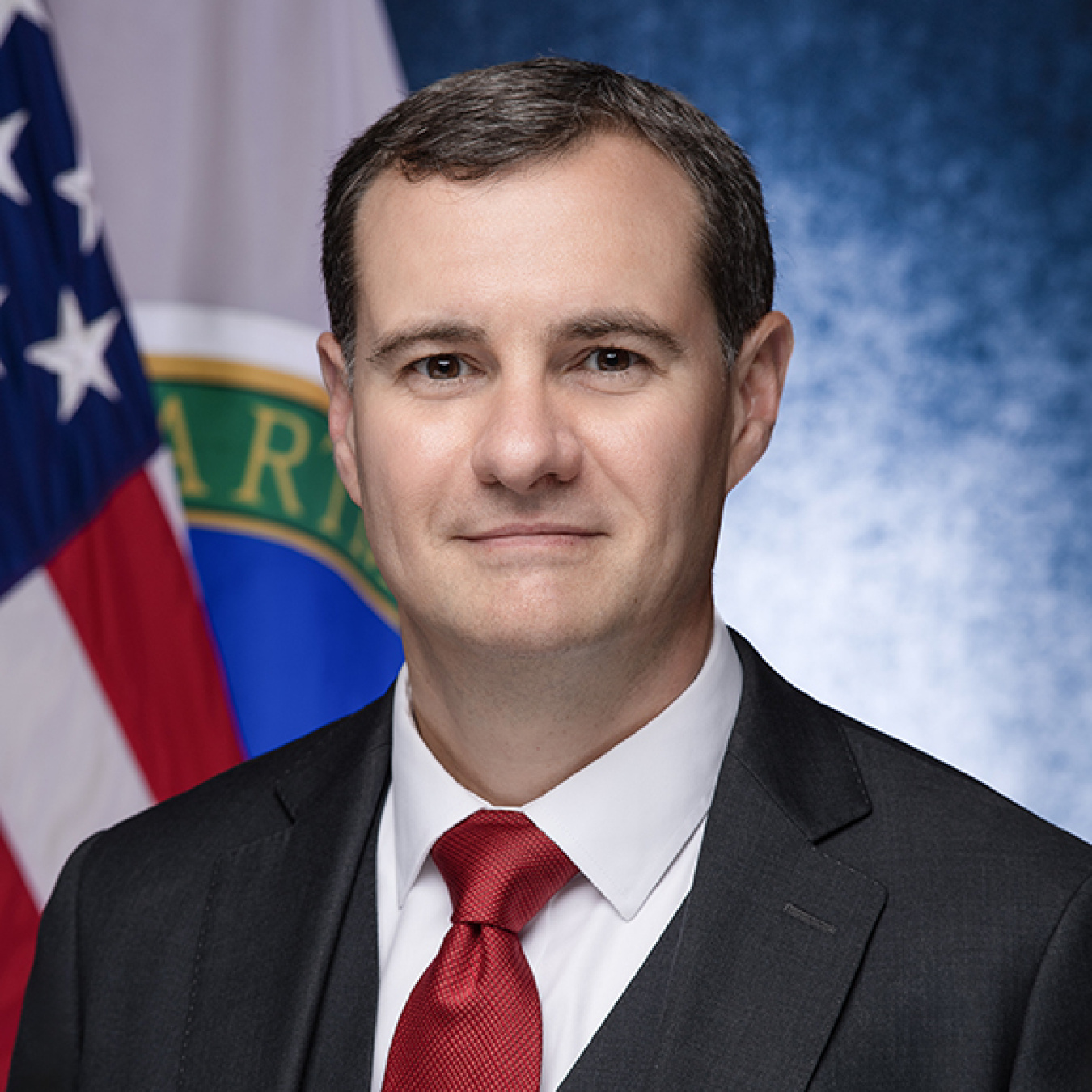
Dr. Matthew Napoli is the Deputy Administrator for Defense Nuclear Nonproliferation at the National Nuclear Security Administration. He previously led Foreign and Public Affairs for the U.S. Naval Nuclear Propulsion Program and served as a U.S. Navy officer focused on nuclear propulsion plant design. He holds engineering degrees from Louisiana Tech and the Naval Postgraduate School and a Ph.D. in public policy from George Washington University.