• Research
  • Emissary
  • About
  • Experts
Carnegie Global logoCarnegie lettermark logo
DemocracyIran
  • Donate
Podcast Episode

A Reappraisal of Indira Gandhi’s Life—and Legacy

Historian Srinath Raghavan joins Grand Tamasha this week to discuss the ever evolving legacy of India Gandhi, drawing on new findings surrounding her life and career he explores in his new book Indira Gandhi and the Years that Transformed India.

Link Copied
By Milan Vaishnav and Srinath Raghavan
Published on Jun 10, 2025

Subscribe on

Apple PodcastsOvercastSpotifyYoutube

Indira Gandhi’s ascent as prime minister of India in 1966 seems obvious with the benefit of hindsight, but it was entirely unforeseen at the time.

Within years—if not months—she emerged as one of the most powerful political leaders of her era—serving as prime minister for fifteen years, leaving behind a complex and deeply controversial legacy.

A new book by the historian Srinath Raghavan, Indira Gandhi and the Years that Transformed India, unpacks that legacy, uncovering fresh material that challenges much of the conventional wisdom we’ve accumulated over the years.

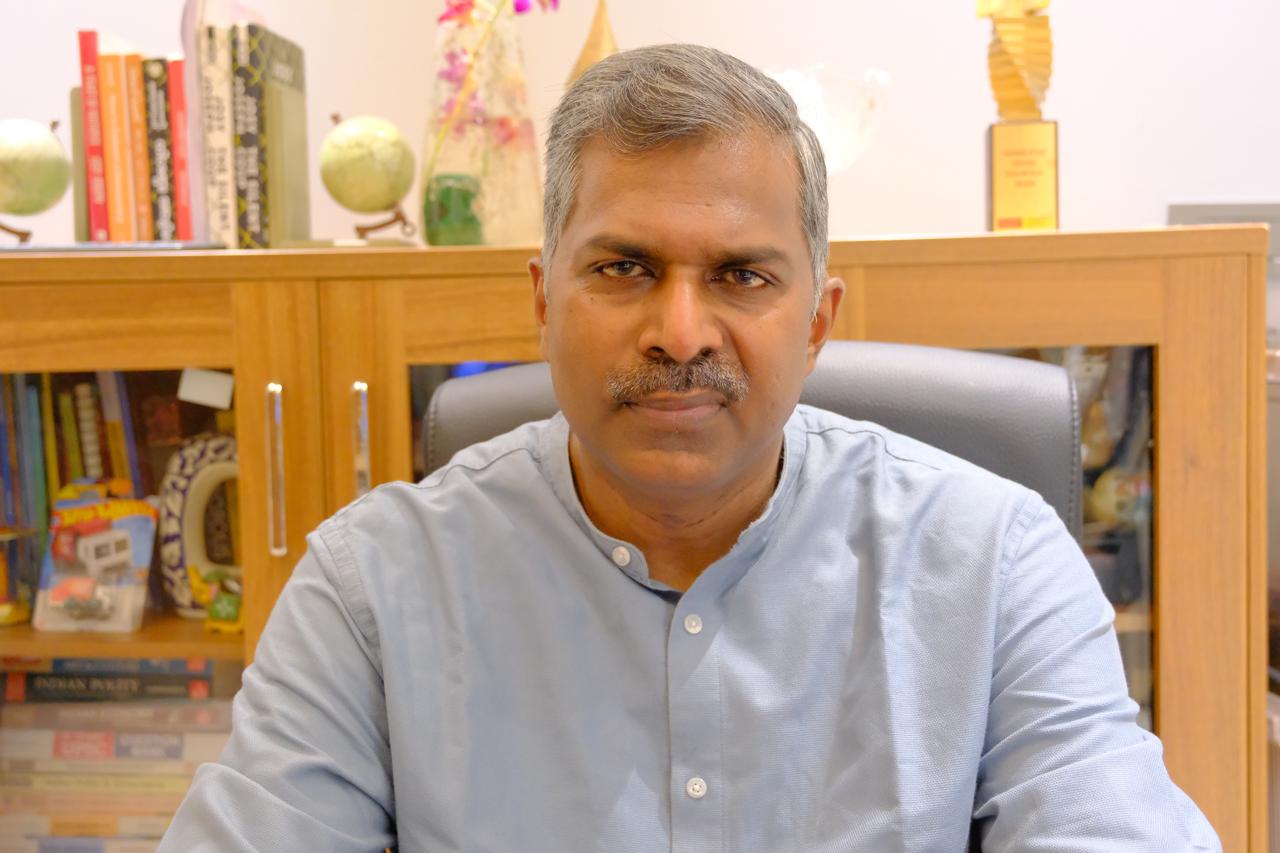
Srinath is professor of international relations and history at Ashoka University and nonresident scholar at Carnegie India. He is the author of several celebrated books, including India’s War: The Making of Modern South Asia and Fierce Enigmas: A History of the United States in South Asia.

He joins Milan on the show this week to discuss Gandhi’s unforeseen right to power, the daunting conditions which greeted her premiership, and her improvisatory leadership during the 1971 war. Plus, the two discuss Gandhi’s mixed economic legacy, the onset of the Emergency, and how our understanding of the “long 1970s” must be updated.

Episode notes:

1. Soutik Biswas, “The forgotten story of India's brush with presidential rule,” BBC News, June 9, 2025.

2. TCA Srinivasa Raghavan, “Indira Gandhi and the Years that Transformed India,” Hindu Business Line, May 27, 2025.

Hosted by

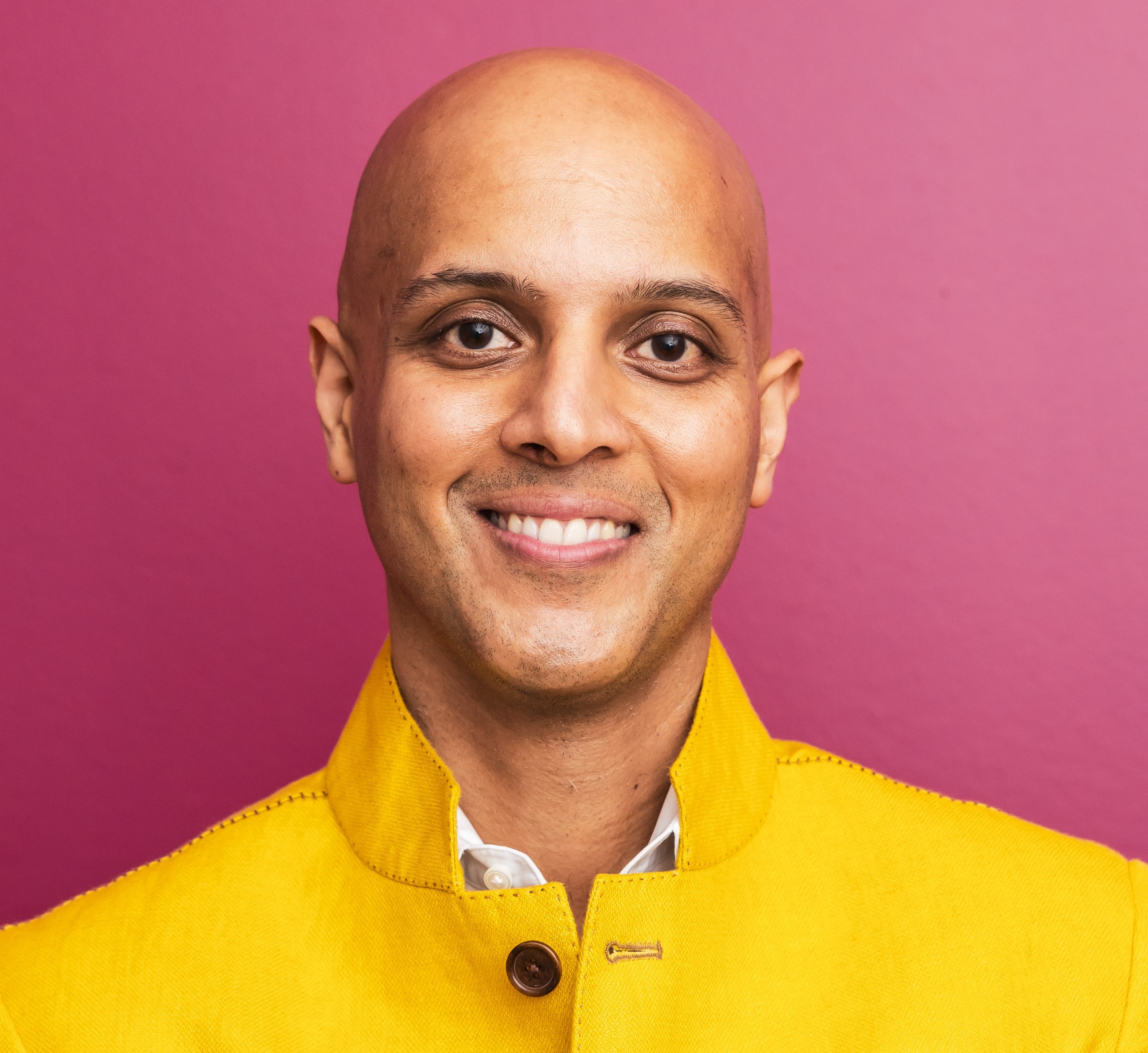
Milan Vaishnav
Director and Senior Fellow, South Asia Program
Milan Vaishnav

Featuring

Srinath Raghavan
Srinath Raghavan

Carnegie does not take institutional positions on public policy issues; the views represented herein are those of the author(s) and do not necessarily reflect the views of Carnegie, its staff, or its trustees.

More Work from Grand Tamasha

  • Podcast Episode
    Can India Thrive in Trump’s World?
      • +1

      Milan Vaishnav, Shoumitro Chatterjee, Sameer Lalwani, …

  • Podcast Episode
    Inside Washington: Ami Bera on Shifting U.S.–India Ties

    Over the past two decades, Washington and New Delhi have drawn steadily closer—driven by shared concerns about China, expanding economic ties, and a growing Indian diaspora in the United States. To help us unpack all of this, this week Milan spoke with Congressman Ami Bera in his office on Capitol Hill.

      • Ami Bera

      Milan Vaishnav, Ami Bera

  • Podcast Episode
    India’s AI Moment?

    Just weeks ago, India hosted the 2026 AI Impact Summit, the latest chapter in a global process that began in 2023 in the UK. For the Modi government, the summit was part diplomatic showcase, part investment pitch, and part declaration of ambition. To talk more about the summit and its key takeaways, Milan is joined on the show this week by Anirudh Suri, a nonresident scholar with Carnegie India.

      Milan Vaishnav, Anirudh Suri

  • Podcast Episode
    Populism and the Politics of India’s Foreign Policy

    We tend to think of populist leaders around the world as disruptive. But a new book by scholars Sandra Destradi and Johannes Plagemann argues that the extent of change depends on key factors. Milan and Sandra discuss the definitional debates around populism, the conditional effects of populism on foreign policy, and the reasons for the Modi government’s differential approach to Pakistan and China.

      Milan Vaishnav, Sandra Destradi

  • Podcast Episode
    Europe’s Discovery of India

    Over the past year, Europe–India relations have entered a markedly upbeat phase. What was once a diffuse partnership now looks far more purposeful. To unpack what’s driving this convergence Milan is joined on the show this week by German Marshall Fund senior fellow Garima Mohan to discuss the geopolitical drivers that are bringing the EU and India closer together, Europe’s views on the limits to India’s potential, and the key takeaways from the EU-India FTA.

      Milan Vaishnav, Garima Mohan

Get more news and analysis from
Carnegie Endowment for International Peace
Carnegie global logo, stacked
1779 Massachusetts Avenue NWWashington, DC, 20036-2103Phone: 202 483 7600Fax: 202 483 1840
  • Research
  • Emissary
  • About
  • Experts
  • Donate
  • Programs
  • Events
  • Blogs
  • Podcasts
  • Contact
  • Annual Reports
  • Careers
  • Privacy
  • For Media
  • Government Resources
Get more news and analysis from
Carnegie Endowment for International Peace
© 2026 Carnegie Endowment for International Peace. All rights reserved.