

Podcast Episode
Milan is joined on the podcast this week by Jacob Poushter, the lead author of recent Pew report titled, “India and Pakistan: Rivals with Divergent Views of the Global Order.”
Milan Vaishnav, Jacob Poushter
Poonam Muttreja, a prominent advocate for women's health and reproductive rights, joins Milan Vaishnav this week to debunk myths surrounding India's overpopulation and conspiracy theories on the country's changing religious demographics.
There is hardly a day that goes by when the subject of India’s demographics is not front and center in the news.
Whether it is India surpassing China as the world’s most populous country, questions about how the Indian economy can provide enough jobs for a growing workforce, or how population should be used to allocate everything from legislative seats to fiscal transfers, demographics are at the heart of many debates surrounding India’s political economy.
To talk about India’s demographics and its demographic transition, Milan is joined on the show this week by Poonam Muttreja, who serves as the Executive Director of the Population Foundation of India.
For over 40 years, she has been a strong advocate for women’s health, reproductive and sexual rights, and rural livelihoods. Before joining PFI, she served as the India Country Director of the John D. and Catherine T. MacArthur Foundation for 15 years.
Poonam and Milan discuss the myths of overpopulation, India’s fertility decline, and conspiracy theories around India’s changing religious demographics. Plus, the two discuss male participation in family planning and what government should (and should not) do to manage India’s demographics.
Episode notes:
Carnegie does not take institutional positions on public policy issues; the views represented herein are those of the author(s) and do not necessarily reflect the views of Carnegie, its staff, or its trustees.

Milan is joined on the podcast this week by Jacob Poushter, the lead author of recent Pew report titled, “India and Pakistan: Rivals with Divergent Views of the Global Order.”


Milan Vaishnav, Jacob Poushter
This week, Milan, Sadanand Dhume, and Tanvi Madan discuss the political fall-out of this summer’s Gen Z protests, the political future of the Cockroach Janata Party (CJP), and the churn within the ruling Bharatiya Janata Party (BJP).

Milan Vaishnav, Sadanand Dhume, Tanvi Madan
Josy Joseph joins Milan on the podcast this week to talk about his best-selling new book, The Birth of a Nation: Twenty-One Days That Changed India, which reconstructs the dramatic three weeks leading up to August 15, 1947.
Milan Vaishnav, Josy Joseph
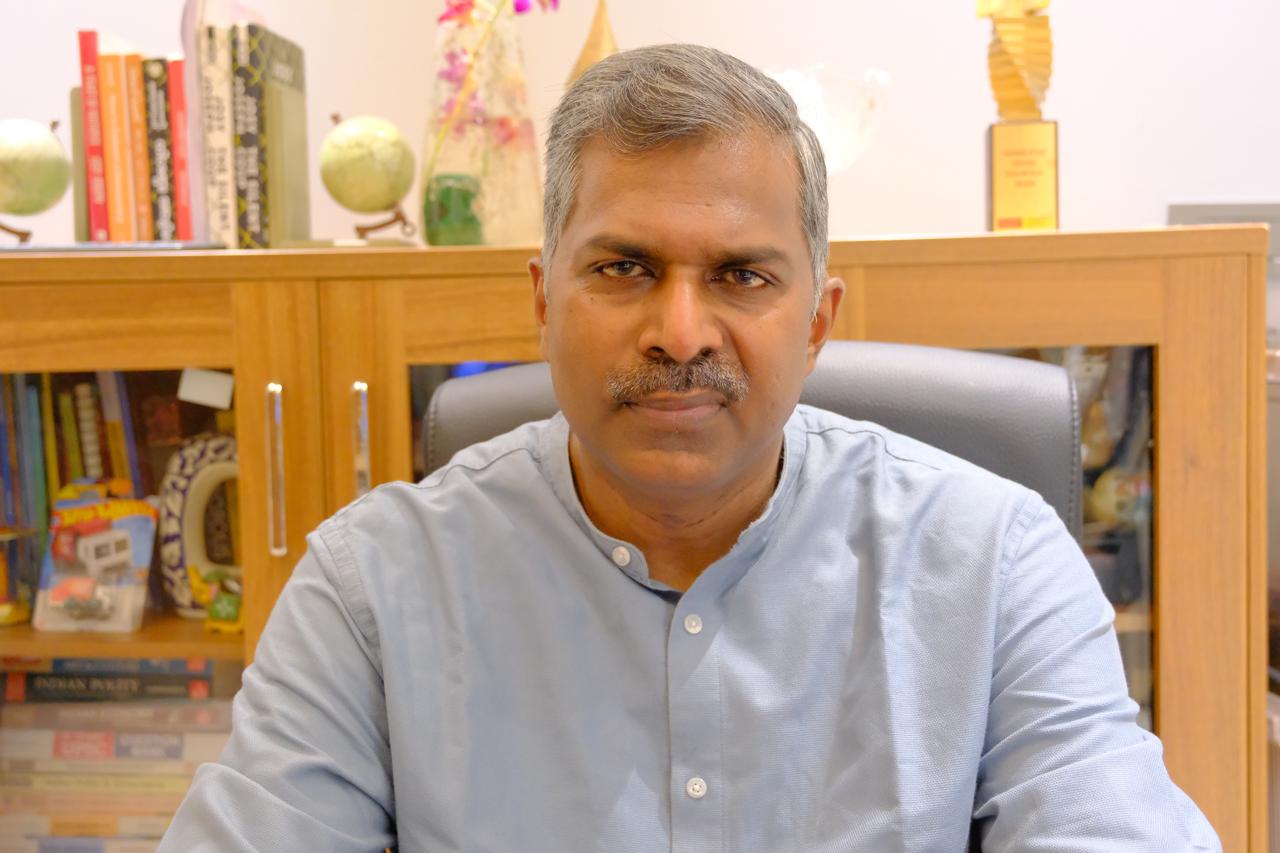
Vidya Mahambare joins Milan on the Season 16 premiere of Grand Tamasha to discuss the economic drivers of the Gen Z protests, the link between unemployment and education, and the futility of the manufacturing versus services debate.

Milan Vaishnav, Vidya Mahambare
This week, Rahul Sagar join Milan to discuss his new book The Birth of Indian Liberalism: Mama Parmanand’s Letters to an Indian Raja, which uncovers an older tradition of Indian liberal thought through a remarkable work first published in 1891 and then largely forgotten for more than a century.
Milan Vaishnav, Rahul Sagar