• Research
  • Emissary
  • About
  • Experts
Carnegie Global logoCarnegie lettermark logo
Democracy
  • Donate
Podcast Episode

How This India-Pakistan Conflict Will Shape the Next One

Scholar Joshua White joins Milan this week to analyze the aftermath of the India-Pakistan conflict and what lessons it presents for the future of these rivals' relationship.

Link Copied
By Milan Vaishnav and Joshua White
Published on May 20, 2025

Subscribe on

Apple PodcastsOvercastSpotifyYoutube

At this point, you’ve probably read 1,001 post-mortem analyses of the India-Pakistan conflict, desperately searching for some new nugget or data point that helps you understand this brief, but intense clash between these two South Asian rivals.

In this sea of hot takes, one essay stands out both for its analytical clarity and its wisdom. That piece was written by the scholar Joshua T. White and it’s simply titled, “Lessons for the next India-Pakistan war.”

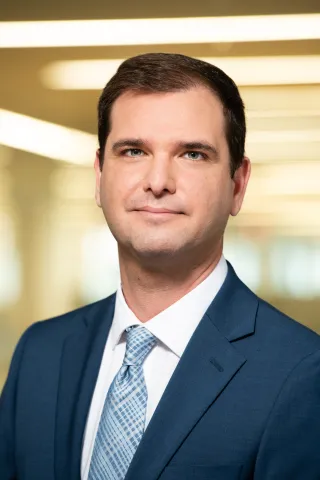
It was published by the Brookings Institution, where Josh is a non-resident fellow with the Foreign Policy program. Josh is also professor of the practice of international affairs at The Johns Hopkins University School of Advanced International Studies (SAIS) in Washington, D.C.

Josh has served at the White House as senior advisor and director for South Asian affairs at the National Security Council. And he’s also worked at the Pentagon, where he helped get the U.S.-India Defense Technology and Trade Initiative off the ground.

To talk more about his piece and the recent conflict, Josh rejoins Milan on the podcast this week. He and Milan discuss how the global debate on “attribution” has tilted decisively in India’s favor, troubling new precedents about military target selection, the depth of Pakistani information operations, and the widespread use of drones and unmanned aerial vehicles in the recent conflict. Plus, the two preview Josh’s forthcoming book, Vigilante Islamists: Religious Parties and Anti-State Violence in Pakistan.

Episode notes: 

1. Joshua T. White, “Lessons for the next India-Pakistan war,” Brookings Institution, May 14, 2025.

2. “Operation Sindoor and South Asia’s Uncertain Future (with Christopher Clary),” Grand Tamasha, May 14, 2025.

3. “US views of India-China ties and their impact on the US-India partnership (with Lisa Curtis, Joshua T. White, and Tanvi Madan),” Brookings “Global India” podcast, February 7, 2024.

4. “U.S.-India Ties After the ‘2+2’ Summit (with Joshua White),” Grand Tamasha, April 27, 2022.

Hosted by

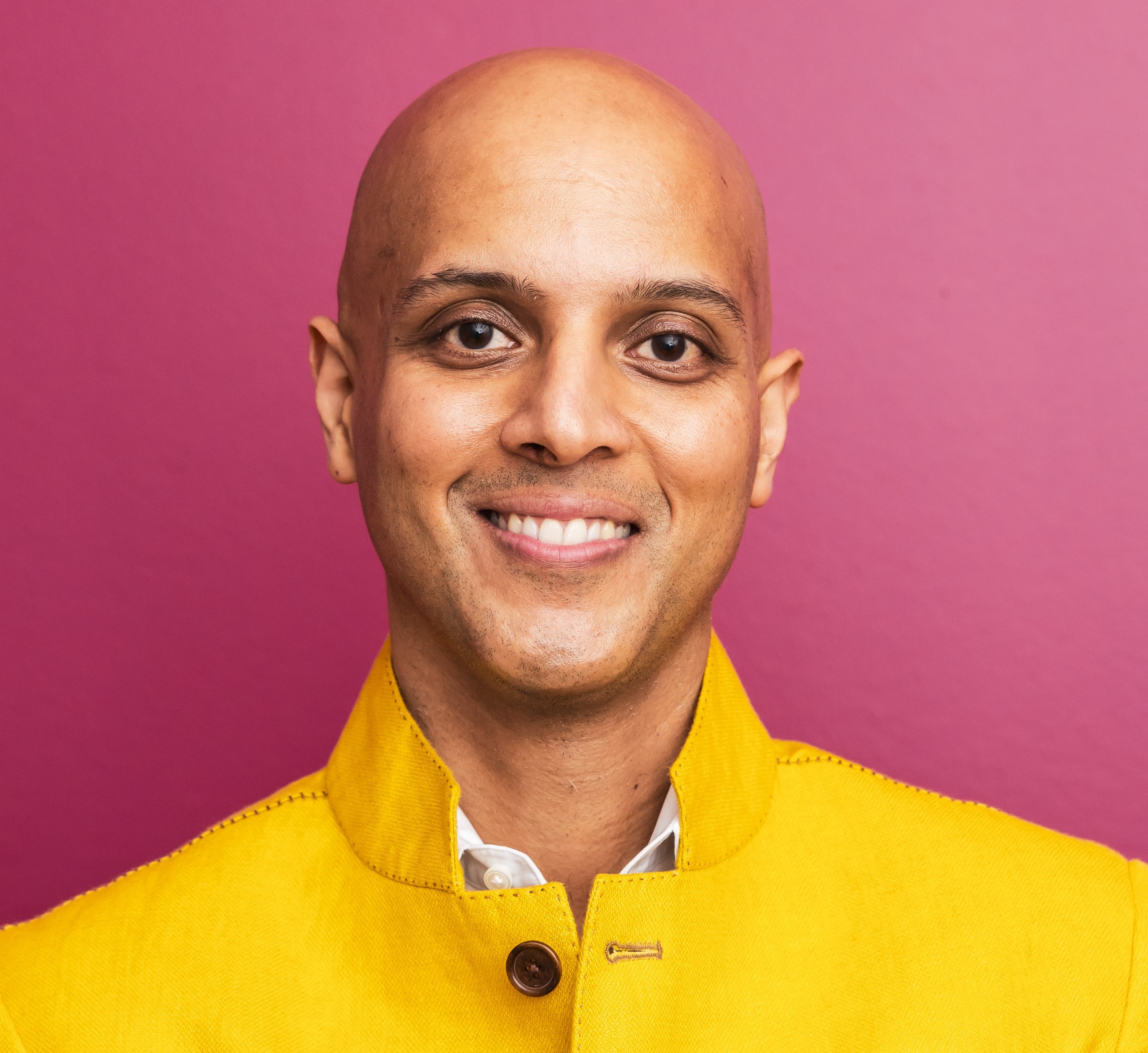
Milan Vaishnav
Director and Senior Fellow, South Asia Program
Milan Vaishnav

Featuring

Joshua White

Carnegie does not take institutional positions on public policy issues; the views represented herein are those of the author(s) and do not necessarily reflect the views of Carnegie, its staff, or its trustees.

More Work from Grand Tamasha

  • Podcast Episode
    Europe’s Discovery of India

    Over the past year, Europe–India relations have entered a markedly upbeat phase. What was once a diffuse partnership now looks far more purposeful. To unpack what’s driving this convergence Milan is joined on the show this week by German Marshall Fund senior fellow Garima Mohan to discuss the geopolitical drivers that are bringing the EU and India closer together, Europe’s views on the limits to India’s potential, and the key takeaways from the EU-India FTA.

      Milan Vaishnav, Garima Mohan

  • Podcast Episode
    India’s Return to the Trade Game

    After years of trade skepticism, India appears to be back in the deal-making business—signing new agreements, reviving stalled talks, and announcing ambitious frameworks with key bilateral partners. To help make sense of what’s changed—and what hasn’t—Milan is joined by Mark Linscott, a nonresident senior fellow on India at the Atlantic Council who previously served as the assistant US trade representative for South and Central Asian Affairs from 2016 to 2018.

      • Mark Linscott

      Milan Vaishnav, Mark Linscott

  • Podcast Episode
    How India Lost the Neighborhood

    Over the past few years, South Asia has witnessed a striking wave of mass protests toppling governments and upending long-standing political arrangements in countries ranging from Bangladesh to Nepal and Sri Lanka. University of Pennsylvania Fellow Muhib Rahman joins Milan to discuss India’s illiberal hegemony in its neighborhood, the downturn in Bangladesh-India ties, and the enabling role of the United States.

      Milan Vaishnav, Muhib Rahman

  • Podcast Episode
    Can the U.S. Salvage Its Relationship with India?

    U.S.-India relations were once described as one of Washington’s MOST important strategic bets in the twenty-first century. But over the past year, that partnership has come under serious strain—buffeted by trade disputes, sharp rhetoric, and deep disagreements over Pakistan and Kashmir. Lisa Curtis joins Milan for a conversation on India’s relationship with the U.S.

      Milan Vaishnav, Lisa Curtis

  • Podcast Episode
    The State of Indian Politics in 2026

    Milan and Sunetra discuss the prevailing political winds in Delhi, the BJP’s surprising new president, and the long shadow of the 2025 Bihar assembly elections. Plus, the two discuss the upcoming state elections, the inner turmoil within the Congress Party, and the ECI’s controversial “special intensive review.”

      • Sunetra Choudhury

      Milan Vaishnav, Sunetra Choudhury

Get more news and analysis from
Carnegie Endowment for International Peace
Carnegie global logo, stacked
1779 Massachusetts Avenue NWWashington, DC, 20036-2103Phone: 202 483 7600Fax: 202 483 1840
  • Research
  • Emissary
  • About
  • Experts
  • Donate
  • Programs
  • Events
  • Blogs
  • Podcasts
  • Contact
  • Annual Reports
  • Careers
  • Privacy
  • For Media
  • Government Resources
Get more news and analysis from
Carnegie Endowment for International Peace
© 2026 Carnegie Endowment for International Peace. All rights reserved.