• Research
  • Emissary
  • About
  • Experts
Carnegie Global logoCarnegie lettermark logo
DemocracyIran
  • Donate
Podcast Episode

Making 'Make In India' Come Alive

Trinh Nguyen joins Milan Vaishnav to discuss the steps that the third Modi government must take in response to the country's broader economic challenges.

Link Copied
By Milan Vaishnav and Trinh Nguyen
Published on Jun 11, 2024

Subscribe on

Apple PodcastsOvercastSpotifyYoutube

On Sunday night, India’s new National Democratic Alliance (NDA) government was sworn into office, with Prime Minister Narendra Modi at its helm once more.

We have a new group of Bharatiya Janata Party (BJP) allies, a new group of ministers, and a new look in terms of how the Modi government will function in its third term. However, the economic challenges the new government faces are quite old.

Many experts believe that concerns about inflation, jobs, and lack of upward mobility dented the BJP’s electoral prospects in the recent general election. To talk about the Indian economy and the steps the new government must take, Milan is joined on the show this week by Trinh Nguyen.

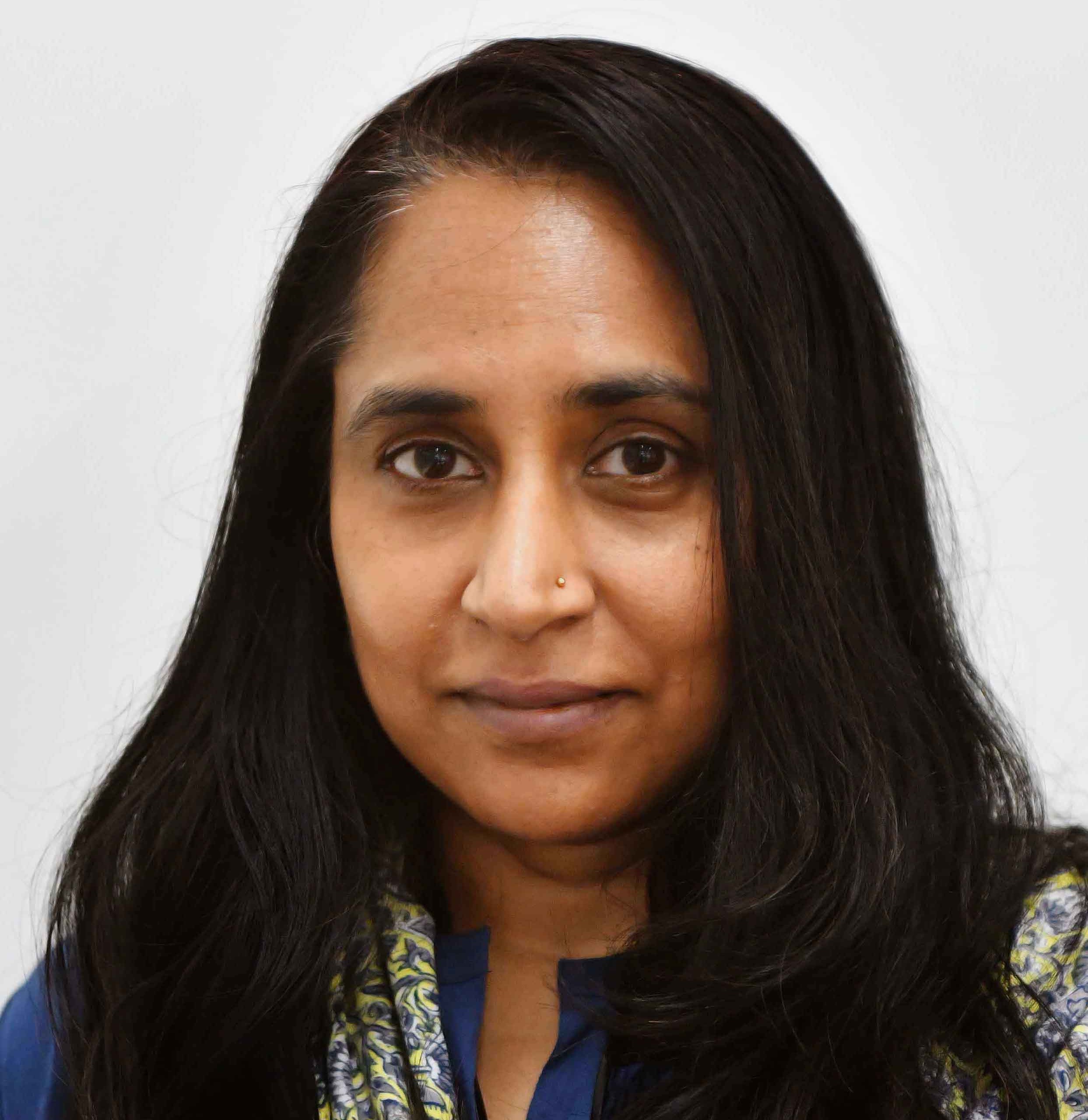
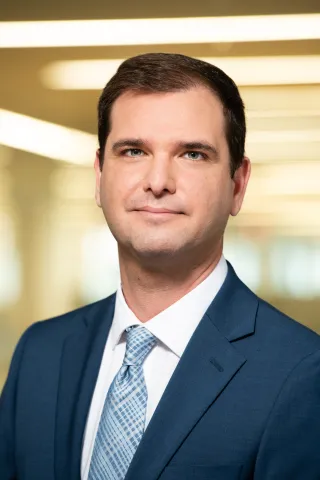
Trinh is a senior economist covering emerging Asia at Natixis, based in Hong Kong, where she surveys economic trends across Asia, including in India. She previously worked at HSBC as an ASEAN economist from 2011 to 2015. She is also a nonresident scholar in the Asia Program at the Carnegie Endowment for International Peace.

Trinh and Milan discuss the market reaction to the surprise 2024 election result, the key vulnerabilities for the Indian economy, and how India is performing relative to its Asian peers. Plus, the two discuss India’s ability to leverage the “China+1” moment, the recent slump in foreign direct investment (FDI), and whether coalition government spells doom for reforms.

Episode notes:

  1. “Political Earthquakes: Key 2024 Elections in Emerging Markets and What it Means for Growth and Reforms,” Natixis, June 4, 2024.
  2. Trinh Nguyen, Kelly Wang, and Diana Zhao, “Lower current account deficit shields India from external shocks and future success hinges on sustaining it,” Natixis, May 29, 2024.
  3. Trinh Nyugen and Kelly Wang, “Modi Drove Growth with Public Investment, Supported by Higher Fiscal Revenue; Foreign Inflows Should Help with Funding Pressure,” Natixis, April 12, 2024.
  4. Trinh Nguyen and Kelly Wang, “India's Womenomics? Modi’s Decade of Formalisation of Jobs Marches Forward,” Natixis, March 8, 2024.
  5. “How India's Economy Can Break the Mold (with Rohit Lamba),” Grand Tamasha, May 15, 2024.
  6. “The Great Indian Poverty—and Inequality—​Debate (with Maitreesh Ghatak),” Grand Tamasha, April 24, 2024.
  7. “Decoding the Indian Economy (with Pranjul Bhandari),” Grand Tamasha, April 3, 2024.

Hosted by

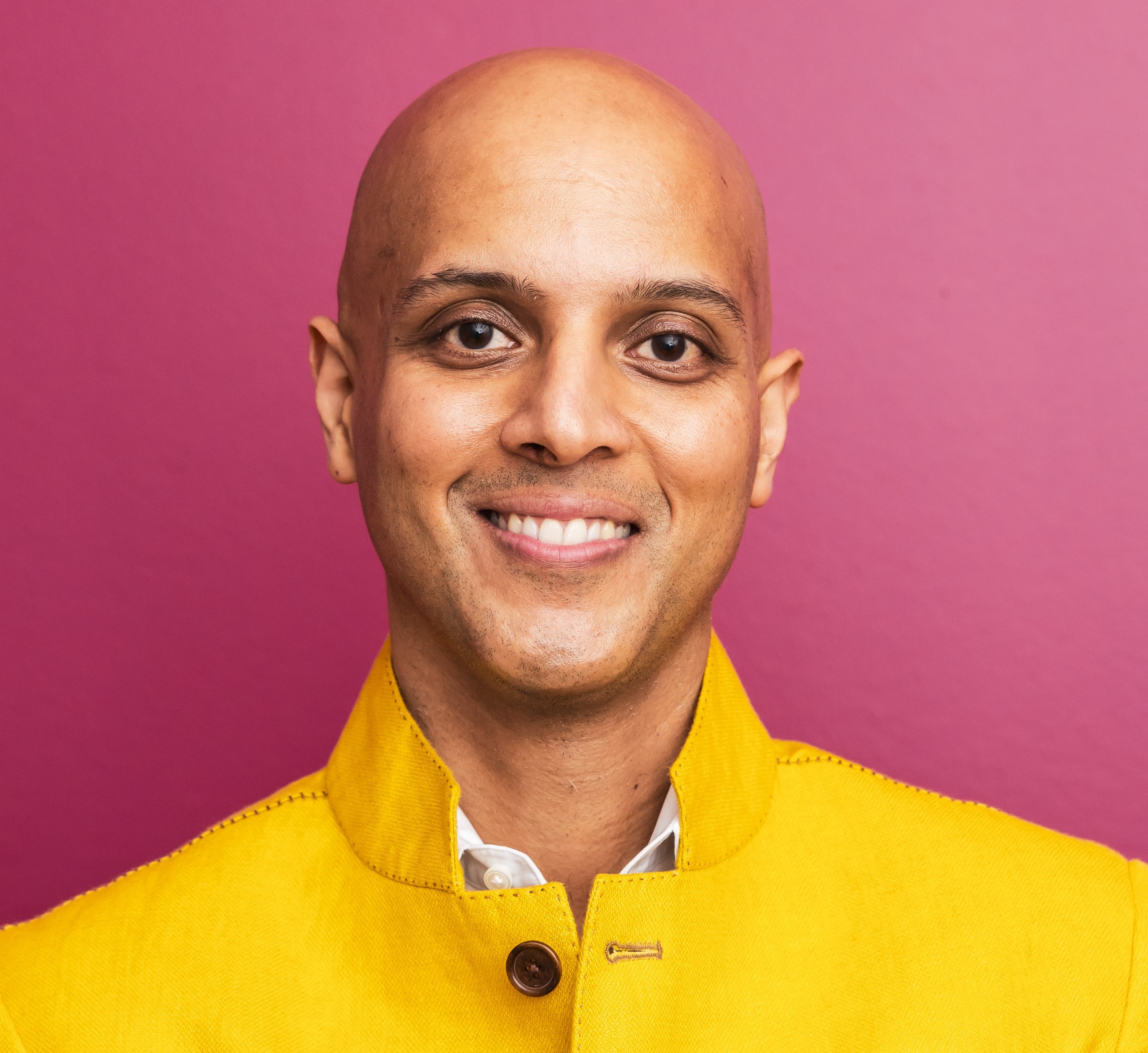
Milan Vaishnav
Director and Senior Fellow, South Asia Program
Milan Vaishnav

Featuring

Trinh Nguyen
Former Nonresident Scholar, Asia Program
Trinh Nguyen

Carnegie does not take institutional positions on public policy issues; the views represented herein are those of the author(s) and do not necessarily reflect the views of Carnegie, its staff, or its trustees.

More Work from Grand Tamasha

  • Podcast Episode
    Whose Constitution Is It Anyway?

    This week, Rohit De and Ornit Shani join Milan to discuss their new book Assembling India’s Constitution: A New Democratic History. Drawing on a remarkable range of archival material, the book shows that constitution-making was not confined to the halls of the Constituent Assembly alone.

      Milan Vaishnav, Ornit Shani, Rohit De

  • Podcast Episode
    The Dark Side of the H-1B Dream

    Milan Vaishnav and Tanul Thakur discuss Tanul's new book "Wild Wild East: Exiled Americans, Enslaved Indians and the Systemic Abuse of the H-1B Visa Programme." 

      Milan Vaishnav, Tanul Thakur

  • Podcast Episode
    What Do Indians Think About the World?

    Discussing their new short book, Indian Public Opinion toward the Major Powers, Paul Staniland, and Aidan Milliff join Milan Vaishnav to discuss the treasure trove of data on Indian public opinion they stumbled upon, the characteristics of India’s “foreign policy public,” and the variation in Indian attitudes toward the United States, China, and Russia/the Soviet Union. Plus, the discuss why a respondent’s region emerges as a strong predictor of one’s foreign policy views.

      Milan Vaishnav, Paul Staniland, Aidan Milliff

  • Podcast Episode
    India’s Nordic Connection

    Host Milan Vaishnav and Ambassador May-Elin Stener discuss the outcomes of the India-Nordic summit, the Trade and Economic Partnership Agreement (TEPA), and the green technology partnership Norway envisions with India.

      Milan Vaishnav, May-Elin Stener

  • Podcast Episode
    BJP Ascendant at Home, Tested Abroad

    Milan Vaishnav, Sadanand Dhume, and Tanvi Madan discuss whether India is becoming a “one-party state,” the current state of the opposition, and the headwinds facing the Indian economy. Plus, the three discuss Pakistan’s diplomatic moment, Trump’s recent China trip, and Marco Rubio’s visit to India.

      Milan Vaishnav, Tanvi Madan, Sadanand Dhume

Get more news and analysis from
Carnegie Endowment for International Peace
Carnegie global logo, stacked
1779 Massachusetts Avenue NWWashington, DC, 20036-2103Phone: 202 483 7600
  • Research
  • Emissary
  • About
  • Experts
  • Donate
  • Programs
  • Events
  • Blogs
  • Podcasts
  • Contact
  • Annual Reports
  • Careers
  • Privacy
  • For Media
  • Government Resources
Get more news and analysis from
Carnegie Endowment for International Peace
© 2026 Carnegie Endowment for International Peace. All rights reserved.