• Research
  • Emissary
  • About
  • Experts
Carnegie Global logoCarnegie lettermark logo
DemocracyIran
  • Donate
Podcast Episode

Muslims in the New India

Milan welcomes scholar Hilal Ahmed joins the show to discuss his new book, "A Brief History of the Present: Muslims in New India," a nuanced perspective on India's Muslim community using political science, theory, and history.

Link Copied
By Milan Vaishnav and Hilal Ahmed
Published on Dec 3, 2024

Subscribe on

Apple PodcastsOvercastSpotifyYoutube

The discourse in India today on the issue of the Muslim community seems to swing between two contrary positions.

According to the Hindu nationalist narrative, Muslims are a monolithic religious category whose presence justifies the need for greater Hindu solidarity. On the other hand, there is the narrative offered by liberals, who claim to protect Muslims as a religious minority to defend Indian democracy.

A new book by the scholar Hilal Ahmed, A Brief History of the Present: Muslims in New India, departs from these unidimensional notions of Muslim identity. It applies concepts from political science, history, and political theory to provide a much more nuanced view of India’s Muslim community.

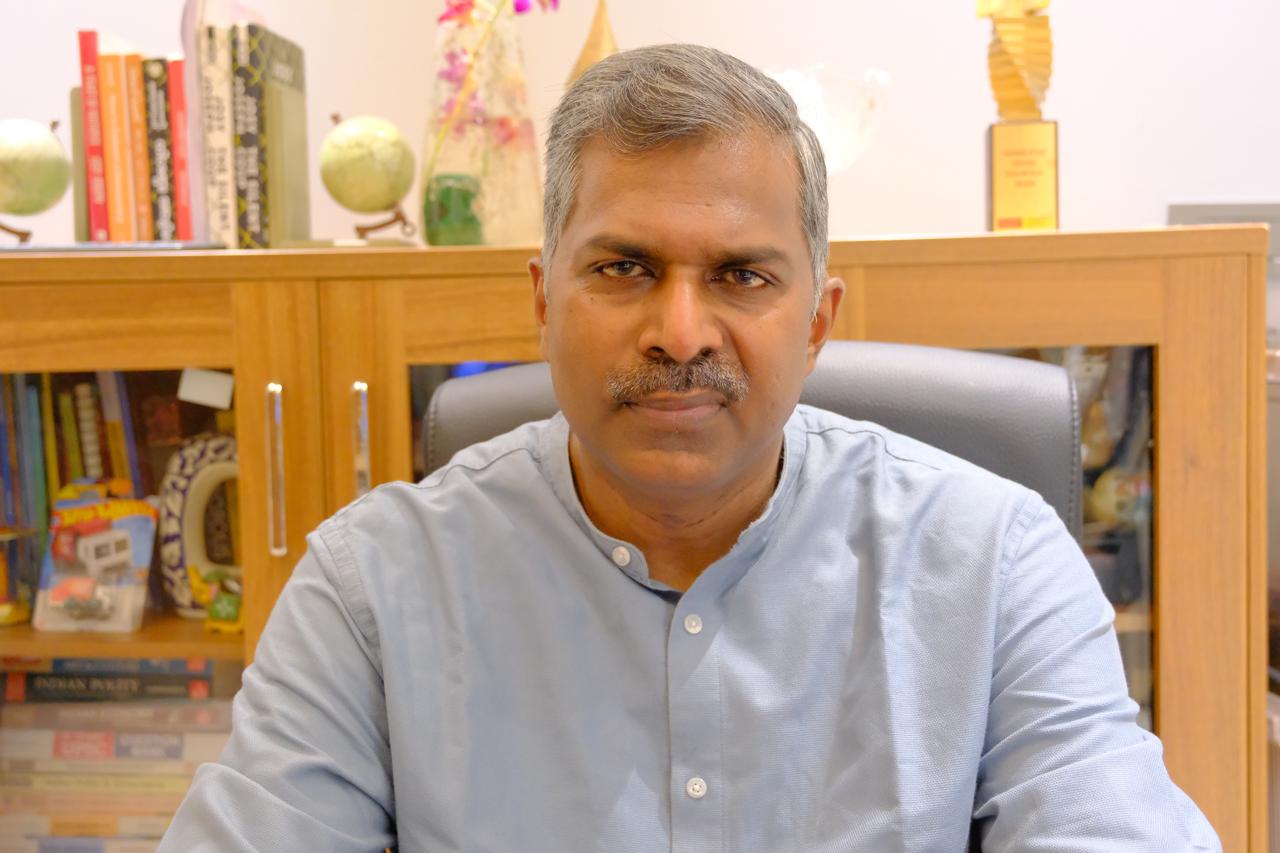
Ahmed is an associate professor at the Centre for the Study of Developing Societies (CSDS), where he is also associated with the Lokniti Programme for Comparative Democracy. He is an authority on political Islam, electoral behavior, and Indian democracy.

Ahmed joins Milan on the show this week to talk about “substantive Muslimness,” the meaning of Hindutva, and what exactly is new if the “new India.” Plus, the two discuss the state of the political opposition and the BJP’s vulnerabilities.

Episode notes:             

1. “Identifying the New India (with Rahul Bhatia),” Grand Tamasha, September 25, 2024.

2. “What Really Happened in India's 2024 General Election? (with Sanjay Kumar),” Grand Tamasha, September 18, 2024.

3. Hilal Ahmed, “CSDS-Lokniti post-poll survey: The three main takeaways,” Hindu, June 7, 2024.

4. “Decoding the 2024 Indian General Elections (with Sunetra Choudhury and Rahul Verma),” Grand Tamasha, June 6, 2024.

5. “Neha Sahgal on Religion and Identity in Contemporary India,” Grand Tamasha, June 30, 2021.

Hosted by

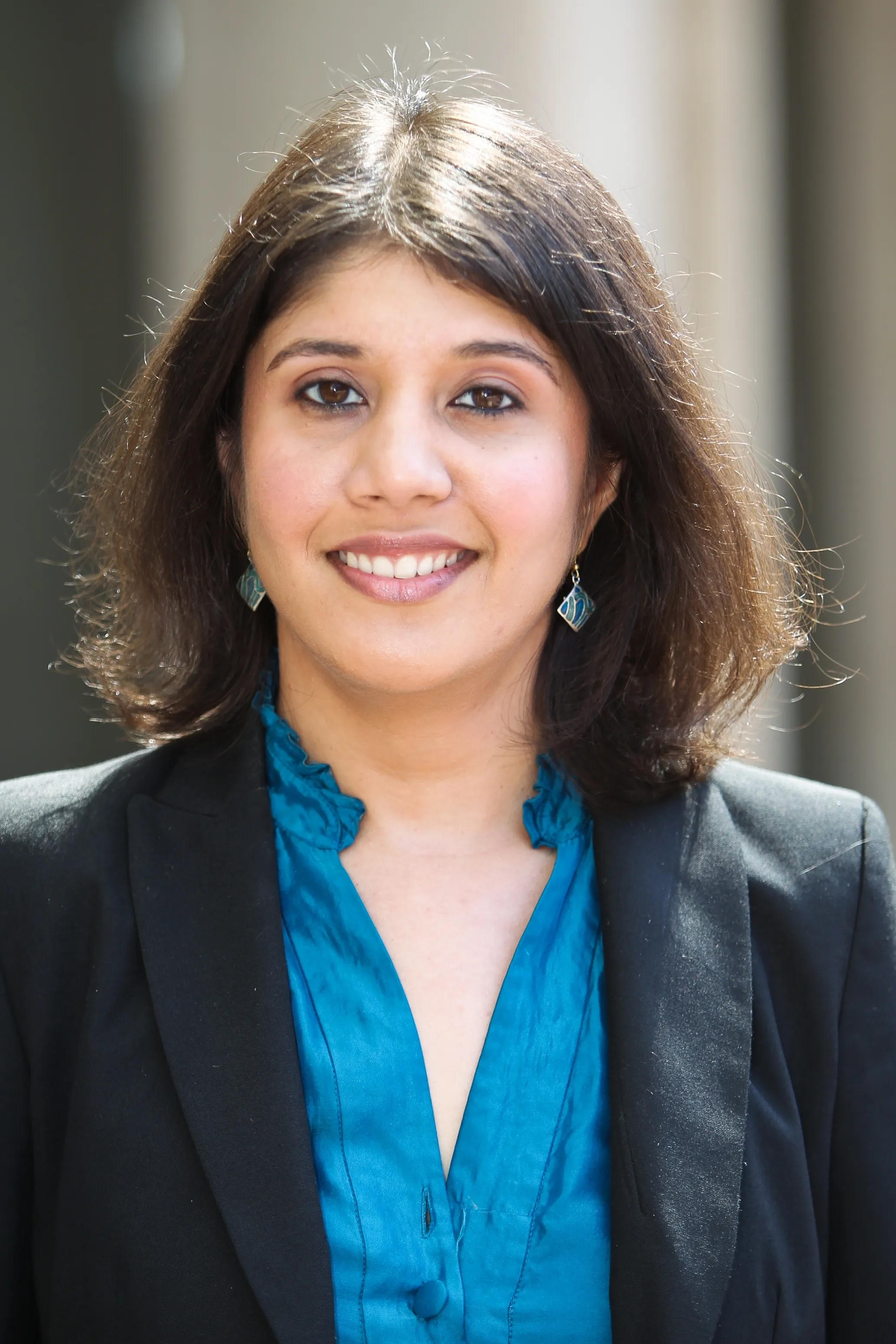
Milan Vaishnav
Director and Senior Fellow, South Asia Program
Milan Vaishnav

Featuring

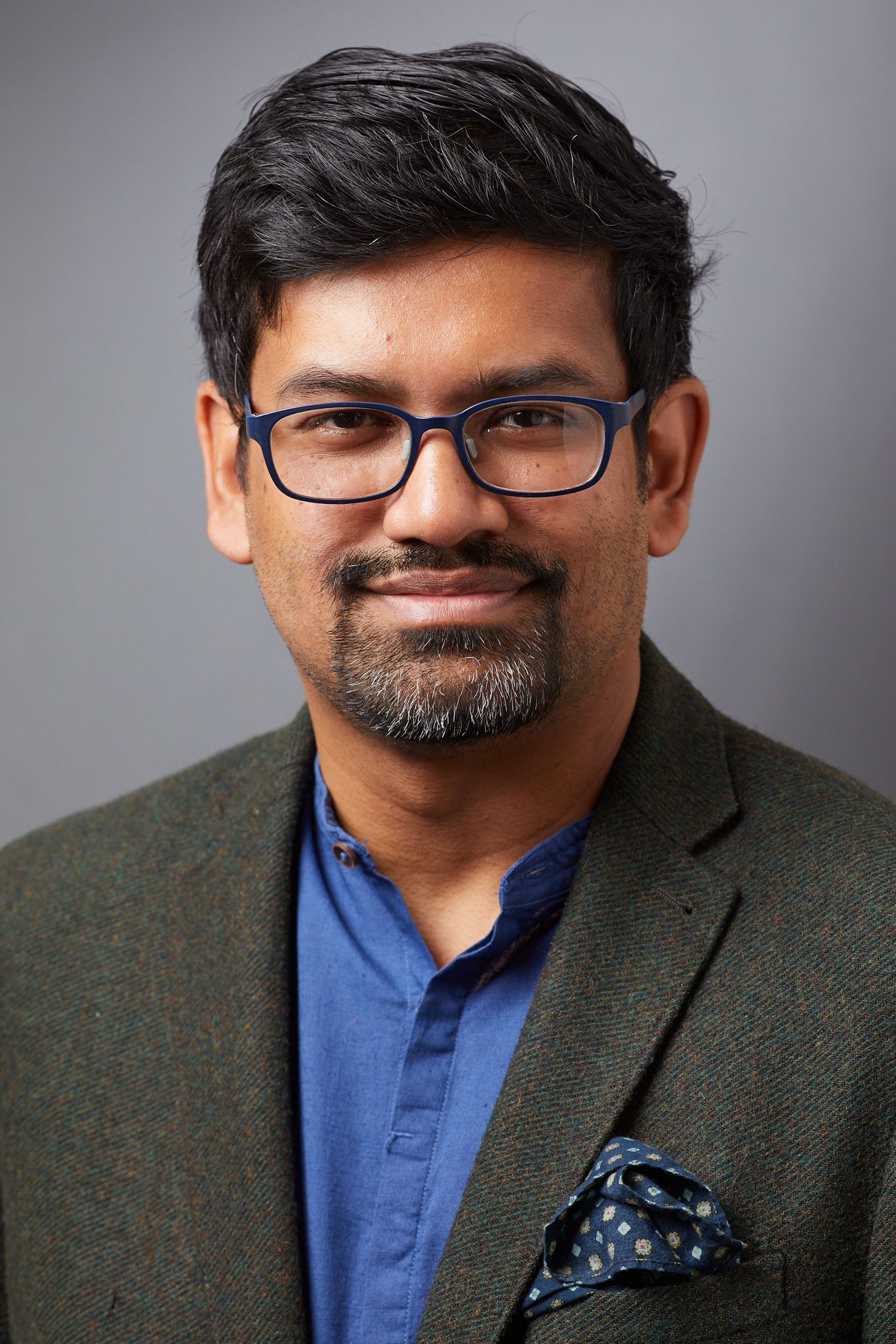
Hilal Ahmed
Hilal Ahmed

Carnegie does not take institutional positions on public policy issues; the views represented herein are those of the author(s) and do not necessarily reflect the views of Carnegie, its staff, or its trustees.

More Work from Grand Tamasha

  • Podcast Episode
    Episode 300: India, Then and Now

    This week, Milan, Sadanand Dhume, and Tanvi Madan discuss the political fall-out of this summer’s Gen Z protests, the political future of the Cockroach Janata Party (CJP), and the churn within the ruling Bharatiya Janata Party (BJP). 

      Milan Vaishnav, Sadanand Dhume, Tanvi Madan

  • Podcast Episode
    The Three Weeks That Made India

    Josy Joseph joins Milan on the podcast this week to talk about his best-selling new book, The Birth of a Nation: Twenty-One Days That Changed India, which reconstructs the dramatic three weeks leading up to August 15, 1947.

      Milan Vaishnav, Josy Joseph

  • Podcast Episode
    The Truth About India’s Jobs Crisis

    Vidya Mahambare joins Milan on the Season 16 premiere of Grand Tamasha to discuss the economic drivers of the Gen Z protests, the link between unemployment and education, and the futility of the manufacturing versus services debate.

      Milan Vaishnav, Vidya Mahambare

  • Podcast Episode
    The Forgotten Origins of Indian Liberalism

    This week, Rahul Sagar join Milan to discuss his new book The Birth of Indian Liberalism: Mama Parmanand’s Letters to an Indian Raja, which uncovers an older tradition of Indian liberal thought through a remarkable work first published in 1891 and then largely forgotten for more than a century.

      Milan Vaishnav, Rahul Sagar

  • Podcast Episode
    Whose Constitution Is It Anyway?

    This week, Rohit De and Ornit Shani join Milan to discuss their new book Assembling India’s Constitution: A New Democratic History. Drawing on a remarkable range of archival material, the book shows that constitution-making was not confined to the halls of the Constituent Assembly alone.

      Milan Vaishnav, Ornit Shani, Rohit De

Get more news and analysis from
Carnegie Endowment for International Peace
Carnegie global logo, stacked
1779 Massachusetts Avenue NWWashington, DC, 20036-2103Phone: 202 483 7600
  • Research
  • Emissary
  • About
  • Experts
  • Donate
  • Programs
  • Events
  • Blogs
  • Podcasts
  • Contact
  • Annual Reports
  • Careers
  • Privacy
  • For Media
  • Government Resources
Get more news and analysis from
Carnegie Endowment for International Peace
© 2026 Carnegie Endowment for International Peace. All rights reserved.