• Research
  • Emissary
  • About
  • Experts
Carnegie Global logoCarnegie lettermark logo
DemocracyIran
  • Donate
Podcast Episode

Previewing India’s 2024 General Election

Editor-in-chief of the Hindustan Times Sukumar Ranganathan joins Milan Vaishnav to preview India's upcoming general elections and the implications of a likely third term for Prime Minister Narendra Modi.

Link Copied
By Milan Vaishnav and Sukumar Ranganathan
Published on Apr 16, 2024

Subscribe on

Apple PodcastsOvercastSpotifyYoutube

In just a few days, India’s eighteenth general elections will get underway with voting in the first phase kicking off on April 19. Between April 19 and June 1, India will have seven separate polling days culminating in a final counting of votes on June 4.

Every single pre-election survey to date shows the ruling Bharatiya Janata Party (BJP) alliance of Prime Minister Narendra Modi winning a comfortable majority of seats in the Lok Sabha. If these predictions come to fruition, it would be the first time that a party has won three consecutive elections under the same leader since Congress during the Nehru period.

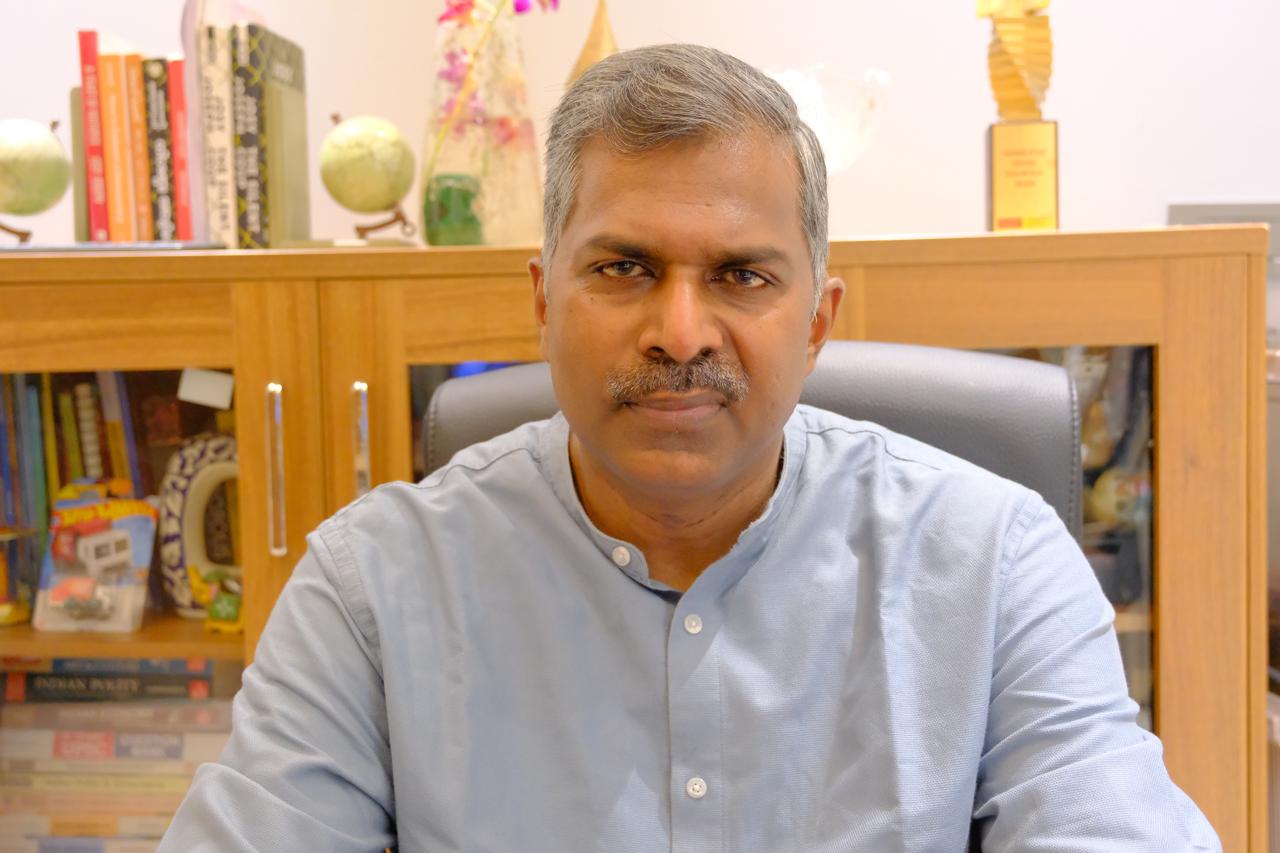
To preview these elections—and what they mean for India’s future—Milan is joined on the show this week by Sukumar Ranganathan, editor-in-chief of the Hindustan Times. Few people in India have observed and analyzed politics, economics, and social change as comprehensively as Sukumar.

Milan and Sukumar discuss the issues animating voters this election, the state of the economy, and the significant expansion of the BJP coalition. Plus, the two discuss the opposition’s struggles, the BJP’s big push in the southern states, and what we know about the agenda for Modi 3.0.

Episode notes:

1. Milan Vaishnav, “On electoral bonds, a short-lived celebration,” Hindustan Times, February 17, 2024.

2. “Decoding the Indian Economy (with Pranjul Bhandari)” Grand Tamasha, April 3, 2024.

3. Sukumar Ranganathan, “Five Things with @HT_Ed,” Hindustan Times (newsletter).

4. Hindustan Times, General Elections Retrospective (accessed via the HT app).

Hosted by

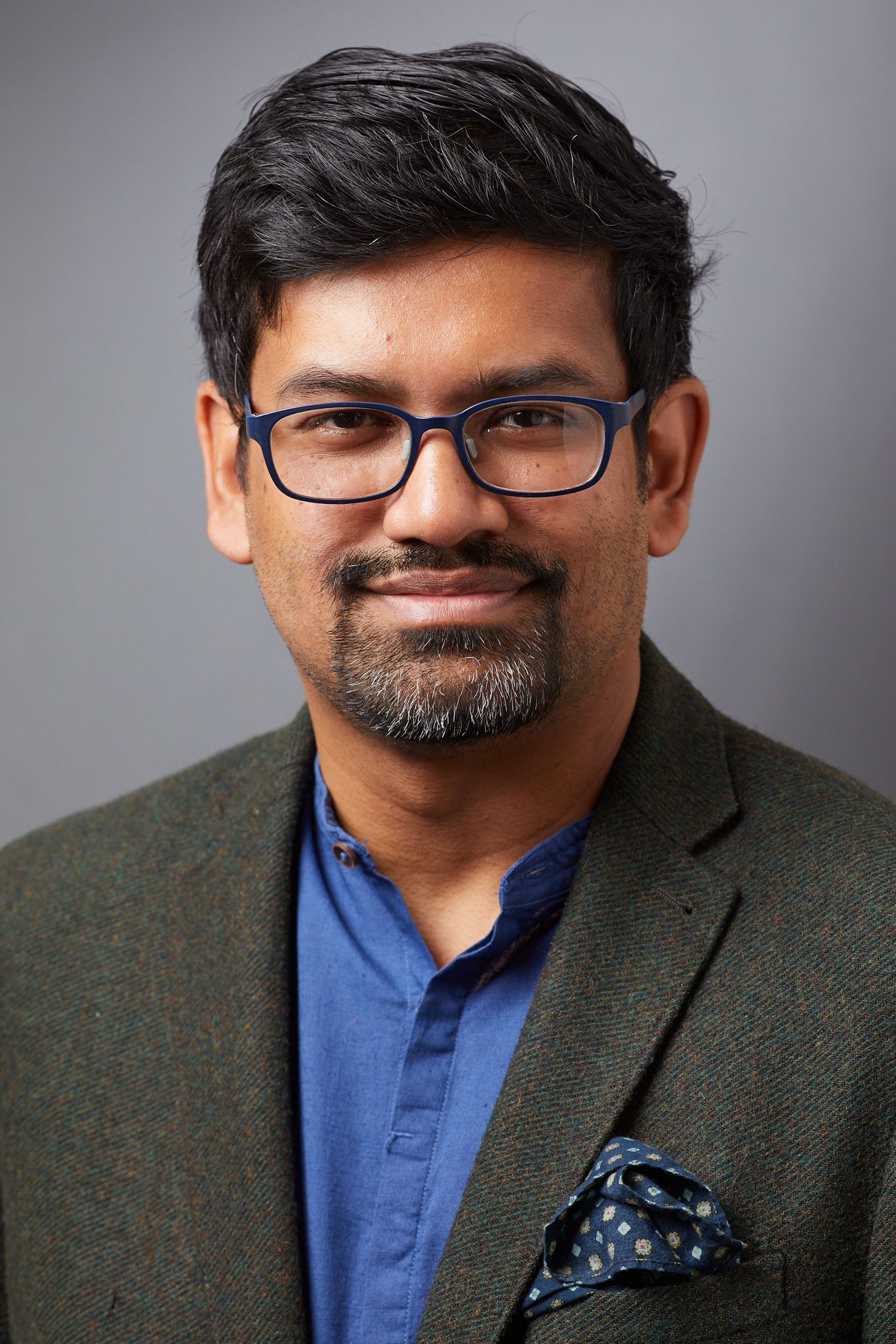
Milan Vaishnav
Director and Senior Fellow, South Asia Program
Milan Vaishnav

Featuring

Sukumar Ranganathan
Editor-in-chief, Hindustan Times

Carnegie does not take institutional positions on public policy issues; the views represented herein are those of the author(s) and do not necessarily reflect the views of Carnegie, its staff, or its trustees.

More Work from Grand Tamasha

  • Podcast Episode
    Episode 300: India, Then and Now

    This week, Milan, Sadanand Dhume, and Tanvi Madan discuss the political fall-out of this summer’s Gen Z protests, the political future of the Cockroach Janata Party (CJP), and the churn within the ruling Bharatiya Janata Party (BJP). 

      Milan Vaishnav, Sadanand Dhume, Tanvi Madan

  • Podcast Episode
    The Three Weeks That Made India

    Josy Joseph joins Milan on the podcast this week to talk about his best-selling new book, The Birth of a Nation: Twenty-One Days That Changed India, which reconstructs the dramatic three weeks leading up to August 15, 1947.

      Milan Vaishnav, Josy Joseph

  • Podcast Episode
    The Truth About India’s Jobs Crisis

    Vidya Mahambare joins Milan on the Season 16 premiere of Grand Tamasha to discuss the economic drivers of the Gen Z protests, the link between unemployment and education, and the futility of the manufacturing versus services debate.

      Milan Vaishnav, Vidya Mahambare

  • Podcast Episode
    The Forgotten Origins of Indian Liberalism

    This week, Rahul Sagar join Milan to discuss his new book The Birth of Indian Liberalism: Mama Parmanand’s Letters to an Indian Raja, which uncovers an older tradition of Indian liberal thought through a remarkable work first published in 1891 and then largely forgotten for more than a century.

      Milan Vaishnav, Rahul Sagar

  • Podcast Episode
    Whose Constitution Is It Anyway?

    This week, Rohit De and Ornit Shani join Milan to discuss their new book Assembling India’s Constitution: A New Democratic History. Drawing on a remarkable range of archival material, the book shows that constitution-making was not confined to the halls of the Constituent Assembly alone.

      Milan Vaishnav, Ornit Shani, Rohit De

Get more news and analysis from
Carnegie Endowment for International Peace
Carnegie global logo, stacked
1779 Massachusetts Avenue NWWashington, DC, 20036-2103Phone: 202 483 7600
  • Research
  • Emissary
  • About
  • Experts
  • Donate
  • Programs
  • Events
  • Blogs
  • Podcasts
  • Contact
  • Annual Reports
  • Careers
  • Privacy
  • For Media
  • Government Resources
Get more news and analysis from
Carnegie Endowment for International Peace
© 2026 Carnegie Endowment for International Peace. All rights reserved.