

In The Media
Michele Dunne, Robert Kagan
{
  "authors": [
    "Robert Kagan"
  ],
  "type": "legacyinthemedia",
  "centerAffiliationAll": "",
  "centers": [
    "Carnegie Endowment for International Peace"
  ],
  "collections": [],
  "englishNewsletterAll": "",
  "nonEnglishNewsletterAll": "",
  "primaryCenter": "Carnegie Endowment for International Peace",
  "programAffiliation": "",
  "programs": [],
  "projects": [],
  "regions": [
    "China"
  ],
  "topics": [
    "Foreign Policy"
  ]
}
REQUIRED IMAGE
Source: Carnegie
Robert Kagan and William Kristol
Reprinted with permission of the New York Times, June 22, 1998
In defending his China policy, President Clinton says American faces a stark choice: engage China as his Administration has done or isolate it. But that is a false choice.
No one, contrary to the President’s recent assertion, is "seeking to isolate China." For example, the Administration’s critics do not oppose any summit that advances America’s overall strategic and moral interests. The problem with Mr. Clinton’s policy is that it undermines those interests, because his brand of engagement is failing.
The Administration has argued, for instance, that giving satellites, supercomputers and other technology to China would encourage it to stop selling weapons of mass destruction and the missiles to deliver them. But in the last six months, China has been caught peddling nuclear-weapons-related material to Iran. And in recent years, China made missile and nuclear weapons technology available to Pakistan, inviting India’s nuclear test.
The Clinton Administration has argued that once the United States stopped challenging China’s human rights record and withdrew the threat of economic sanctions, China would ease repression at home. In fact, the Chinese government has responded by exiling a couple of prominent dissidents and arresting many others - in sum, by maintaining one of the world’s most repressive regimes.
The Administration says its brand of engagement has fostered stability in Asia. Why, then, has China fired missile off the coast of Taiwan, seized islands in the South China Sea and continued to increase its defense spending at an alarming rate?
Finally, to avoid offending Chinese sensibilities, the White House invents excuses for indefensible practices like forced abortion and religious repression. The Administration has always argued that its policy of engagement will make China more like us. In fact, it is making us more like them.
Last year, when it was reported that the Chinese government tried to subvert American elections, Secretary of State Madeleine Albright declared there would be grave consequences if the story was substantiated. It was, but there have been no consequences. If any country other than China were involved, the summit would be postponed. But the President is keeping his appointment in Beijing. Indeed he pretends he has no choice but to be greeted at Tiananmen Square.
Mr. Clinton now describes our relationship with China as a "strategic partnership" and insists China responds best to incentives. But placating its Government at every turn is not the answer. The Chinese leadership must know that when it breaks its promises - by aiding Pakistan’s and Iran’s nuclear weapons programs - it will be punished with sanctions, including, for instance, cutting off trade with corporations known to be controlled by China’s military. A year ago, in a memorandum to the State Department, Mr. Clinton’s own Arms Control and Disarmament Agency pointed out: "The only time we have gotten movement from the Chinese on missile proliferation has been in the face of a penalty being imposed. Carrots have gotten us nothing."
The United States must make it clear in both word and deed that we will contain China’s strategic ambitions. We should begin by reversing the decline in our military strength. Chinese leaders interpret America’s shrinking defense budget and our uncertain response to crises in the Persian Gulf and elsewhere as a sign of weakening resolve. Nor could it have escaped the notice of Beijing that when the President sent aircraft carriers to the gulf earlier this year, none were left in the East Asian theater.
Beijing evidently hopes to drive a wedge between the United States and its Asian allies. That is why the Chinese government insisted that President Clinton not visit Japan, South Korea and Taiwan before or after the summit. But they are our true strategic partners in Asia and deserve the reassurance of a visit by an American President.
Mr. Clinton seems determined to cast his critics as backward-looking isolationists spooling for a new cold war. In fact, the Clinton Administration’s current policy invites Chinese adventurism abroad and repression at home. At the end of this bloody century, we all should have learned that appeasement, even when disguised as engagement, doesn’t work.

Former Senior Associate
Kagan, author of the recent book, The Return of History and the End of Dreams (Knopf 2008), writes a monthly column on world affairs for the Washington Post and is a contributing editor at both the Weekly Standard and the New Republic.
Recent Work

Michele Dunne, Robert Kagan
Robert Kagan, Michele Dunne
Carnegie does not take institutional positions on public policy issues; the views represented herein are those of the author(s) and do not necessarily reflect the views of Carnegie, its staff, or its trustees.

Chinese biotech companies have been on the receiving end of U.S. economic coercion. Yet their responses have differed significantly because firm and state interests are not uniformly aligned. For Washington, treating all Chinese tech firms the same, irrespective of their actual interests, risks pushing them farther into Beijing’s corner.

Xue Gong
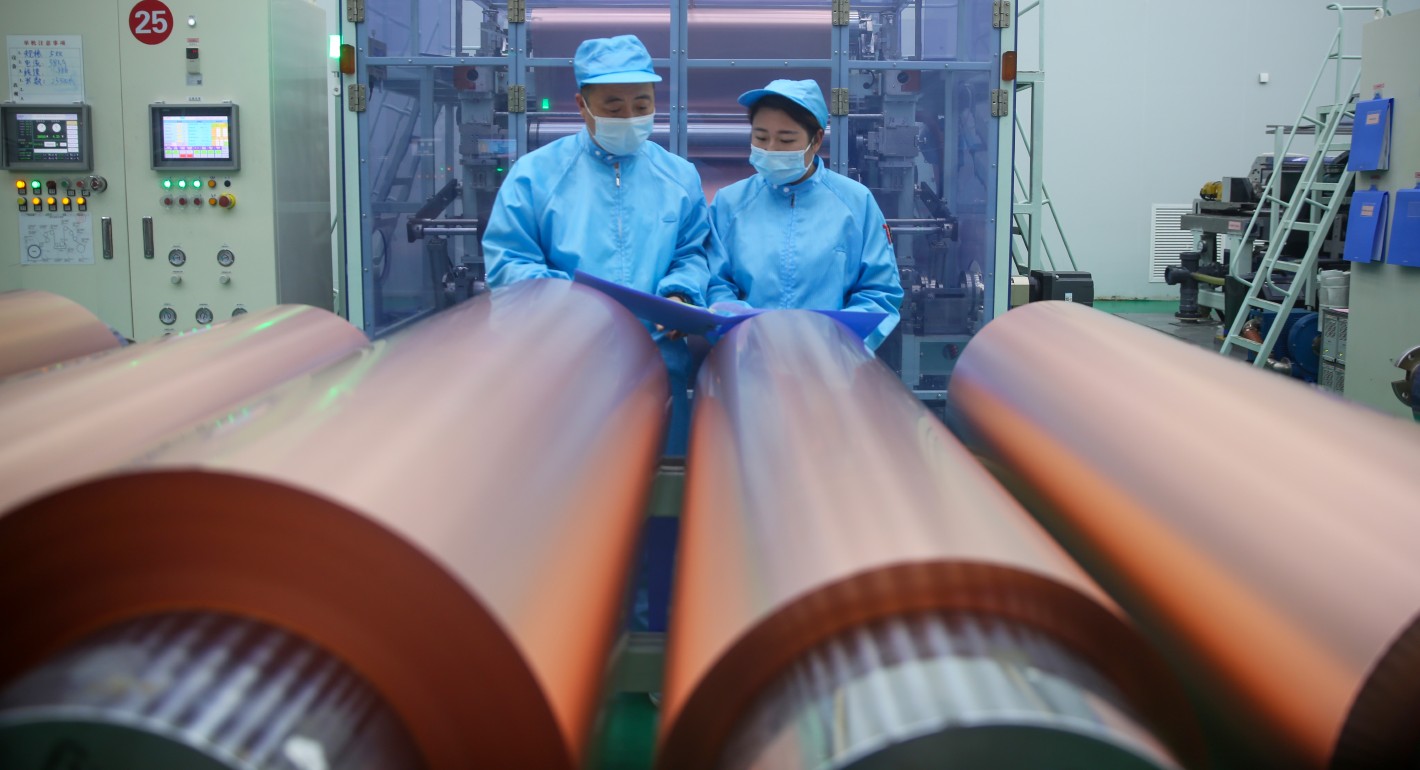
Over the past decade, China has moved from marginal player to major producer of all things batteries. The United States, Europe, and others are aiming to balance the market.

Milo McBride
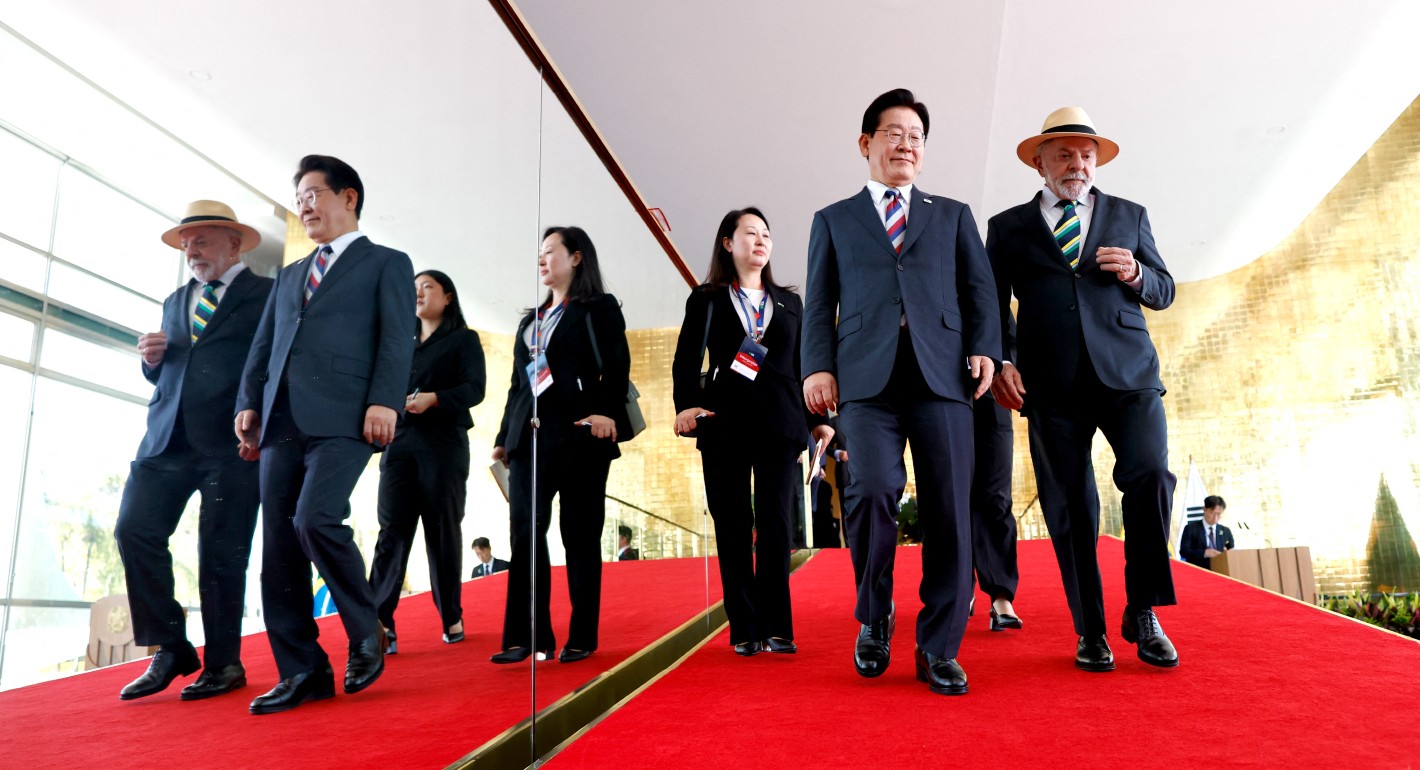
Lee’s tour shows how Seoul is reorganizing its diplomacy away from Pyongyang and toward industrial networks and the geography of the compute economy.

Darcie Draudt-Véjares

Most migrants may have left Ceuta, but the effects may linger.


Alejandro Martin Rodriguez, Sarah Yerkes
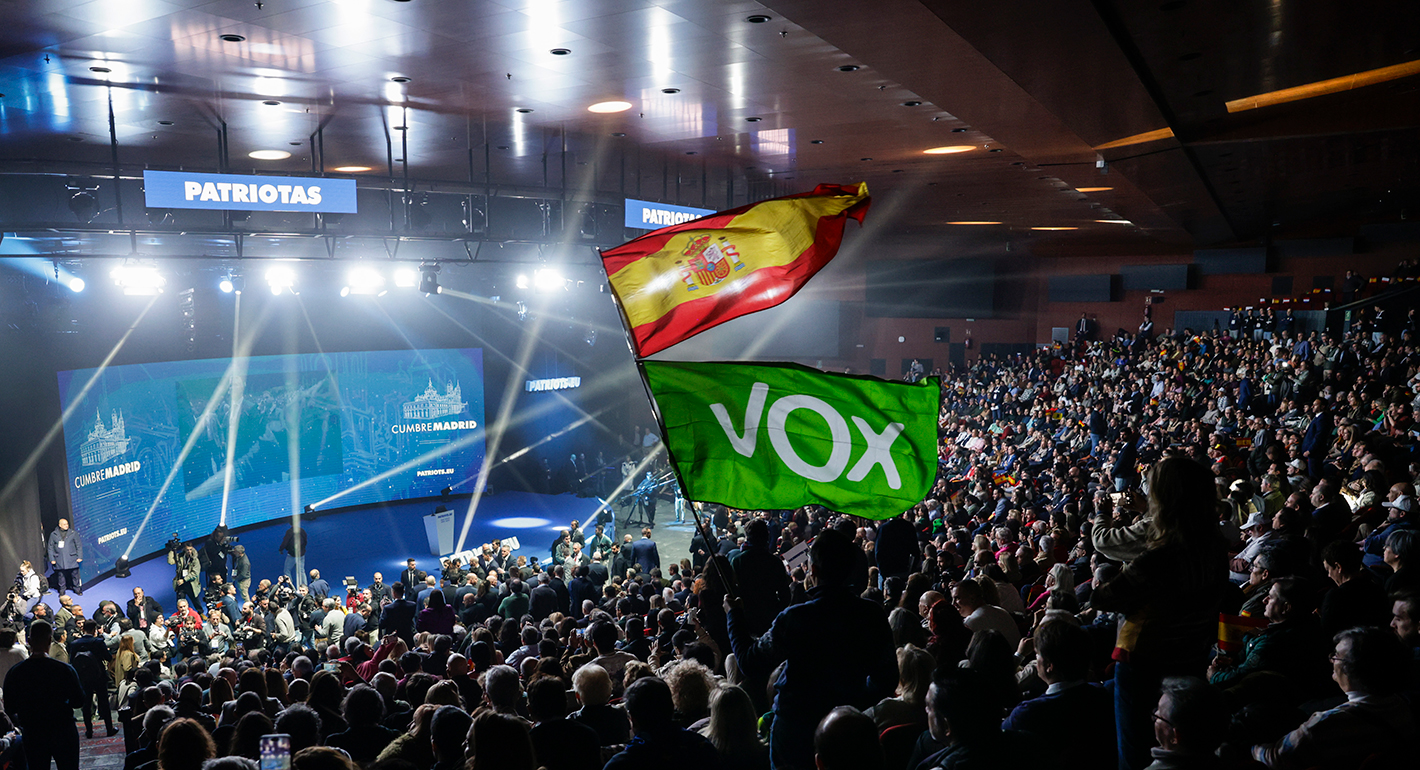
There is a transnational far-right populist movement that links middle powers in a global movement that extends well beyond Trump.

Christopher S. Chivvis, Rohan Mukherjee, Milan Vaishnav