

In The Media
Michele Dunne, Robert Kagan
{
  "authors": [
    "Robert Kagan"
  ],
  "type": "legacyinthemedia",
  "centerAffiliationAll": "",
  "centers": [
    "Carnegie Endowment for International Peace"
  ],
  "collections": [],
  "englishNewsletterAll": "",
  "nonEnglishNewsletterAll": "",
  "primaryCenter": "Carnegie Endowment for International Peace",
  "programAffiliation": "",
  "programs": [],
  "projects": [],
  "regions": [],
  "topics": [
    "Foreign Policy"
  ]
}
REQUIRED IMAGE
Source: Carnegie
Kosovo and the Echoes Of Isolationism
Reprinted with permission from the New York Times, March 24, 1999
WASHINGTON -- The conflict in Kosovo has exposed a multiple-personality disorder among Republicans. The party's Presidential candidates and its leaders in Congress insist they want more robust American leadership in the world, invoking the internationalist legacy of Ronald Reagan. But in the current crisis, candidates and legislators alike have flirted with another Republican tradition, the isolationism of William Borah, Robert Taft and Patrick Buchanan.
Two weeks ago, House Republicans voted overwhelmingly against allowing American troops to participate in any NATO peacekeeping mission in Kosovo. This week many Senate Republicans were even opposing NATO air strikes against Serb forces, right up until President Clinton announced plans to begin them. Many Republicans clearly believed they could score political points against the President by playing on the nervousness and confusion of the American public.
Despite unmistakable evidence of renewed ethnic cleansing by Serb forces under the command of Slobodan Milosevic, the Yugoslav President, leading Republicans expressed indifference or worse.
Senator Don Nickles of Oklahoma said last week that he would oppose a NATO bombing campaign "unless and until the Serbs really begin a very significant massacre against the people in Kosovo." Medium-sized massacres, presumably, are acceptable.
Many Republicans even voiced concern that an attack on Serb forces would violate Yugoslavia's sovereignty, as if Belgrade had a legal right to commit genocide so long as it did so within its national boundaries. And almost all Republicans raised the cry of "body bags" and "quagmires" -- once again treating Mr. Milosevic as if he were a 600-pound gorilla instead of a bully and coward who in the past has quaked at the first sign of real military action.
Apparently many Republicans forgot that they made the same dire threats before the intervention in Bosnia three years ago and were proved utterly wrong. After three years, not a single American soldier has died in combat in Bosnia. Mostly, though, Republicans have adopted a Neville Chamberlain attitude toward the population of Kosovo, yet another distant people whose fate need not concern us.
"We don't have an obligation to send our men and women of the military in every time there's a humanitarian problem in this world, or a civil strife, or a revolution in a country," said Senator Pete Domenici of New Mexico. But what about when the "humanitarian problem" occurs in Europe and when NATO, the alliance we lead, decides to act?
One might have thought Republicans understood that the United
States has a vital strategic interest in the stability of Europe, and an abiding
moral interest in preventing genocide and ethnic cleansing on a
continent that in this century gave us two world wars and the Holocaust. Last
year, Republicans voted overwhelmingly for NATO expansion. That vote was, or
should have been, a vigorous reaffirmation of American leadership and responsibility
for maintaining a just peace in Europe.
Where is that Republican commitment today? Until Mr. Clinton forced their hand, many Republicans wanted to let our allies do all the fighting and take all the risks. They seemed to want America to lead -- from behind. If the United States had actually followed this path, the damage to the NATO alliance would have been irreparable. If the United States won't take on a bully like Mr. Milosevic, why should anyone in Europe believe that Washington will be bolder in meeting even more dangerous threats to European security in the future?
Republicans have promised to make foreign policy a major issue in the 2000 campaign. And with good reason. The Administration's appeasement of China and North Korea, its inadequate response to Saddam Hussein, its endless hand-wringing (until now) over the Balkan crisis, its depletion of American military strength and its generally inconstant leadership in world affairs -- all this deserves a sustained and thoughtful critique.
If Mr. Clinton finally does the right thing, Republicans can make up for their recent errors by urging him to see this policy through to the end. This means, ultimately, driving Mr. Milosevic from power. That's the best solution for Kosovo and for the Balkans.

Former Senior Associate
Kagan, author of the recent book, The Return of History and the End of Dreams (Knopf 2008), writes a monthly column on world affairs for the Washington Post and is a contributing editor at both the Weekly Standard and the New Republic.
Recent Work

Michele Dunne, Robert Kagan
Robert Kagan, Michele Dunne
Carnegie does not take institutional positions on public policy issues; the views represented herein are those of the author(s) and do not necessarily reflect the views of Carnegie, its staff, or its trustees.

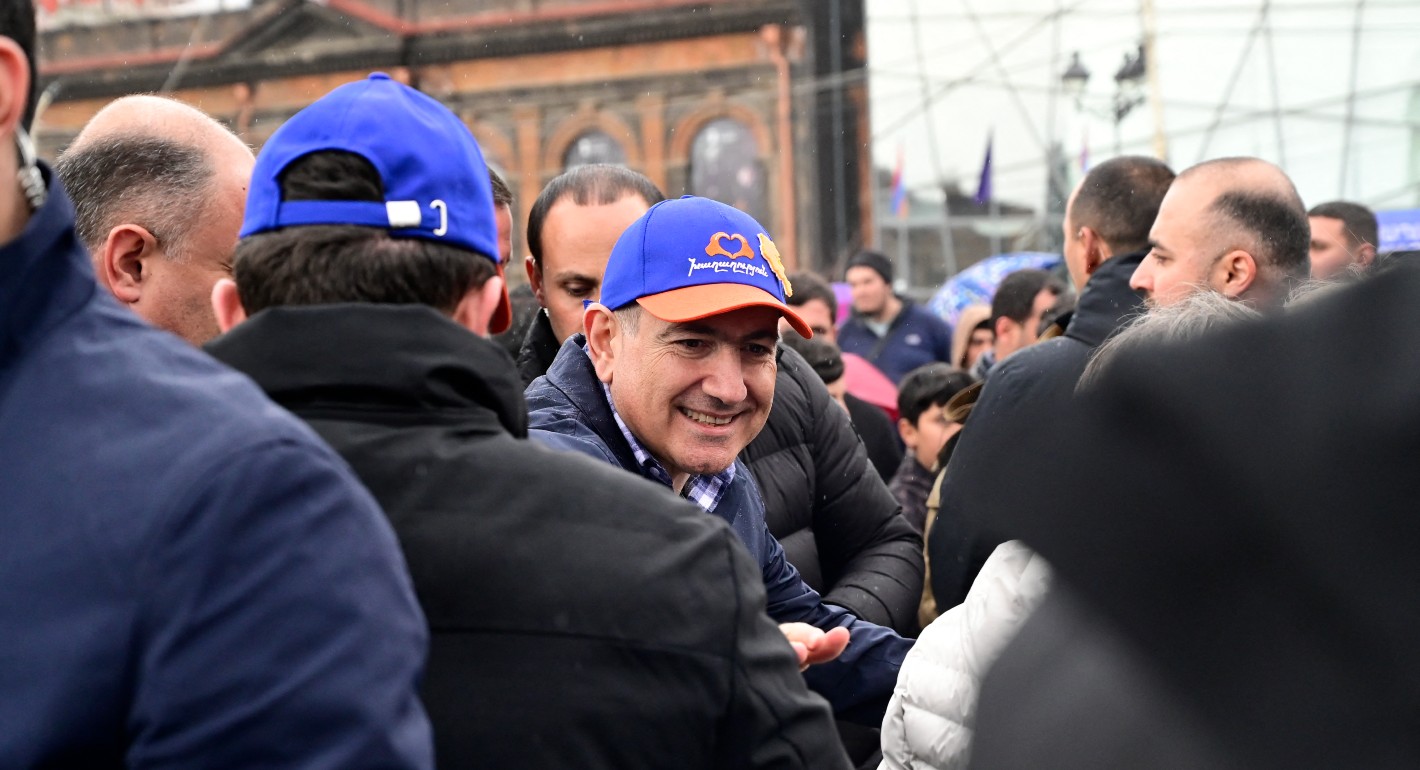
By fueling the arguments of both supporters and opponents of Armenian Prime Minister Nikol Pashinyan, Azerbaijan wants to ensure he is re-elected with a weaker mandate.

Bashir Kitachaev

This piece argues that India’s central challenge is not managing a single flashpoint but resolving the underlying tension between expansion and institutional coherency of the BRICS grouping.

Vrinda Sahai
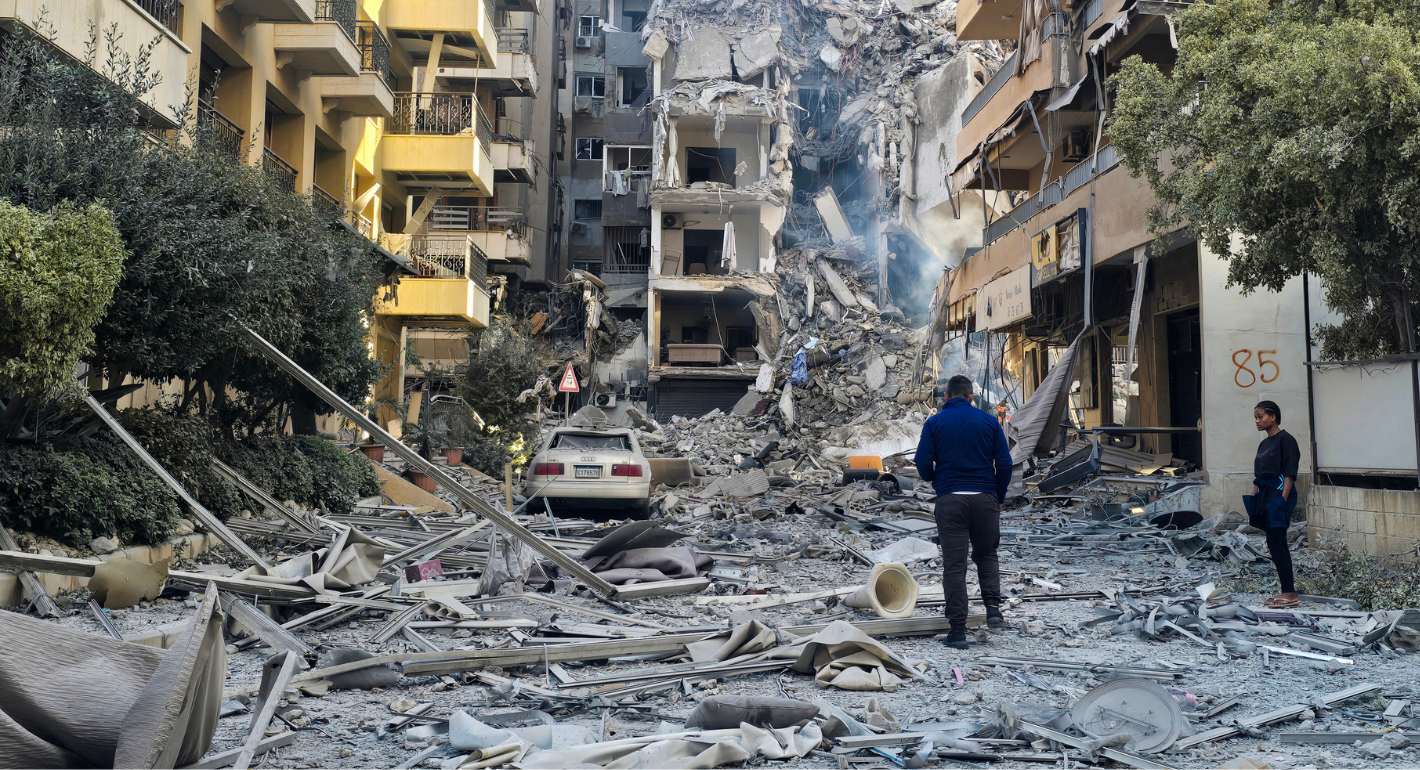
Europe seems to have accepted its sidelining in the Middle East. The EU must reassert its support for the international rules-based order and step up engagement.

Rym Momtaz
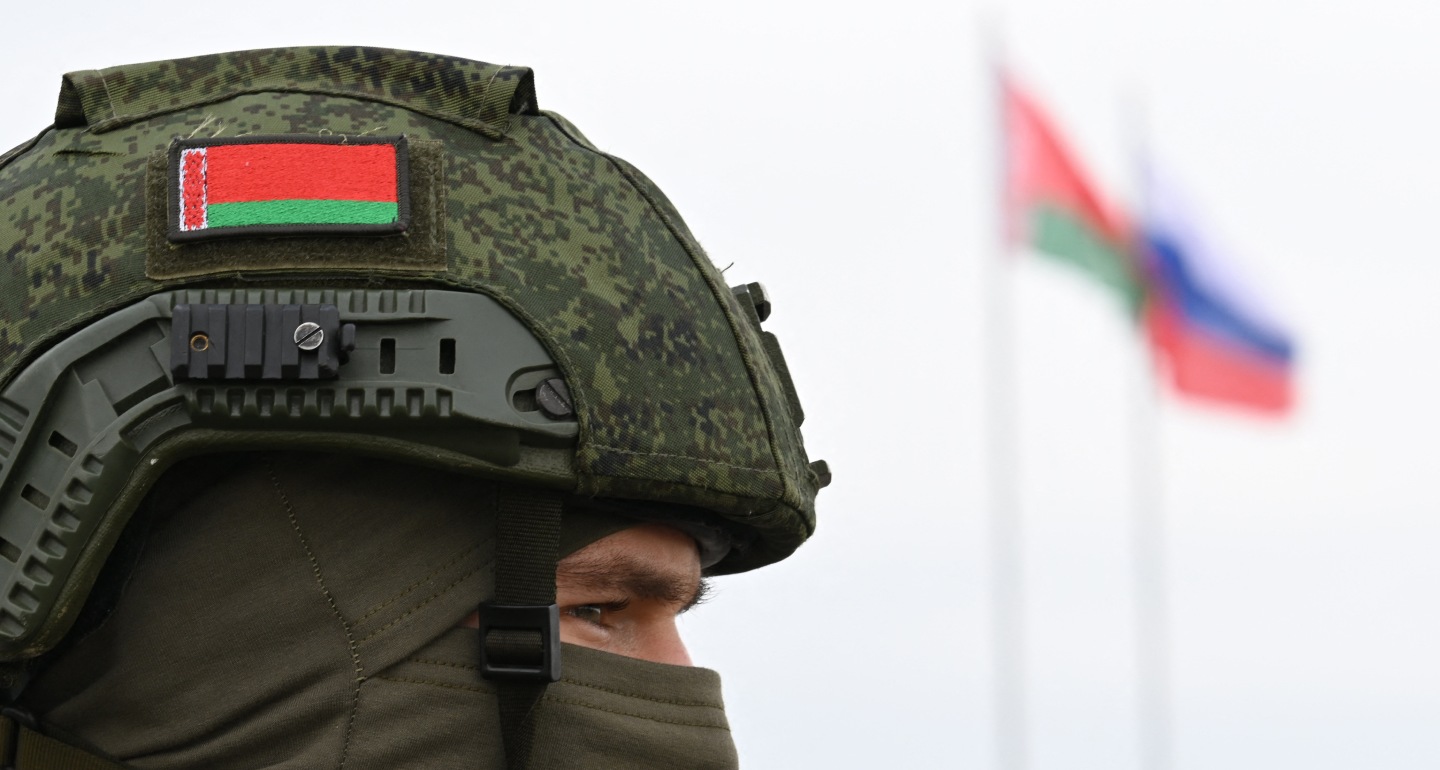
By reminding the world that Lukashenko is a threat to NATO and Ukraine, Kyiv is trying to return the focus to why the Belarusian regime needs to be contained rather than rewarded.

Artyom Shraibman
Regardless of the outcome, there’s another path to ensuring that progress doesn’t stall.
Zaur Shiriyev