

In The Media
Michele Dunne, Robert Kagan
{
  "authors": [
    "Robert Kagan"
  ],
  "type": "legacyinthemedia",
  "centerAffiliationAll": "",
  "centers": [
    "Carnegie Endowment for International Peace"
  ],
  "collections": [],
  "englishNewsletterAll": "",
  "nonEnglishNewsletterAll": "",
  "primaryCenter": "Carnegie Endowment for International Peace",
  "programAffiliation": "",
  "programs": [],
  "projects": [],
  "regions": [
    "United States"
  ],
  "topics": [
    "Military",
    "Foreign Policy"
  ]
}
REQUIRED IMAGE
Source: Carnegie
Reprinted from the Washington Post, December 18, 2000
People who thought a vote for George W. Bush was a vote for rapid deployment of a stronger national missile defense may be disappointed. Missile defense could be the first casualty of the 2000 election fracas.
In the effort to reach out to Democrats, Bush's advisers are scouting around for nice little bipartisan policies to push through Congress this year. Missile defense doesn't fit the bill. As with his big tax cut proposal, Bush made missile defense one of the centerpieces of his campaign. He said he favored a more ambitious system than the one proposed by President Clinton, and he promised to deploy his more robust system "at the earliest possible date." But that was then and this is now. Senior Bush advisers are now talking about conducting a thorough "review" of the whole issue. Fair enough, except that the review may prove interminable. Stephen Hadley, slated for one of the top posts in the new administration, has suggested it may take as long as a year.
The truth is, there was always reason to wonder whether Bush's tough campaign talk would translate into tough policies. Even if Bush had won the election handily, building domestic support for his more robust missile defense system would have been difficult. For the past few years, Democrats in the House and Senate reluctantly supported President Clinton's missile defense apostasy out of political necessity--to shield Clinton and Gore from Republican attack. But come Jan. 21, 2001, most will flip back to their accustomed roles as crusaders against Republican "Star Wars."
Then there is another small problem: the rest of the world. Thanks to the way Clinton mishandled the process of consulting with Europe, even close allies American plans as harebrained and dangerous. This past year Russia's Vladimir Putin played on those European fears and successfully rebuffed overeager Clinton diplomatists trying to modify the Anti-Ballistic Missile Treaty to allow Clinton's limited program. Putin will try to play the same game with Bush.
The Chinese, meanwhile, may decide to make missile defense the chief obstacle to improved Sino-American relations. They are petrified that a successfully deployed system would undermine their ability to threaten or attack Taiwan. The Chinese have a history of testing U.S. presidents early to see what they're made of. In 1994 they put the heat on Clinton and discovered that his tough 1992 campaign rhetoric about the "butchers of Beijing" was empty. They will put Bush to a similar test, and on what better issue than missile defense, where the rest of the world is already lined up against Washington?
So even in the best of circumstances, Bush would have had to spend a lot of political capital at home and abroad. If he stuck by his guns, there was a chance that the allies would eventually come to accept the inevitable. And once the Europeans accepted it, the Russians would be more amenable to cutting a deal on the ABM treaty. The waning opposition in Europe and Moscow would in turn undermine some of the opposition at home.
But for this strategy to work, Bush had to be the man of steel. Bush's supporters like to compare him to Ronald Reagan. It was going to take a Reaganesque commitment--and Reagan's devotion to missile defense was almost literally religious--to get a robust system over all the hurdles. This was true even before this past month's electoral fiasco, even before the Democrats picked up seats in the House and pulled even in the Senate. Now the missile defense mountain will be an even steeper climb.
Will Bush want to take it on? It is understandable that Bush officials want to wait. The allies do need to be consulted. The Russians ought to get a glimpse at what Bush has to offer. The restive Congress will need massaging. And the new team will need some time to figure out what technologies are actually available, since Clinton long ago killed a number of the most promising missile defense programs. But unfortunately this is one of those times when sweet reason, careful diplomacy, and lengthy deliberation are likely to produce failure.
Contrary to what many Bush officials may think, it will be harder, not easier, to gain support for missile defense if Bush waits until 2002. Bush politicos think missile defense is unappetizing this year. But guess what? They won't find it any tastier next year. Meanwhile, once the world figures out that Bush is reluctant to press the issue at home, the aura of inevitability will vanish, and Bush officials such as Hadley will have a harder time convincing the Europeans and Russians that they have to make a deal. Persistent international opposition will strengthen the hand of opponents in Congress.
If Bush waits until next year to put missile defense high on his agenda, the result could be a political death spiral. Candidate Bush made the case that the growing ballistic missile threat from Iraq, Iran, China and, yes, North Korea, would soon undermine America's capacity to maintain international peace by opening us up to blackmail by the likes of Saddam Hussein. He understood, too, that time was a-wasting. If Bush is really committed to missile defense, and he seems to be, then the time to make his stand is now.

Former Senior Associate
Kagan, author of the recent book, The Return of History and the End of Dreams (Knopf 2008), writes a monthly column on world affairs for the Washington Post and is a contributing editor at both the Weekly Standard and the New Republic.
Recent Work

Michele Dunne, Robert Kagan
Robert Kagan, Michele Dunne
Carnegie does not take institutional positions on public policy issues; the views represented herein are those of the author(s) and do not necessarily reflect the views of Carnegie, its staff, or its trustees.

A review of a detailed account of how antipathy toward Tehran has assumed a life and logic of its own in Washington, DC.

Jane Darby Menton
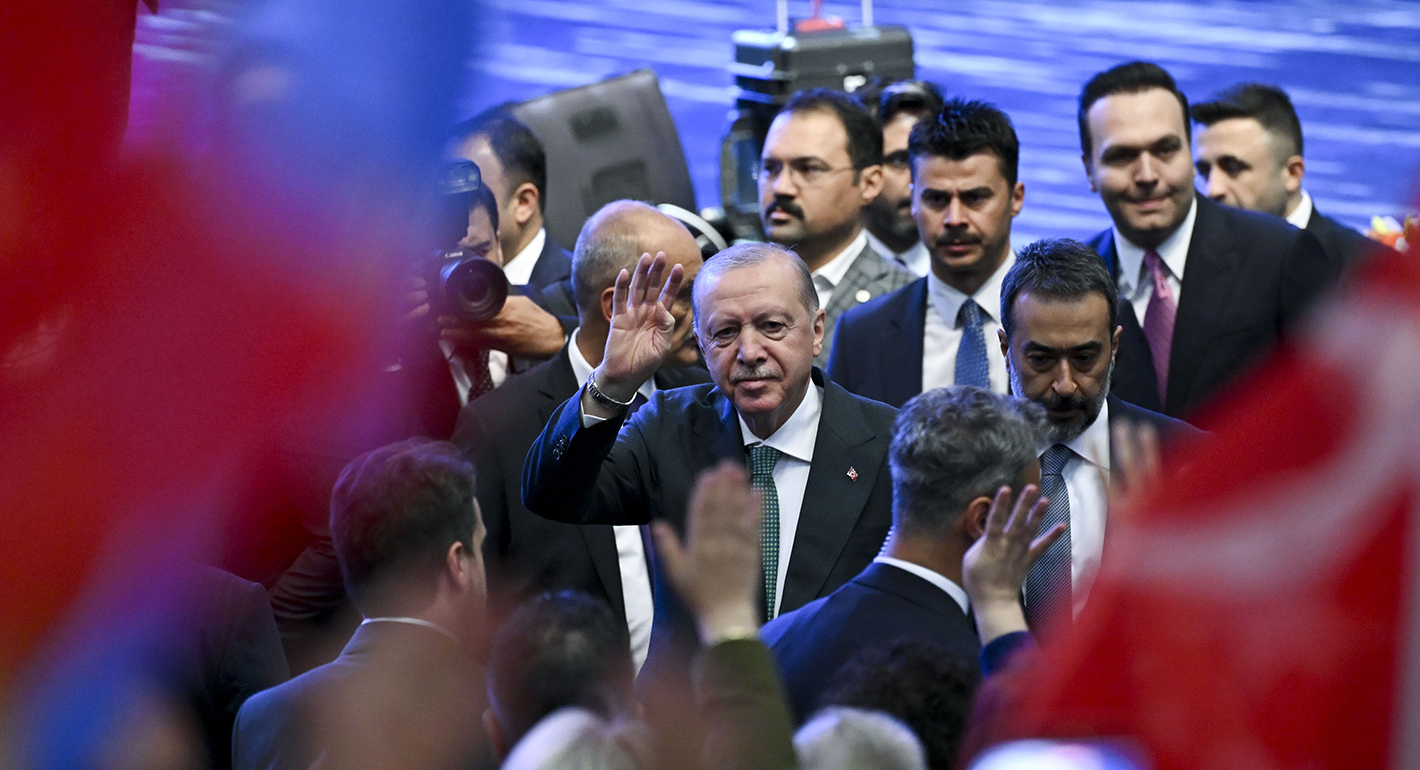
Turkish right-wing populists have been trying to advance the country’s middle-power goals based on perceptions of what the public wants, but they have been doing so in ways that reinforce their project of autocratic political consolidation.

Murat Somer

In Colombia and elsewhere in the region, the United States is trying to shape election outcomes—but at what cost?
Oliver Stuenkel, Adrian Feinberg

Russia looks set to reap economic benefits from closer ties with Southeast Asian countries that are keen to find reliable energy suppliers and diversify trade ties.

Alexander Gabuev
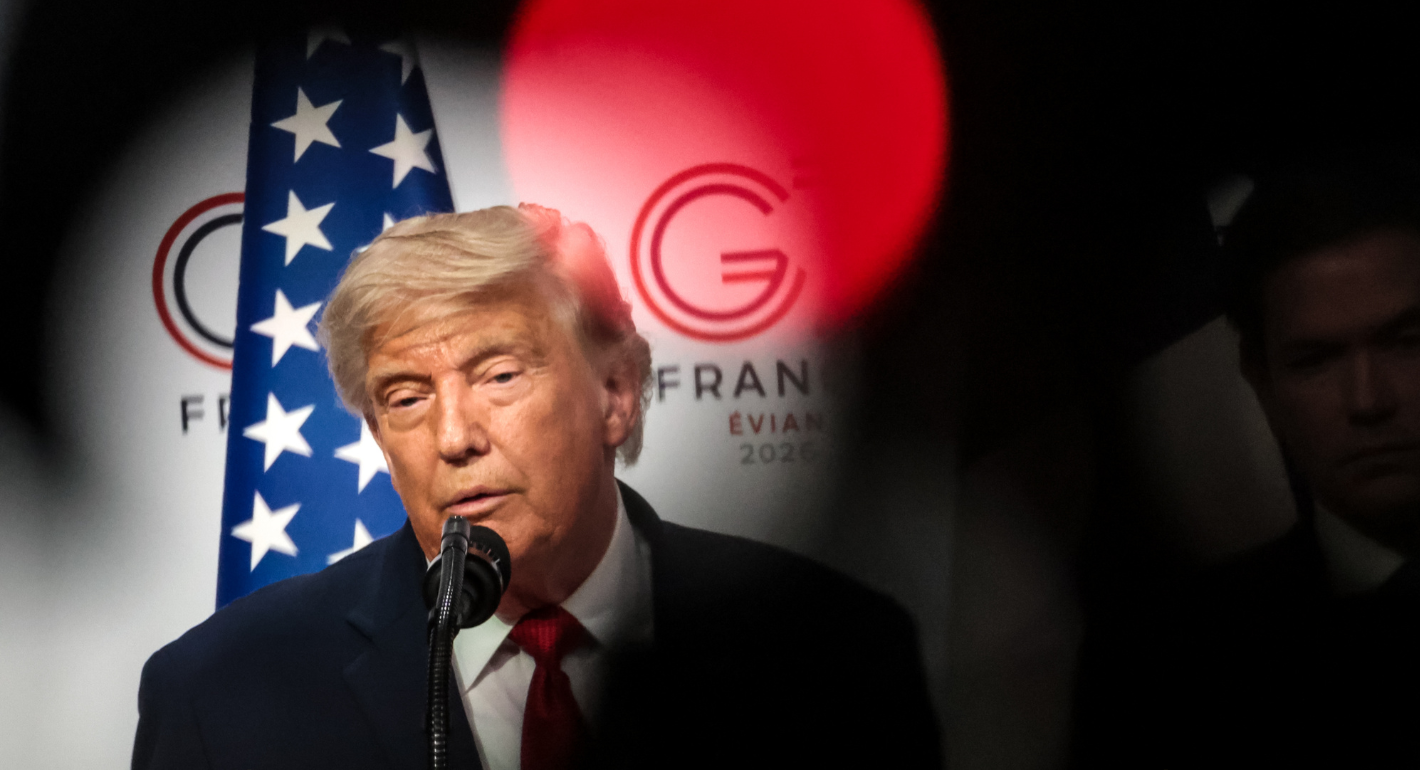
There is an elephant in the room when it comes to the EU’s upcoming security strategy: Donald Trump. Unless European leaders acknowledge the depth of the transatlantic crisis, true autonomy will remain out of reach.

Stefan Lehne