

In The Media
Martha Brill Olcott
{
  "authors": [
    "Martha Brill Olcott"
  ],
  "type": "other",
  "centerAffiliationAll": "dc",
  "centers": [
    "Carnegie Endowment for International Peace"
  ],
  "collections": [],
  "englishNewsletterAll": "ctw",
  "nonEnglishNewsletterAll": "",
  "primaryCenter": "Carnegie Endowment for International Peace",
  "programAffiliation": "russia",
  "programs": [
    "Russia and Eurasia"
  ],
  "projects": [],
  "regions": [
    "Afghanistan",
    "Central Asia",
    "Kazakhstan"
  ],
  "topics": [
    "Political Reform",
    "Trade",
    "Security"
  ]
}
REQUIRED IMAGE
Unless the international community pursues a regional strategy for rebuilding Afghanistan, the security of the Central Asian states and Pakistan will be so compromised that new terrorist groups with global reach soon will be using Eurasia as their launching pad again.
Unless the international community pursues a regional strategy for rebuilding Afghanistan, the security of the Central Asian states and Pakistan will be so compromised that new terrorist groups with global reach soon will be using Eurasia as their launching pad again.
Arms, drugs, and seditious ideas from Afghanistan have severely undermined the region. To achieve stability, the antiterrorist coalition must disarm Afghan factions, impose an arms embargo, and destroy the country's poppy crop and its opium and heroin factories. Otherwise, militant Islamic groups across the region will use Afghanistan's drugs to finance their operations and its weapons to fight their wars.
Economic recovery is the essential antidote to radicalism. Macroeconomic reform in Uzbekistan is the key. Its instability would rock its neighbors, while success could spark the creation of free markets across the entire region.
Click on the link above for full text of this Policy Brief.
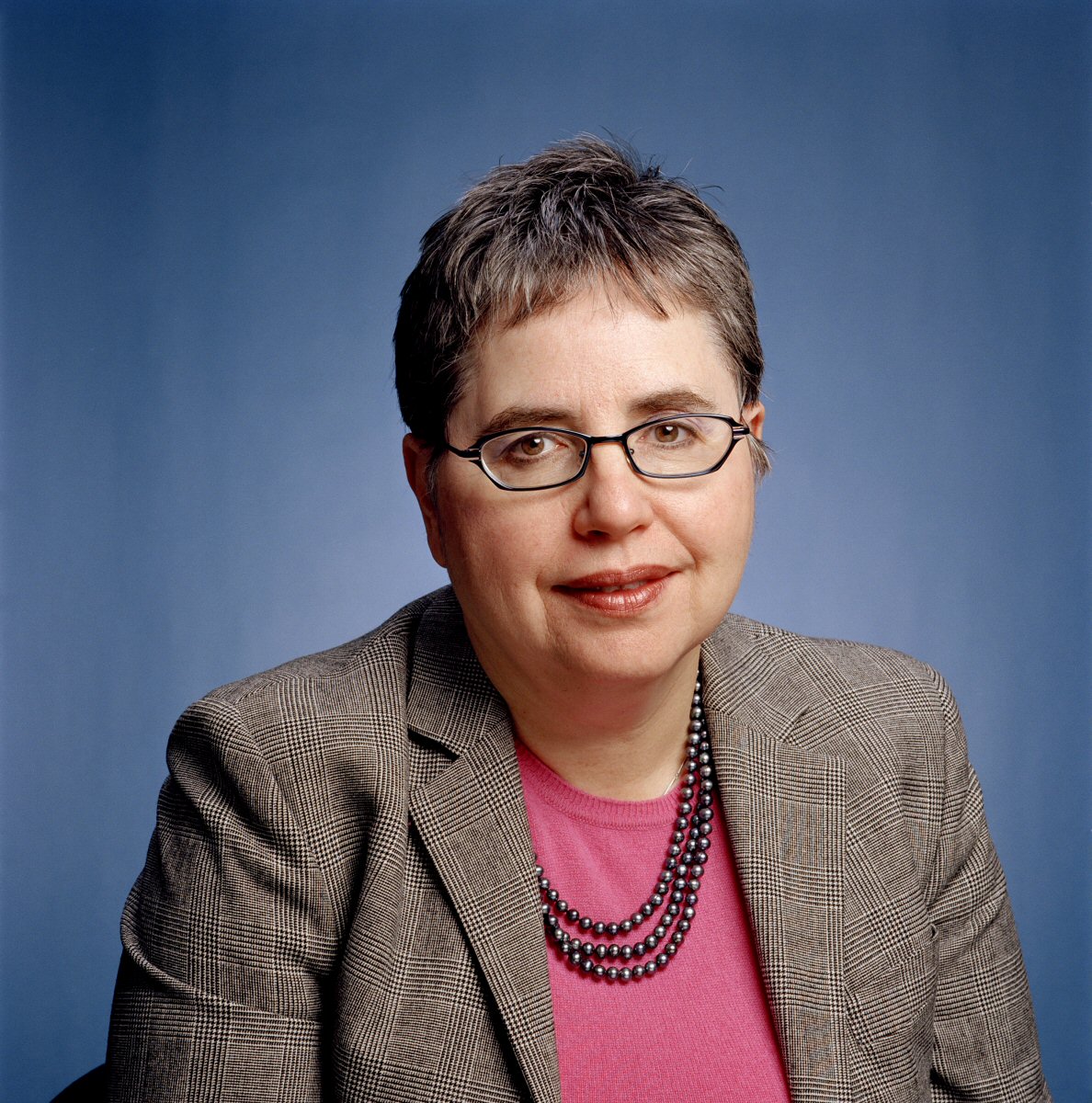
Former Senior Associate, Russia and Eurasia Program and, Co-director, al-Farabi Carnegie Program on Central Asia
Olcott is professor emerita at Colgate University, having taught political science there from 1974 to 2002. Prior to her work at the endowment, Olcott served as a special consultant to former secretary of state Lawrence Eagleburger.
Recent Work
Martha Brill Olcott
Martha Brill Olcott
Carnegie does not take institutional positions on public policy issues; the views represented herein are those of the author(s) and do not necessarily reflect the views of Carnegie, its staff, or its trustees.

With the growth in points of friction between the great powers, organizations like the SCO will continue to play a role in the strategic adaptation of the smaller powers caught between them.

Temur Umarov
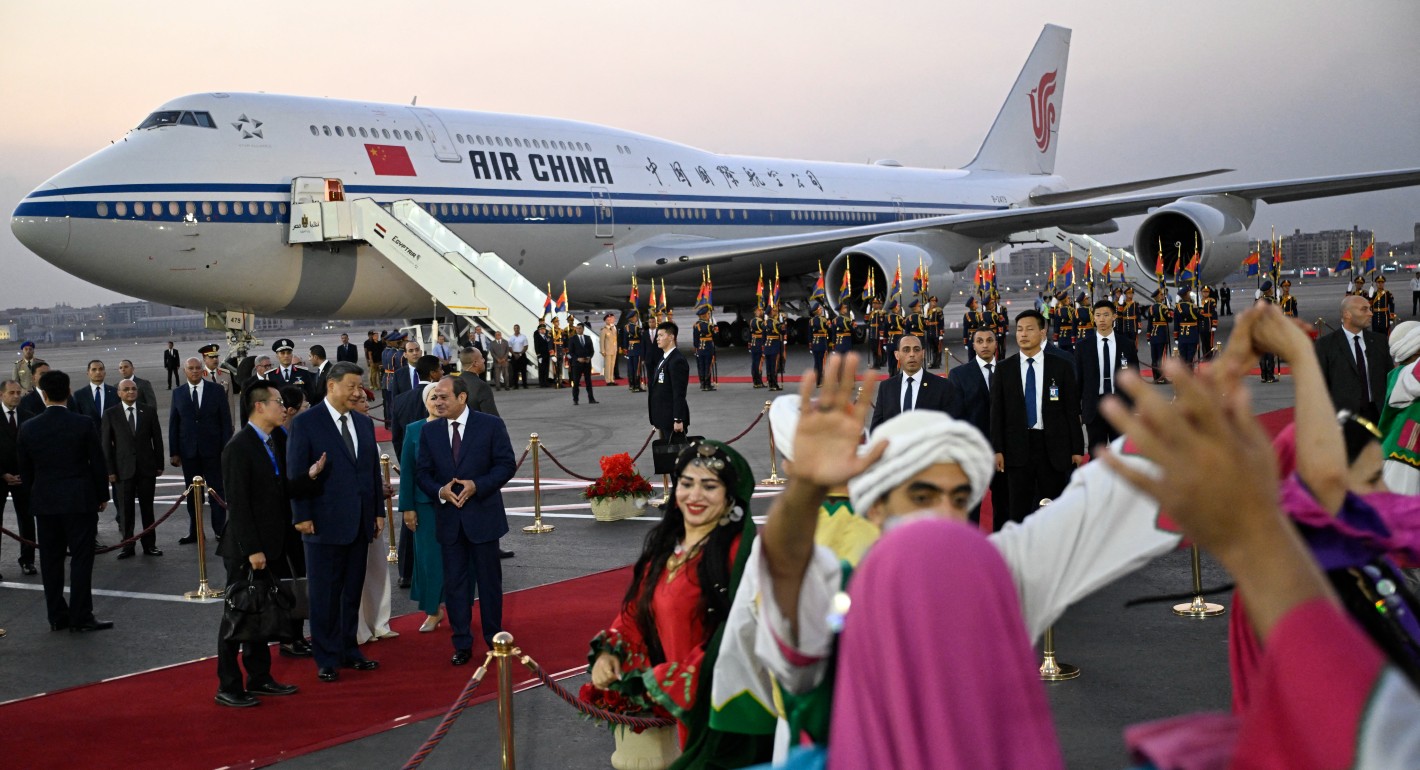
Amid celebrations of bilateral ties was a deeper focus on stability in the Middle East.

Amr Hamzawy

Canadian Prime Minister Mark Carney has twice inspired praise for standing up to U.S. President Donald Trump: at the 2026 World Economic Forum in Davos and on Canada-U.S. trade negotiations. Is Carney showing a third way better than the EU has in dealing with the Trump administration?

Rym Momtaz, ed.
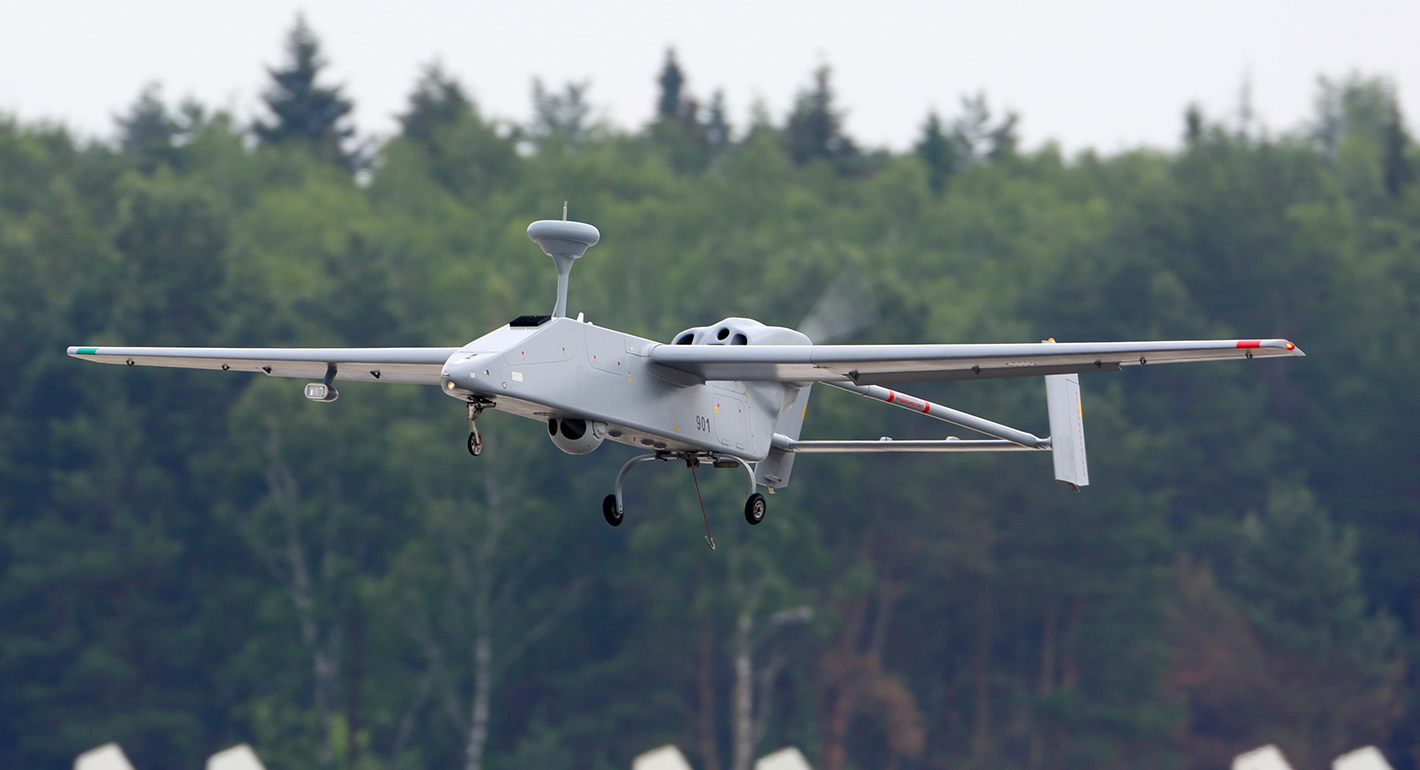
Moscow is testing Europe’s defenses with drone incursions and could decide to use drones against the continent on a much larger scale once the war in Ukraine pauses. European countries will need Kyiv to help them prepare for such a possibility.
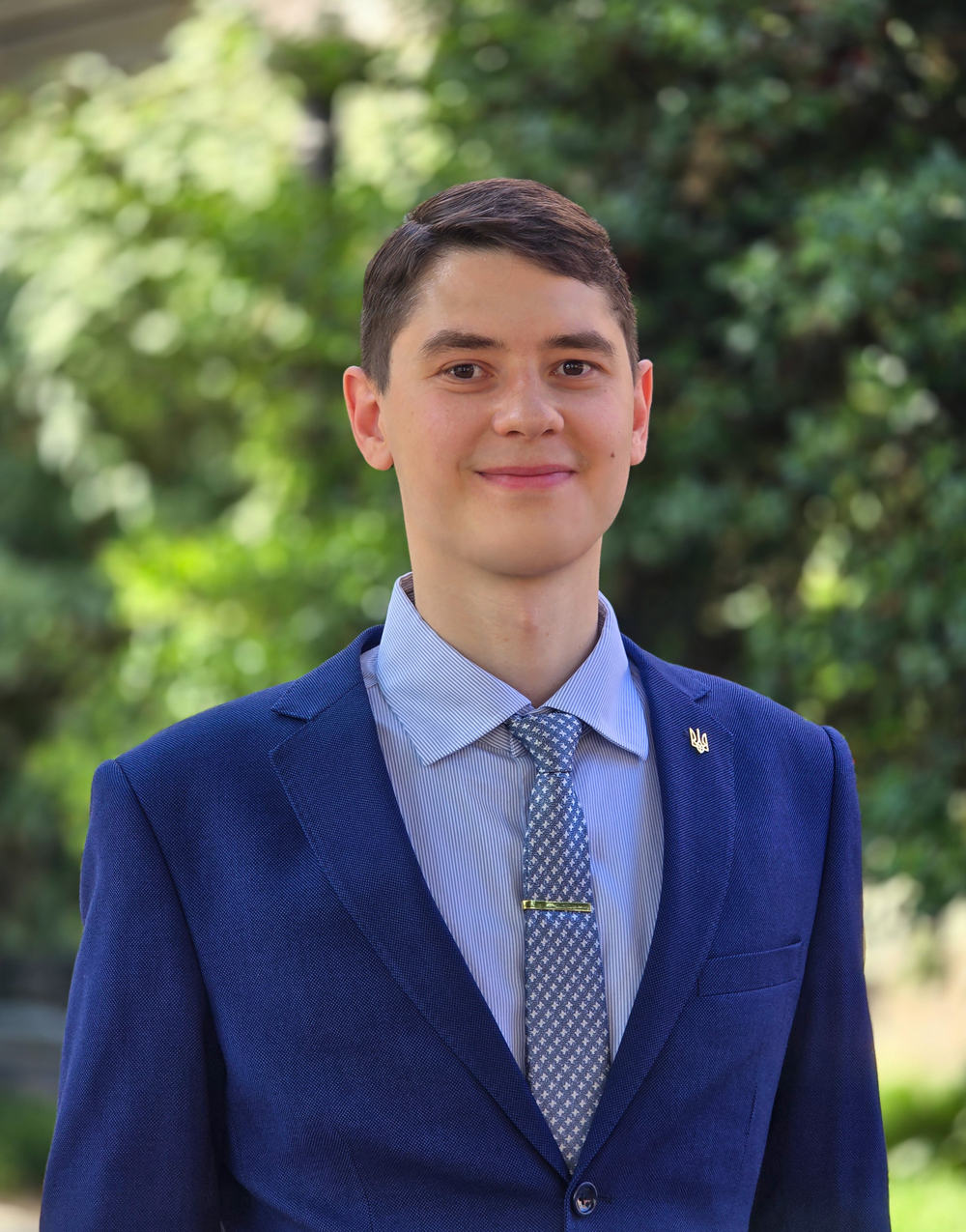
Pavlo Zvenyhorodskyi

Xi, Putin, and other regional leaders are back-slapping in Bishkek, but the SCO has yet to answer the most serious questions about continental Asia's economic future.

Evan A. Feigenbaum