

Other
Fiona Hill, Anatol Lieven, Thomas de Waal
{
  "authors": [
    "Anatol Lieven"
  ],
  "type": "legacyinthemedia",
  "centerAffiliationAll": "dc",
  "centers": [
    "Carnegie Endowment for International Peace"
  ],
  "collections": [],
  "englishNewsletterAll": "ctw",
  "nonEnglishNewsletterAll": "",
  "primaryCenter": "Carnegie Endowment for International Peace",
  "programAffiliation": "russia",
  "programs": [
    "Russia and Eurasia"
  ],
  "projects": [],
  "regions": [
    "United States",
    "South Asia",
    "India"
  ],
  "topics": [
    "Security",
    "Military",
    "Foreign Policy"
  ]
}
REQUIRED IMAGE
Source: Carnegie
Originally published in the Financial Times, January 10, 2002.
The Islamist terrorists who attacked India's parliament recently have achieved one of their main goals: greatly to increase tension between India and Pakistan.
This could be a win-win situation for the terrorists. A large-scale war between India and Pakistan would produce an increase in radicalism across the Muslim world, particularly if the US could be portrayed as supporting India. The extremists also stand to benefit if war is avoided and the government of General Pervez Musharraf is forced into making humiliating public concessions. They now hate General Musharraf and his "pro-American" policies and are keen to weaken him domestically in the hope of paving the way for an Islamist takeover.
For if Pakistan in the past was culpable in helping these groups to take part in the Kashmiri struggle, today parts of them have clearly escaped from Pakistani control and are pursuing their own agenda. This is now the most dangerous element in the Kashmiri imbroglio. Government officials in Pakistan admit that they helped create a Frankenstein's monster in both Afghanistan and Kashmir.
These groups are not just religious; they are also social revolutionaries and a threat to the dominance of the Pakistani political and social elites.
Finding a solution to the Kashmir conflict is now clearly a priority for America and the west. Quite apart from the threat of a nuclear clash, Pakistan's help remains essential in preventing al-Qaeda elements from fleeing Afghanistan and continuing their activities elsewhere. Tension and clashes with India are an immense distraction from this task; and because the US is now seen by most Pakistanis as "tilting towards India", they diminish still further the readiness of Pakistani officers and officials to help the US. This increases the likelihood of a leakage of nuclear expertise and materiel to terrorist groups.
Equally important, the military rivalry between India and Pakistan severely damages their economies and undermines their political systems. In the case of Pakistan, the effort of competing with an adversary seven times its size could even push it down the road to ultimate state failure and Islamist revolution.
Any effective international approach to solving the conflict over Kashmir has to be based on a recognition that there has been fault on both sides. Great pressure must be placed on Pakistan to dissolve and expel the extremist groups based on its soil. However, it is also vital to recognise the legitimate sympathy of most Pakistanis for the suffering and the aspirations of the Muslim majority in Kashmir.
If there is to be any chance of peace, the international community must insist that India recognise three things. First, it must understand that, while Pakistani-backed international extremism has made the Kashmir crisis worse, its roots lie in the discontent of a majority of Kashmiri Muslims with many aspects of Indian rule and, above all, with the brutal repression conducted by the Indian security forces.
Second, India should recognise that Kashmir, and not just "terrorism", is central to the relationship with Pakistan.
Last, India must accept that given the international dangers stemming from this conflict - and the continual failure of India and Pakistan to reach an agreement - the international community has a right and a duty to mediate between them and to seek a solution based on both Indian sovereignty and Kashmiri and Pakistani interests.
Unfortunately, India is far from admitting any of this or pursuing a genuine peace process over Kashmir. Instead, like Israel, Turkey and Russia in their ethnic conflicts, it is using the slogan of a "war against terrorism" to avoid seeking a political solution or allowing any formal international role. And while international leverage on a weak and shaken Pakistan is now considerable, influence on India is much more limited.
There is, however, one incentive that a united international community could offer India in return for a real willingness to seek a Kashmiri settlement: the possibility of a permanent seat on the United Nations Security Council. This is a passionate Indian desire; and is also justified in principle by the size of India's population, the historical depth and grandeur of Indian culture and the record of Indian democracy (Kashmir excepted).
I advance this suggestion with great hesitation, being fully aware of the immense difficulties involved in any such approach. But if the UN Security Council is to retain any relevance in the long term, it cannot be mono-polised in perpetuum by the victors of 1945. It also seems fair and rational that a link should be made between a great advance in India's formal international prestige and a significant increase in Indian responsibility and moderation over a key issue of international concern.

Former Senior Associate
Recent Work

Fiona Hill, Anatol Lieven, Thomas de Waal
Carnegie does not take institutional positions on public policy issues; the views represented herein are those of the author(s) and do not necessarily reflect the views of Carnegie, its staff, or its trustees.
Despite the agreement’s uncertainty, it’s still a significant development in regional and nuclear policy.


Andrew Leber, Jane Darby Menton
“AI safety in parallel” is modest and pragmatic but vital.

Matt Sheehan

Trump is distracted and Ukraine wants Europe to step up. The continent’s leaders must find their voice and assert it in talks with Russia.

Alissa de Carbonnel
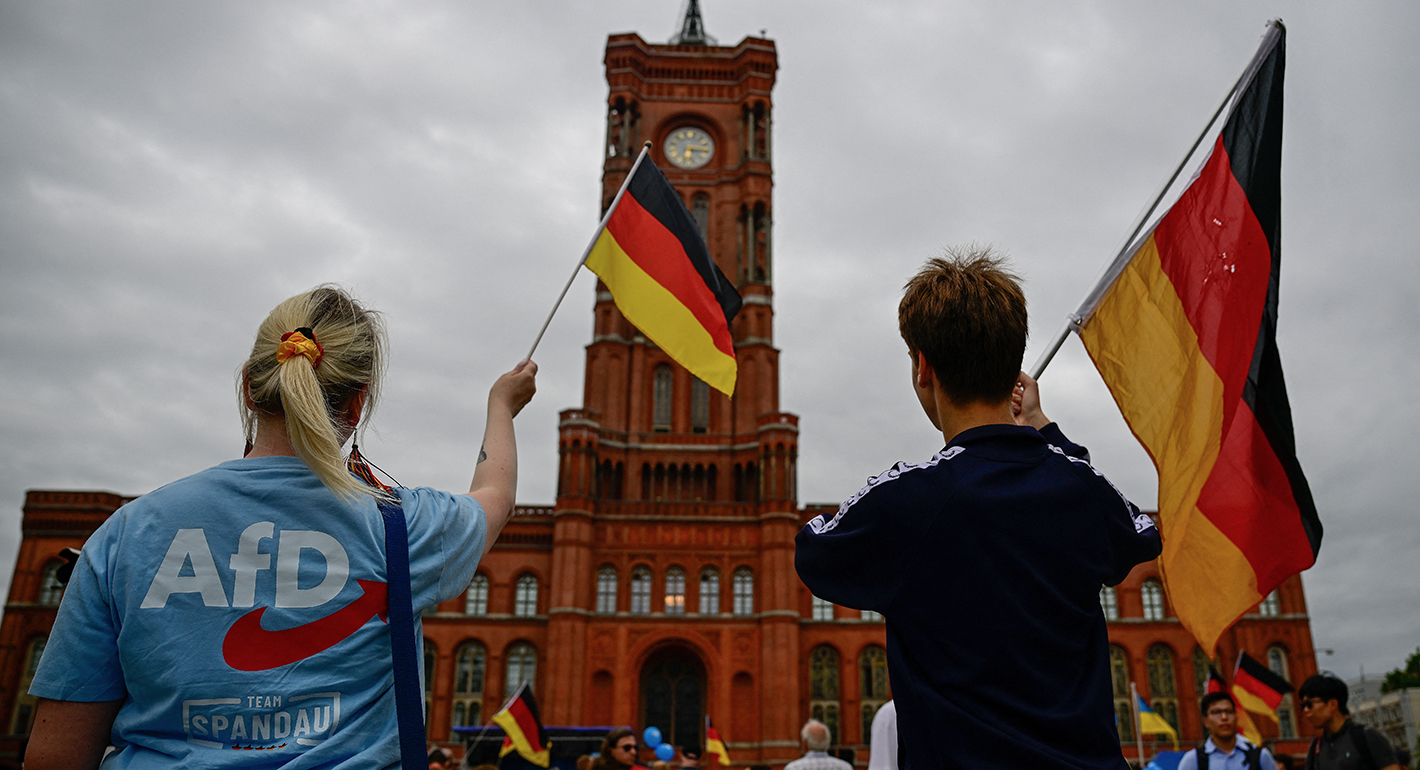
Unresolved tensions within the AfD may ultimately constrain the its potential as a leader among European and global populist forces.
Jeremy Cliffe
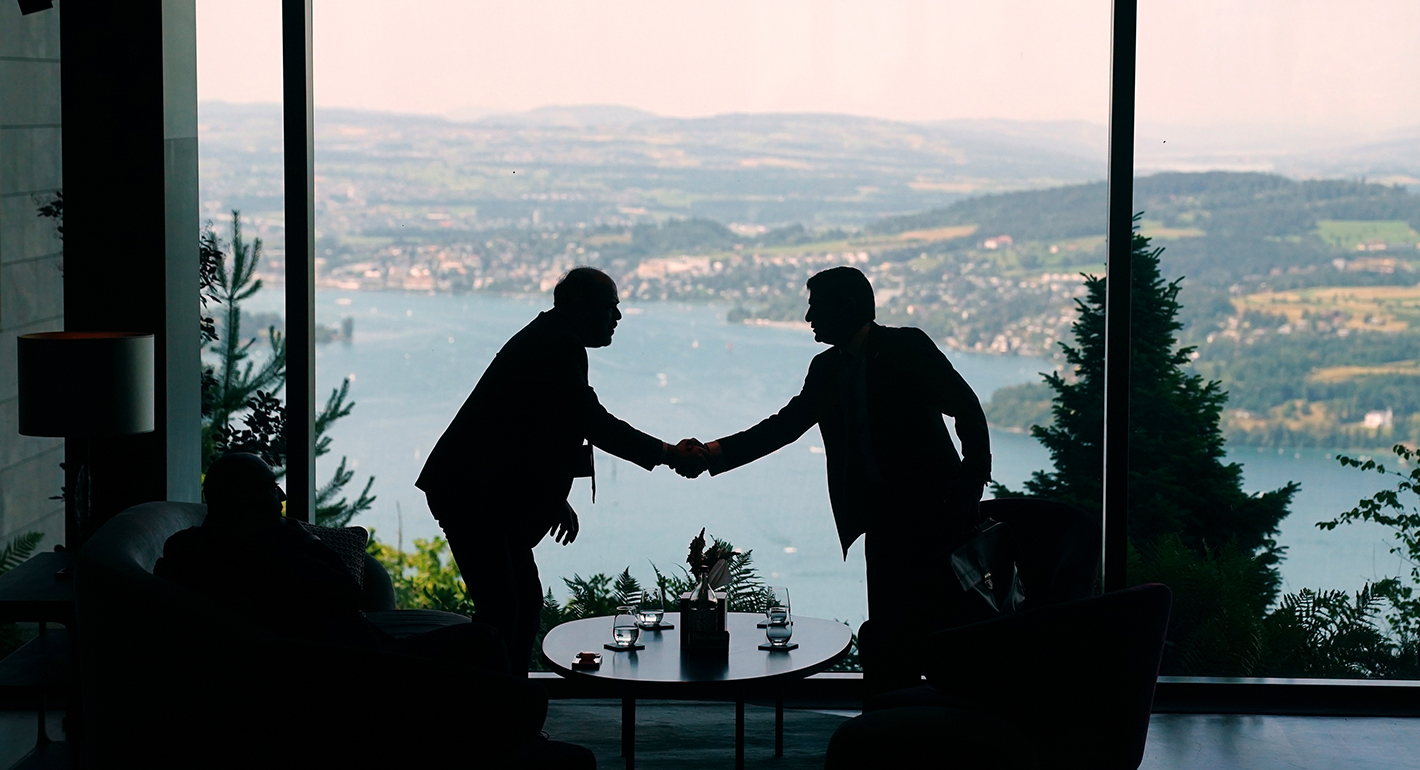
There is a deeply rooted assumption in post–Cold War American statecraft that overwhelming military and economic power translates directly into favorable political outcomes. But force alone is rarely enough. To meet the challenges of the mid-21st century, Washington needs a cultural shift toward a mindset that takes negotiation far more seriously.

Cecily Brewer