

Report
Mr. Husain Haqqani, Ashley J. Tellis
{
  "authors": [
    "Husain Haqqani"
  ],
  "type": "legacyinthemedia",
  "centerAffiliationAll": "dc",
  "centers": [
    "Carnegie Endowment for International Peace"
  ],
  "collections": [],
  "englishNewsletterAll": "ctw",
  "nonEnglishNewsletterAll": "",
  "primaryCenter": "Carnegie Endowment for International Peace",
  "programAffiliation": "russia",
  "programs": [
    "Russia and Eurasia"
  ],
  "projects": [],
  "regions": [
    "Pakistan"
  ],
  "topics": [
    "Security"
  ]
}
REQUIRED IMAGE
Source: Carnegie
Originally published in the International Herald Tribune, May 21, 2002
ISLAMABAD, Pakistan While the recent terrorist attack on a military camp in Indian-controlled Kashmir, which killed 35 people, has led to further deterioration in relations between India and Pakistan, terrorist attacks such as the recent suicide bombing in Karachi, which killed 11 French naval engineers, demonstrate Pakistan's own vulnerability as a front-line state in the war against terrorism.
President Pervez Musharraf called the bombing an attempt to destabilize Pakistan and "weaken its resolve" in the fight against terrorism. But his decision to create a new anti-terrorism task force and the arrest of more than 400 militant Islamists are unlikely to deter future terrorist attacks in India or Pakistan.
Musharraf needs international help in dealing with the terrorist threat. To be effective, such support should go beyond the economic and military assistance that has already been promised. It needs to involve advice on breaking Musharraf's isolation at home and in ending Pakistan's standoff with India.
Musharraf does not seem to understand the link between terrorism and his mistaken domestic and regional agenda. It is time for the United States and other Western nations to explain to him that his support for the campaign against terrorism is being undermined by other elements of his own policies.
Over the years law enforcement has become ineffective in Pakistan. The resources of police and intelligence-gathering agencies have been over-stretched as governments use them to stay in power.
Only recently, for example, almost the entire machinery of state was deployed to help Musharraf win an uncontested referendum to prolong his presidency. Political distractions leave little time or resources for actual police or intelligence work. The terrorists know that and take advantage of it.
It is wrong for Pakistan to claim that the recent terrorist attacks are a consequence of its support for the United States in the war against terrorism. Al Qaeda and other Islamic militant groups have operated in Pakistan for years and the country was a target of their attacks well before Sept. 11. Only the frequency and impact of the attacks has accelerated in recent months.
Islamabad's support for the Taliban and its acceptance of militants operating in Indian-controlled Kashmir helped to create an underground extremist network throughout Pakistan itself. It is this network the Musharraf regime must now eliminate. But to do so, the government has to consolidate its support within Pakistani society while rebuilding the police, intelligence and judicial services.
The government's energy is being sapped by Musharraf's crusade against Pakistan's politicians. Massive resources have been spent on corruption investigations aimed at politicians, civil servants and businessmen. Islamic militants, on the other hand, have been released from detention for want of evidence.
Washington could help Pakistan by securing a stand-down of forces massed on the India-Pakistan border. But Washington will also have to persuade Musharraf to convince India of his good intentions by withdrawing support from Islamic militants in Kashmir. Pakistan has a valid case on Kashmir. It should be pursued without attracting charges that Islamabad supports extremists.
There is a self-destructive cycle at work. Pakistan runs the risk of further destabilization if domestic terrorism and deteriorating relations with India are not immediately brought under control.
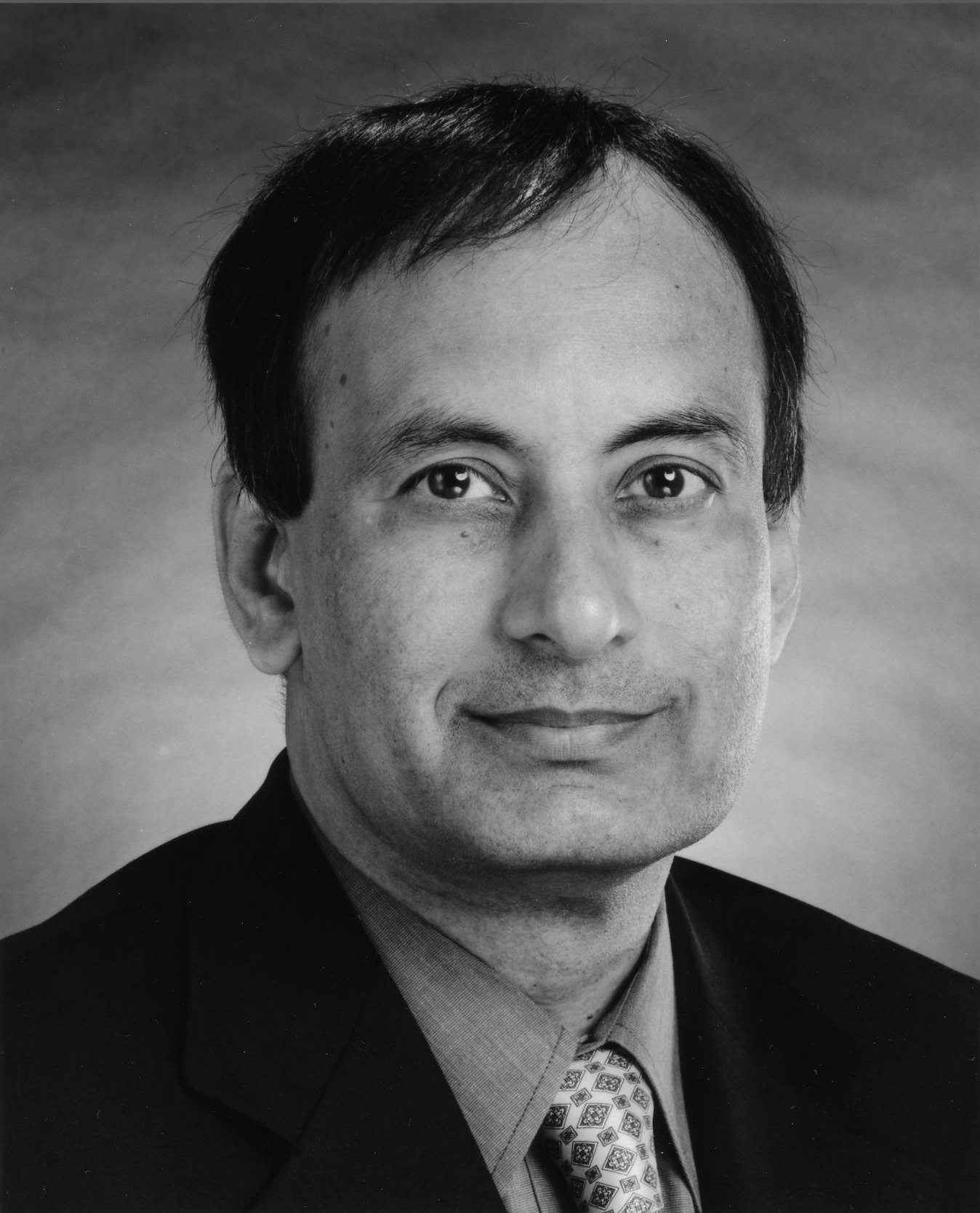
The writer, a former Pakistan ambassador and adviser to Prime Ministers Nawaz Sharif and Benazir Bhutto, is a visiting scholar at the Carnegie Endowment for International Peace. He contributed this comment to the International Herald Tribune.
Former Visiting Scholar
Recent Work
Mr. Husain Haqqani, Ashley J. Tellis
Mr. Husain Haqqani

Are Germany’s economic, industrial, and political struggles becoming a liability for the EU’s ability to rise to the geopolitical moment?

Rym Momtaz, ed.

China’s police training infrastructure construction projects provide benefits to recipient countries, promote China’s image as a major global security provider, and are likely to reinforce alignment between Beijing’s security priorities and those of countries in the Global South.


Cameron Waltz, Sheena Chestnut Greitens, Kim Nguyen, …
They face an uphill climb, but they could draw on a strategy that other diplomats have used in the past.


Shana Tabak, Alejandro Martin Rodriguez

Understanding the climatic pain points is necessary for policymakers hoping to minimize the war’s negative environmental consequences.


Alejandro Martin Rodriguez, Joy Arkeh, Sarah Yerkes

The books, podcasts, and films that explain the world it made.

Andrew Leber