

Report
Mr. Husain Haqqani, Ashley J. Tellis
{
  "authors": [
    "Husain Haqqani"
  ],
  "type": "legacyinthemedia",
  "centerAffiliationAll": "dc",
  "centers": [
    "Carnegie Endowment for International Peace"
  ],
  "collections": [],
  "englishNewsletterAll": "ctw",
  "nonEnglishNewsletterAll": "",
  "primaryCenter": "Carnegie Endowment for International Peace",
  "programAffiliation": "russia",
  "programs": [
    "Russia and Eurasia"
  ],
  "projects": [],
  "regions": [
    "South Asia",
    "Pakistan"
  ],
  "topics": []
}
REQUIRED IMAGE
Source: Carnegie
Originally published in International Herald Tribune, June 11, 2002
ISLAMABAD, Pakistan - India and Pakistan have toned down their rhetoric of nuclear war in recent days, but the threat of conflict remains. When they each tested nuclear weapons in 1998, it was hoped that there would be no further wars between them. But since then deterrence has already failed once.
The two armies clashed in the high mountain region of Kargil in Kashmir in 1999. After a terrorist attack on the Indian Parliament in December, a million troops have massed on either side of the 3,200-kilometer border between Pakistan and India. Such confrontations have never occurred with this frequency between the world's other nuclear powers. Can deterrence be sustained between India and Pakistan in the way it worked between the United States and the Soviet Union in the Cold War? India and Pakistan have nuclear weapons but do not have in place any of the other elements of deterrence. They do not have clearly identified "red lines," the crossing of which would result in a nuclear strike. There are no arms control talks, no detailed nuclear doctrines and no telephone hot lines to guard against triggering misperceived or accidental nuclear clashes.
Hawks in India think that they can manage a limited war with Pakistan without either side resorting to nuclear arms. Pakistani hard-liners believe that demonstrating the will to use nuclear weapons is important in containing an Indian threat. If the hawks on both sides carry out their threats, India could start a conventional war and Pakistan could take it to the nuclear stage.
India and Pakistan are home to more than a billion people, accounting for one-fifth of the world's population. They have fought three wars in 54 years. Kashmir, the former princely state in the Himalayas with a Muslim majority that is at the heart of their dispute, has been the center of an insurrection since 1989. India accuses Pakistan of supporting the insurgency in Indian-controlled parts of Kashmir with the induction of Islamic militants, at least some of whom share beliefs with Al Qaeda and the Taliban.
U.S. Defense Secretary Donald Rumsfeld is following Deputy Secretary of State Richard Armitage to South Asia this week to try to minimize the threat of war. The situation in the region has received less attention in Washington than it deserves. But the latest twist in the long and bitter feud between India and Pakistan is directly linked with America's war against terrorism.
In the last few months the terrorists have intensified attacks in Kashmir and India. There have also been attacks in Pakistan, to protest its recent support for the United States. Both New Delhi and Islamabad seem to be ignoring the possibility that the militants' latest attacks are meant to provoke them into war.
Prime Minister Atal Bihari Vajpayee refuses to talk directly to President Pervez Musharraf until the end of "all cross-border terrorism." The presence of some militant groups over which Pakistan's government has no influence makes that condition impossible to meet. Pakistan is believed to be acting against the militants it can control, albeit slowly.
But the presence of large numbers of Indian troops on the border discourages Musharraf from moving too fast. Supporters of the militants argue that they would serve as an important fifth column for Pakistani soldiers, in sabotage actions against much larger and better equipped Indian forces, in case of war. Withdrawal of the Indian threat of war would help Musharraf fulfill his promises of ending militant infiltration from Pakistan. The United States could provide the mechanism for verifying Pakistan's compliance with its commitments. But defusing the current crisis is only half the battle. If fears of a nuclear clash are to be banished, the root causes of violence between India and Pakistan must be addressed. In addition to using its influence with Pakistan to get action against all Islamic extremists, the United States should persuade India to get serious about resolving the dispute over Kashmir.
India and Pakistan should remember that mere possession of nuclear weapons does not create deterrence. Negotiations are also necessary.
The writer, a visiting scholar at the Carnegie Endowment for International Peace, served as adviser to the Pakistani prime ministers Nawaz Sharif and Benazir Bhutto. He contributed this comment to the International Herald Tribune.
Former Visiting Scholar
Recent Work
Mr. Husain Haqqani, Ashley J. Tellis
Mr. Husain Haqqani
Carnegie does not take institutional positions on public policy issues; the views represented herein are those of the author(s) and do not necessarily reflect the views of Carnegie, its staff, or its trustees.
The United States ignores the region’s lived experience—and the tough political and social trade-offs the war has produced—at its peril.

Evan A. Feigenbaum
Not only does the fighting jeopardize regional security, it undermines Russian attempts to promote alternatives to the Western-dominated world order.

Ruslan Suleymanov

The incoming government has swept Nepal’s election. The real work begins now.
Amish Raj Mulmi
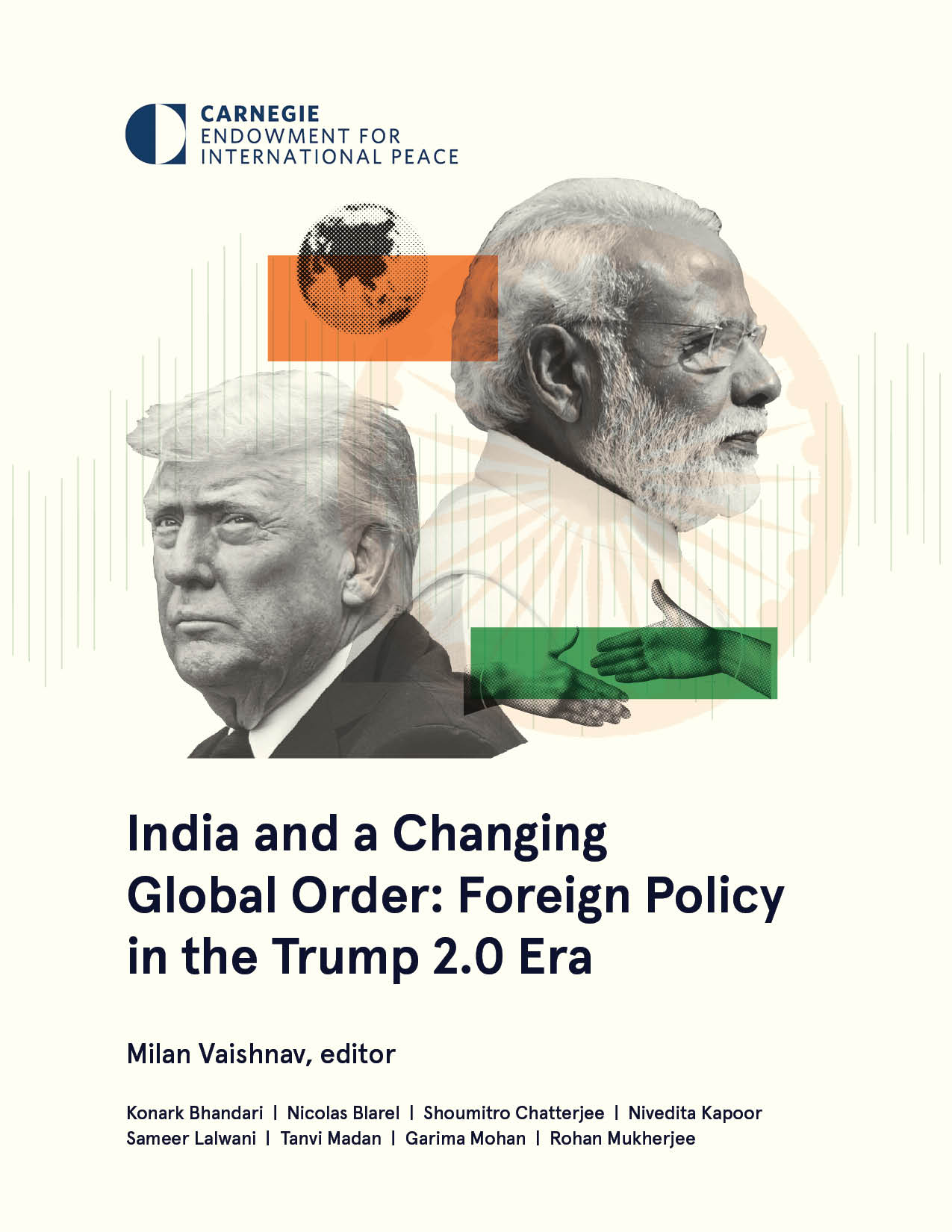
Trump 2.0 has unsettled India’s external environment—but has not overturned its foreign policy strategy, which continues to rely on diversification, hedging, and calibrated partnerships across a fractured order.



Milan Vaishnav, ed., Sameer Lalwani, Tanvi Madan, …
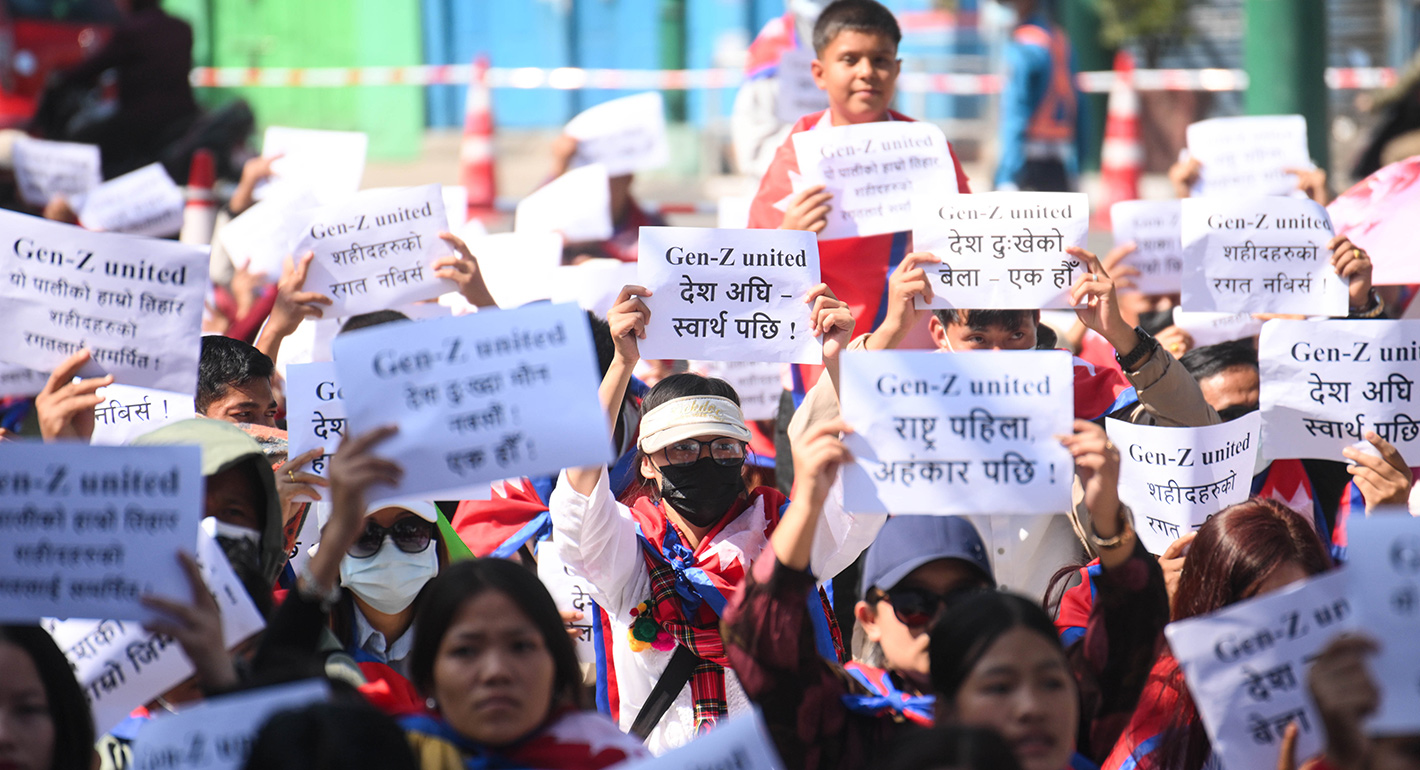
A disconnect between Gen Z citizenry and older rulers has fueled massive demonstrations. What are the key issues and how is protest energy translating into electoral change?
Usama Khilji