• Research
  • Emissary
  • About
  • Experts
Carnegie Global logoCarnegie lettermark logo
Democracy
  • Donate
{
  "authors": [
    "Shishir Priyadarshi"
  ],
  "type": "other",
  "centerAffiliationAll": "",
  "centers": [
    "Carnegie Endowment for International Peace"
  ],
  "collections": [],
  "englishNewsletterAll": "",
  "nonEnglishNewsletterAll": "",
  "primaryCenter": "Carnegie Endowment for International Peace",
  "programAffiliation": "",
  "programs": [],
  "projects": [],
  "regions": [],
  "topics": [
    "Economy",
    "Trade"
  ]
}
REQUIRED IMAGE

REQUIRED IMAGE

Other

Reforming Global Trade in Agriculture: A Developing-Country Perspective

More than seven years after the members of the World Trade Organization (WTO) signed the landmark Agreement on Agriculture (AOA), the benefits and drawbacks of that accord are coming into stark relief. A new agreement should give developing countries the flexibility to adopt domestic policies that are geared to enhance domestic production and protect the livelihoods of their rural poor.

Link Copied
By Shishir Priyadarshi
Published on Aug 23, 2002

Source: Carnegie

More than seven years after the members of the World Trade Organization (WTO) signed the landmark Agreement on Agriculture (AOA), the benefits and drawbacks of that accord are coming into stark relief. For developing countries dependent on agriculture exports, the AOA has not succeeded in opening markets in industrial countries. Even more crucially, the low-income and resource-poor farmers in the world’s poor and vulnerable countries continue to suffer from a lack of adequate and secure food sources, while having to contend with import surges and other forces of global competition.

The new round of agriculture negotiations, the mandate of which was further strengthened in the November 2001 Doha Ministerial Declaration, gives the WTO and its members a chance to rectify these imbalances. A new agreement should give developing countries the flexibility to adopt domestic policies that are geared to enhance domestic production and protect the livelihoods of their rural poor.

About the Author
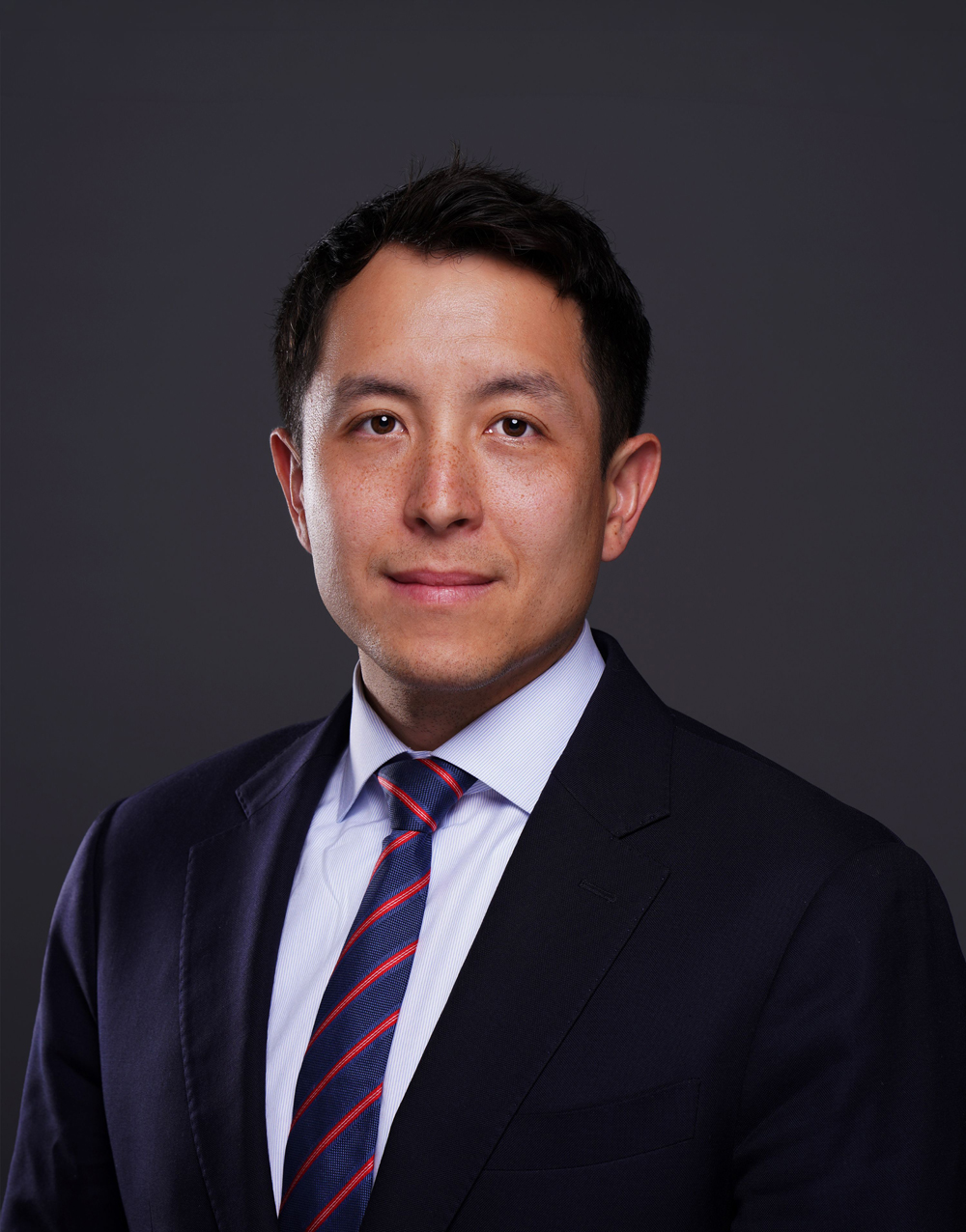
Shishir Priyadarshi
is on the staff of the Development and Economic Research Division of the World Trade Organization in Geneva. He is responsible for the work of the WTO’S Committee on Trade and Development, including the mandated work arising out of the Doha Development Agenda on technology transfer and special and differential treatment. Until recently, he was on the staff of the South Centre, an intergovernmental organization of developing countries based in Geneva, where he was responsible for providing developing countries with analytical and technical assistance on issues being considered by the WTO.

Shishir Priyadarshi
EconomyTrade

Carnegie does not take institutional positions on public policy issues; the views represented herein are those of the author(s) and do not necessarily reflect the views of Carnegie, its staff, or its trustees.

More Work from Carnegie Endowment for International Peace

  • Commentary
    Strategic Europe
    Taking the Pulse: Can the EU Attract Foreign Investment and Reduce Dependencies?

    EU member states clash over how to boost the union’s competitiveness: Some want to favor European industries in public procurement, while others worry this could deter foreign investment. So, can the EU simultaneously attract global capital and reduce dependencies?

      • Rym Momtaz

      Rym Momtaz, ed.

  • Commentary
    Strategic Europe
    Europolis, Where Europe Ends

    A prophetic Romanian novel about a town at the mouth of the Danube carries a warning: Europe decays when it stops looking outward. In a world of increasing insularity, the EU should heed its warning.

      Thomas de Waal

  • Wide shot of Trump and Modi, with Trump pointing
    Commentary
    Emissary
    The Trump-Modi Trade Deal Won’t Magically Restore U.S.-India Trust

    Washington and New Delhi should be proud of their putative deal. But international politics isn’t the domain of unicorns and leprechauns, and collateral damage can’t simply be wished away.

      Evan A. Feigenbaum

  • people sitting on a stage
    Commentary
    From Loss and Damage to Climate Mobility Action

    Senior climate, finance, and mobility experts discuss how the Fund for Responding to Loss and Damage could unlock financing for climate mobility.

      • Alejandro Rodriguez

      Alejandro Martin Rodriguez

  • Commentary
    Strategic Europe
    Europe Falls Behind in the South Caucasus Connectivity Race

    The EU lacks leadership and strategic planning in the South Caucasus, while the United States is leading the charge. To secure its geopolitical interests, Brussels must invest in new connectivity for the region.

      Zaur Shiriyev

Get more news and analysis from
Carnegie Endowment for International Peace
Carnegie global logo, stacked
1779 Massachusetts Avenue NWWashington, DC, 20036-2103Phone: 202 483 7600Fax: 202 483 1840
  • Research
  • Emissary
  • About
  • Experts
  • Donate
  • Programs
  • Events
  • Blogs
  • Podcasts
  • Contact
  • Annual Reports
  • Careers
  • Privacy
  • For Media
  • Government Resources
Get more news and analysis from
Carnegie Endowment for International Peace
© 2026 Carnegie Endowment for International Peace. All rights reserved.