

Report
Mr. Husain Haqqani, Ashley J. Tellis
{
  "authors": [
    "Husain Haqqani"
  ],
  "type": "legacyinthemedia",
  "centerAffiliationAll": "dc",
  "centers": [
    "Carnegie Endowment for International Peace"
  ],
  "collections": [],
  "englishNewsletterAll": "ctw",
  "nonEnglishNewsletterAll": "",
  "primaryCenter": "Carnegie Endowment for International Peace",
  "programAffiliation": "russia",
  "programs": [
    "Russia and Eurasia"
  ],
  "projects": [],
  "regions": [],
  "topics": [
    "Political Reform",
    "Democracy"
  ]
}
REQUIRED IMAGE
Source: Carnegie
Originally appeared in the International Herald Tribune, November 15, 2002
The electoral victory in Turkey of a party with Islamic roots demonstrates the limitations of trying to enforce secularism in Muslim countries as an anti-religious ideology rather than a political system ensuring separation of church and state.
Turkey's Justice and Development Party - the AKP - is not an Islamist group because it does not seek to enforce Islamic law. But its leader, Recep Tayyip Erdogan, is a practicing Muslim who was once active in the Islamist movement. Erdogan is banned from running for office at the behest of Turkey's military, which balks at all public manifestations of Islamic religion as anti-secular. The victory of the AKP, despite its leader's disqualification, challenges the view of what a secular democratic Turkey must look like.
Erdogan has tried to reassure the world of his pragmatic credentials in every possible way, from supporting Turkey's membership of the European Union to maintaining ties with Israel. From an international point of view, it is clearly desirable that Muslim Turkey integrate with Europe and serve as a bridge between the Israelis and the Palestinians while retaining its Muslim identity.
Most Turkish voters backed Erdogan's AKP because they were tired of the corrupt and incompetent politicians that survived the Turkish military's many attempts to pull strings. If the Turkish armed forces try to exclude Erdogan and his party from the political process, Turkey will have to forget its dream of joining the EU. Europe will not accept pseudo-secularism at the expense of genuine democracy.
Erdogan is likely to change the irrational aspects of Turkey's anti-religious secularism, bringing it closer to the definition of secularism in the West. For example, a Muslim schoolgirl in the United States, a country that is secular even though it is predominantly Christian, can wear a head scarf to school if she so desires. But a schoolgirl in secular, predominantly Muslim Turkey is legally forbidden from doing so.
In Muslim states from Morocco to Indonesia, westernized elites have denied democratic change, arguing that it would compromise secularism. These fears are based on the history of attempts by religious groups to impose their narrow version of Islam by force. But promoting any set of beliefs by coercion does not last and almost invariably produces a reaction.
Authoritarian Muslim rulers in Pakistan, Iran and Afghanistan have tried but failed to build more pious societies by issuing decrees. Erdogan's success amounts to a rejection of the Turkish establishment's tendency to ignore popular sentiment and insist on imposing political and social solutions from the top.
There is no substitute for tolerance. Muslim societies must recognize this fact and political groups such as AKP, with Islamic roots but secular manifestoes, can help that realization provided a democratic structure remains in place and AKP fulfills its promises.
If governments in the Muslim world open themselves to democratic change, there might be other political movements like AKP, which combine tolerance with tradition. Otherwise, the Islamic world will remain embroiled in the power struggle between authoritarian westernizers and retrogressive Islamists.
Former Visiting Scholar
Recent Work
Mr. Husain Haqqani, Ashley J. Tellis
Mr. Husain Haqqani
Carnegie does not take institutional positions on public policy issues; the views represented herein are those of the author(s) and do not necessarily reflect the views of Carnegie, its staff, or its trustees.

In Colombia and elsewhere in the region, the United States is trying to shape election outcomes—but at what cost?
Oliver Stuenkel, Adrian Feinberg
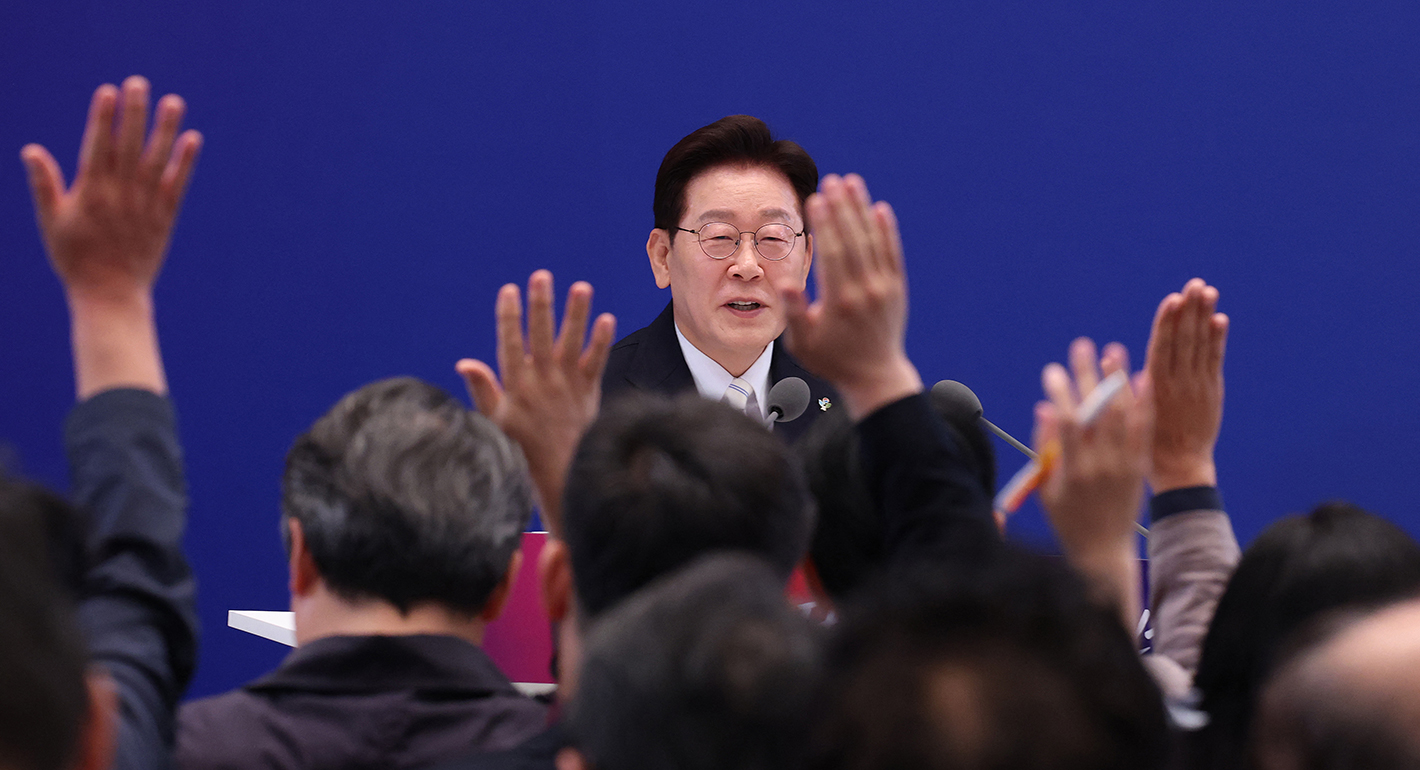
President Lee marked his first year in office after one of the most tumultuous periods in South Korean politics. Though Lee has enjoyed a high approval rating, a large majority in the National Assembly, and foreign policy victories, Lee and his party’s political fortunes depend on generating economic growth, learning the right lessons from the recent local elections, and managing contentious factional strife within his political base.
Chung Min Lee
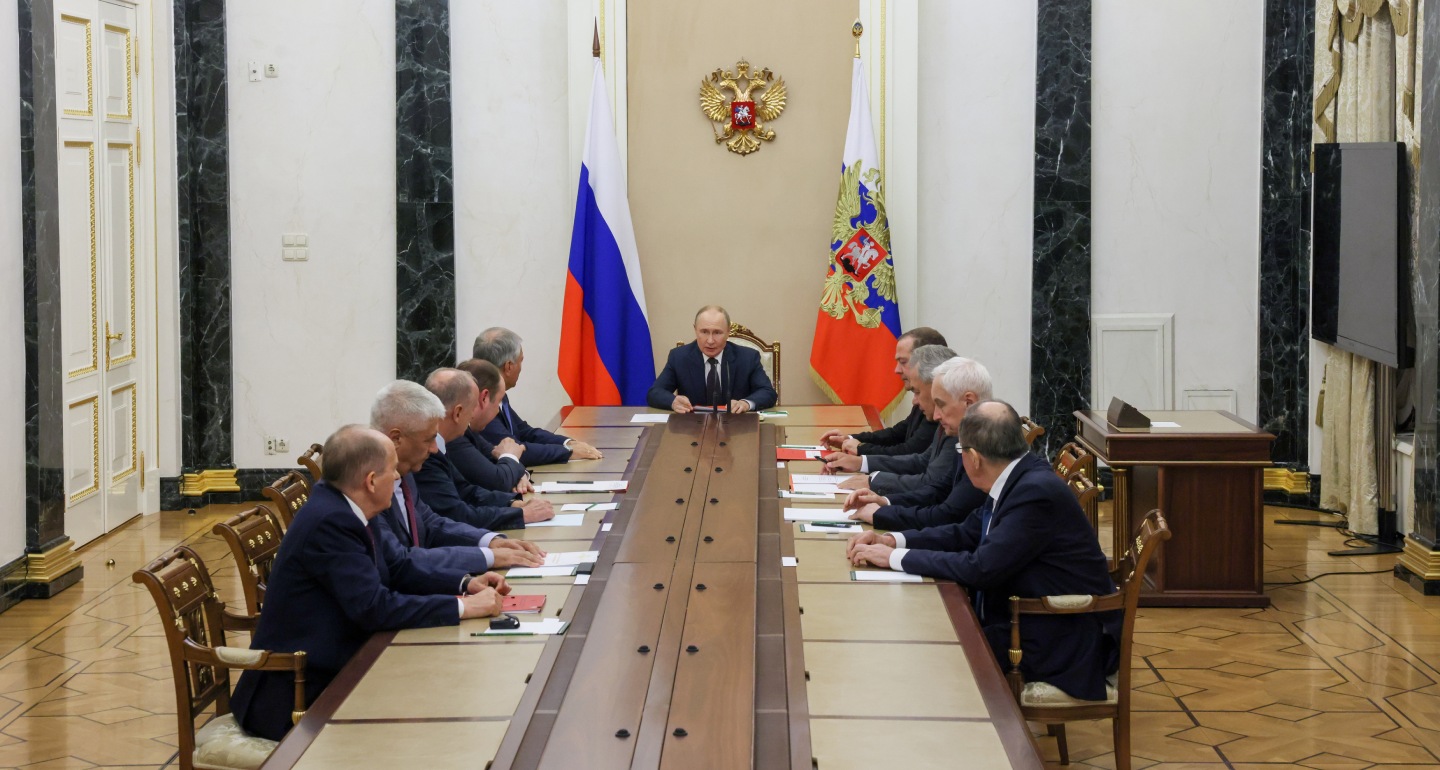
The ruling elites in contemporary Russia are not a political class, but a community of managers who are not subject to competition or public accountability. The state is becoming an operating apparatus without any internal autonomy.

Alexandra Prokopenko

Pashinyan’s pro-European party has been re-elected with a decisive victory. But the pro-Russian opposition could still slow Armenia’s progress toward peace with Azerbaijan and rapprochement with Europe.
Mikayel Zolyan
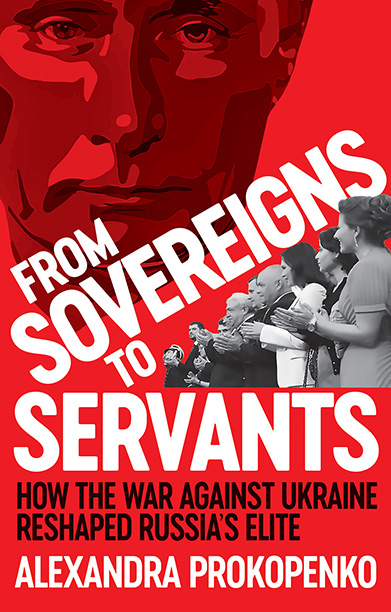
How did Putin co-opt Russia’s political and economic elites, ensuring no more than fitful resistance to the regime’s war on Ukraine?
Alexandra Prokopenko