• Research
  • Emissary
  • About
  • Experts
Carnegie Global logoCarnegie lettermark logo
DemocracyIran
  • Donate
{
  "authors": [
    "Michael McFaul"
  ],
  "type": "legacyinthemedia",
  "centerAffiliationAll": "dc",
  "centers": [
    "Carnegie Endowment for International Peace"
  ],
  "collections": [],
  "englishNewsletterAll": "ctw",
  "nonEnglishNewsletterAll": "",
  "primaryCenter": "Carnegie Endowment for International Peace",
  "programAffiliation": "russia",
  "programs": [
    "Russia and Eurasia"
  ],
  "projects": [],
  "regions": [
    "United States",
    "Middle East"
  ],
  "topics": [
    "Military",
    "Foreign Policy"
  ]
}
REQUIRED IMAGE

REQUIRED IMAGE

In The Media

Bush's Turn: Dueling Ideologies Make Justification for War Unclear

Link Copied
By Michael McFaul
Published on Jan 19, 2003
Program mobile hero image

Program

Russia and Eurasia

The Russia and Eurasia Program continues Carnegie’s long tradition of independent research on major political, societal, and security trends in and U.S. policy toward a region that has been upended by Russia’s war against Ukraine.  Leaders regularly turn to our work for clear-eyed, relevant analyses on the region to inform their policy decisions.

Learn More

Source: Carnegie

"Since Sept. 11, nation-building is ascendant again in White House:
Dueling Ideologies Make Justification for War Unclear"

Carnegie senior associate Michael McFaul on the Bush administration's policy towards Iraq.

Originally published in San Jose Mercury News on January 19, 2003. To view the article, click here.
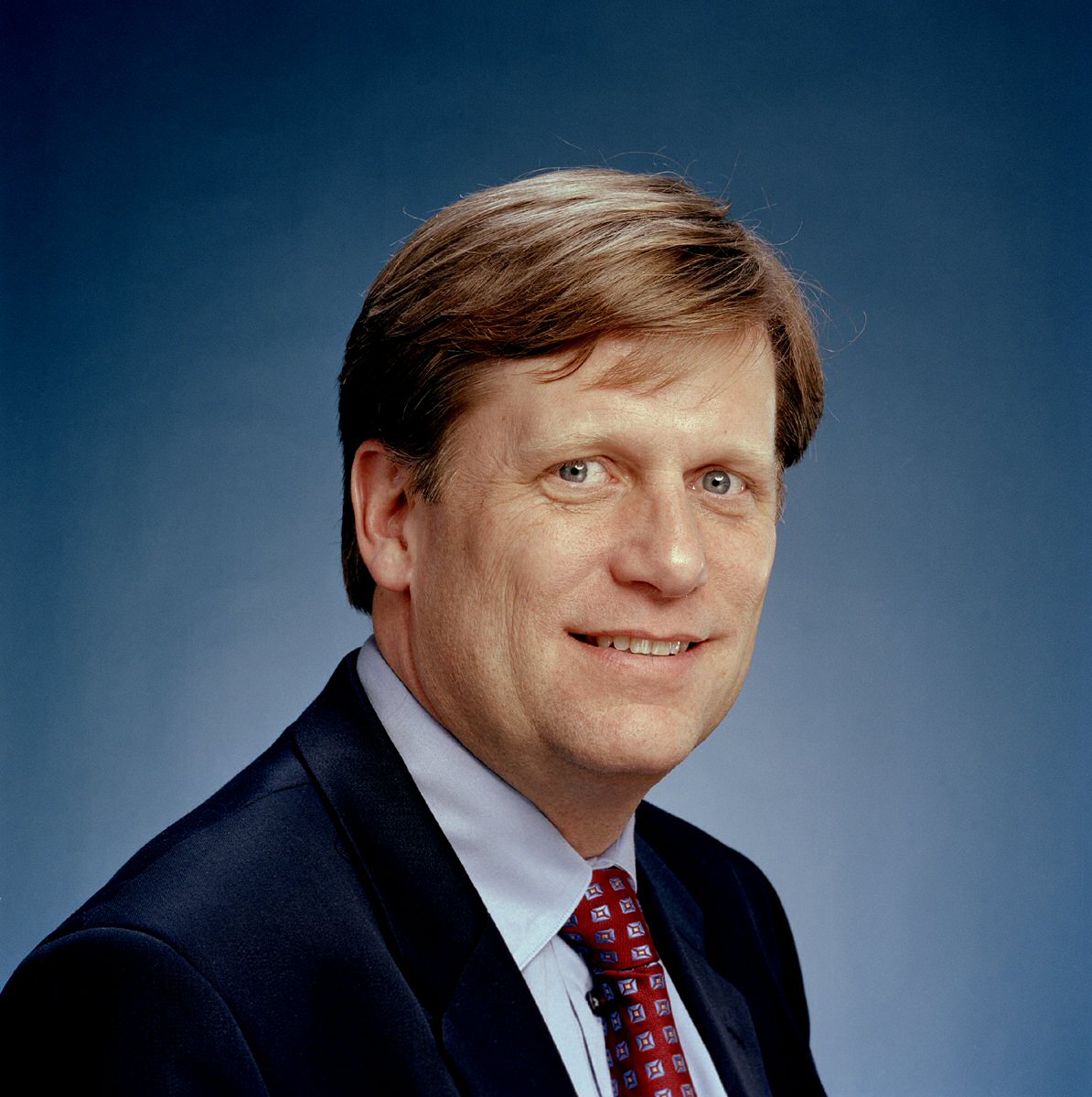
About the Author

Michael McFaul

Former Senior Associate

In addition to his role at Carnegie, McFaul is Peter and Helen Bing Senior Fellow at the Hoover Institution and associate professor of political science at Stanford University.

    Recent Work

  • Article
    Why a Democratic Russia Should Join NATO

      Леонид Гозман, Michael McFaul

  • Report
    Russia at a Crossroads: Upcoming Elections Defining Issue

      Michael McFaul, Sanja Tatic

Michael McFaul
Former Senior Associate
Michael McFaul
MilitaryForeign PolicyUnited StatesMiddle East

Carnegie does not take institutional positions on public policy issues; the views represented herein are those of the author(s) and do not necessarily reflect the views of Carnegie, its staff, or its trustees.

More Work from Carnegie Endowment for International Peace

  • Trump and MBS walking through a doorway
    Commentary
    Emissary
    What We Know About the U.S.-Saudi Nuclear Deal

    Despite the agreement’s uncertainty, it’s still a significant development in regional and nuclear policy.

      • Andrew Leber
      • Jane Darby Menton

      Andrew Leber, Jane Darby Menton

  • Trump and Xi standing next to each other
    Commentary
    Emissary
    A Path Forward on AI Safety for the United States and China

    “AI safety in parallel” is modest and pragmatic but vital.

      Matt Sheehan

  • Commentary
    Strategic Europe
    Why Europe Must Take Charge of its Russia Diplomacy Now

    Trump is distracted and Ukraine wants Europe to step up. The continent’s leaders must find their voice and assert it in talks with Russia.

      Alissa de Carbonnel

  • Supporters of the far-right Alternative for Germany (AfD) party wave German flags at a campaign rally in front of the Berlin City Hall on June 29, 2026.
    Paper
    The Alternative für Deutschland and Germany’s Unsettled Place in the World

    Unresolved tensions within the AfD may ultimately constrain the its potential as a leader among European and global populist forces.

      Jeremy Cliffe

  •  Delegation staff members meet in the lobby during a quadrilateral meeting between the U.S., Iran, Pakistan, and Qatar at the Lake Lucerne Summit, aimed at advancing a deal to end the Middle East conflict at the Buergenstock Resort, Lake Lucerne on June 21, 2026 near Stansstad, Switzerland.
    Paper
    Negotiating an Age of Conquest: Converting American Power Into Durable Political Outcomes

    There is a deeply rooted assumption in post–Cold War American statecraft that overwhelming military and economic power translates directly into favorable political outcomes. But force alone is rarely enough. To meet the challenges of the mid-21st century, Washington needs a cultural shift toward a mindset that takes negotiation far more seriously.

      • Cecily Brewer

      Cecily Brewer

Get more news and analysis from
Carnegie Endowment for International Peace
Carnegie global logo, stacked
1779 Massachusetts Avenue NWWashington, DC, 20036-2103Phone: 202 483 7600
  • Research
  • Emissary
  • About
  • Experts
  • Donate
  • Programs
  • Events
  • Blogs
  • Podcasts
  • Contact
  • Annual Reports
  • Careers
  • Privacy
  • For Media
  • Government Resources
Get more news and analysis from
Carnegie Endowment for International Peace
© 2026 Carnegie Endowment for International Peace. All rights reserved.