

Report
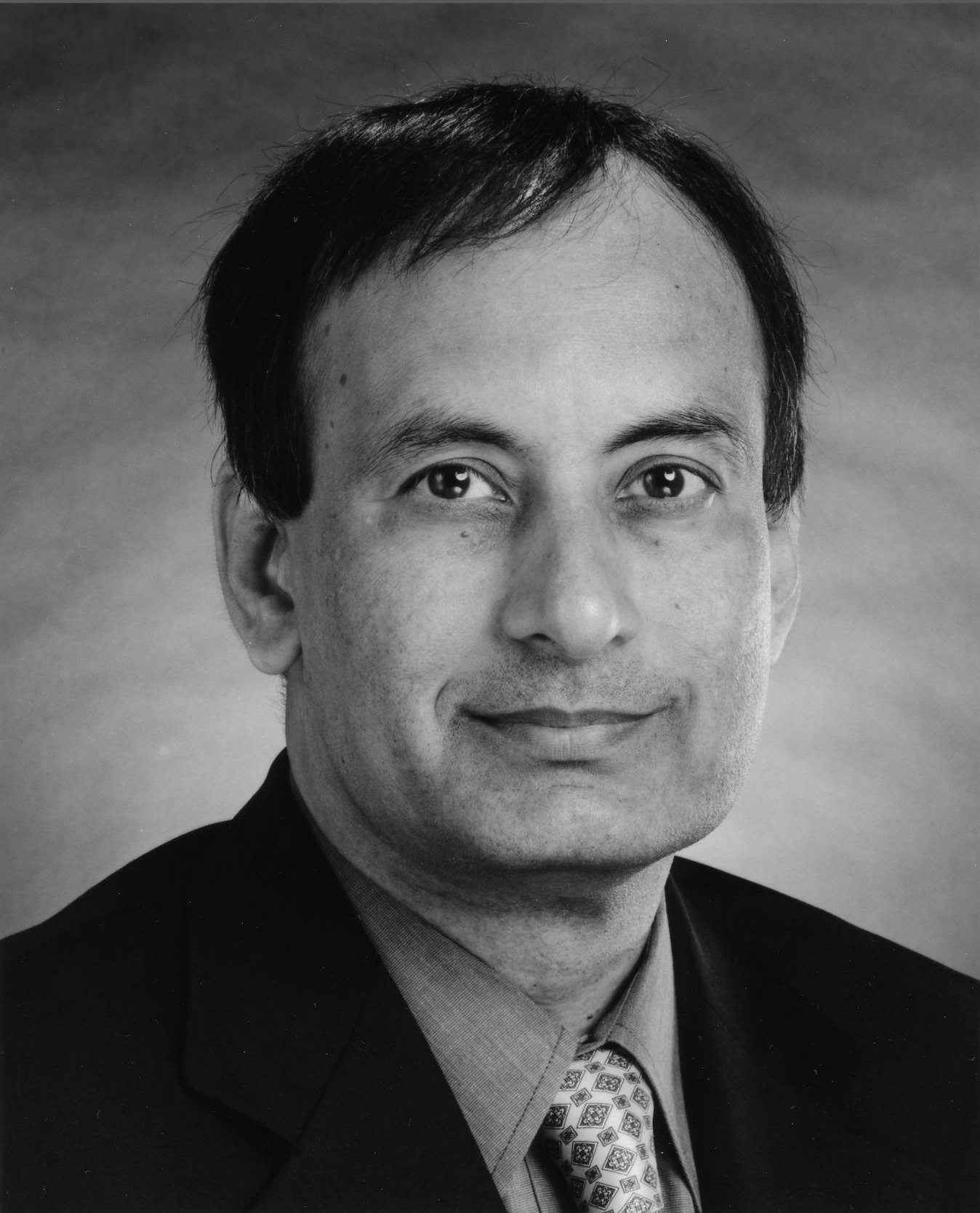
Mr. Husain Haqqani, Ashley J. Tellis
{
  "authors": [
    "Husain Haqqani"
  ],
  "type": "legacyinthemedia",
  "centerAffiliationAll": "dc",
  "centers": [
    "Carnegie Endowment for International Peace"
  ],
  "collections": [],
  "englishNewsletterAll": "ctw",
  "nonEnglishNewsletterAll": "",
  "primaryCenter": "Carnegie Endowment for International Peace",
  "programAffiliation": "russia",
  "programs": [
    "Russia and Eurasia"
  ],
  "projects": [],
  "regions": [
    "South Asia",
    "Pakistan"
  ],
  "topics": [
    "Political Reform",
    "Security",
    "Military",
    "Foreign Policy"
  ]
}
REQUIRED IMAGE
Source: Carnegie
Originally appeared in the Asian Wall Street Journal, June 23, 2003
The decision by the legislative assembly of a key Pakistani province bordering Afghanistan to impose sharia laws demonstrates the ineffectiveness of Gen. Pervez Musharraf's military regime.
An Islamist alliance won a majority in provincial elections in October, which gives it the mandate for Islamic legislation. But its members have gone beyond legislation to force women to wear veils in public and to forcibly stop the playing of music in buses and restaurants. They have also damaged billboards with women's images and trashed cinemas and circuses. This vigilantism is coupled with the provincial government's plans to set up a religious police force and enforce segregation in all (including privately run) educational institutions. The Islamists plan to make prayers for men mandatory, in a move reminiscent of the Taliban.
Gen. Musharraf, the nation's president and military ruler, has declared his opposition to the actions of the Islamists. But he persists in excluding popular politicians from the process, creating worries he might use the threat of Pakistan's "Talibanization" as justification for more authoritarian rule. If mainstream secular political parties were allowed to play their role, groups that share the Taliban's vision would not necessarily dominate politics. The Islamists would face a vibrant opposition even in the legislature they dominate. Political give-and-take in the country's federal and four provincial legislatures would restrain the ability of Islamist politicians to push for a complete overhaul of state and society. Limitations imposed on the secular parties by Gen. Musharraf have created a political vacuum that is currently being filled by the Islamists.
When U.S. President George W. Bush meets Gen. Musharraf at Camp David this week, he should not let him continue to believe that the U.S. will let him get away with anything as long as he helps arrest members of al Qaeda escaping from Afghanistan. The Pakistani leader will probably hear U.S. concerns about the activities of Islamic militants who launch attacks in Indian-controlled Kashmir, allegedly from bases in Pakistan. But he should also be told that his domestic policies do not meet American criteria for a phased transition to democracy, and that his desire to perpetuate military rule by repressing secular politicians is increasing the clout of anti-American Islamists.
Recently, the Commonwealth -- a group of former British colonies -- refused to restore Pakistan's membership, which was suspended after the 1999 military coup that brought Gen. Musharraf to power. But the U.S. has been willing to give Gen. Musharraf greater credit for his "liberalized" autocracy. Gen. Musharraf has earned Washington's gratitude for his cooperation in the war against al Qaeda. For this, his government has been given substantial debt relief and economic assistance.
The U.S. should now join the Commonwealth in expressing misgivings and concerns about the long-term direction of Pakistan. Pakistan is not moving toward democracy, religious tolerance and a greater role for civilians. Although parliamentary elections were held last year, members of the body have met infrequently and have yet to exercise their law-making powers. Gen. Musharraf's handpicked prime minister, Zafarullah Jamali, leads a civilian coalition cobbled together by the country's security services.
At the heart of Pakistan's political troubles is Gen. Musharraf's effort to keep out of power the mainstream parties led by former Prime Ministers Nawaz Sharif and Benazir Bhutto, who are accused of past corruption and incompetence. Gen. Musharraf miscalculated the political strength of various factions. Some studies suggest that changes in electoral laws introduced by the military helped the Islamists secure a disproportionate influence even though they won only 10% of the popular vote. In addition to controlling the province bordering Afghanistan, they also hold a large number of seats in the new parliament. They are now using this leverage to define the terms of debate in politics. The apparent power of the Islamists enables Gen. Musharraf to present himself and his military as the only barrier to an Islamist takeover of a nuclear-armed state.
Instead of allowing Gen. Musharraf to consolidate the military's political pre-eminence, the U.S. should ask him to initiate the fundamental shift needed to make Pakistan a self-sustaining democracy free of threats of terrorism. Like the Commonwealth, the U.S. must also insist that Gen. Musharraf recognize parliament's rights and authority, hold open elections and allow for genuine politics. America's tendency with Pakistan to look the other way while focusing on what matters to Washington in the short-term has, in the past, contributed to Pakistan's inability to establish the rule of law and to evolve strong civilian institutions.
It was the military's ascendancy that made Pakistan a troubled state. Indeed, not long ago, it backed the Taliban on the assumption that a friendly regime in Kabul, however unpalatable otherwise, would enhance Pakistan's strategic depth against India. Gen. Musharraf and the Pakistani military could similarly be thinking of their advantage in letting the Islamists dominate domestic politics for the moment.
Reprinted from The Asian Wall Street Journal © 2002 Dow Jones & Company, Inc. All rights reserved.
Former Visiting Scholar
Recent Work
Mr. Husain Haqqani, Ashley J. Tellis
Mr. Husain Haqqani
Carnegie does not take institutional positions on public policy issues; the views represented herein are those of the author(s) and do not necessarily reflect the views of Carnegie, its staff, or its trustees.
Neither the Abraham Accords nor the presence of large U.S. bases are enough to protect Arab Gulf states.

Marwan Muasher
Not only does the fighting jeopardize regional security, it undermines Russian attempts to promote alternatives to the Western-dominated world order.
Ruslan Suleymanov
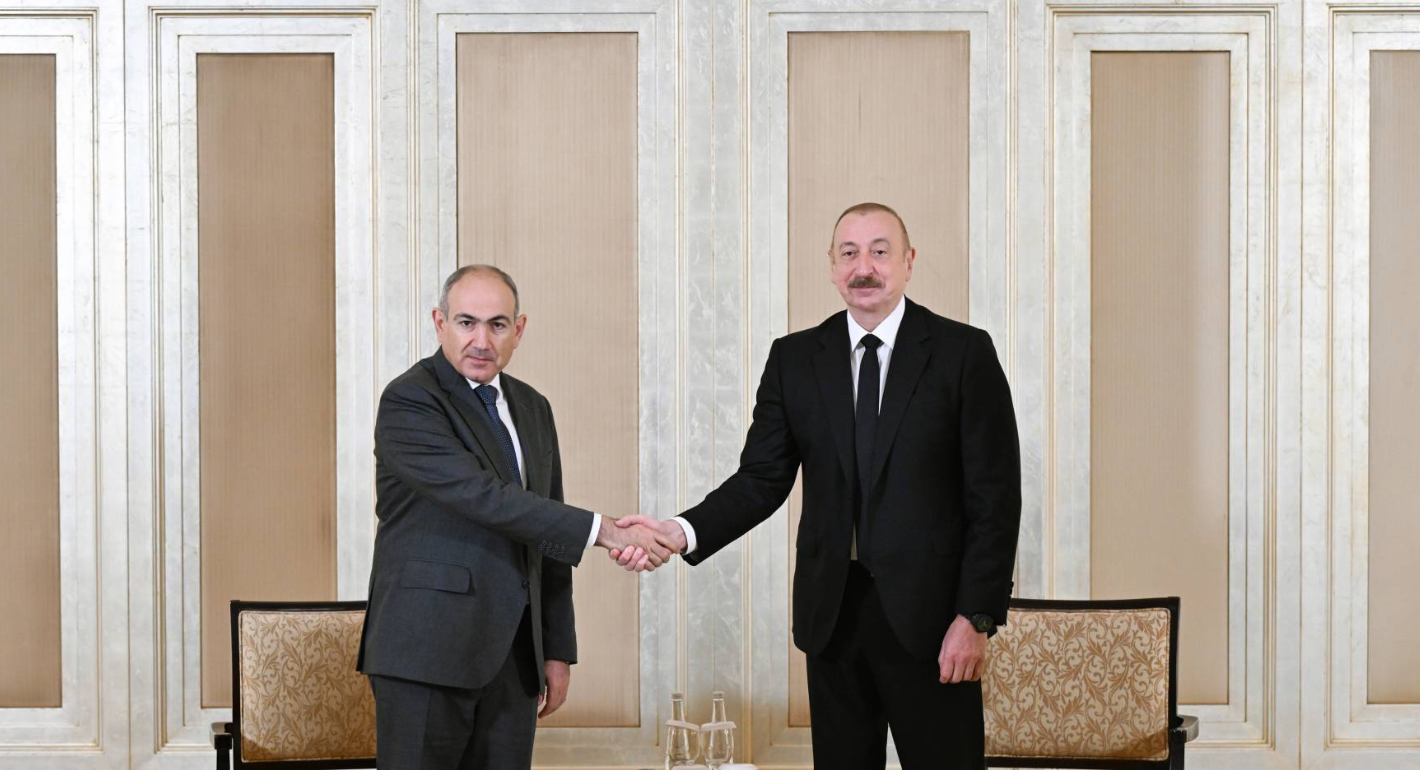
The U.S.-sponsored TRIPP deal is driving the Armenia-Azerbaijan peace process forward. But foreign and domestic hurdles remain before connectivity and economic interdependence can open up the South Caucasus.


Thomas de Waal, Areg Kochinyan, Zaur Shiriyev
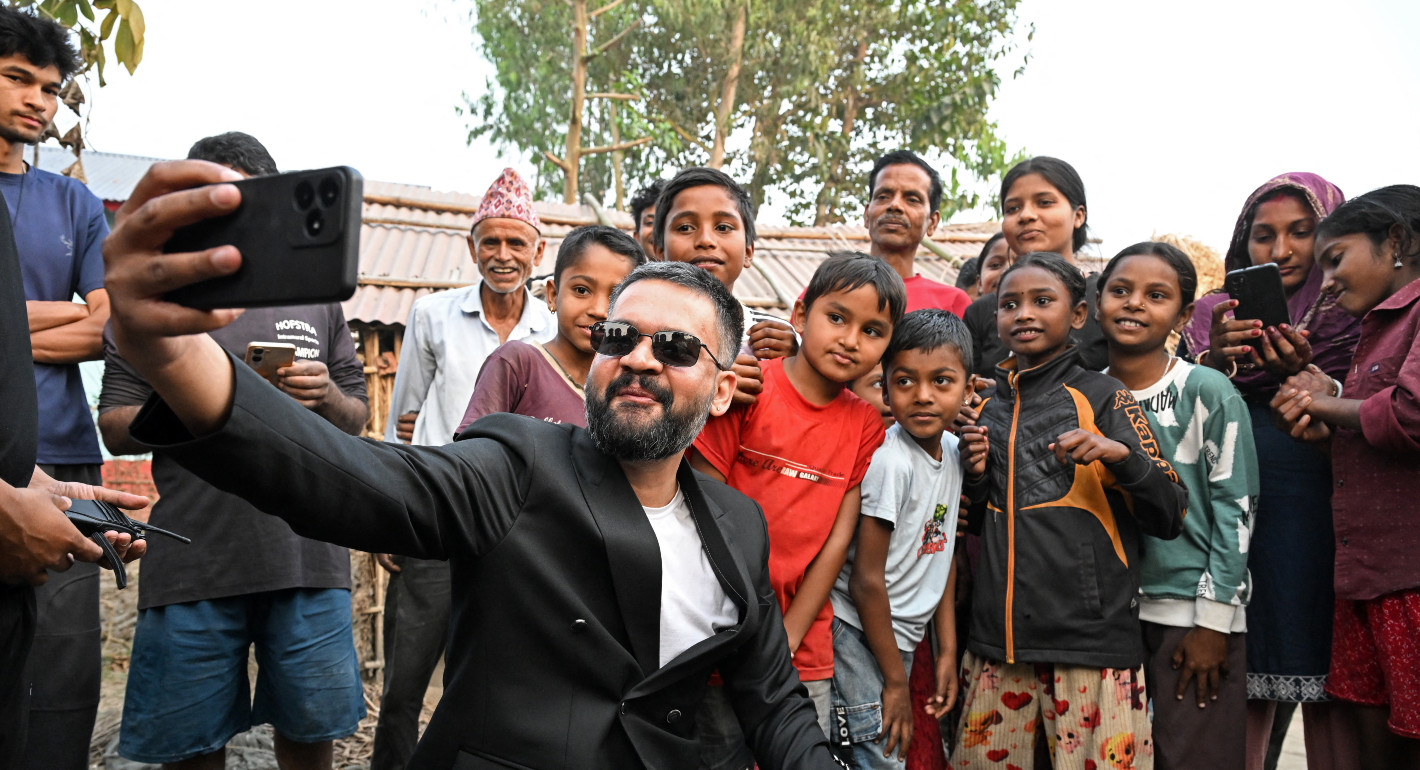
The incoming government has swept Nepal’s election. The real work begins now.
Amish Raj Mulmi
Assessing U.S. compliance with the international laws of war is essential at a time when these frameworks are already fraying.
Federica D’Alessandra