• Research
  • Emissary
  • About
  • Experts
Carnegie Global logoCarnegie lettermark logo
DemocracyIran
  • Donate
{
  "authors": [
    "Minxin Pei"
  ],
  "type": "legacyinthemedia",
  "centerAffiliationAll": "dc",
  "centers": [
    "Carnegie Endowment for International Peace"
  ],
  "collections": [],
  "englishNewsletterAll": "asia",
  "nonEnglishNewsletterAll": "",
  "primaryCenter": "Carnegie Endowment for International Peace",
  "programAffiliation": "AP",
  "programs": [
    "Asia"
  ],
  "projects": [],
  "regions": [
    "China"
  ],
  "topics": [
    "Military"
  ]
}
REQUIRED IMAGE

REQUIRED IMAGE

In The Media

Soft Power is also a Source of National Strength

Link Copied
By Minxin Pei
Published on Apr 16, 2004
Program mobile hero image

Program

Asia

The Asia Program in Washington studies disruptive security, governance, and technological risks that threaten peace, growth, and opportunity in the Asia-Pacific region, including a focus on China, Japan, and the Korean peninsula.

Learn More

Source: Carnegie

Soft Power is also a Source of National Strength

by Minxin Pei

Huanqiu Shibao, April 16, 2004

Minxin Pei compares theories of "soft" and "hard" power as they apply to contemporary geopolitics in his article in China's most popular publication on international affairs.

Click here to view the article
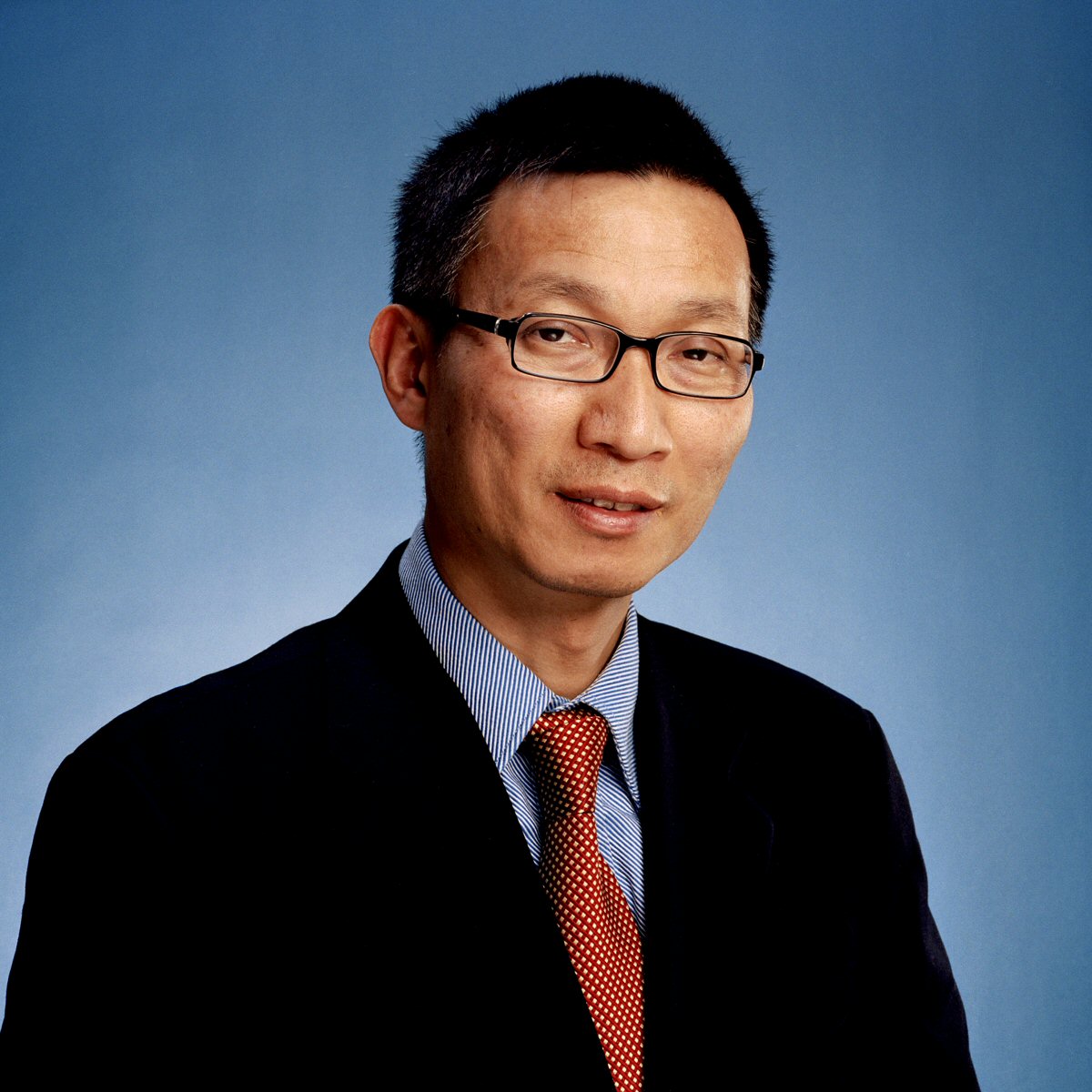
About the Author

Minxin Pei

Former Adjunct Senior Associate, Asia Program

Pei is Tom and Margot Pritzker ‘72 Professor of Government and the director of the Keck Center for International and Strategic Studies at Claremont McKenna College.

    Recent Work

  • In The Media
    How China Can Avoid the Next Conflict

      Minxin Pei

  • In The Media
    Small Change

      Minxin Pei

Minxin Pei
Former Adjunct Senior Associate, Asia Program
Minxin Pei
MilitaryChina

Carnegie does not take institutional positions on public policy issues; the views represented herein are those of the author(s) and do not necessarily reflect the views of Carnegie, its staff, or its trustees.

More Work from Carnegie Endowment for International Peace

  • Commentary
    Carnegie Politika
    What Does War in the Middle East Mean for Russia–Iran Ties?

    If the regime in Tehran survives, it could be obliged to hand Moscow significant political influence in exchange for supplies of weapons and humanitarian aid.

      Nikita Smagin

  • Commentary
    Carnegie Politika
    How Trump’s Wars Are Boosting Russian Oil Exports

    The interventions in Iran and Venezuela are in keeping with Trump’s strategy of containing China, but also strengthen Russia’s position.

      • Mikhail Korostikov

      Mikhail Korostikov

  • exterior of a building with explosion damage
    Commentary
    Emissary
    What We Know About Drone Use in the Iran War

    Two experts discuss how drone technology is shaping yet another conflict and what the United States can learn from Ukraine.

      Steve Feldstein, Dara Massicot

  • Forbidden City on a cloudy day
    Commentary
    Emissary
    Beijing Doesn’t Think Like Washington—and the Iran Conflict Shows Why

    Arguing that Chinese policy is hung on alliances—with imputations of obligation—misses the point. 

      Evan A. Feigenbaum

  • Commentary
    Carnegie Politika
    How Far Can Russian Arms Help Iran?

    Arms supplies from Russia to Iran will not only continue, but could grow significantly if Russia gets the opportunity.

      Nikita Smagin

Get more news and analysis from
Carnegie Endowment for International Peace
Carnegie global logo, stacked
1779 Massachusetts Avenue NWWashington, DC, 20036-2103Phone: 202 483 7600Fax: 202 483 1840
  • Research
  • Emissary
  • About
  • Experts
  • Donate
  • Programs
  • Events
  • Blogs
  • Podcasts
  • Contact
  • Annual Reports
  • Careers
  • Privacy
  • For Media
  • Government Resources
Get more news and analysis from
Carnegie Endowment for International Peace
© 2026 Carnegie Endowment for International Peace. All rights reserved.