

Commentary
Neither the Abraham Accords nor the presence of large U.S. bases are enough to protect Arab Gulf states.
Marwan Muasher
{
  "authors": [
    "Robert Kagan",
    "William Kristol"
  ],
  "type": "legacyinthemedia",
  "centerAffiliationAll": "",
  "centers": [
    "Carnegie Endowment for International Peace"
  ],
  "collections": [],
  "englishNewsletterAll": "",
  "nonEnglishNewsletterAll": "",
  "primaryCenter": "Carnegie Endowment for International Peace",
  "programAffiliation": "",
  "programs": [],
  "projects": [],
  "regions": [
    "Iraq"
  ],
  "topics": [
    "Foreign Policy"
  ]
}
Source: Getty
Source: The Weekly Standard
I said at the time I would have preferred if we had given diplomacy a greater opportunity, but I think it was the right decision to disarm Saddam Hussein. And when the president made the decision, I supported him, and I support the fact that we did disarm him.
John F. Kerry, May 3, 2003
Those who doubted whether Iraq or the world would be better off without Saddam Hussein, and those who believe that we are not safer with his capture, don't have the judgment to be president or the credibility to be elected president.
December 16, 2003Yes, I would have voted for the authority. I believe it's the right authority for a president to have. But I would have used that authority as I have said throughout this campaign, effectively.
August 9, 2004Iraq was "the wrong war in the wrong place at the wrong time."
September 6, 2004--------------------------------------------------------------------------------
We should not send more American troops. That would be the worst thing.
John F. Kerry, September 4, 2003If it requires more troops . . . that's what you have to do.
April 18, 2004I will have significant, enormous reduction in the level of troops.
August 1, 2004We're going to get our troops home where they belong.
August 6, 2004--------------------------------------------------------------------------------
We should increase funding [for the war in Iraq] by whatever number of billions of dollars it takes to win.
John F. Kerry, August 31, 2003$200 billion [for Iraq] that we're not investing in education and health care, and job creation here at home. . . . That's the wrong choice.
September 8, 2004

Kerry voted to authorize war in Iraq in the fall of 2002 because he was afraid a vote against the resolution would ruin his chances to become president. He voted against the $87 billion to support the forces in Iraq and Afghanistan in the fall of 2003--when Howard Dean was riding high-- because he was afraid that he couldn't win over Democratic primary voters if he seemed to be supporting the war. After the capture of Saddam Hussein, Kerry briefly returned to a hawkish stance and criticized Dean when it seemed that distinguishing himself from Dean's excessive dovishness would be politically beneficial. Now, after a dip in the polls against President Bush, Kerry has come out against the war and against the money spent on the war, because he is afraid that he cannot win running as a quasi-hawk. We understand that many people don't like President Bush. But can there be anyone out there, Democrat or Republican, who does not honestly worry: If this is how John Kerry behaves during the campaign, how would he react to the real pressures of being president and commander in chief?
Readers of THE WEEKLY STANDARD know that we have not been great admirers of the way the Bush administration, and especially the Pentagon, has conducted operations in Iraq since the end of the successful invasion a year ago last spring. Still, in some respects, things in Iraq have gone better than might have been expected. Most promising has been the evident commitment on the part of the Iraqi people to persevere in the effort to build democracy in the face of the many difficult challenges that confront them. The recent settlement of the Najaf crisis demonstrated great will and courage on the part of both American military forces and Iraqi authorities, including Grand Ayatollah Ali Sistani, Iraq's leading Shiite cleric. In other respects, however, there remain reasons for concern. Above all, there are the problems of Falluja and the Iraqi areas that were ceded to insurgents and terrorists earlier this year. With national elections scheduled for January, these problems must be addressed urgently.
What should be beyond doubt is the vital necessity of succeeding in Iraq. Partly we have a profound moral obligation to the Iraqi people: To betray them by premature withdrawal or insufficient support would be a shameful act. And if you think the world is unhappy with us now, wait until the world sees the United States pull out of Iraq, leaving behind either chaos, a terrorist base, civil conflict, a regional war, or, very likely, all of the above. Nor can there be any doubt that failure in Iraq would constitute a strategic defeat in the larger war on terror.
Given this reality, it seems to us there has always been a responsible and defensible stance for a Democratic presidential candidate to take. It would be the position taken, for example, by Senators Joseph Biden, Evan Bayh, and Joseph Lieberman--supportive of the war but critical when necessary. Each has been unwavering on the importance of rebuilding Iraq. Each supported the $87 billion supplemental for Iraq and Afghanistan. Each has expressed unhappiness with the Bush administration, while insisting that the United States must remain committed to achieving success in Iraq. These senators are not alone. This is also the view of much of the Democratic foreign policy establishment. It is the view of most former Clinton administration officials, people like Sandy Berger, Richard Holbrooke, and Thomas Donilon.
Unfortunately, it is not currently the view of John Kerry. Maybe Kerry will change his position again, under a different set of pressures. But that won't alter the fundamental truth about his character. If Kerry can throw Iraq overboard in this campaign, he will do so as president. It is that lack of commitment today, much more than anything in his past, that makes John Kerry unfit for command.

Former Senior Associate
Kagan, author of the recent book, The Return of History and the End of Dreams (Knopf 2008), writes a monthly column on world affairs for the Washington Post and is a contributing editor at both the Weekly Standard and the New Republic.
William Kristol
Carnegie does not take institutional positions on public policy issues; the views represented herein are those of the author(s) and do not necessarily reflect the views of Carnegie, its staff, or its trustees.
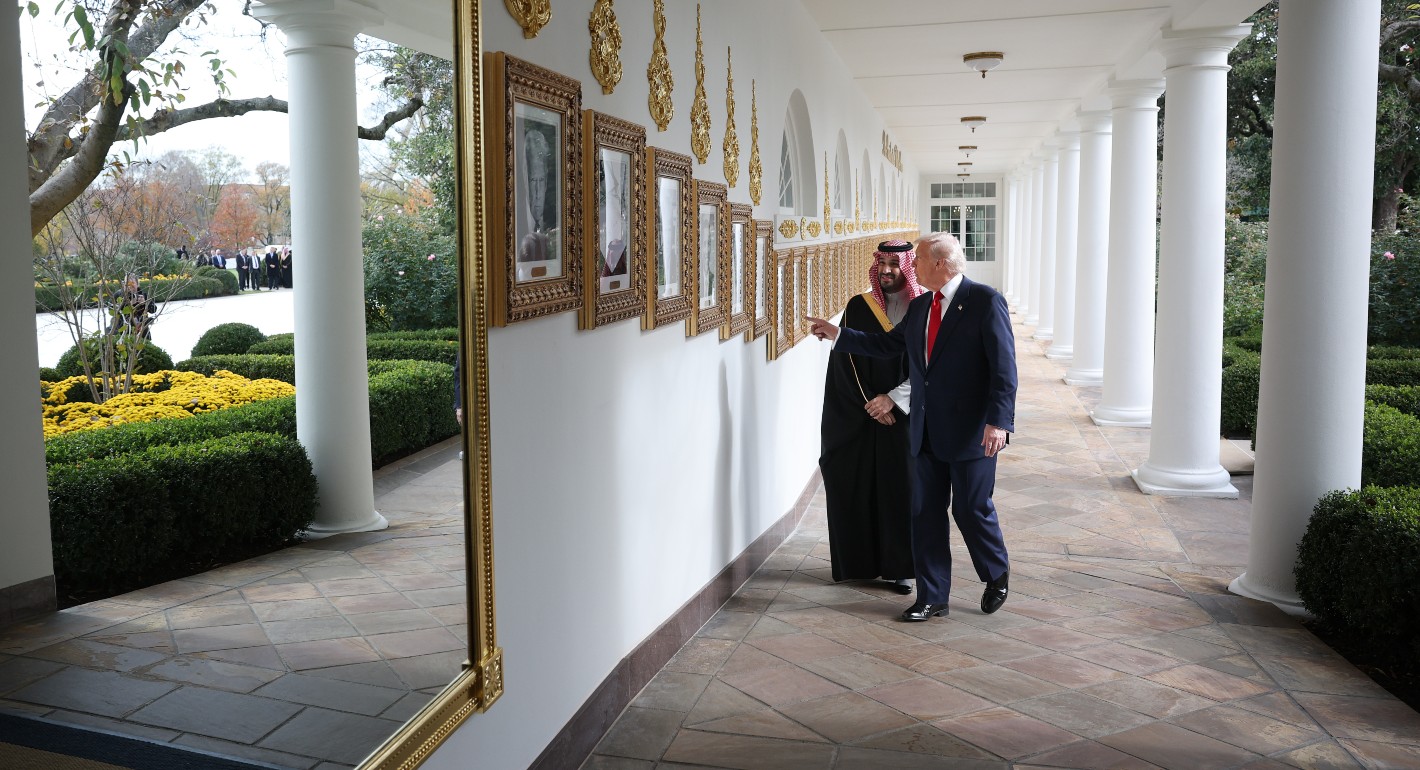
Neither the Abraham Accords nor the presence of large U.S. bases are enough to protect Arab Gulf states.

Marwan Muasher
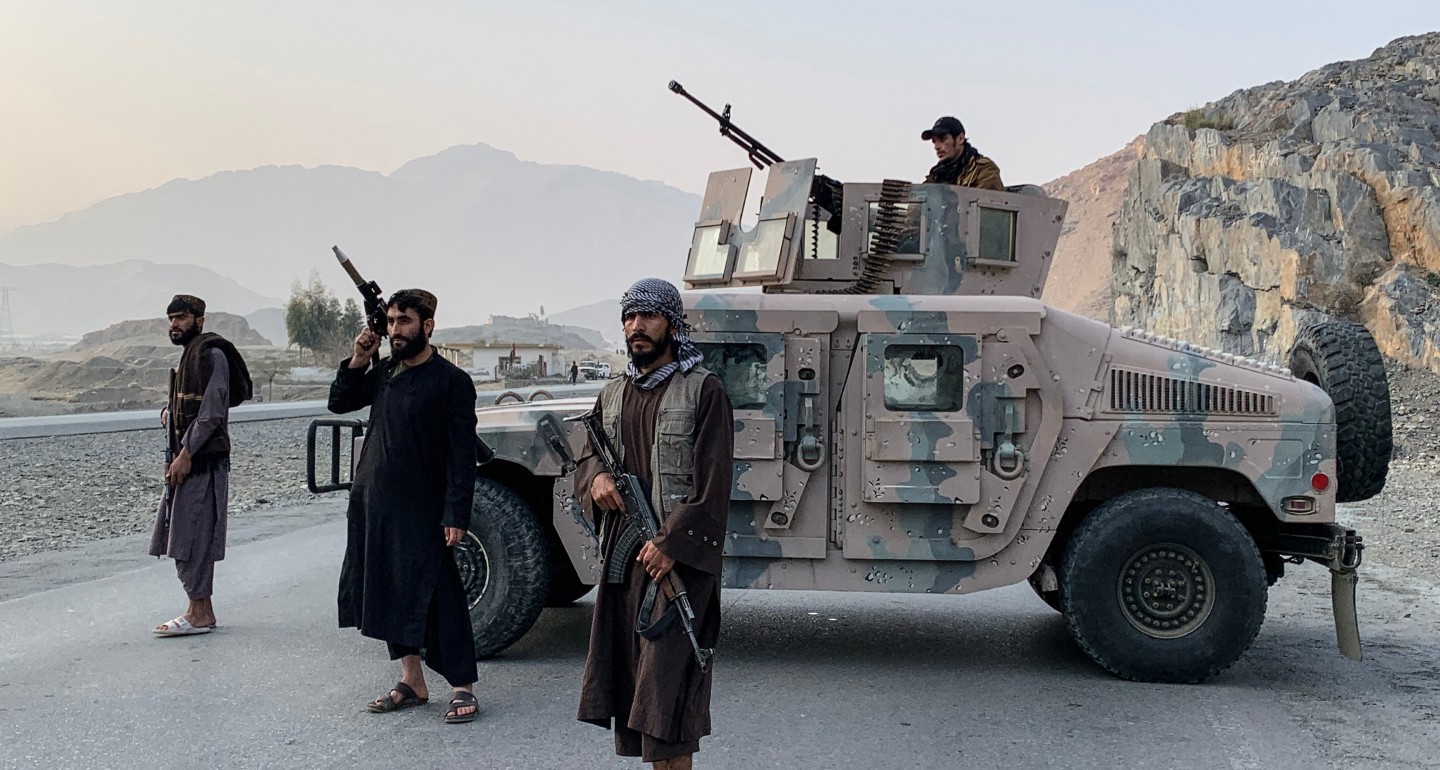
Not only does the fighting jeopardize regional security, it undermines Russian attempts to promote alternatives to the Western-dominated world order.

Ruslan Suleymanov
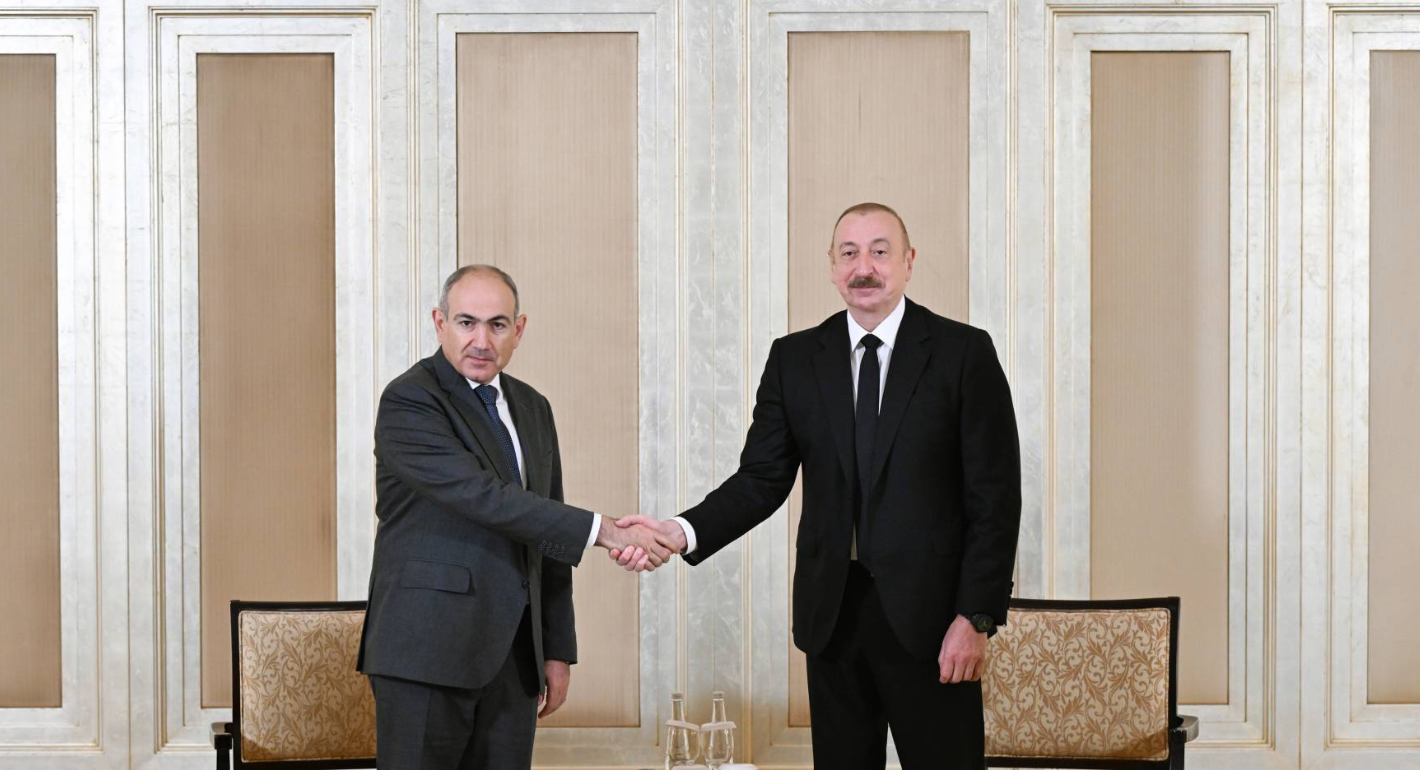
The U.S.-sponsored TRIPP deal is driving the Armenia-Azerbaijan peace process forward. But foreign and domestic hurdles remain before connectivity and economic interdependence can open up the South Caucasus.


Thomas de Waal, Areg Kochinyan, Zaur Shiriyev

Moldova’s reintegration plan was drawn up to demonstrate to Brussels that Chișinău is serious about the Transnistria issue—and to get the West to react.

Vladimir Solovyov
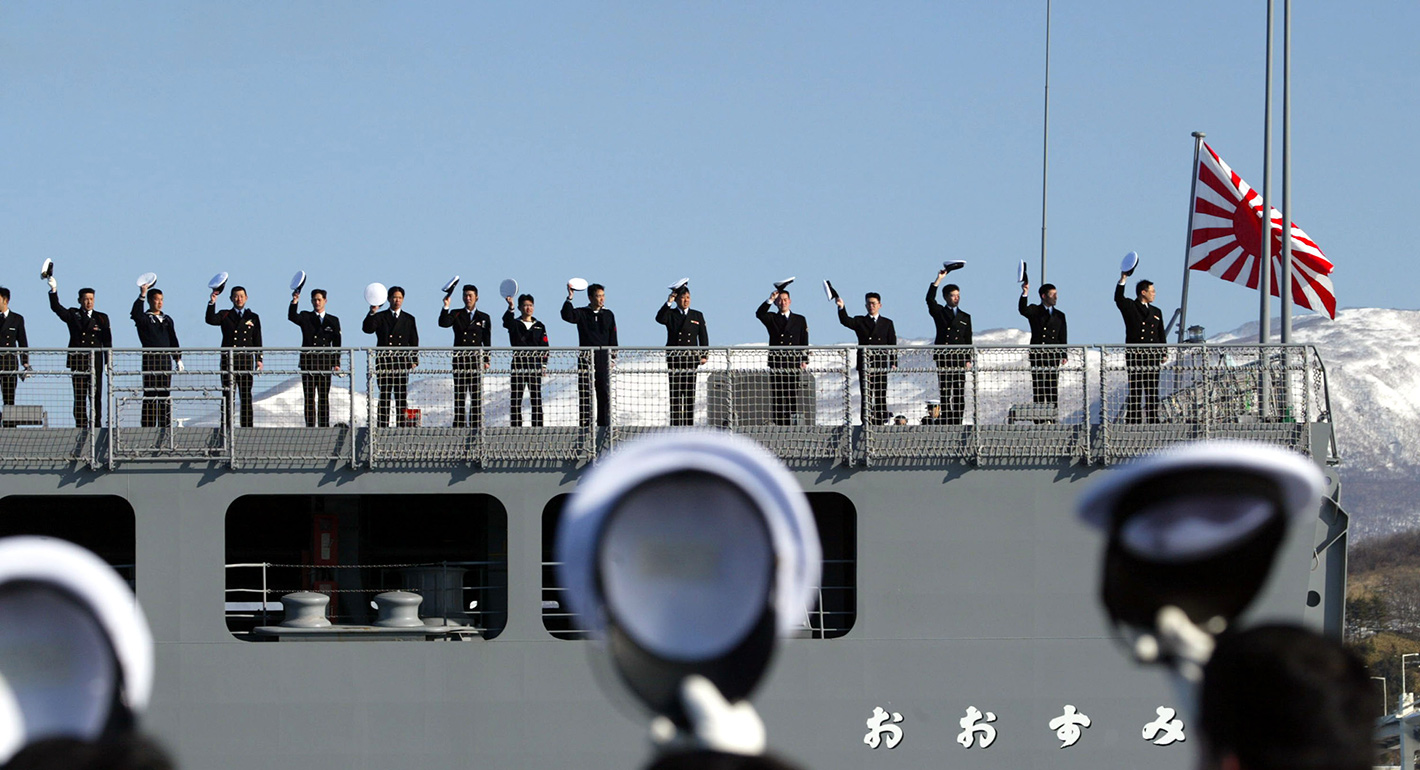
Japan’s response to U.S. pressure over Hormuz highlights a broader dilemma: How to preserve the alliance while remaining bound by legal limits, public opinion, and an Asia-centered security agenda. Tokyo gained diplomatic space through an alliance-embracing strategy, but only under conditions that may not endure.

Ryo Sahashi