• Research
  • Emissary
  • About
  • Experts
Carnegie Global logoCarnegie lettermark logo
DemocracyIran
  • Donate
{
  "authors": [
    "Jon Wolfsthal"
  ],
  "type": "legacyinthemedia",
  "centerAffiliationAll": "dc",
  "centers": [
    "Carnegie Endowment for International Peace"
  ],
  "collections": [
    "U.S. Nuclear Policy",
    "Korean Peninsula"
  ],
  "englishNewsletterAll": "ctw",
  "nonEnglishNewsletterAll": "",
  "primaryCenter": "Carnegie Endowment for International Peace",
  "programAffiliation": "NPP",
  "programs": [
    "Nuclear Policy"
  ],
  "projects": [],
  "regions": [
    "United States",
    "Iran",
    "South Korea"
  ],
  "topics": [
    "Nuclear Energy"
  ]
}
REQUIRED IMAGE

REQUIRED IMAGE

In The Media

South Korea Should Have a Larger Role in Global Nonproliferation Efforts

In just over one month, representative from over 180 countries will meet in New York to review the status and condition of the nuclear Non-Proliferation Treaty. This meeting, which takes place every five years as required by the agreement, occurs in an environment more negative than at anytime in its history and the potential for the month-long meeting to produce a positive result is in serious doubt. South Korea is in a unique position to improve the prospects for a successful meeting and Seoul should take active and even aggressive steps to play a large, constructive role at the meeting.
Link Copied
By Jon Wolfsthal
Published on Mar 23, 2005
Program mobile hero image

Program

Nuclear Policy

The Nuclear Policy Program aims to reduce the risk of nuclear war. Our experts diagnose acute risks stemming from technical and geopolitical developments, generate pragmatic solutions, and use our global network to advance risk-reduction policies. Our work covers deterrence, disarmament, arms control, nonproliferation, and nuclear energy.

Learn More
In just over one month, representative from over 180 countries will meet in New York to review the status and condition of the nuclear Non-Proliferation Treaty. This meeting, which takes place every five years as required by the agreement, occurs in an environment more negative than at anytime in its history and the potential for the month-long meeting to produce a positive result is in serious doubt. South Korea is in a unique position to improve the prospects for a successful meeting and Seoul should take active and even aggressive steps to play a large, constructive role at the meeting

The NPT is the cornerstone of the international norm against the spread of nuclear weapons, and is the only legal document committing all states to abandon nuclear weapons and to general and complete disarmament. The NPT is based on three basic pillars: nonproliferation, disarmament and the peaceful development of nuclear technology. In 1995, the agreement was extended for an indefinite term and in 2000, the parties approved a consensus document that included an unequivocal statement by nuclear weapons states to eliminate their nuclear weapons. Yet, in the run up to this year's meeting, many negative developments have taken place including North Korea's withdrawal from the NPT, evidence of Iran's hidden nuclear efforts and the discovery of the A.Q. Khan nuclear black market.

North Korea's withdrawal from the NPT, and its violation of the agreement before Pyongyang withdrew pose a serious threat to the NPT. But the problems with the NPT run far deeper than just one country. Questions about Iran's past violations of its safeguards agreement, the growing concern about the ability of states to acquire uranium enrichment and plutonium reprocessing - technologies that can contribute to a weapons program - under the protection of the NPT, and the perceived lack of progress on nuclear disarmament by the nuclear weapon states all raise difficult questions for the treaty members in advance of their meeting, which begins May 2.

South Korea is well placed to contribute to the review of the agreement in all three areas. The extreme threat North Korea poses to South Korea puts Seoul in a special position to speak and act with authority on nonproliferation issues. South Korea's advanced nuclear power and research programs give it a strong position to speak on issues related to peaceful nuclear uses. And as a state whose security is used by the US, in part, to justify the continued need for nuclear weapons, South Korea's is uniquely placed to talk about the issues of disarmament and the need to continue progress towards a non-nuclear world.

Yet, to date, Seoul has been relatively quiet in the lead up to the NPT Review Conference. While Seoul is rightly focused on its continued diplomatic efforts to bring North Korea back into compliance with the NPT, the efforts by Seoul must go beyond this one issue. To play a bigger role, the government must dedicate additional staff and resources to the preparation for the meeting in New York and ensure a large, expert and empowered delegation is sent to the meeting in New York. The Ministry of Foreign Affairs should have a large staff and priority access to top officials to ensure that the South Korean delegation can play an active role in all of the Treaty's review efforts. Anything less is a missed opportunity by South Korea to have a more prominent role on the international stage.

It may be too late to achieve a consensus document out of the Review Conference, a traditional standard of success. But by playing an active and constructive role on more than just the issue of North Korea, Seoul can help develop broad areas of agreement on issues related to the peaceful uses of nuclear energy, the need to improve the treaty's terms to prevent illegal nuclear transfers and to help define more precisely the ways in which nuclear weapons states will pursue disarmament. By making the effort now, Seoul can help achieve a greater status for itself on the international stage and play a leading role on these critical issues in the years to come.

About the Author

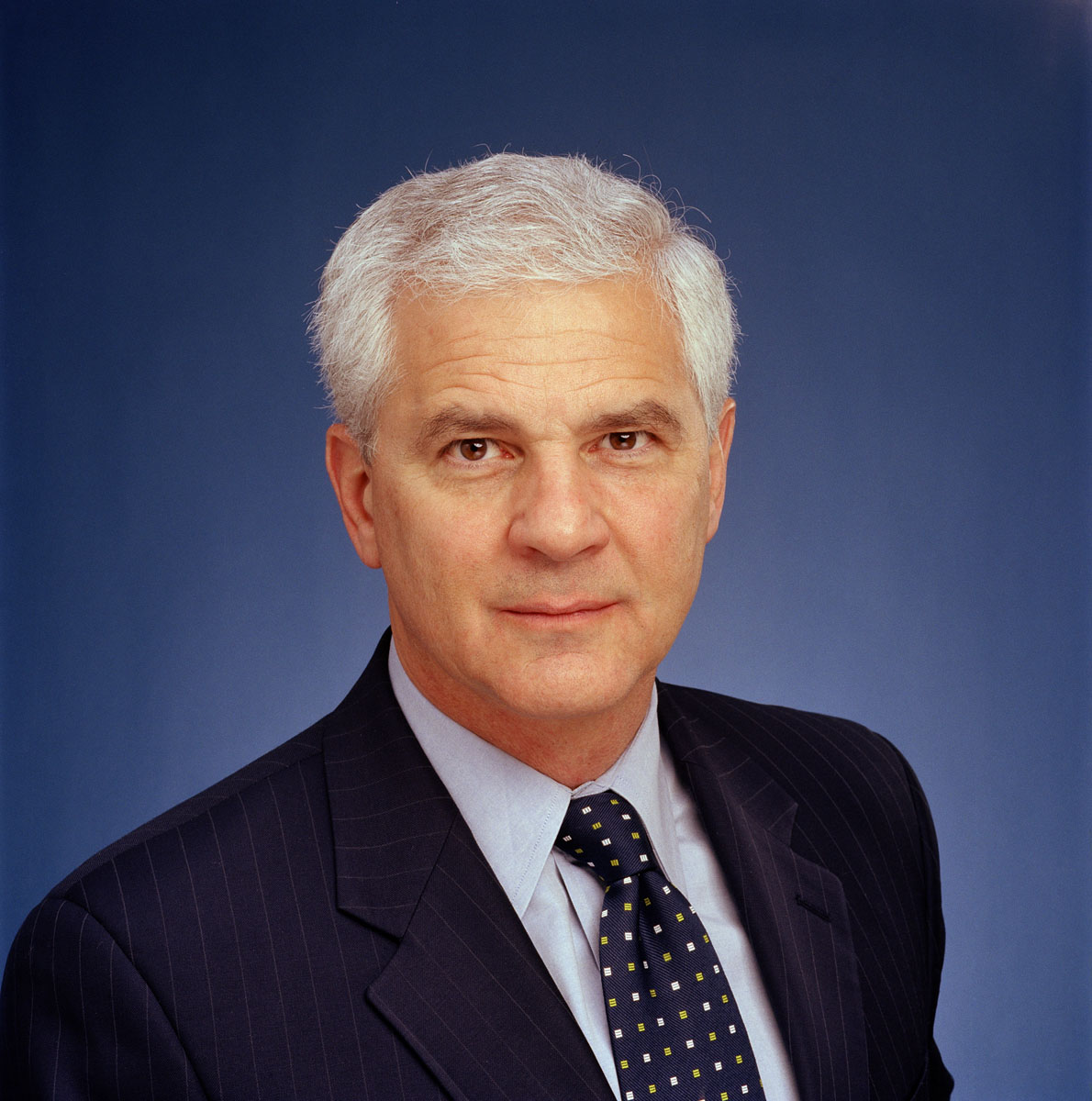
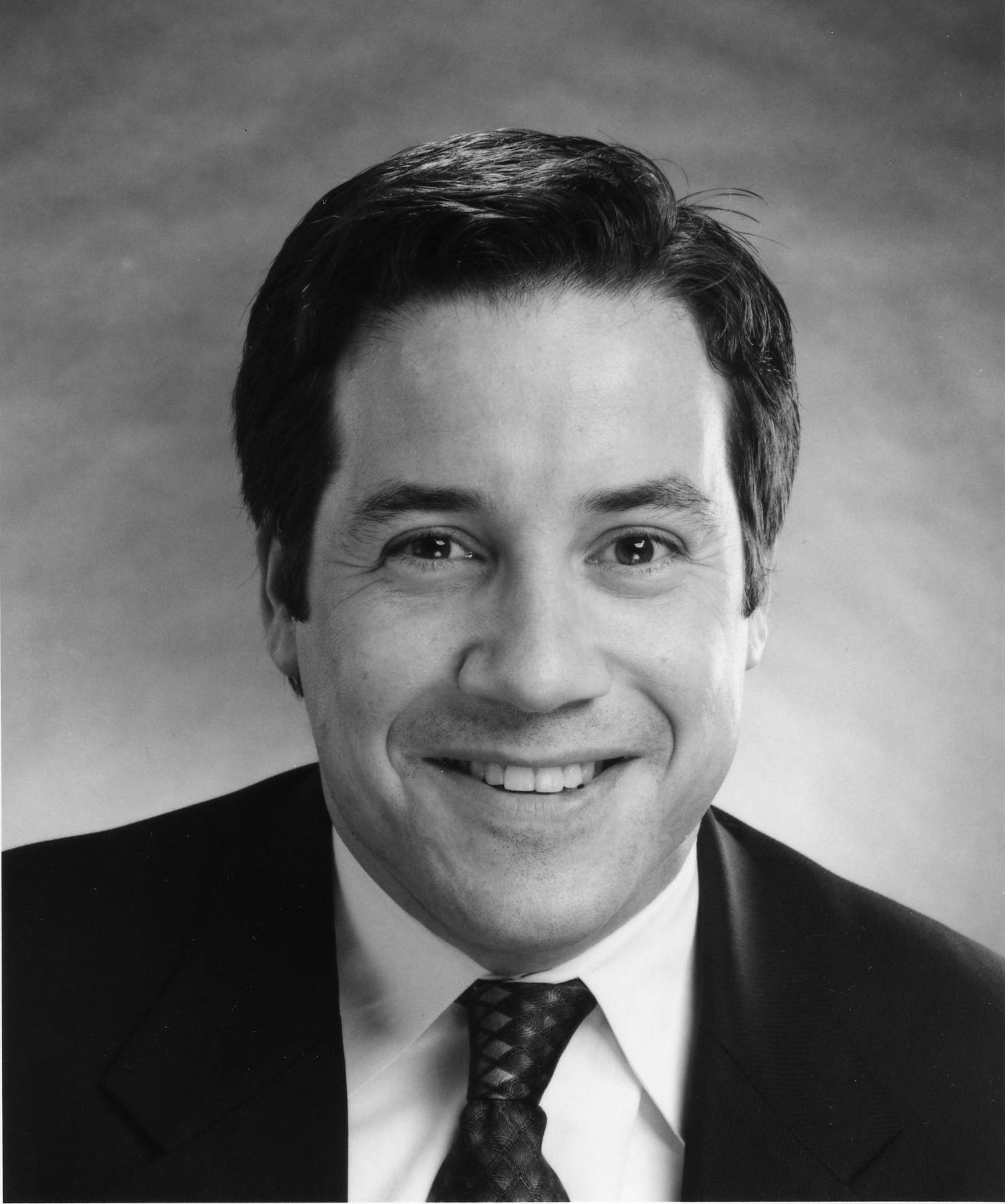
Jon Wolfsthal

Former Nonresident Scholar, Nuclear Policy Program

Jon Wolfsthal was a nonresident scholar with the Nuclear Policy Program.

    Recent Work

  • Report
    Universal Compliance: A Strategy for Nuclear Security<br>With 2007 Report Card on Progress
      • +2

      George Perkovich, Jessica Tuchman Mathews, Joseph Cirincione, …

  • Article
    10 Plus 10 Doesn’t Add Up

      Jon Wolfsthal

Jon Wolfsthal
Former Nonresident Scholar, Nuclear Policy Program
Jon Wolfsthal
Nuclear EnergyUnited StatesIranSouth Korea

Carnegie does not take institutional positions on public policy issues; the views represented herein are those of the author(s) and do not necessarily reflect the views of Carnegie, its staff, or its trustees.

More Work from Carnegie Endowment for International Peace

  • Commentary
    Diwan
    Pushing Beirut into an Armed Conflict With Hezbollah Is Insane

    The party’s domestic and regional roles have changed, so Lebanon should devise a disarmament strategy that encompasses this.

      Michael Young

  • San Francisco Skyline
    Paper
    California’s Global Trade Cities: Driving Local and National Outcomes

    Cities across the United States facilitate investment in American communities. Yet, because global attention remains focused on U.S. trade policy, their distinctive and bold local approaches to international trade and investment promotion are often underappreciated.

      • Wyatt Frank
      • Marissa Jordan

      Wyatt Frank, Marissa Jordan

  • Commentary
    The Unresolved Challenges in U.S.–India Semiconductor Cooperation

    The U.S.–India semiconductor cooperation story is well-stocked with top-level strategic intent. What remains unresolved, however, are some underlying challenges that will determine whether the cooperation actually functions. Three such friction points stand out.

      Shruti Mittal

  • Commentary
    Diwan
    Corrupted by Absolute Power

    In an interview, Marc Lynch discusses his new book decrying the post-1990 U.S.-dominated order in the Middle East.

      Michael Young

  • Tiananmen Gate with US and Chinese flags
    Commentary
    Emissary
    Trump and Xi Should Tackle a Previously Impossible AI Conversation

    Previous dialogues ended in failure. This time could be different.

      Scott Singer

Get more news and analysis from
Carnegie Endowment for International Peace
Carnegie global logo, stacked
1779 Massachusetts Avenue NWWashington, DC, 20036-2103Phone: 202 483 7600
  • Research
  • Emissary
  • About
  • Experts
  • Donate
  • Programs
  • Events
  • Blogs
  • Podcasts
  • Contact
  • Annual Reports
  • Careers
  • Privacy
  • For Media
  • Government Resources
Get more news and analysis from
Carnegie Endowment for International Peace
© 2026 Carnegie Endowment for International Peace. All rights reserved.