

Commentary
Amr Hamzawy
{
  "authors": [
    "Amr Hamzawy"
  ],
  "type": "other",
  "centerAffiliationAll": "dc",
  "centers": [
    "Carnegie Endowment for International Peace"
  ],
  "collections": [],
  "englishNewsletterAll": "democracy",
  "nonEnglishNewsletterAll": "",
  "primaryCenter": "Carnegie Endowment for International Peace",
  "programAffiliation": "DCG",
  "programs": [
    "Democracy, Conflict, and Governance",
    "Middle East"
  ],
  "projects": [],
  "regions": [
    "Middle East",
    "North Africa",
    "Egypt",
    "Lebanon",
    "Palestine"
  ],
  "topics": [
    "Political Reform",
    "Democracy"
  ]
}
Source: Getty
Mass demonstrations in Lebanon, joint protest rallies of Egyptian Islamists and liberals against the Mubarak regime in Egypt, and municipal elections in Saudi Arabia are just as much features of the current situation as are cease-fire declarations by Palestinian resistance movements and multiparty negotiations for forming a coalition government in Iraq.
We are witnessing unusual scenes in the Middle East. Mass demonstrations in Lebanon, joint protest rallies of Egyptian Islamists and liberals against the Mubarak regime in Egypt, and municipal elections in Saudi Arabia are just as much features of the current situation as are cease-fire declarations by Palestinian resistance movements and multiparty negotiations for forming a coalition government in Iraq.
About the Author
Amr Hamzawy is a senior associate at the Carnegie Endowment, and a noted Egyptian political scientist who previously taught at Cairo University and the Free University of Berlin. His research interests include the changing dynamics of political participation and the prospects of democratic transformation in the Arab world, with special attention both to Egypt and the Gulf countries.

Director, Middle East Program
Amr Hamzawy is a senior fellow and the director of the Carnegie Middle East Program. His research and writings focus on Egypt’s and other middle powers’ involvement in regional security in the Middle East, particularly through collective diplomacy and multilateral conflict resolution
Recent Work
Amr Hamzawy
Amr Hamzawy
Carnegie does not take institutional positions on public policy issues; the views represented herein are those of the author(s) and do not necessarily reflect the views of Carnegie, its staff, or its trustees.
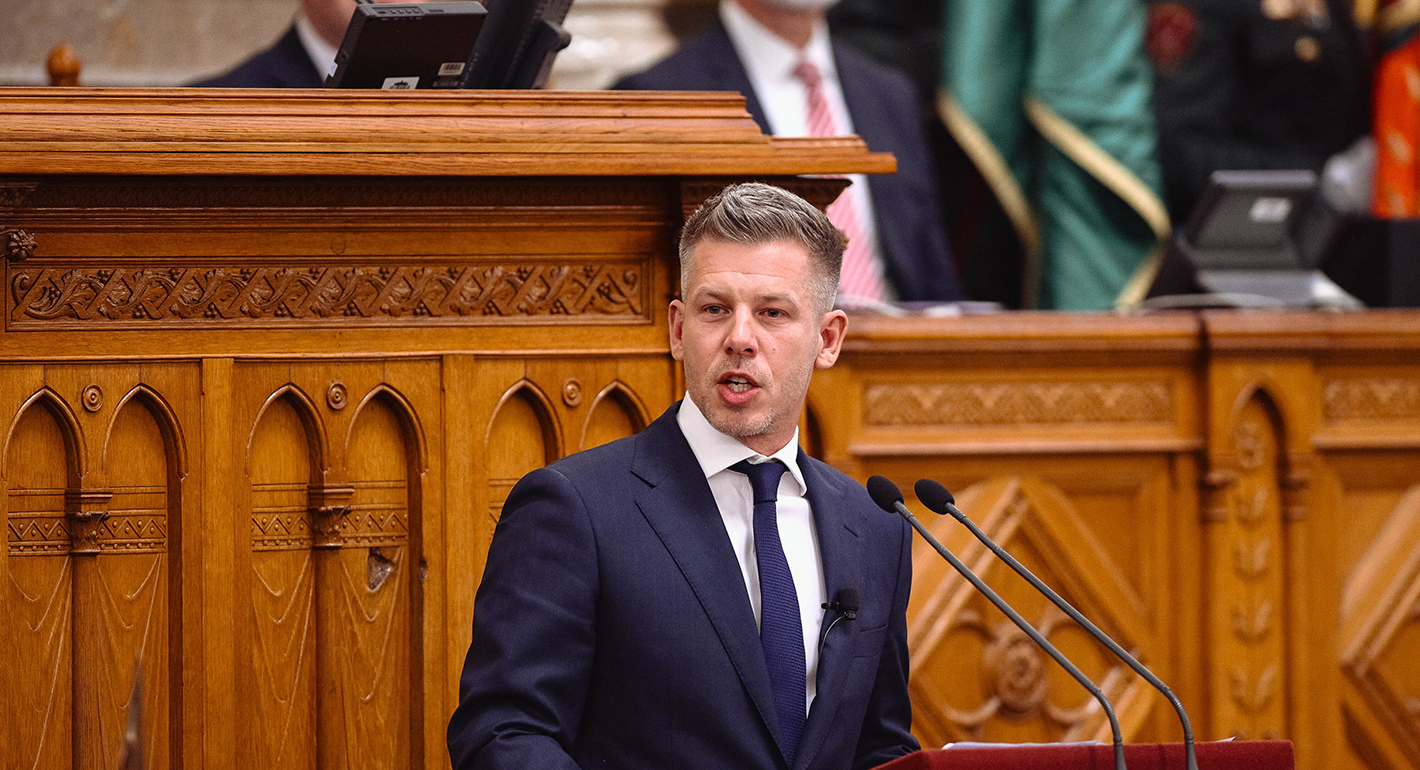
Despite myriad challenges and occasional stumbles, the new Hungarian government is moving ahead with energy and conviction to uproot years of illiberalism and corruption and rebuild Hungarian democracy.

Thomas Carothers
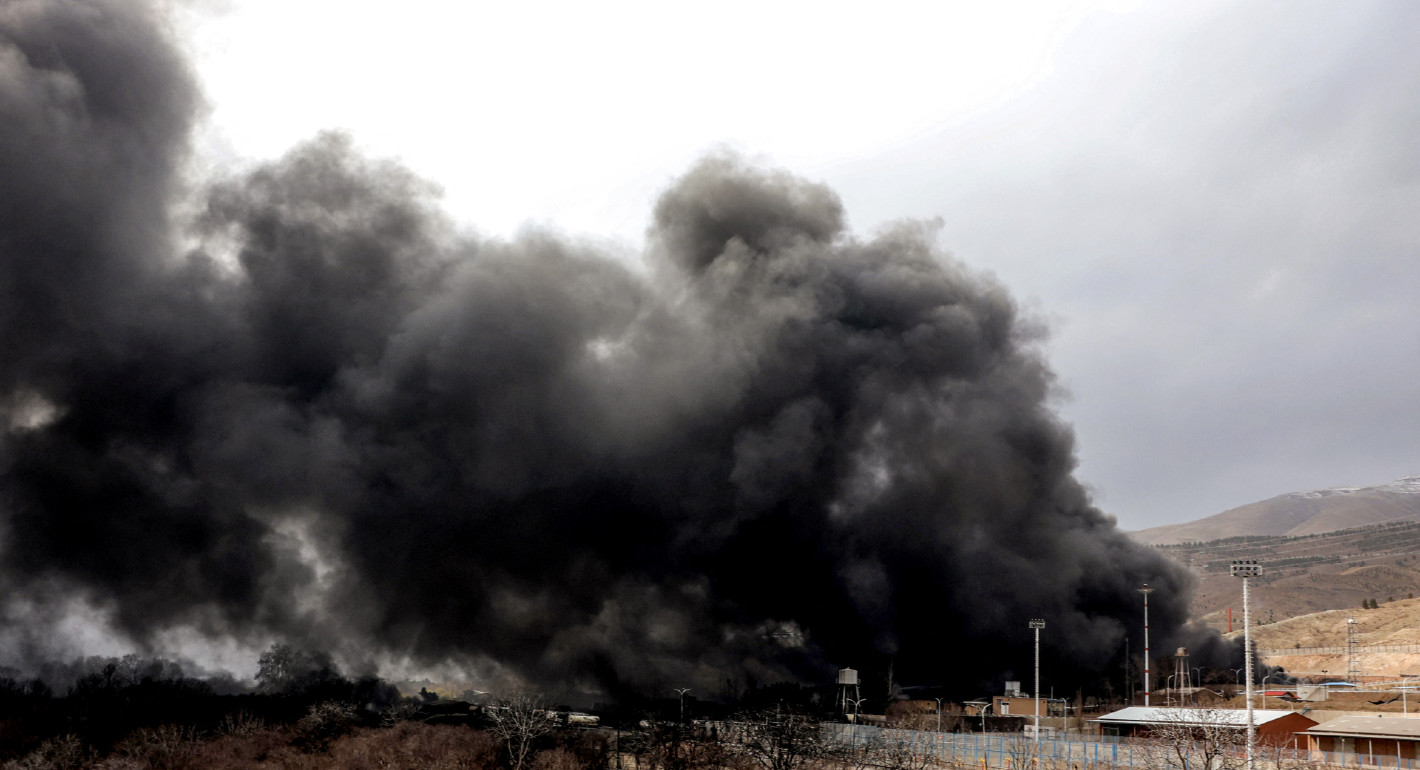
Understanding the climatic pain points is necessary for policymakers hoping to minimize the war’s negative environmental consequences.



Alejandro Martin Rodriguez, Joy Arkeh, Sarah Yerkes

Huawei pushed hard to enter the Egyptian data centers market, until the Americans made a better offer.

Angie Omar

Radical-right parties are expected to do well in upcoming elections in four of the EU's biggest member states. If successful, they could prevent the union from addressing key challenges ahead.

Stefan Lehne

The books, podcasts, and films that explain the world it made.

Andrew Leber