

Q&A
Alper Coşkun, Amr Hamzawy
{
  "authors": [
    "Amr Hamzawy"
  ],
  "type": "legacyinthemedia",
  "centerAffiliationAll": "dc",
  "centers": [
    "Carnegie Endowment for International Peace"
  ],
  "collections": [],
  "englishNewsletterAll": "democracy",
  "nonEnglishNewsletterAll": "",
  "primaryCenter": "Carnegie Endowment for International Peace",
  "programAffiliation": "DCG",
  "programs": [
    "Democracy, Conflict, and Governance",
    "Middle East"
  ],
  "projects": [],
  "regions": [
    "Saudi Arabia"
  ],
  "topics": [
    "Political Reform"
  ]
}
REQUIRED IMAGE
The Saudi royal family acted quickly after King Fahd's death to appoint Crown Prince Abdullah his successor, and Defense Minister Prince Sultan the new crown prince. Although Abdullah had been the real ruler of the kingdom during recent years and no radical change in policy is expected, his enthronement comes amid serious challenges facing Saudi Arabia.
Source: The Daily Star
The Saudi royal family acted quickly after King Fahd's death to appoint Crown Prince Abdullah his successor, and Defense Minister Prince Sultan the new crown prince. Although Abdullah had been the real ruler of the kingdom during recent years and no radical change in policy is expected, his enthronement comes amid serious challenges facing Saudi Arabia.
The confrontation between the Saudi security forces and violent Islamist groups has reached an unprecedented level of intensity in the past two years. Saudis living in Riyadh, Jeddah and Medina are getting used to daily life with security checks and heavily armed police. The hunt for terrorists is leading the government to tighten its control over society, which runs counter to its laudable commitment to open up politically and secure a degree of pluralism in the public sphere.
Since September 11, 2001, the Saudi government, under the auspices of Abdullah, has initiated legal and political reform measures aimed at increasing popular participation and establishing better governance standards. Most significantly, earlier this year Saudi male citizens voted for the first time since the 1960s in municipal elections held throughout the kingdom. These elections, from which women were excluded both as candidates and voters, led to the establishment of municipal councils that have some authority in managing local affairs.
Furthermore, the authorities organized various rounds of the so-called National Dialogue in the last three years and tolerated the participation of politicians and intellectuals critical of the political and social system. Participants came up with sound, though unbinding, recommendations on issues as central as the status of women, minority rights, and combating radical religious thought. Taken together and in spite of their shortcomings, the reform policies have created a vibrant domestic environment compared to the stagnation of the 1980s and 1990s. To debate human rights and rulers' accountability in today's Saudi Arabia, or to publicly call for equal rights between men and women, or between Sunnis and Shiites, is no longer taboo as it once was.
This is not to suggest, however, that the Saudi government is democratizing or that repression is withering away. The continued exclusion of women and the imprisonment of three reformers, Ali Al-Domani, Matruk Al-Faleh and Abdullah Al-Hammad, suggest the opposite. But, Saudi Arabia is opening up. Abdullah, the most popular member of the royal family, has long embodied hopes for a government-led reform process that, while accounting for the kingdom's specificity, gradually introduces elements of accountable governance and political representation. Abdullah's commitment to reform is likely to be tested quickly by liberal intellectuals and human rights activists, who expect more from him than from anyone else.
But Saudi politics are not only about royals and liberal forces. The official religious establishment - Wahhabi clerics and their institutions - represents an integral component of the political map. Although domestically under fire for having given ideological sustenance to Islamist groups, the Wahhabi establishment remains in charge of two vital social spheres; preaching and education. Its functional relationship with the royal family, namely bestowing religious legitimacy on the regime in exchange for uncontested cultural control over society, is still intact. However, in recent years, the Wahhabi establishment has been generally less supportive of reform policies, attempting to block or to slow them down, especially with regard to women's rights and greater participation by minorities.
If Abdullah is truly determined to move ahead with reforms, he will have to prove that the royals retain the upper hand in the Al-Saud-Wahhabi relationship. This is not easy: In the past, subjecting clerics and Islamic institutions to government pressure had always led to radicalization at the outer edges of the religious spectrum. Amid the ongoing confrontation between the state and militant Islamists, Abdullah might be less inclined to risk alienating the Wahhabi establishment.
In fact, the new king might be tempted to focus more on security and stability-driven policies. Various powerful figures within the royal family, such as Interior Minister Prince Nayef and the governor of Riyadh, Prince Salman, make no bones about their determination to favor security over reform and to exploit the windfall from historically high oil prices to detract public attention from calls for reform.
If the direction in which Abdullah takes Saudi Arabia depends on regional and international dynamics, then his choosing security over reform appears more likely. The narrative of an emerging Arab democratic spring in Iraq, Palestine, Lebanon, Egypt and elsewhere needs to be matched with political realities. The Saudi royal family does not have to fear democratic spillovers from within the region. While the Arab world is changing, anticipating sweeping democratization that engulfs bastions of autocracy everywhere and empowers marginalized communities is at present a misleading trivialization of a complex political situation. The international community, particularly the United States, though less friendly to authoritarian governments, is understandably reluctant to press for openness in so strategic a place as Saudi Arabia, where the danger of militant Islam looms. Besides, American and European leverage to influence policy in the kingdom, which as the world's largest oil producer can influence international prices, has been diminishing of late.
It is understandable that liberal Saudi politicians and intellectuals are placing all their hopes in Abdullah. Given the rigidities in the Saudi system preventing reform, an enlightened king might be the only way out.
Amr Hamzawy is a senior associate in the Democracy and Rule of Law project at the Carnegie Endowment for International Peace. He wrote this commentary for THE DAILY STAR.
Director, Middle East Program
Amr Hamzawy is a senior fellow and the director of the Carnegie Middle East Program. His research and writings focus on Egypt’s and other middle powers’ involvement in regional security in the Middle East, particularly through collective diplomacy and multilateral conflict resolution
Recent Work
Alper Coşkun, Amr Hamzawy
Sarah Yerkes, Natalie Triche, Amr Hamzawy
Carnegie does not take institutional positions on public policy issues; the views represented herein are those of the author(s) and do not necessarily reflect the views of Carnegie, its staff, or its trustees.
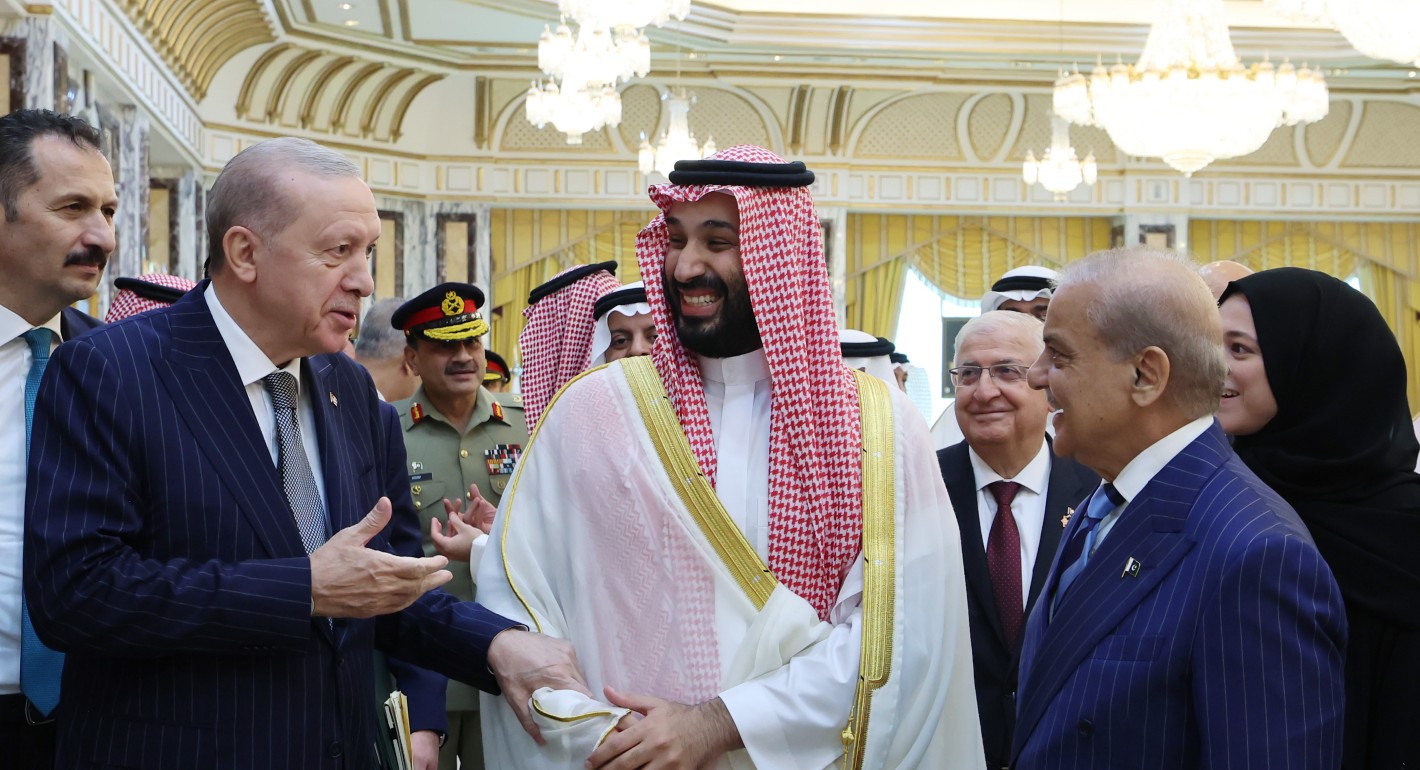
Why Pakistan, Saudi Arabia, and Turkey are joining forces on regional security.
Alper Coşkun, Amr Hamzawy
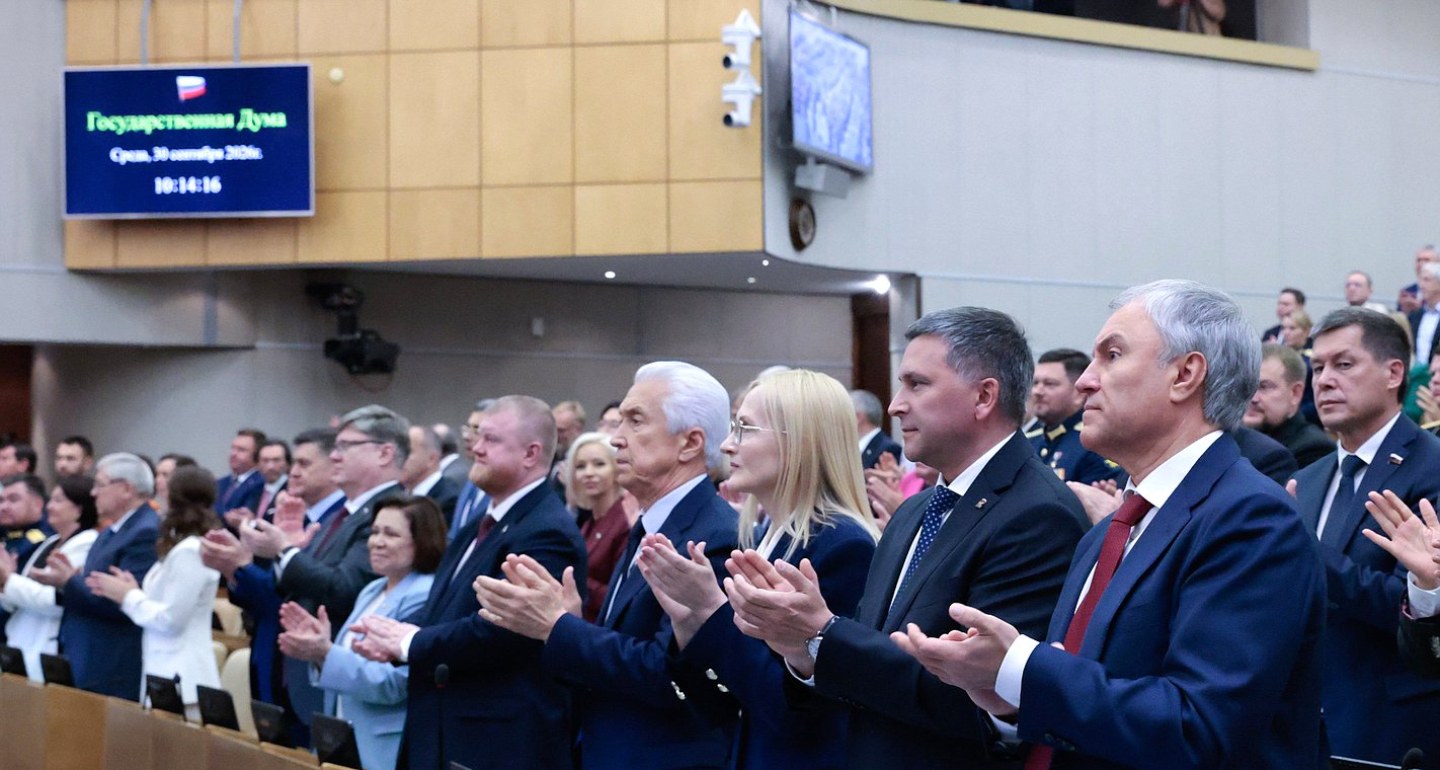
Putin’s conservative staffing policies and search for ever greater control have cemented parliament’s transformation into a bureaucratic appendage of the executive branch.
Andrey Pertsev
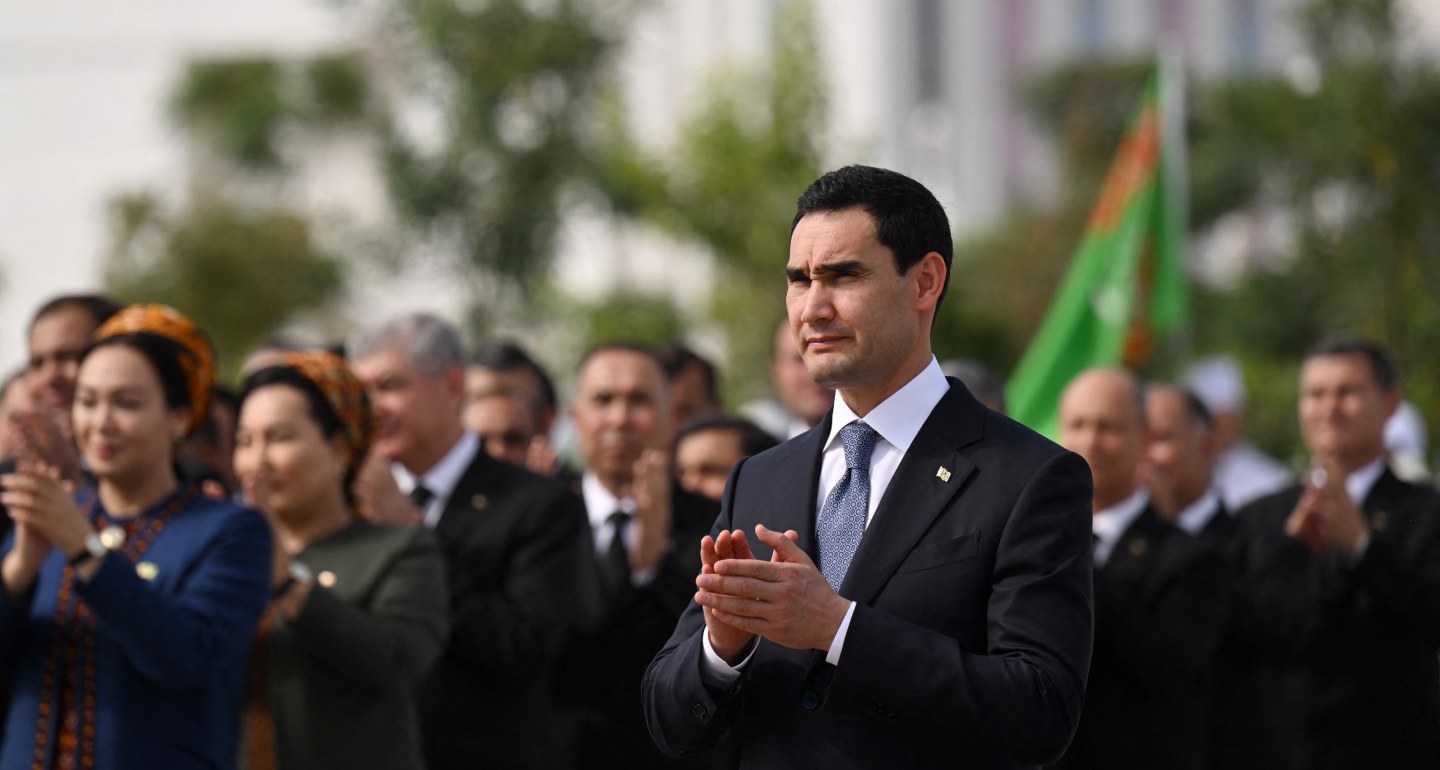
Ex-president Gurbanguly Berdimuhamedov remains interested in politics, but his son Serdar, Turkmenistan’s current president, is becoming increasingly independent and willing to break with his father’s legacy. If their covert rivalry goes too far, both risk losing power.
Galiya Ibragimova
A notable degree of participative democracy has firmly arrived in Europe. But to have more far-reaching impact, democratic deliberation needs to move into a radically new phase.
Richard Youngs
Sergei Kiriyenko used Russia’s parliamentary vote to further hone his strategy of corporate mobilization that is designed to maximize votes for United Russia.
Andrey Pertsev