• Research
  • Emissary
  • About
  • Experts
Carnegie Global logoCarnegie lettermark logo
DemocracyIran
  • Donate
{
  "authors": [
    "Ashley J. Tellis"
  ],
  "type": "legacyinthemedia",
  "centerAffiliationAll": "dc",
  "centers": [
    "Carnegie Endowment for International Peace"
  ],
  "collections": [],
  "englishNewsletterAll": "ctw",
  "nonEnglishNewsletterAll": "",
  "primaryCenter": "Carnegie Endowment for International Peace",
  "programAffiliation": "NPP",
  "programs": [
    "Nuclear Policy",
    "South Asia"
  ],
  "projects": [],
  "regions": [
    "South Asia",
    "India"
  ],
  "topics": [
    "Economy",
    "Trade",
    "Foreign Policy",
    "Nuclear Policy",
    "Nuclear Energy"
  ]
}
Source: Getty

In The Media

Should the U.S. Sell Nuclear Technology to India? Part II

Link Copied
By Ashley J. Tellis
Published on Nov 10, 2005
Program mobile hero image

Program

Nuclear Policy

The Nuclear Policy Program aims to reduce the risk of nuclear war. Our experts diagnose acute risks stemming from technical and geopolitical developments, generate pragmatic solutions, and use our global network to advance risk-reduction policies. Our work covers deterrence, disarmament, arms control, nonproliferation, and nuclear energy.

Learn More
Program mobile hero image

Program

South Asia

The South Asia Program informs policy debates relating to the region’s security, economy, and political development. From strategic competition in the Indo-Pacific to India’s internal dynamics and U.S. engagement with the region, the program offers in-depth, rigorous research and analysis on South Asia’s most critical challenges.

Learn More

Source: YaleGlobal Online

When US President Bush signed a deal in July with Indian Prime Minister Manmohan Singh allowing India access to civilian nuclear technology, naysayers complained that the administration had undermined the principles of the Non-Proliferation Treaty (NPT), which India has not signed. In Should the U.S. Sell Nuclear Technology to India? Part II Ashley J. Tellis argues that such critics fail to see the shrewdness of rewarding India’s record of voluntary non-proliferation with urgently needed civilian nuclear programs, while placing India’s future nuclear development within an international framework. By ensuring that India’s nuclear program enjoys the same benefits and is bound by the same obligations as the other powers in the non-proliferation regime, the US is invoking one of its top national security priorities: the prevention of nuclear commerce between India and a rogue state or non-state actor. Critics point out that other NPT non-signatories, like Pakistan or North Korea, will demand the same recognition and benefits for their nuclear programs that the deal has provided India. Tellis argues that such fears are groundless, since India, a democratic and rapidly developing nuclear power with a good non-proliferation track record outside the NPT, is almost universally acknowledged to be an exception, not the rule. Ultimately, Tellis calls for a global consensus supporting the Bush-Singh agreement, and encourages the critics, within the US Congress itself, to recognize the American national security benefits of bringing India into the recognized nuclear fold.
Click here for the full text

About the Author

Ashley J. Tellis

Former Senior Fellow

Ashley J. Tellis was a senior fellow at the Carnegie Endowment for International Peace.

    Recent Work

  • Paper
    Multipolar Dreams, Bipolar Realities: India’s Great Power Future

      Ashley J. Tellis

  • Commentary
    India Sees Opportunity in Trump’s Global Turbulence. That Could Backfire.

      Ashley J. Tellis

Ashley J. Tellis
Former Senior Fellow
EconomyTradeForeign PolicyNuclear PolicyNuclear EnergySouth AsiaIndia

Carnegie does not take institutional positions on public policy issues; the views represented herein are those of the author(s) and do not necessarily reflect the views of Carnegie, its staff, or its trustees.

More Work from Carnegie Endowment for International Peace

  • Trump walking toward Xi, both with arms extended to shake hands
    Commentary
    Emissary
    The U.S. and China Need an AI Hotline. Here’s How to Build It.

    It should address the shortcomings of previous crisis communication efforts and adapt to the demands of frontier AI.

      • Lucy Luo

      Lucy Luo

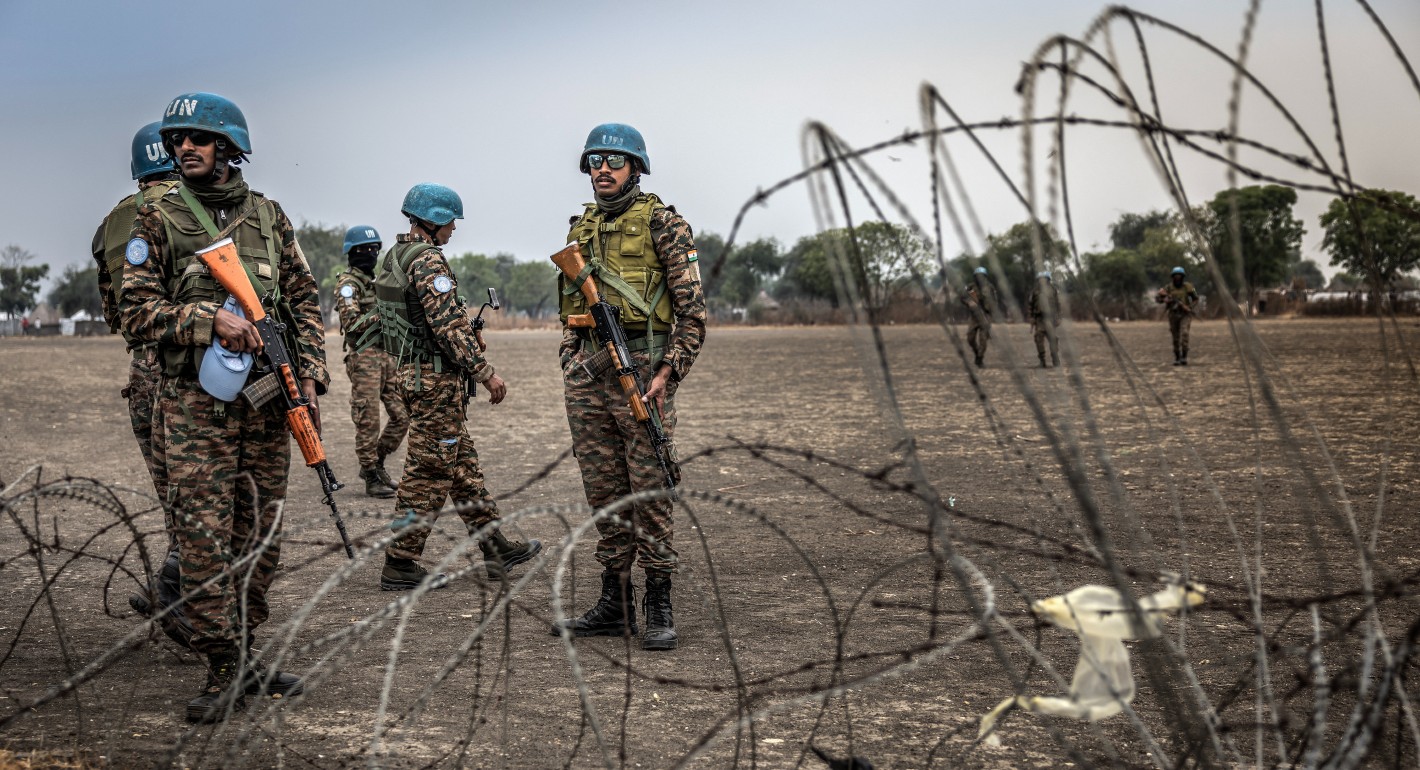
  • Soldiers standing behind barbed wire
    Commentary
    Emissary
    The UN Isn’t Declining. It’s Decomposing.

    Washington’s decision to support some UN functions while letting others wither is pulling the organization apart at the seams.

      Stewart Patrick, Theodore Zaritsky

  • Commentary
    Strategic Europe
    Taking the Pulse: Does the EU Have a Germany Problem?

    Are Germany’s economic, industrial, and political struggles becoming a liability for the EU’s ability to rise to the geopolitical moment?

      • Rym Momtaz

      Rym Momtaz, ed.

  • Research
    China’s Construction of Police Training Facilities in Global South Likely to Expand Global Security Leadership

    China’s police training infrastructure construction projects provide benefits to recipient countries, promote China’s image as a major global security provider, and are likely to reinforce alignment between Beijing’s security priorities and those of countries in the Global South.


      • Sheena Chestnut Greitens
      • +2

      Cameron Waltz, Sheena Chestnut Greitens, Kim Nguyen, …
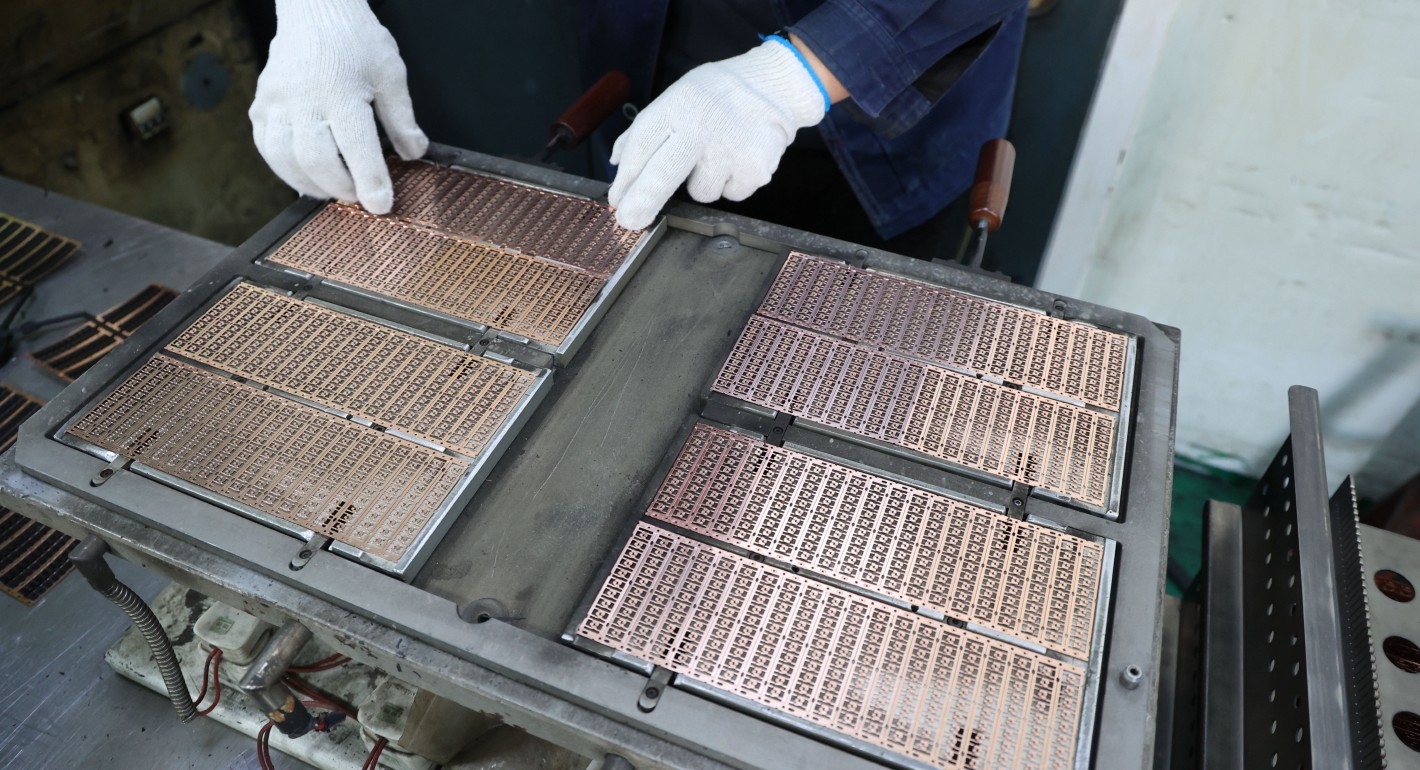
  • hands holding semiconductors in production
    Commentary
    BIS in the New Age of Import Controls

    The Bureau of Industry and Security needs to adjust its focus and practices to maintain its position as the U.S. government’s primary champion of international technological competition.
      • Geoffrey Irving

      Geoffrey Irving

Get more news and analysis from
Carnegie Endowment for International Peace
Carnegie global logo, stacked
1779 Massachusetts Avenue NWWashington, DC, 20036-2103Phone: 202 483 7600
  • Research
  • Emissary
  • About
  • Experts
  • Donate
  • Programs
  • Events
  • Blogs
  • Podcasts
  • Contact
  • Annual Reports
  • Careers
  • Privacy
  • For Media
  • Government Resources
Get more news and analysis from
Carnegie Endowment for International Peace
© 2026 Carnegie Endowment for International Peace. All rights reserved.