

Commentary
Amr Hamzawy
{
  "authors": [
    "Amr Hamzawy"
  ],
  "type": "legacyinthemedia",
  "centerAffiliationAll": "dc",
  "centers": [
    "Carnegie Endowment for International Peace"
  ],
  "collections": [],
  "englishNewsletterAll": "menaTransitions",
  "nonEnglishNewsletterAll": "",
  "primaryCenter": "Carnegie Endowment for International Peace",
  "programAffiliation": "MEP",
  "programs": [
    "Middle East"
  ],
  "projects": [],
  "regions": [
    "Middle East",
    "Egypt"
  ],
  "topics": [
    "Political Reform",
    "Democracy"
  ]
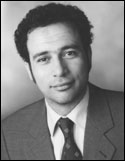
}
Source: Getty
There is a real policy debate going on in Washington on how to tackle the participation and presence of Islamists forces in Egypt and elsewhere. The Muslim Brothers are positioning themselves within the growing reform camp in Egypt and they have a liberal democratic agenda when it comes to political reforms.
Source: Transcript from Amr Hamzawy's interview on CNN
CLANCY: Important elections in Egypt. And now the results coming out. They show opposition Islamists increasing their seats in parliament nearly six-fold. But President Hosni Mubarak's ruling party still retains a massive majority. An Egyptian human rights group says eight people were killed in clashes with security forces Wednesday.
Police cordoned off polling stations in areas that strongly supported the Muslim Brotherhood, a banned but still tolerated political group whose candidates were allowed to run as independents. In a rare critique of Mr. Mubarak, the U.S. State Department issued a statement saying the violent conduct of security forces raised concerns over Egypt's commitment to democracy and freedom.
GORANI: So just how does the Egyptian government go forward, given the election results, the violence and the U.S. criticism of President Mubarak?
Amr Hamzawy is an Egyptian political scientist and a senior associate at the Carnergie Endowment for International Peace. He's in CNN's Washington bureau and joins us now live.
Now, what does this mean for Egyptian political life? How strong of a political force is the Muslim Brotherhood now and what kind of impact will it have on political life?
AMR HAMZAWY, CARNEGIE ENDOWMENT: Well, the picture which is coming out of the elections is a picture of bipolar political system. The NDPs, the ruling National Democratic Party of President Mubarak, still control two-thirds of the seats of the people's assemblies, the lower house of the parliament.
But for the first time in the last five or even six decades, we have an opposition representation of around 30 percent. And the strongest bloc within the opposition representation is the Muslim Brotherhood, which got 88 seats, more or less 20 percent. So this is radically a different scene when you compare it to 2000 to 2005, where we had an overall opposition representation of less than 10 percent.
GORANI: All right, so how does this change things, then? It's still a one -- I mean, it's still technically a one-party system. These Muslim Brotherhood candidates had to run as independents. Does this fundamentally alter the way politics will be conducted in Egypt from now on?
HAMZAWY: It does not. It creates and it's going to generate pressures on Mubarak and his government to pay more attention to domestic demands, to pay more attention to position platforms and generally, specifically to the Muslim Brotherhood.
But as you said, basically what we have is still very much a one party, which is in control of the people's assembly. And not only is this one party controls the assembly, but still very much entrenched within state institutions of violence, which we saw in the last four, five weeks after the first stages of elections -- is frightening.
We still have an NDP, a ruling party which is waiting to do whatever it takes to secure its majority, violating universal norms when it comes to democratic conducted elections.
GORANI: Now how do you think the United States is reacting to all of this? Because the U.S. pressed for this type of Democratic reform and the electoral process. But the result of it is 20 percent of Muslim Brotherhood politicians in parliament. Do you think it regrets having pressed for this process to go so quickly?
HAMZAWY: Well, I mean, this is a real policy debate which is going on in Washington on how to tackle the participation and presence of Islamists forces in Egypt and elsewhere. When it comes to the Muslim Brothers, they changed a great deal in the last 20 years. They are positioning themselves within the growing reform camp in Egypt. And they have a liberal democratic agenda when it comes to political reforms.
They still have their gray zones when it comes to cultural issues, to the relationship between Muslims and the Christian Coptic minority of Egypt. But they can -- you can move them while integrating them. So they're not -- they shouldn't be frightened of the participation of the Brotherhood.
Rather, the real questions will have to be addressed and asked to President Mubarak and the government. Questions about commitment to political reform should be raised when it comes to our government, which used security forces to intimidate the electorate and to suppress Egyptians from going to the polling stations to cast their votes.
GORANI: Because Amr Hamzawy, this has been an issue, as well, inside of Egypt, where security has been accused of harassing voters.
HAMZAWY: Right.
GORANI: And creating an environment of intimidation. Could this backfire on the Egyptian government?
HAMZAWY: Well, it's going to backfire, but it's going to backfire in a limited way. It will backfire when it comes to opposition forces in general. It will backfire when it comes to intellectuals and interested Egyptians.
But in general, we have to keep in mind that the voter turnout of the elections was less than 20 percent. We still have a great majority of Egyptians who are maybe apathetic about what's happening, who are not very much interested in participating.
So it will not backfire in a way that I expect massive demonstrations in Egypt. But it puts the regime internationally and domestically in a rather negative light. And Mubarak and his group hoped to create a better image with these elections, but they headed in the wrong direction.
GORANI: All right, Amr Hamzawy, a political scientist and a senior associate at the Carnegie Endowment for International Peace. Thanks so much for being with us.
HAMZAWY: Thank you.

Director, Middle East Program
Amr Hamzawy is a senior fellow and the director of the Carnegie Middle East Program. His research and writings focus on Egypt’s and other middle powers’ involvement in regional security in the Middle East, particularly through collective diplomacy and multilateral conflict resolution
Recent Work
Amr Hamzawy
Amr Hamzawy
Carnegie does not take institutional positions on public policy issues; the views represented herein are those of the author(s) and do not necessarily reflect the views of Carnegie, its staff, or its trustees.

Amid celebrations of bilateral ties was a deeper focus on stability in the Middle East.
Amr Hamzawy
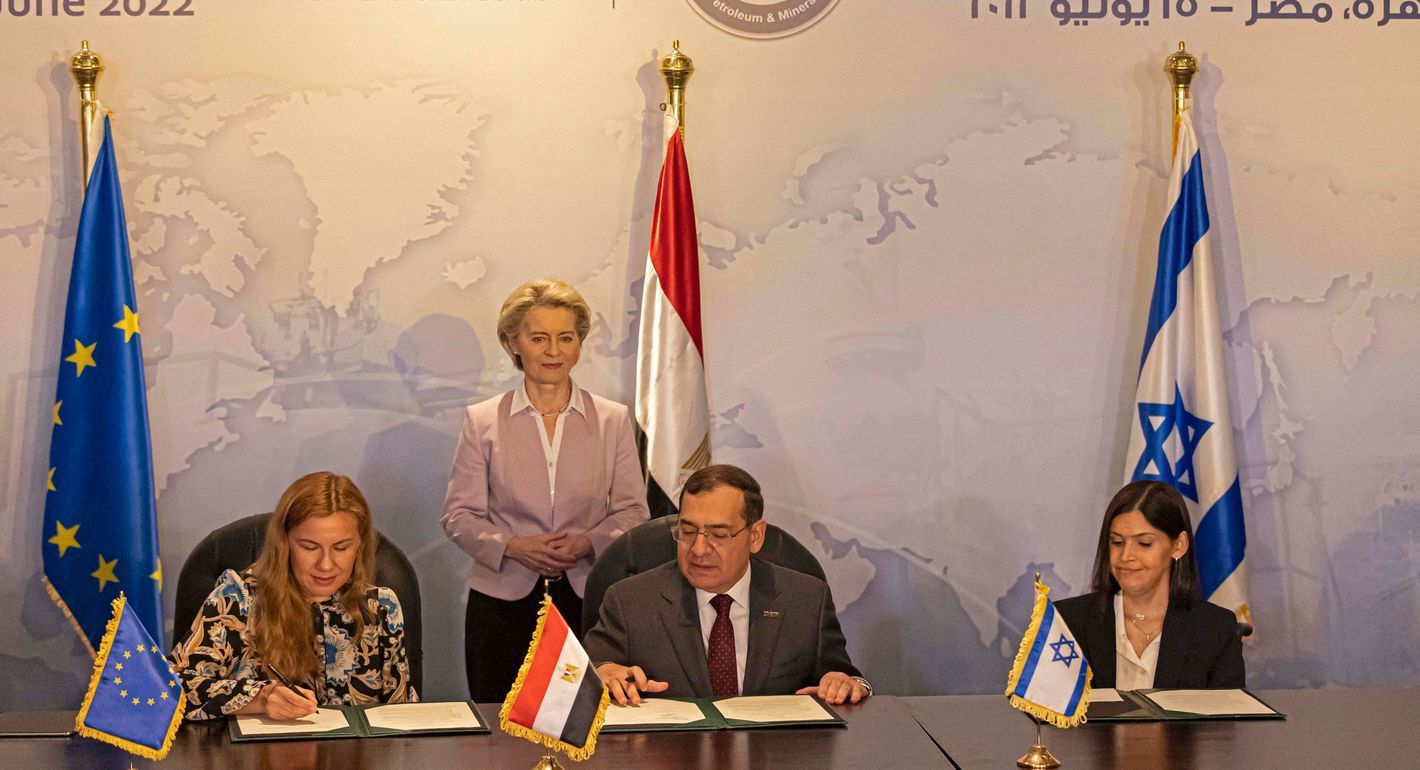
Can economic ties help contain conflict between Egypt and Israel, or do they simply postpone confrontation? Drawing on the German-Russian experience, the article examines how the gas deal creates mutual dependence, keeps channels of cooperation open, and raises the cost of conflict, without necessarily delivering lasting peace.
Nourhan Hefzy
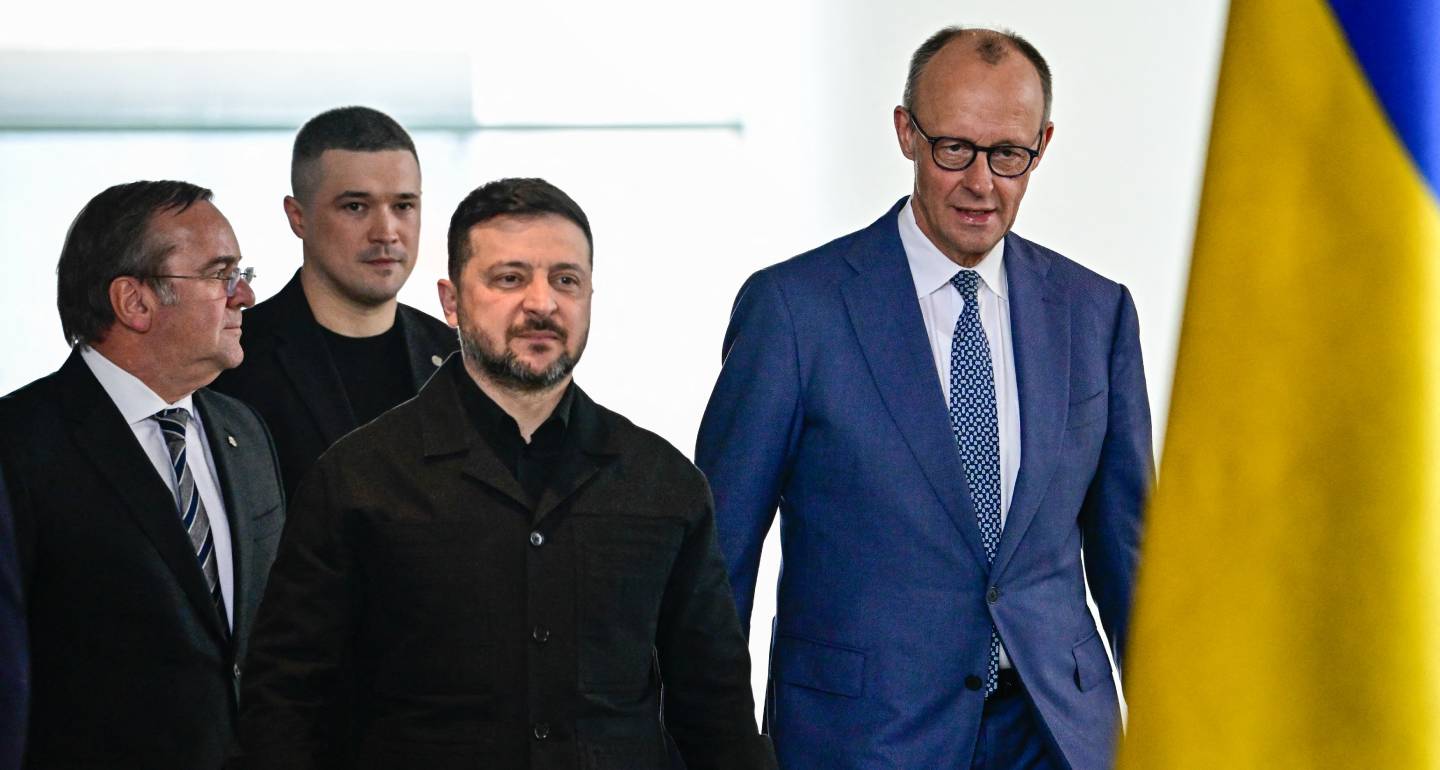
The greater threat to Zelensky comes not from Fedorov alone, but from the convergence between the former defense minister’s political campaign and the anti-corruption investigations moving ever closer to the presidential administration.

Balázs Jarábik
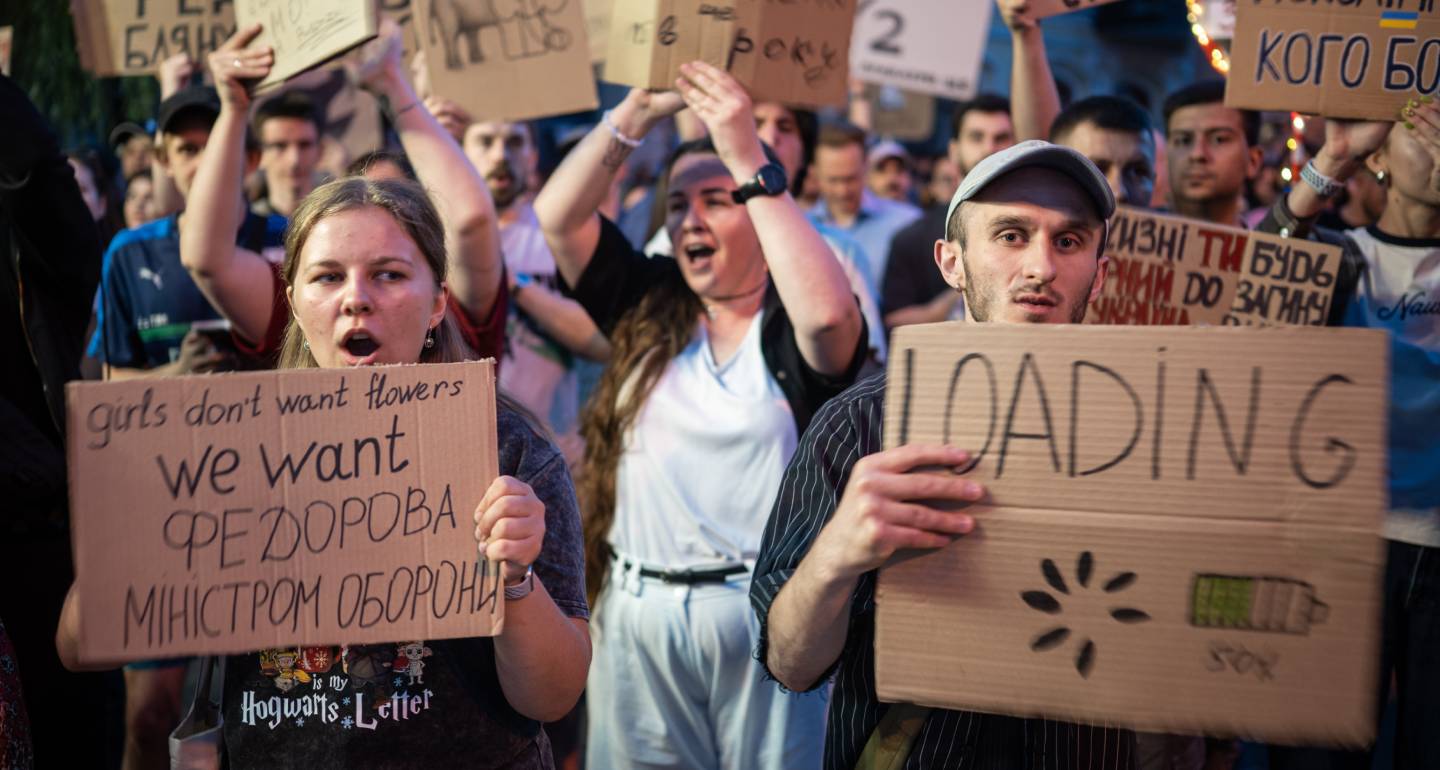
With his public call for new elections in Ukraine, ex-defense minister Mykhailo Fedorov has opened Pandora’s box.

Konstantin Skorkin

In supporting Europe’s far-right, MAGA and Russia both want the same thing: a weaker EU. Europe must defend itself without abandoning the openness these forces exploit.

Armida van Rij