• Research
  • Emissary
  • About
  • Experts
Carnegie Global logoCarnegie lettermark logo
DemocracyIran
  • Donate
{
  "authors": [
    "Ashley J. Tellis"
  ],
  "type": "testimony",
  "centerAffiliationAll": "dc",
  "centers": [
    "Carnegie Endowment for International Peace"
  ],
  "collections": [
    "U.S. Nuclear Policy"
  ],
  "englishNewsletterAll": "ctw",
  "nonEnglishNewsletterAll": "",
  "primaryCenter": "Carnegie Endowment for International Peace",
  "programAffiliation": "NPP",
  "programs": [
    "Nuclear Policy",
    "South Asia"
  ],
  "projects": [],
  "regions": [
    "North America",
    "United States",
    "South Asia",
    "India"
  ],
  "topics": [
    "Nuclear Policy"
  ]
}
Source: Getty

Testimony

U.S.-India Atomic Energy Cooperation: Strategic and Nonproliferation Implications

Link Copied
By Ashley J. Tellis
Published on Apr 26, 2006
Program mobile hero image

Program

Nuclear Policy

The Nuclear Policy Program aims to reduce the risk of nuclear war. Our experts diagnose acute risks stemming from technical and geopolitical developments, generate pragmatic solutions, and use our global network to advance risk-reduction policies. Our work covers deterrence, disarmament, arms control, nonproliferation, and nuclear energy.

Learn More
Program mobile hero image

Program

South Asia

The South Asia Program informs policy debates relating to the region’s security, economy, and political development. From strategic competition in the Indo-Pacific to India’s internal dynamics and U.S. engagement with the region, the program offers in-depth, rigorous research and analysis on South Asia’s most critical challenges.

Learn More


On April 26, 2006, Carnegie Senior Associate Ashley J. Tellis testified before the Senate Foreign Relations Committee. His testimony was part of the hearing on "U.S.-India Atomic Energy Cooperation: Strategic and Nonproliferation Implications" called by Chairman of the Committee Senator Richard G. Lugar.

Click on the right to access Tellis' testimony.

About the Author

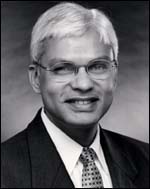
Ashley J. Tellis

Former Senior Fellow

Ashley J. Tellis was a senior fellow at the Carnegie Endowment for International Peace.

    Recent Work

  • Paper
    Multipolar Dreams, Bipolar Realities: India’s Great Power Future

      Ashley J. Tellis

  • Commentary
    India Sees Opportunity in Trump’s Global Turbulence. That Could Backfire.

      Ashley J. Tellis

Ashley J. Tellis
Former Senior Fellow
Nuclear PolicyNorth AmericaUnited StatesSouth AsiaIndia

Carnegie does not take institutional positions on public policy issues; the views represented herein are those of the author(s) and do not necessarily reflect the views of Carnegie, its staff, or its trustees.

More Work from Carnegie Endowment for International Peace

  • Article
    The Iran War Shows the Limits of U.S. Power

    If Washington cannot adapt to the ongoing transformations of a multipolar world, its superiority will become a liability.

      Amr Hamzawy

  • Commentary
    Diwan
    Where is the Groundwork for Lebanon’s Negotiations With Israel?

    A prerequisite of serious talks is that the country’s leadership consolidates majority national support for such a process.

      Michael Young

  • Crowd On Mumbai city street At night
    Article
    India’s Demographic Dividend Is a Test of Governance

    India’s demographic transition is underway, but its economic payoff remains far from guaranteed.

      • Apoorva Jadhav

      Apoorva Jadhav

  • Article
    India’s Press Note 3 Gamble: Opening the FDI Door to China

    On March 10, 2026, India’s Union Cabinet approved amendments to Press Note 3, a regulation that mandated government approval on all foreign direct investment (FDI) from countries sharing a land border with India. This amendment raises questions primarily about whether its stated benefits will materialize and if the risks have been adequately weighed. This piece will address the same.

      Konark Bhandari

  • Woman standing amid debris from buildings
    Commentary
    Emissary
    Trump’s National Security Decisionmaking Is Broken

    Here’s why—and what the next president needs to do to fix the process.

      Daniel C. Kurtzer, Aaron David Miller

Get more news and analysis from
Carnegie Endowment for International Peace
Carnegie global logo, stacked
1779 Massachusetts Avenue NWWashington, DC, 20036-2103Phone: 202 483 7600
  • Research
  • Emissary
  • About
  • Experts
  • Donate
  • Programs
  • Events
  • Blogs
  • Podcasts
  • Contact
  • Annual Reports
  • Careers
  • Privacy
  • For Media
  • Government Resources
Get more news and analysis from
Carnegie Endowment for International Peace
© 2026 Carnegie Endowment for International Peace. All rights reserved.