

Commentary
The conflict is exposing the deep energy vulnerabilities of Korea’s chip industry.
Darcie Draudt-Véjares, Tim Sahay
{
  "authors": [],
  "type": "pressRelease",
  "centerAffiliationAll": "",
  "centers": [
    "Carnegie Endowment for International Peace"
  ],
  "collections": [],
  "englishNewsletterAll": "",
  "nonEnglishNewsletterAll": "",
  "primaryCenter": "Carnegie Endowment for International Peace",
  "programAffiliation": "",
  "programs": [],
  "projects": [],
  "regions": [],
  "topics": [
    "Foreign Policy"
  ]
}
REQUIRED IMAGE
For Immediate Release: June 23, 2006
Contact: Jennifer Linker, 202/939-2372, jlinker@CarnegieEndowment.org
On June 20, 2006, the first annual Carnegie Foreign Policy Conference was held at the Carnegie Endowment under the theme of “Managing U.S. Dominance.” The conference was a gathering of 100 outstanding young professionals who will be responsible for adapting U.S. foreign policy to the future geopolitical environment. The Carnegie Endowment intends to host the conference each June for selected young professionals chosen through an application process.
Organized by Carnegie’s Junior Fellow class of 2005-2006, the conference included keynote speeches by Robert Gallucci, Dean of the Georgetown School of Foreign Service, and Dr. Paul Pillar, former CIA National Intelligence Officer for the Near East and South Asia. Jessica T. Mathews, president of the Carnegie Endowment, opened the conference by welcoming this “group of individuals with an amazing richness of experience, across many sectors.”
During the day, breakout sessions engaged participants in an informative dialogue to generate ideas for confronting future challenges. Topics included democracy promotion, China’s rise, the effectiveness of intergovernmental organizations, U.S. energy policy, and the role of non-state actors, among others. These sessions were led by foreign policy scholars Michael McFaul (Carnegie Endowment), John Judis (Carnegie Endowment), David Bosco (Foreign Policy), Michael O’Hanlon (Brookings Institution), Nathan Brown (Carnegie Endowment), Steve Mufson (Washington Post), Tod Lindberg (Hoover Institution), and Michael Swaine (Carnegie Endowment).
Click here to access the Conference Agenda.
Click here for transcripts and more information about the Carnegie Foreign Policy Conference or go to www.CarnegieEndowment.org/JrFellowsConf.
The Carnegie Junior Fellows Program: Each year the Endowment offers 8-10 one-year fellowships to uniquely qualified graduating seniors and individuals who have graduated during the past academic year. They are selected from a pool of nominees from close to 300 colleges. For more information go to: www.CarnegieEndowment.org
2005-2006 Carnegie Junior Fellows Ben Bain, Dina Bishara, Danielle Cohen, Matthew Gibson, Faaiza Rashid, Meredith Riley, and Katherine Vyborny organized the event.
Press Contact: Jennifer Linker, (202) 939-2372, jlinker@CarnegieEndowment.org
If you have received this message in error, send a message to info@CarnegieEndowment.org
###
Carnegie does not take institutional positions on public policy issues; the views represented herein are those of the author(s) and do not necessarily reflect the views of Carnegie, its staff, or its trustees.
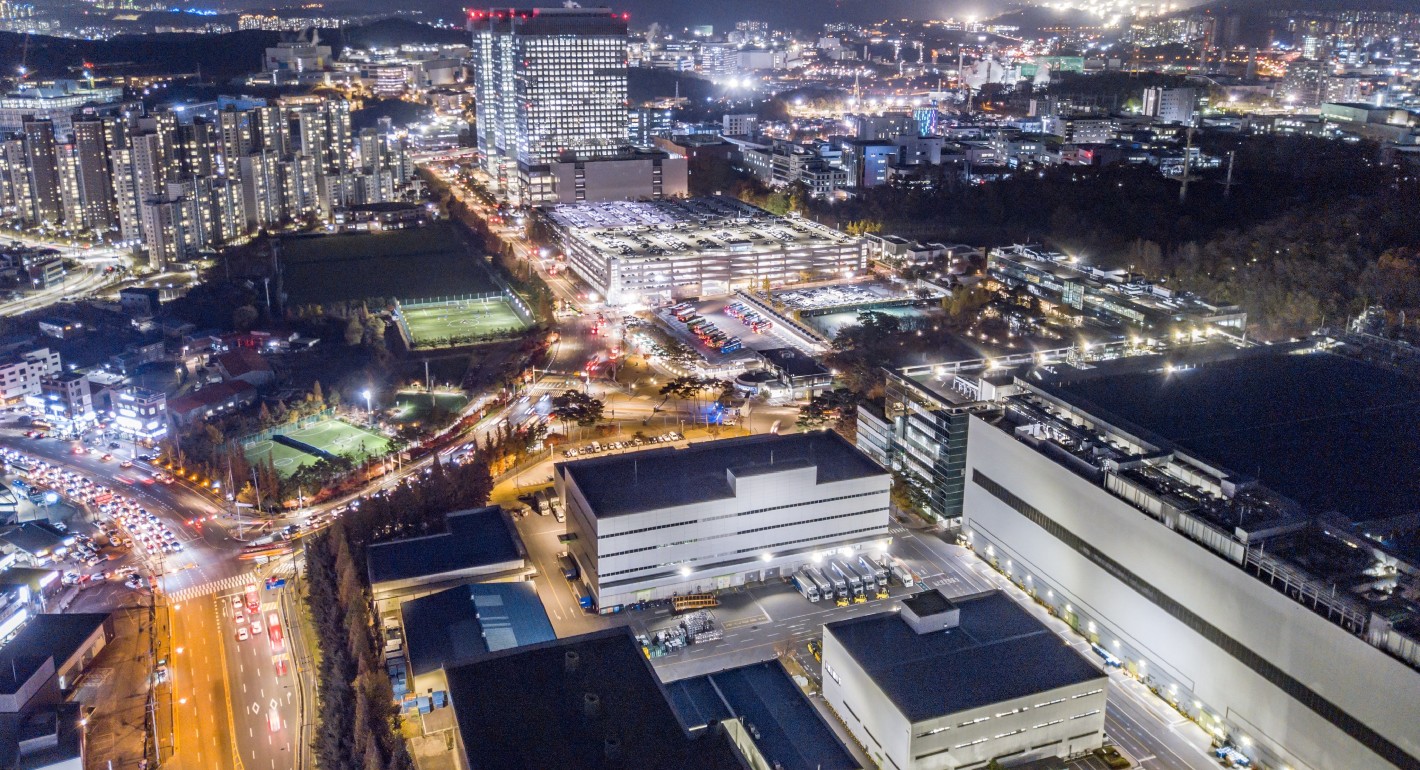
The conflict is exposing the deep energy vulnerabilities of Korea’s chip industry.

Darcie Draudt-Véjares, Tim Sahay
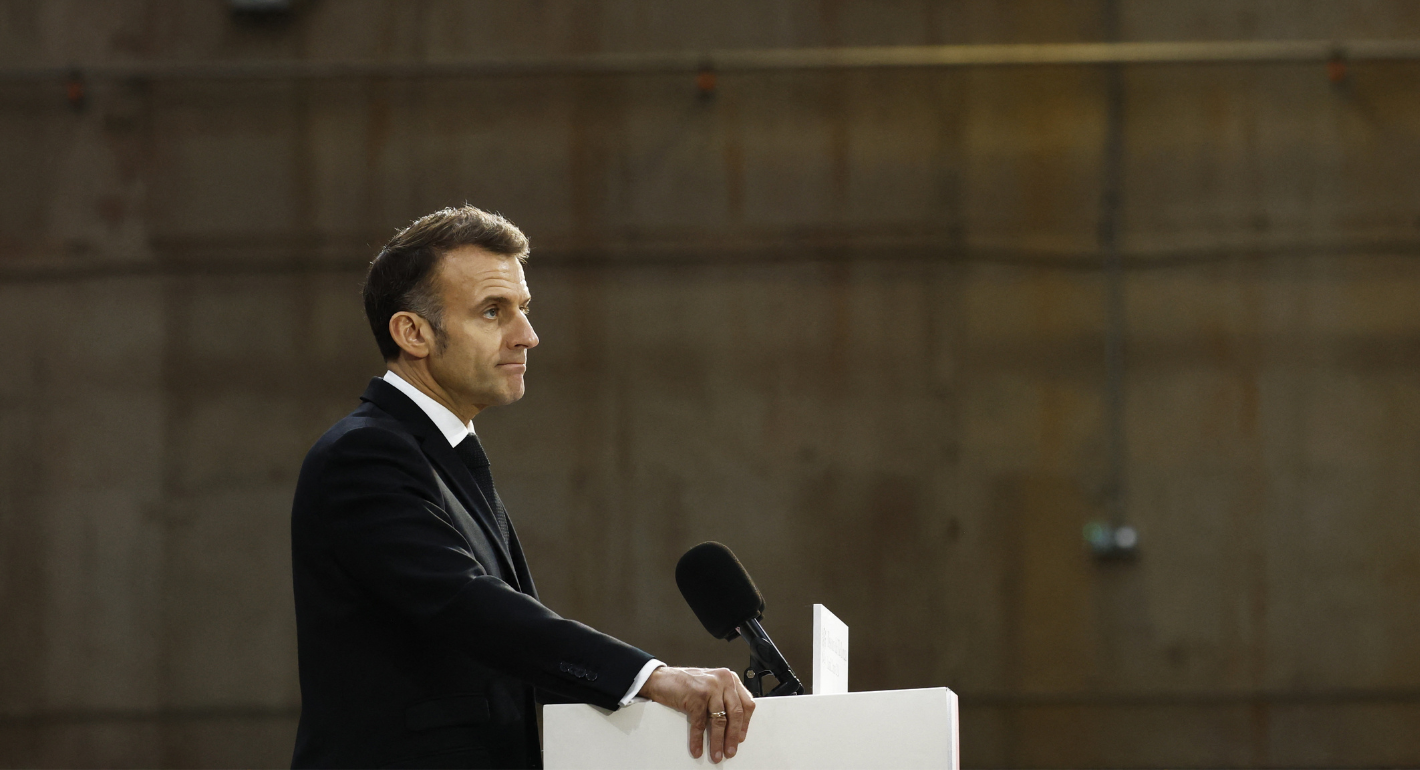
French President Emmanuel Macron has unveiled his country’s new nuclear doctrine. Are the changes he has made enough to reassure France’s European partners in the current geopolitical context?

Rym Momtaz, ed.
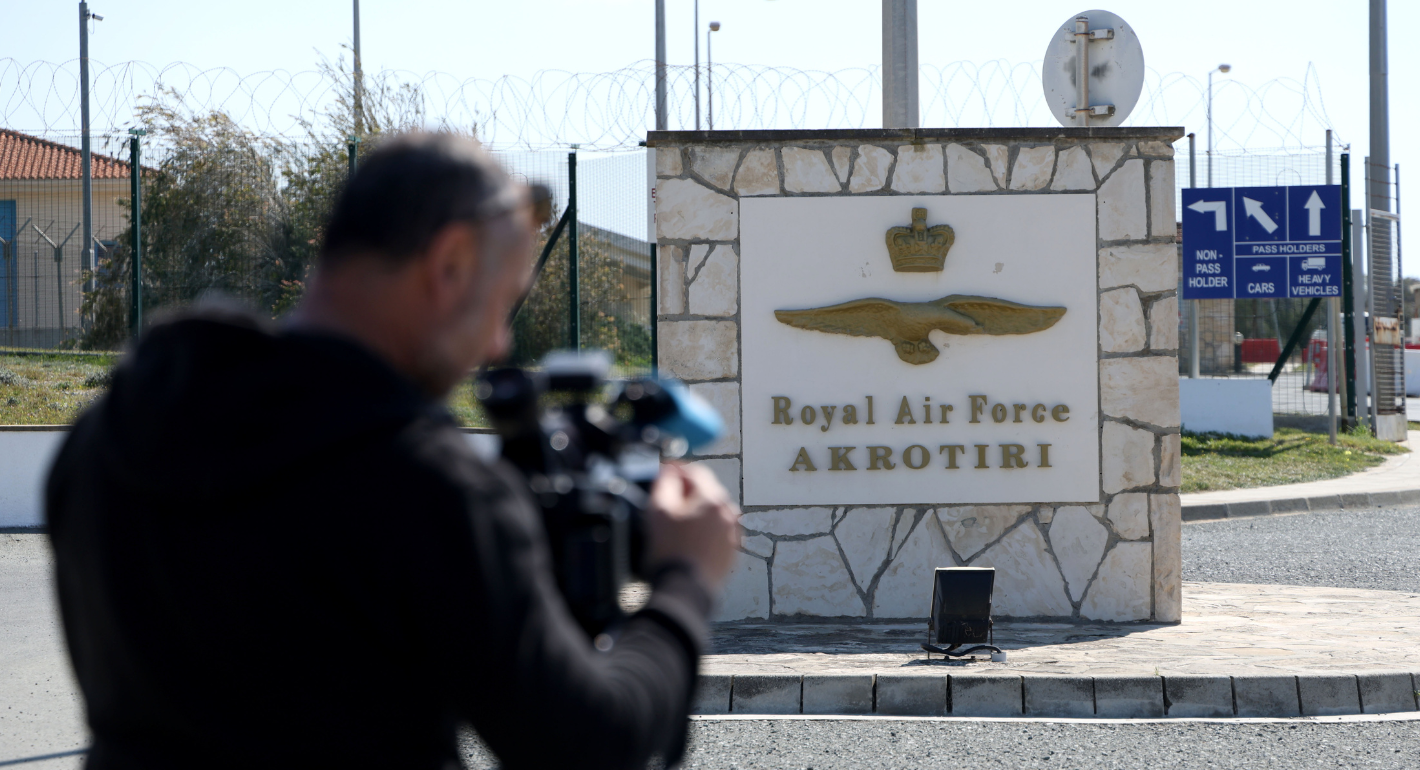
The drone strike on the British air base in Akrotiri brings Europe’s proximity to the conflict in Iran into sharp relief. In the fog of war, old tensions in the Eastern Mediterranean risk being reignited, and regional stakeholders must avoid escalation.

Marc Pierini
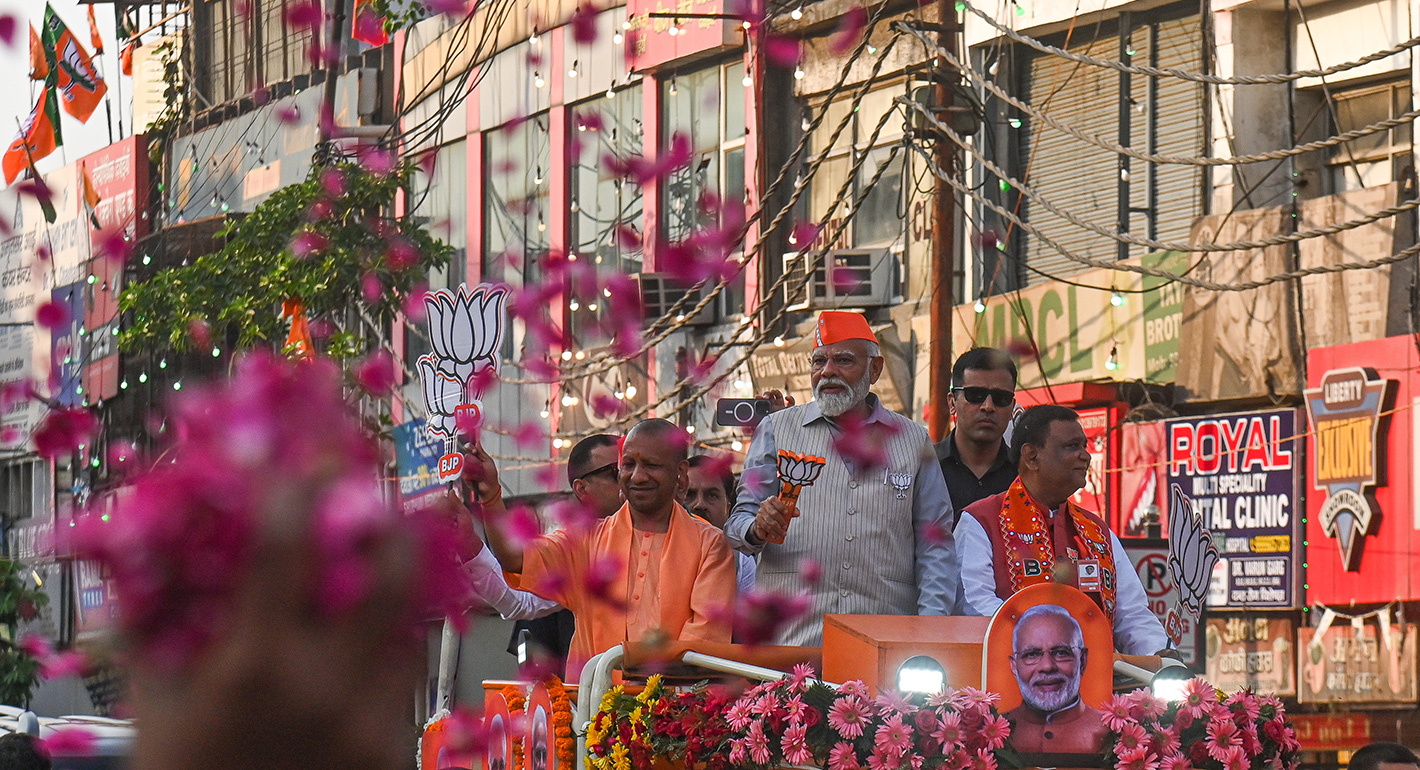
Domestic mobilization, personalized leadership, and nationalism have reshaped India’s global behavior.
Sandra Destradi
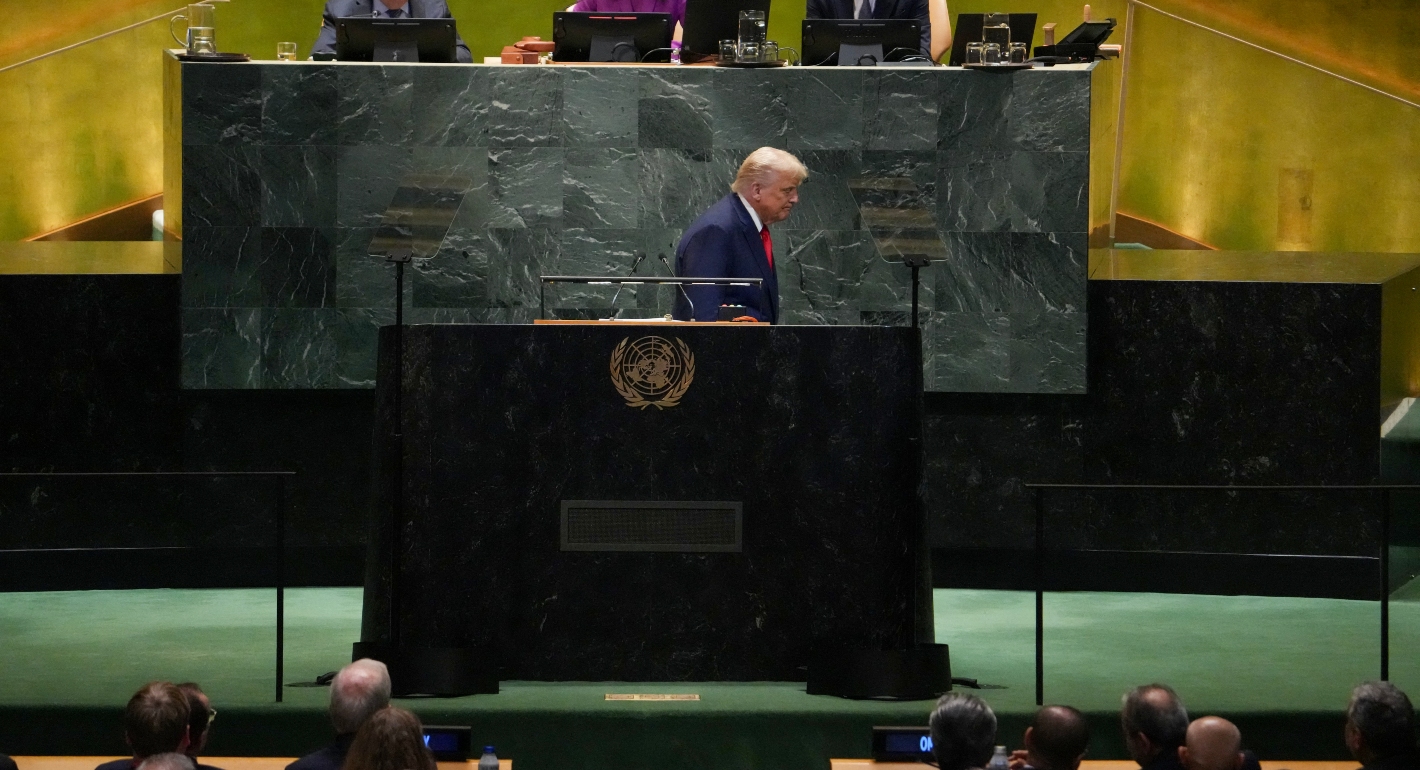
For years, the United States anchored global cyber diplomacy. As Washington rethinks its leadership role, the launch of the UN’s Cyber Global Mechanism may test how allies adjust their engagement.
Patryk Pawlak, Chris Painter