

Commentary
It should address the shortcomings of previous crisis communication efforts and adapt to the demands of frontier AI.
Lucy Luo
{
  "authors": [
    "Vladimir Milov"
  ],
  "type": "legacyinthemedia",
  "centerAffiliationAll": "dc",
  "centers": [
    "Carnegie Endowment for International Peace"
  ],
  "collections": [],
  "englishNewsletterAll": "ctw",
  "nonEnglishNewsletterAll": "",
  "primaryCenter": "Carnegie Endowment for International Peace",
  "programAffiliation": "russia",
  "programs": [
    "Russia and Eurasia"
  ],
  "projects": [],
  "regions": [],
  "topics": [
    "Economy",
    "Foreign Policy"
  ]
}
REQUIRED IMAGE
Source: Pro et Contra
This article orginally appeared in Russian in "The Power of Oil and Gas" edition of the Pro et Contra journal (Volume 10, Nos. 2-3, 2006), published by the Carnegie Moscow Center.
It is not wholly appropriate to apply the term "petrostate" equally to all larger exporters of oil, as if they were identical. "Petrostates" can be clearly divided into two unequal groups: those countries where the population is sufficiently small to live well off of hydrocarbon exports, and those countries where such income is barely sufficient to cover the most basic needs of the population and the appetites of government bureaucrats. A large population and a significant domestic demand for energy effectively mean that Russia can never become an "oil paradise." For all intents and purposes, the question of funding Russia 's broad modernization on the back of its energy potential can be considered moot. It is impossible, and there are not sufficient resources for such an endeavor.
For the full text, please click on the link above.
Vladimir Milov
Carnegie does not take institutional positions on public policy issues; the views represented herein are those of the author(s) and do not necessarily reflect the views of Carnegie, its staff, or its trustees.
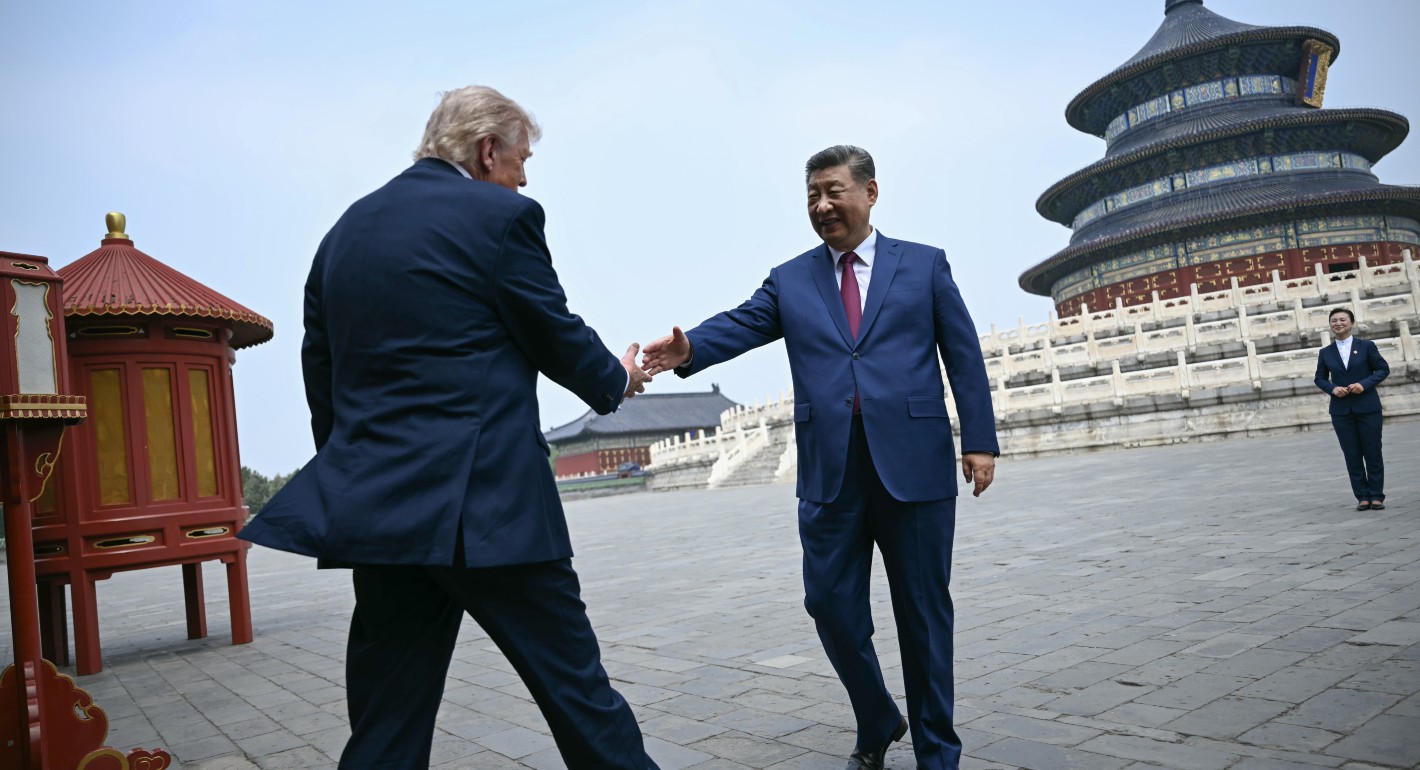
It should address the shortcomings of previous crisis communication efforts and adapt to the demands of frontier AI.

Lucy Luo
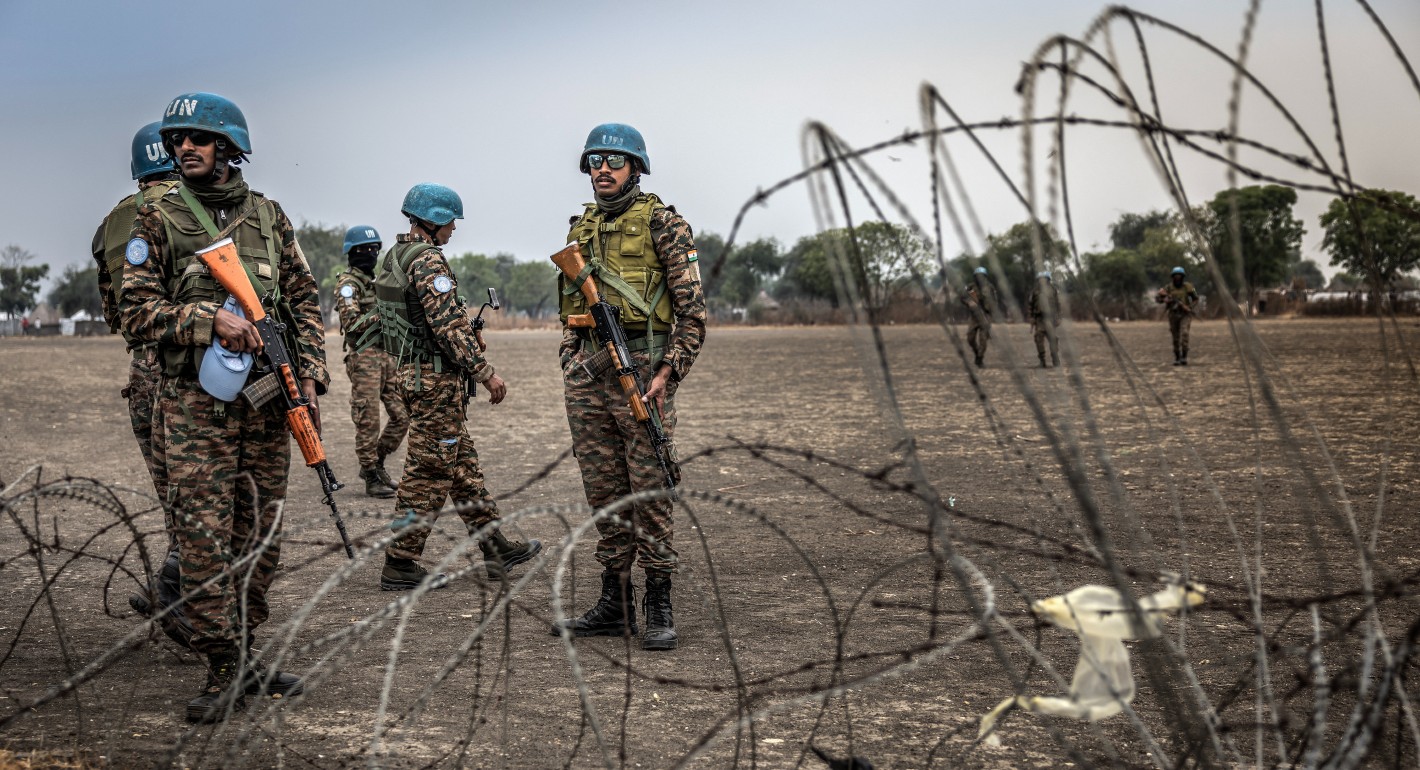
Washington’s decision to support some UN functions while letting others wither is pulling the organization apart at the seams.

Stewart Patrick, Theodore Zaritsky

Are Germany’s economic, industrial, and political struggles becoming a liability for the EU’s ability to rise to the geopolitical moment?

Rym Momtaz, ed.

China’s police training infrastructure construction projects provide benefits to recipient countries, promote China’s image as a major global security provider, and are likely to reinforce alignment between Beijing’s security priorities and those of countries in the Global South.


Cameron Waltz, Sheena Chestnut Greitens, Kim Nguyen, …

The Bureau of Industry and Security needs to adjust its focus and practices to maintain its position as the U.S. government’s primary champion of international technological competition.

Geoffrey Irving