

Commentary
The EU can impose sanctions but struggles to enforce them without the United States. With Washington increasingly disinterested in backing European interests, the bloc must now fend for itself.
Nicu Popescu, Tiago Antunes
{
  "authors": [
    "Andrew Monaghan"
  ],
  "type": "legacyinthemedia",
  "centerAffiliationAll": "dc",
  "centers": [
    "Carnegie Endowment for International Peace"
  ],
  "collections": [],
  "englishNewsletterAll": "ctw",
  "nonEnglishNewsletterAll": "",
  "primaryCenter": "Carnegie Endowment for International Peace",
  "programAffiliation": "russia",
  "programs": [
    "Russia and Eurasia"
  ],
  "projects": [],
  "regions": [],
  "topics": [
    "Economy",
    "Foreign Policy"
  ]
}
REQUIRED IMAGE
Source: Pro et Contra
This article orginally appeared in Russian in "The Power of Oil and Gas" edition of the Pro et Contra journal (Volume 10, No. 2-3, 2006), published by the Carnegie Moscow Center.
The energy sector is central to the future economic security and development of both Russia and the EU and is a central element of the EU-Russia relationship. It is a dimension that is of real importance, rather than concocted political desire. It would severely undermine the energy security of both the EU and Russia if the relationship began to drift apart in the search for superficially more reliable sources. Concerns about Russia 's reliability cannot be dismissed out of hand, but problems must be more accurately pin-pointed. It is important that the rhetoric moves away from notions of mutual “dependence” on the other and producer vs. consumer relations. The relationship is a mutual one, with benefits as well as down-sides for both.
For the full text, please click on the link above.
Andrew Monaghan
Carnegie does not take institutional positions on public policy issues; the views represented herein are those of the author(s) and do not necessarily reflect the views of Carnegie, its staff, or its trustees.

The EU can impose sanctions but struggles to enforce them without the United States. With Washington increasingly disinterested in backing European interests, the bloc must now fend for itself.


Nicu Popescu, Tiago Antunes
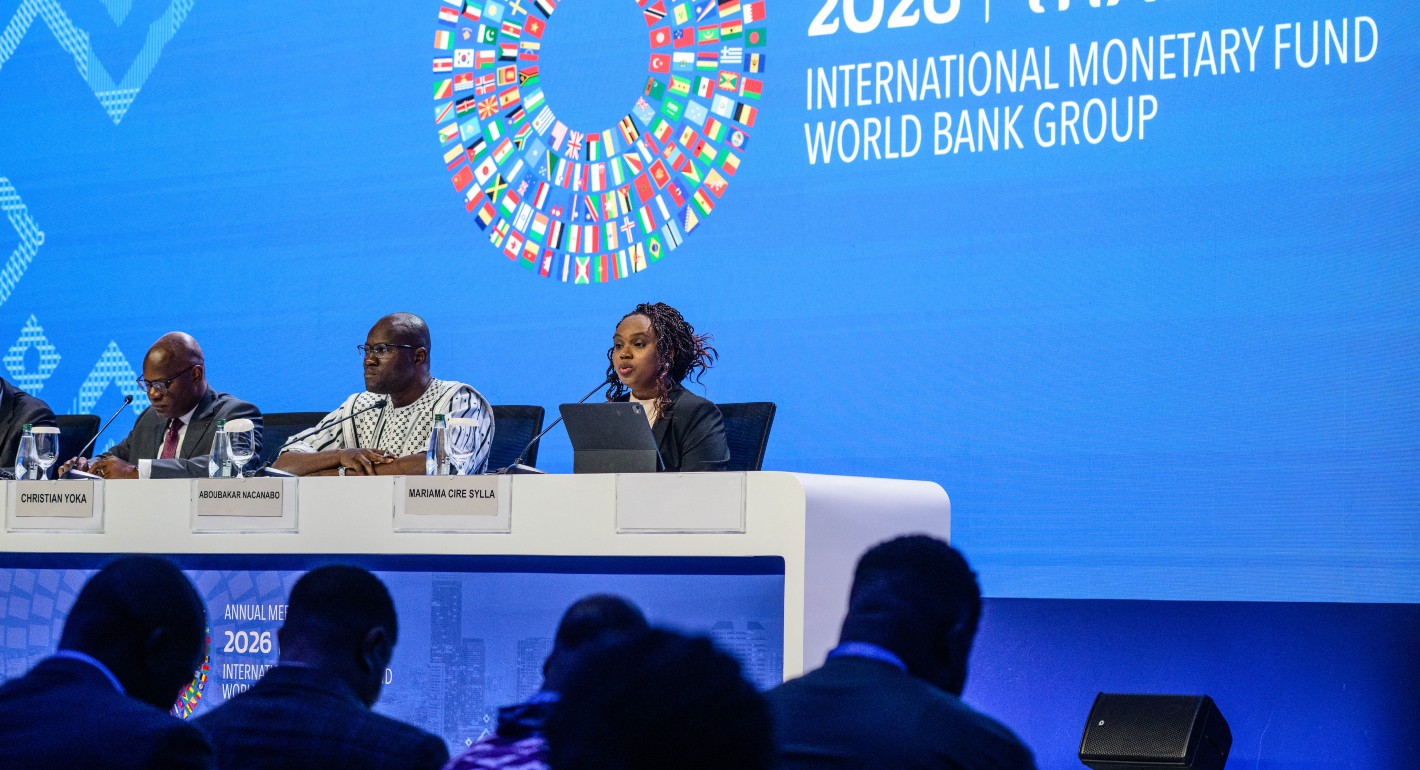
Global and rising powers will need to engage with Africa’s priorities and agency in order to secure the continent’s increasingly attractive partnerships.

Fonteh Akum

Rubio’s recent visit brought welcome attention, but more capital requires governance changes that may be a hard sell for regional governments.

Jennifer B. Murtazashvili

America’s foreign-policy objectives have grown more demanding while Americans have demanded greater focus on their own affairs.

Stephen Wertheim

Japan’s long-term security policy is driven by concerns about China, and there is little appetite for (or interest in) pursuing a confrontation with Moscow.

James D.J. Brown