

Commentary
With his public call for new elections in Ukraine, ex-defense minister Mykhailo Fedorov has opened Pandora’s box.
Konstantin Skorkin
{
  "authors": [],
  "type": "pressRelease",
  "centerAffiliationAll": "dc",
  "centers": [
    "Carnegie Endowment for International Peace"
  ],
  "collections": [],
  "englishNewsletterAll": "menaTransitions",
  "nonEnglishNewsletterAll": "",
  "primaryCenter": "Carnegie Endowment for International Peace",
  "programAffiliation": "MEP",
  "programs": [
    "Middle East"
  ],
  "projects": [],
  "regions": [
    "Middle East",
    "Jordan"
  ],
  "topics": [
    "Political Reform"
  ]
}
REQUIRED IMAGE
Nathan Brown examines how Jordan’s Islamic movement gained political legitimacy, but repackaged its strong beliefs in legal organizations that have a broad and deep reach into Jordanian society. As a consequence, the Jordanian regime and Islamic movement now find themselves debating whether or not this peaceful model is sustainable, and if confrontation is inevitable.
FOR IMMEDIATE RELEASE: November 9, 2006
Over the past 50 years, Jordan’s rulers have encouraged Islamists to run for office, but within strict limits to discourage religious extremism. Historically, Islamist leaders have chosen to participate in the system rather than work to overthrow the regime. As a result, the Jordanian Muslim Brotherhood and the government have come to regard each other as political rivals, rather than implacable adversaries. Yet the recent pressure of regional events threatens to unravel the peace, as both sides consider whether to escalate, or contain, growing tensions.
Understanding this dynamic in Jordan helps answer some of the most critical questions about regional democratic reform: Can Islamist political parties operate within the boundaries of a democratic system? Does participation breed moderation?
In a new Carnegie Paper, Jordan and Its Islamic Movement: The Limits of Inclusion?, Nathan Brown examines how Jordan’s Islamic movement gained political legitimacy, but repackaged its strong beliefs in legal organizations that have a broad and deep reach into Jordanian society. As a consequence, the Jordanian regime and Islamic movement now find themselves debating whether or not this peaceful model is sustainable, and if confrontation is inevitable. To read this Carnegie Paper, go to: www.CarnegieEndowment.org/MiddleEast.
Using the Islamic Action Front (IAF)—the Muslim Brotherhood’s political party in Jordan—as a case study, Brown finds that “participating in a fully functioning democratic political system may indeed have a moderating effect on Islamist movements over the long term, but that opportunity is hardly likely to be offered in most Arab states. The most that will be available will be constrained competition in a partially liberalized system.”
Direct link to PDF: http://www.carnegieendowment.org/files/cp_74_brown_final.pdf
Nathan Brown is a senior associate in the Middle East Program at the Carnegie Endowment, and co-author of the Carnegie Paper Islamist Movements and the Democratic Process in the Arab World: Exploring Gray Zones.
Press Contact: Trent Perrotto, 202/939-2372, tperrotto@CarnegieEndowment.org
The Carnegie Endowment for International Peace is a private, nonprofit organization dedicated to advancing cooperation between nations and promoting active international engagement by the United States. www.CarnegieEndowment.org
###
Carnegie does not take institutional positions on public policy issues; the views represented herein are those of the author(s) and do not necessarily reflect the views of Carnegie, its staff, or its trustees.

With his public call for new elections in Ukraine, ex-defense minister Mykhailo Fedorov has opened Pandora’s box.

Konstantin Skorkin

In the discussions made possible by the State Duma election campaign, one question is being asked more and more loudly. “What next?”

Andrey Pertsev
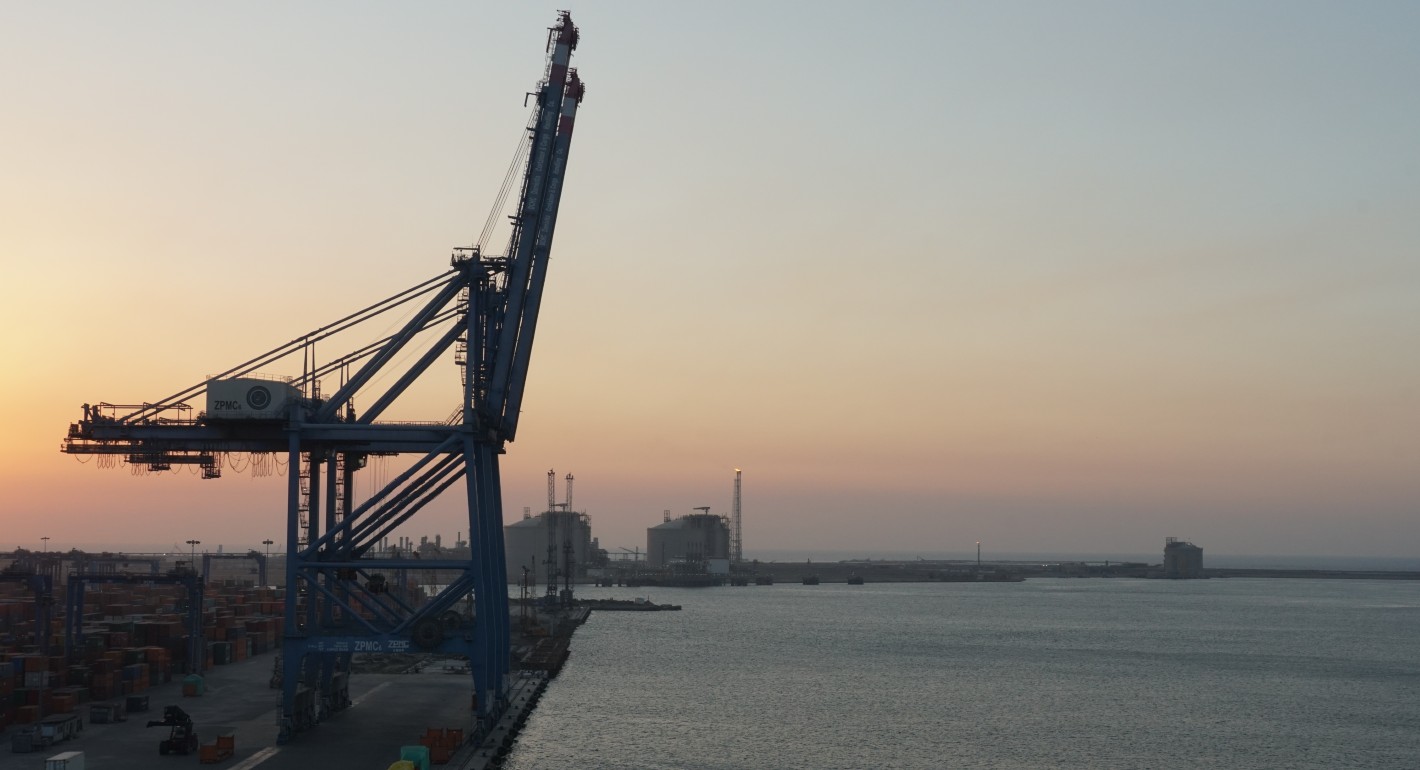
The targeting of Damietta Port appears to be more than a mere security message.

Amr Hamzawy
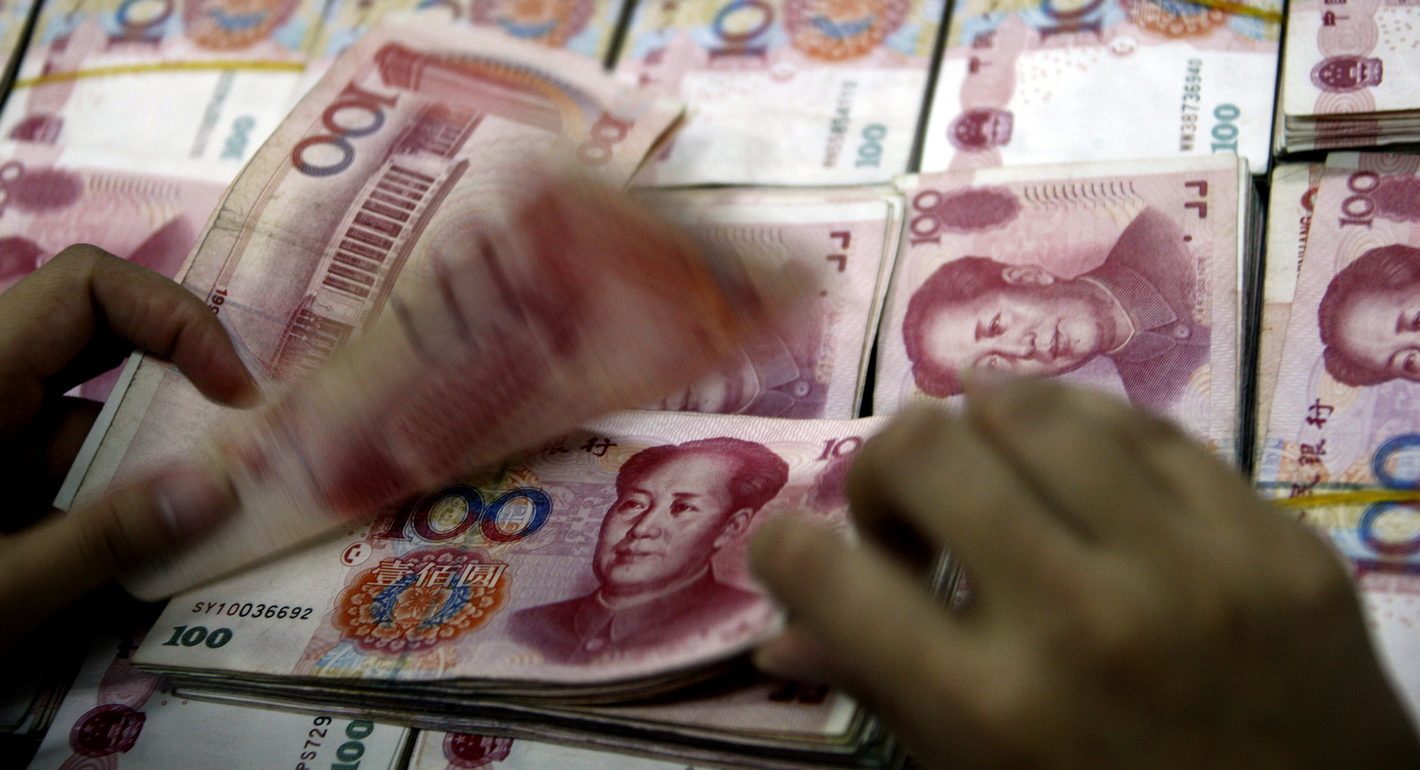
Is the Gulf moving beyond the dollar? This article examines how China is expanding the renminbi's role across Gulf markets, what that means for regional finance, and why the future of global currencies is more complex than the de-dollarization debate suggests.

Andrew Bonney
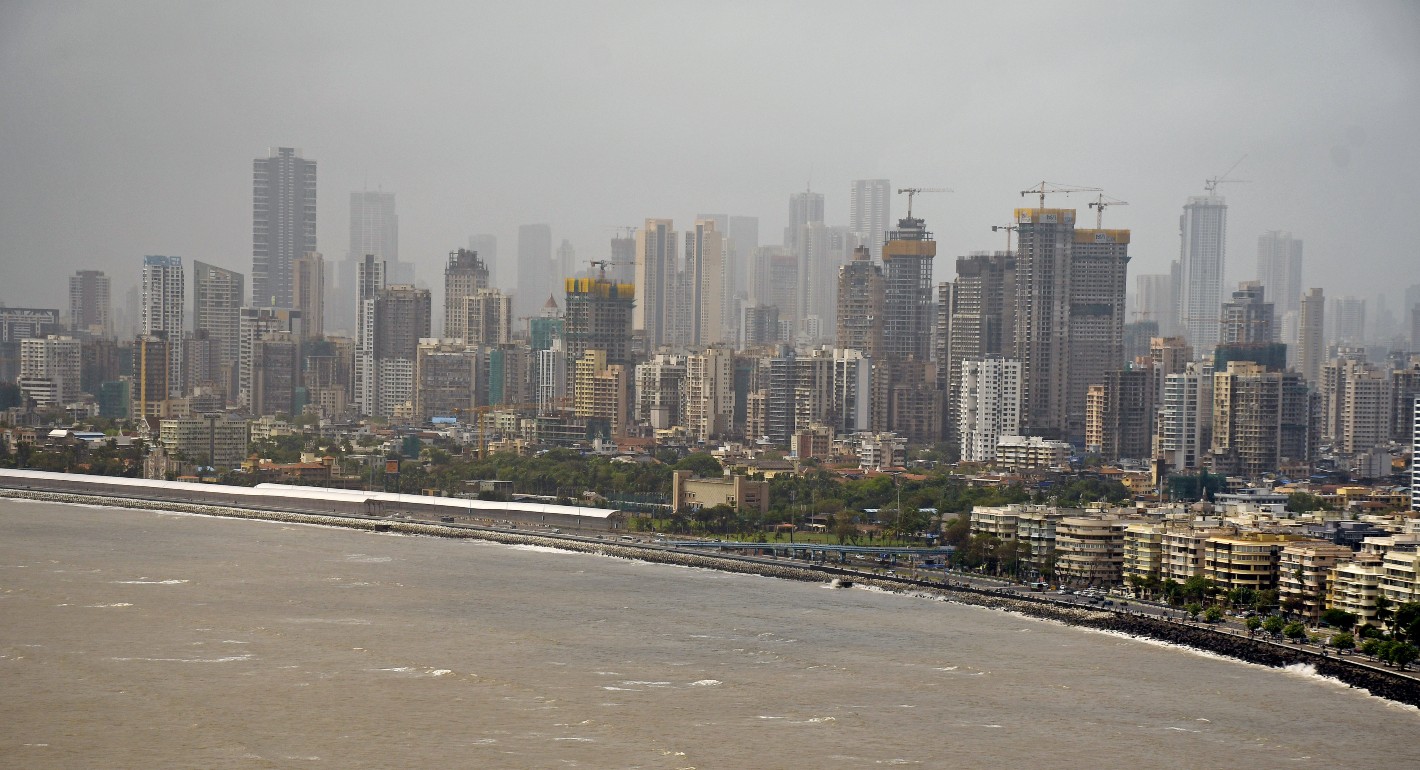
As India undergoes a demographic transition, its cities will be its economic powerhouse—but only if it accurately captures city growth and empowers cities to support their citizens.
Apoorva Jadhav