

Commentary
Middle Eastern states should welcome an accelerated U.S. disengagement from their region.
Michael Young
{
  "authors": [
    "Angie Drakulich"
  ],
  "type": "legacyinthemedia",
  "centerAffiliationAll": "",
  "centers": [
    "Carnegie Endowment for International Peace"
  ],
  "collections": [],
  "englishNewsletterAll": "",
  "nonEnglishNewsletterAll": "",
  "primaryCenter": "Carnegie Endowment for International Peace",
  "programAffiliation": "",
  "programs": [],
  "projects": [],
  "regions": [
    "North America",
    "United States"
  ],
  "topics": [
    "Economy",
    "Foreign Policy"
  ]
}
REQUIRED IMAGE
Source: The InterDependent
Moisés Naím, author of Illicit: How Smugglers, Traffickers, and Copycats are Hijacking the Global Economy and editor of Foreign Policy was interviewed by Angie Drakulich of The InterDependent about the growing network of illegal traders and organized crime. They also discussed potential solutions.
This article appeared in the Winter 2006/2007 edition of The InterDependent, which is published by the United Nations Association of the USA.
Angie Drakulich
The Interdependent
Carnegie does not take institutional positions on public policy issues; the views represented herein are those of the author(s) and do not necessarily reflect the views of Carnegie, its staff, or its trustees.

Middle Eastern states should welcome an accelerated U.S. disengagement from their region.

Michael Young
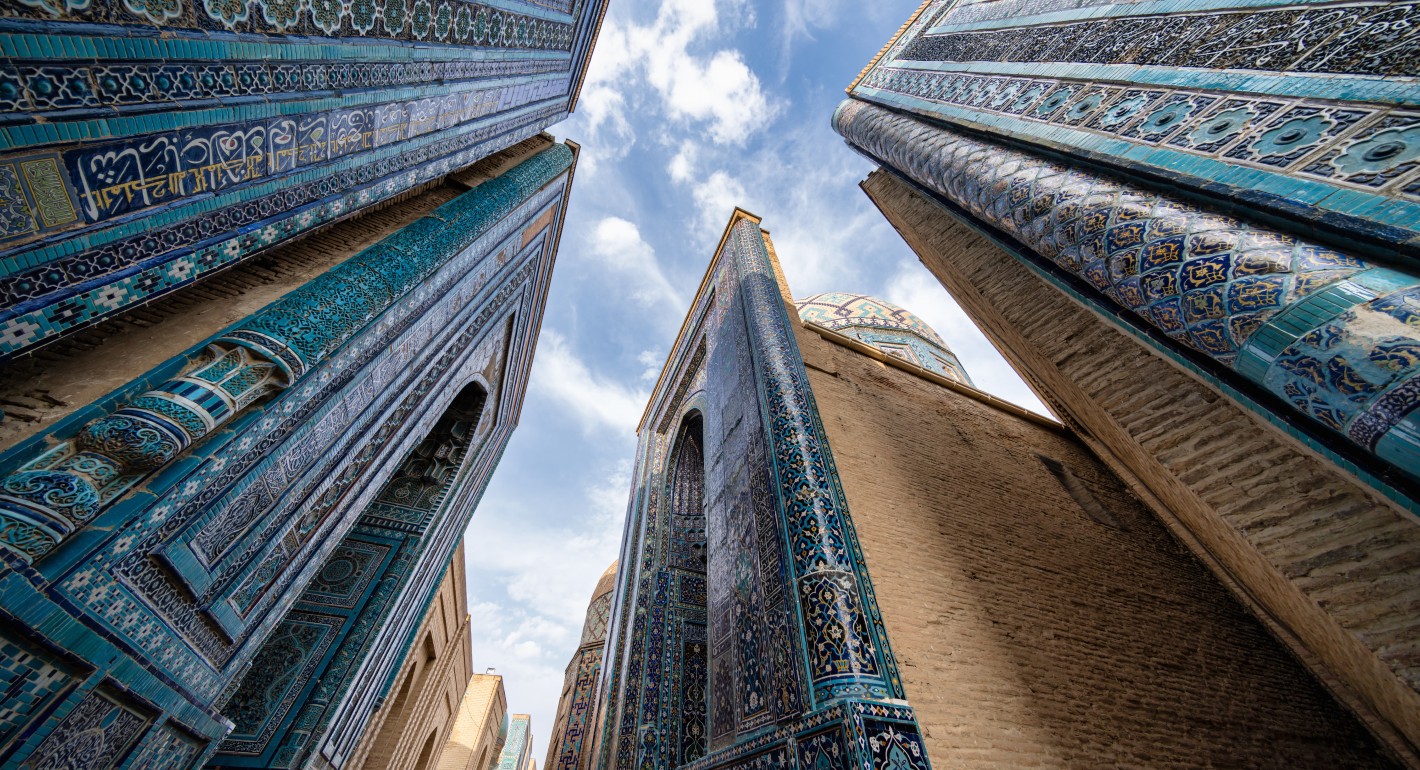
Xi, Putin, and other regional leaders are back-slapping in Bishkek, but the SCO has yet to answer the most serious questions about continental Asia's economic future.

Evan A. Feigenbaum

The EU’s responses to two recent incidents expose the gulf between European perceptions and capabilities. Unless the union can bridge that gap, it will never become a real geostrategic power.

Rym Momtaz

In an interview, former ambassador Charles Freeman assesses the Trump administration’s war against Iran.
Michael Young
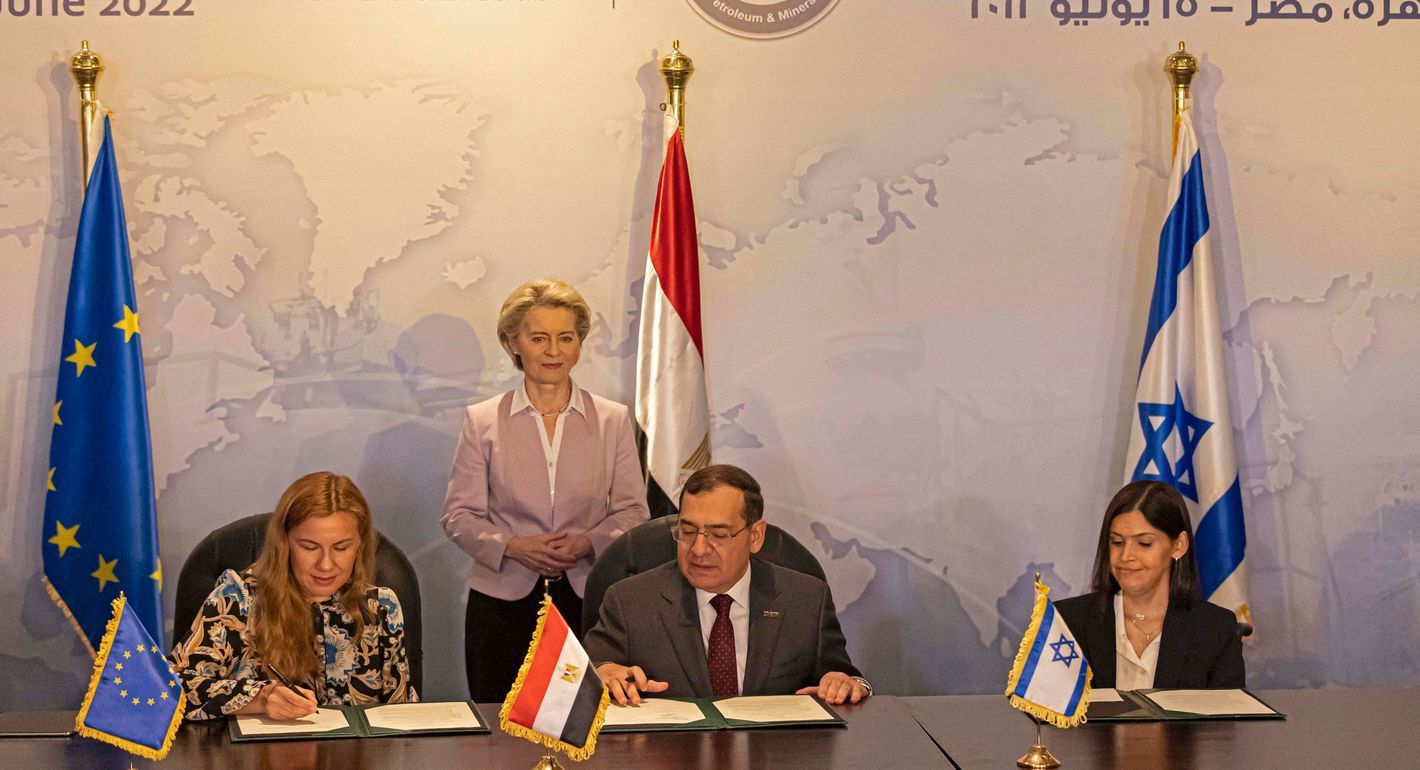
Can economic ties help contain conflict between Egypt and Israel, or do they simply postpone confrontation? Drawing on the German-Russian experience, the article examines how the gas deal creates mutual dependence, keeps channels of cooperation open, and raises the cost of conflict, without necessarily delivering lasting peace.
Nourhan Hefzy