

Commentary
Saied’s main accomplishment has been to destroy a decade’s worth of democratic progress.
Sarah Yerkes
{
  "authors": [
    "Amr Hamzawy",
    "Dina Bishara"
  ],
  "type": "legacyinthemedia",
  "centerAffiliationAll": "dc",
  "centers": [
    "Carnegie Endowment for International Peace"
  ],
  "collections": [],
  "englishNewsletterAll": "democracy",
  "nonEnglishNewsletterAll": "",
  "primaryCenter": "Carnegie Endowment for International Peace",
  "programAffiliation": "DCG",
  "programs": [
    "Democracy, Conflict, and Governance",
    "Middle East"
  ],
  "projects": [],
  "regions": [
    "Middle East",
    "Egypt"
  ],
  "topics": [
    "Political Reform",
    "Democracy"
  ]
}
REQUIRED IMAGE
Source: The Daily Star
The Mubarak regime in Egypt is staging a major crackdown on the Muslim Brotherhood, the country's main Islamist opposition movement and largest opposition group. About 300 Brotherhood members have been detained over the last three months under accusations of money laundering and terrorism, in addition to the usual charge of belonging to a banned organization.Although President Hosni Mubarak has resorted to repeated repression and intimidation in dealing with Islamists since the 1980s, the current crackdown is different in two ways. First, it comes after a period of political reform between 2002 and 2005 that enabled the Brotherhood to participate openly in the 2005 parliamentary elections and win almost 20 percent of parliamentary seats. Second, this time the regime is targeting the Brotherhood's business leaders, who are responsible for managing the movement's finances. On February 28, a Cairo criminal court upheld a decision by the state prosecutor to freeze the assets of 29 Brotherhood leaders, worth an estimated $300 million. In a constitutionally questionable move, Mubarak used his powers under the Emergency Law to transfer the cases of 41 Brotherhood leaders to a military tribunal, after they had already been acquitted by a criminal court.
The regime's escalation comes at a critical time in Egyptian politics. On the political stage are Mubarak's proposed constitutional amendments and succession plans for his son, Gamal. In December 2006, Mubarak asked Parliament to amend 34 articles of the Egyptian Constitution. The amendments are designed carefully to set the stage for succession as Mubarak's son emerges as a prominent figure in the ruling National Democratic Party. They also aim to limit the power of the emboldened Muslim Brotherhood by enshrining the ban on religious-based political activity in the Constitution and introducing a party list electoral system instead of the current candidate-centered system. The former change would render the electoral participation of the legally banned Brotherhood subject to the whims of legal parties.
The Mubarak regime is taking advantage of an opportune international moment. With Washington's attention diverted from the democracy agenda, the regime can resort to outright repression of the opposition without risking its close ties with the West. The regime's treatment of the Muslim Brotherhood has historically been of no concern to the United States. However, repressive measures, even against the Brotherhood, became more costly for the Egyptian regime as the Bush administration heightened its scrutiny of Egyptian politics in recent years as part of its push for democracy in the Middle East. Today, the situation is different. Sunni Arab autocrats such as Mubarak have seized upon the American preoccupation with Iraq and Iran to reposition themselves as America's allies. In exchange, the US has adopted a no-interference policy in domestic Egyptian politics.
Although the Brotherhood is accustomed to state repression, it has received a harsher blow this time around and the movement is taking different measures in response. It is trying to raise public awareness about the hollowness of the charges against its members while exposing the real authoritarian motives of the regime. In Parliament, Muslim Brotherhood deputies staged a fierce battle against Mubarak's constitutional amendments. They pointed to the regime's intention to strip the reform process of any meaning by abolishing judicial oversight of the elections and targeting independent candidates.
The Mubarak regime's current crackdown will serve neither Egyptian nor American interests. Notwithstanding its success in taming the Brotherhood, the regime risks its own stability by slamming the political door in the face of a popular force that has grown increasingly committed to peaceful political opposition. Disaffected members may find an outlet in militant activism against the government as they did in the 1980s and 1990s, following similar blows. The assassination of Mubarak's predecessor, Anwar al-Sadat, is a stark reminder of the tragic repercussions of domestic unrest.
By resorting to outright repression of the Brotherhood, Mubarak is making a mockery of the American push for democracy in the Middle East. Turning a blind eye toward the ongoing crackdown undermines the credibility of an already shaky American commitment to democratization in the Middle East. It also cements the perception among Egyptians that Washington blesses autocratic regimes.
Amr Hamzawy is a senior associate at the Carnegie Endowment for International Peace (CEIP). Dina Bishara is a research assistant at CEIP and the assistant editor of Carnegie's Arab Reform Bulletin. They wrote this commentary for THE DAILY STAR.

Director, Middle East Program
Amr Hamzawy is a senior fellow and the director of the Carnegie Middle East Program. His research and writings focus on Egypt’s and other middle powers’ involvement in regional security in the Middle East, particularly through collective diplomacy and multilateral conflict resolution
Dina Bishara
Carnegie does not take institutional positions on public policy issues; the views represented herein are those of the author(s) and do not necessarily reflect the views of Carnegie, its staff, or its trustees.
Saied’s main accomplishment has been to destroy a decade’s worth of democratic progress.

Sarah Yerkes
The targeting of Damietta Port appears to be more than a mere security message.
Amr Hamzawy
Is the Gulf moving beyond the dollar? This article examines how China is expanding the renminbi's role across Gulf markets, what that means for regional finance, and why the future of global currencies is more complex than the de-dollarization debate suggests.
Andrew Bonney
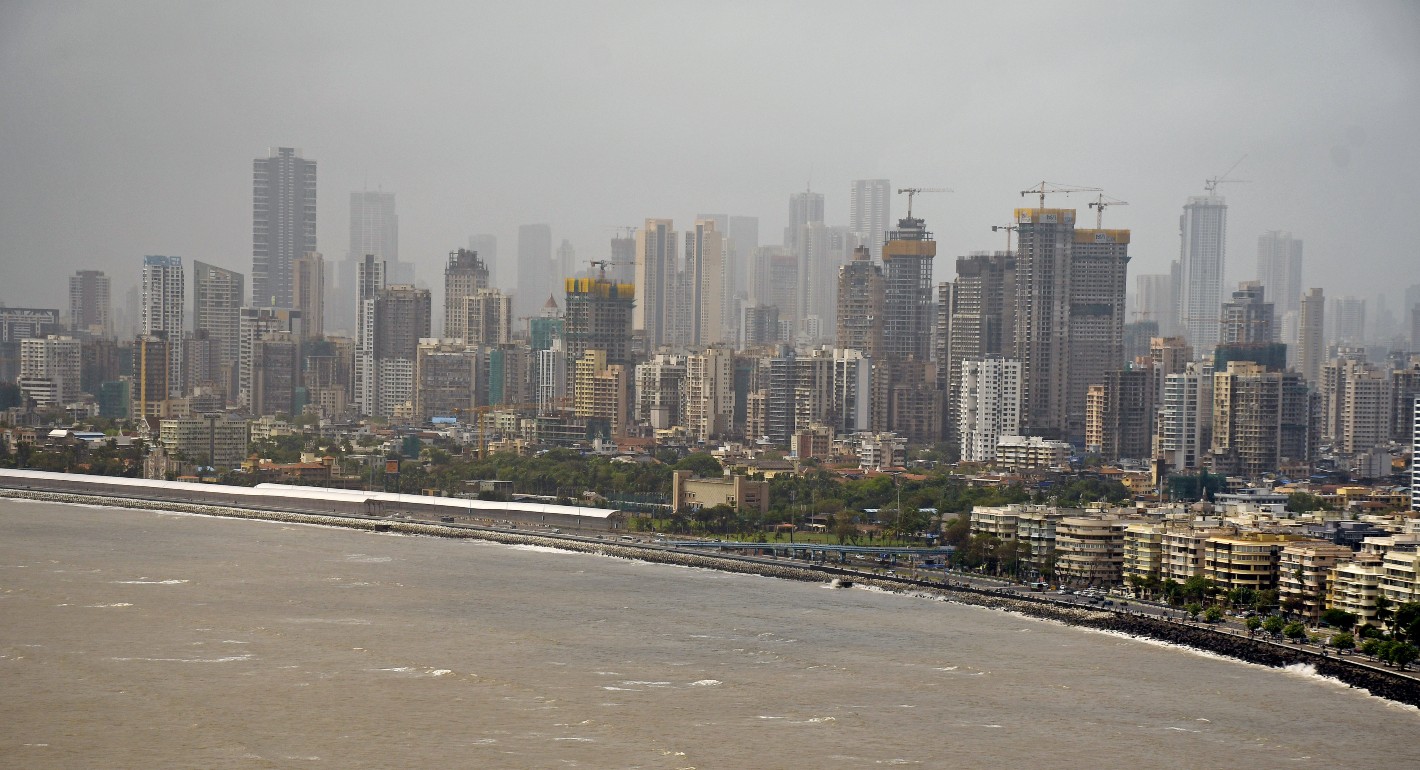
As India undergoes a demographic transition, its cities will be its economic powerhouse—but only if it accurately captures city growth and empowers cities to support their citizens.
Apoorva Jadhav
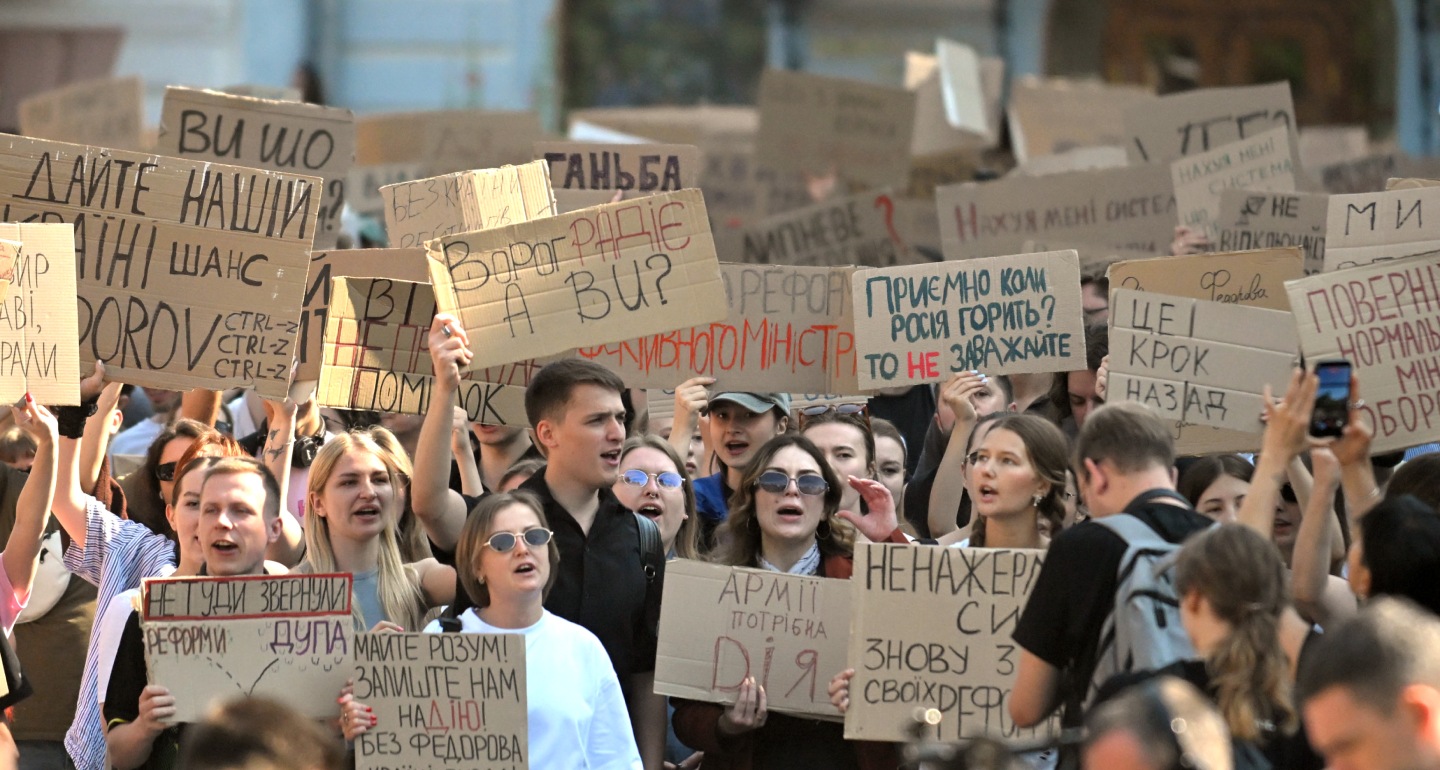
Even if the terms of a ceasefire or peace settlement are satisfactory to most Ukrainians, the country’s democracy will face its fair share of challenges.
Petro Burkovskyi, Olexiy Haran