

Article
Radical-right parties are expected to do well in upcoming elections in four of the EU's biggest member states. If successful, they could prevent the union from addressing key challenges ahead.
Stefan Lehne
{
  "authors": [],
  "type": "pressRelease",
  "centerAffiliationAll": "dc",
  "centers": [
    "Carnegie Endowment for International Peace"
  ],
  "collections": [],
  "englishNewsletterAll": "menaTransitions",
  "nonEnglishNewsletterAll": "",
  "primaryCenter": "Carnegie Endowment for International Peace",
  "programAffiliation": "MEP",
  "programs": [
    "Middle East"
  ],
  "projects": [],
  "regions": [
    "North America",
    "United States",
    "Middle East",
    "Israel",
    "Palestine"
  ],
  "topics": [
    "Political Reform"
  ]
}
REQUIRED IMAGE
The Israel-Palestinian peace process is effectively dead, argues Carnegie's Nathan Brown in his new commentary. If the international community wishes to revive the two-state solution, a much longer-term strategy is required, focusing in part on rebuilding a stronger Palestinian leadership.
- NEWS RELEASE -
The Israel-Palestinian peace process is effectively dead, argues Carnegie Senior Associate Nathan J. Brown in his new commentary, The Peace Process Has No Clothes: The Decay of the Palestinian Authority and the International Response. Brown claims that the international community must stop pretending that there is a viable peace process leading to a two-state solution and that punitive measures taken by the international community since the Hamas’ electoral triumph last year have deeply aggravated the current crisis. If the international community wishes to revive the two-state solution, a much longer-term strategy is required, focusing in part on rebuilding a stronger Palestinian leadership.
Key Conclusions from the Commentary:
• None of the concerned parties are pursuing the Road Map announced in 2003, though many in the international community have pretended to continue promoting an Israeli-Palestinian peace process still leading—with some unfortunate detours and unexpected challenges—towards a two-state solution.
• Fatah and Hamas both bear deep responsibility for the worsening condition of the Palestinian society. Likewise, the U.S. policy of trying to bring down Hamas and perpetuating an image of a peace process with President Abbas has made the crisis much worse.
• A two-state solution does remain the most attractive option but it is not feasible at present. Alternatives to the two-state solution—including Jordanian governance of the Palestinian territories, a one-state solution with Israelis and Palestinian living as equal citizens, or dissolving the Palestinian Authority—are unviable, unrealistic, or unattractive.
• The international community must recognize that neither the Israeli or Palestinian leaderships have any ability to pursue a two-state solution at present. Brown recommends a number of steps the Palestinians, Israel, and the international community can take to move towards more realistic, strategic objectives.
In light of Abbas’ decision yesterday to dismiss the cabinet led by Hamas Prime Minister Haniyya, Brown has also updated his recent commentary, What Can Abu Mazin Do? – a short analysis of Palestinian constitutional law and legal powers available to President Abbas.
The author will host a discussion regarding the current situation in Palestine at the Carnegie Endowment in Washington, D.C., on Monday, June 25. To request an interview with the author, or for more information on the event, please contact Trent Perrotto, 202-939-2372, tperrotto@ceip.org.
Notes:
1. To read this Web Commentary, go to www.carnegieendowment.org/middleeast
2. Nathan Brown is a senior associate in the Democracy and Rule of Law Project at the Carnegie Endowment. He is the author of Palestinian Politics after the Oslo Accords: Resuming Arab Palestine, which presents research on Palestinian society and governance after the establishment of the Palestinian Authority.
3. The Carnegie Endowment for International Peace is a private, nonprofit organization dedicated to advancing cooperation between nations and promoting active international engagement by the United States. Founded in 1910, its work is nonpartisan and dedicated to achieving practical results. The Endowment has added operations in Beijing, Beirut, and Brussels to join the longstanding offices in Washington and Moscow as part of its transformation into the first global think tank.
###
Carnegie does not take institutional positions on public policy issues; the views represented herein are those of the author(s) and do not necessarily reflect the views of Carnegie, its staff, or its trustees.

Radical-right parties are expected to do well in upcoming elections in four of the EU's biggest member states. If successful, they could prevent the union from addressing key challenges ahead.

Stefan Lehne

The books, podcasts, and films that explain the world it made.

Andrew Leber

U.S. trading partners in Asia are closely watching the dispute for signs of how it may affect their own interests.
Barbara Weisel
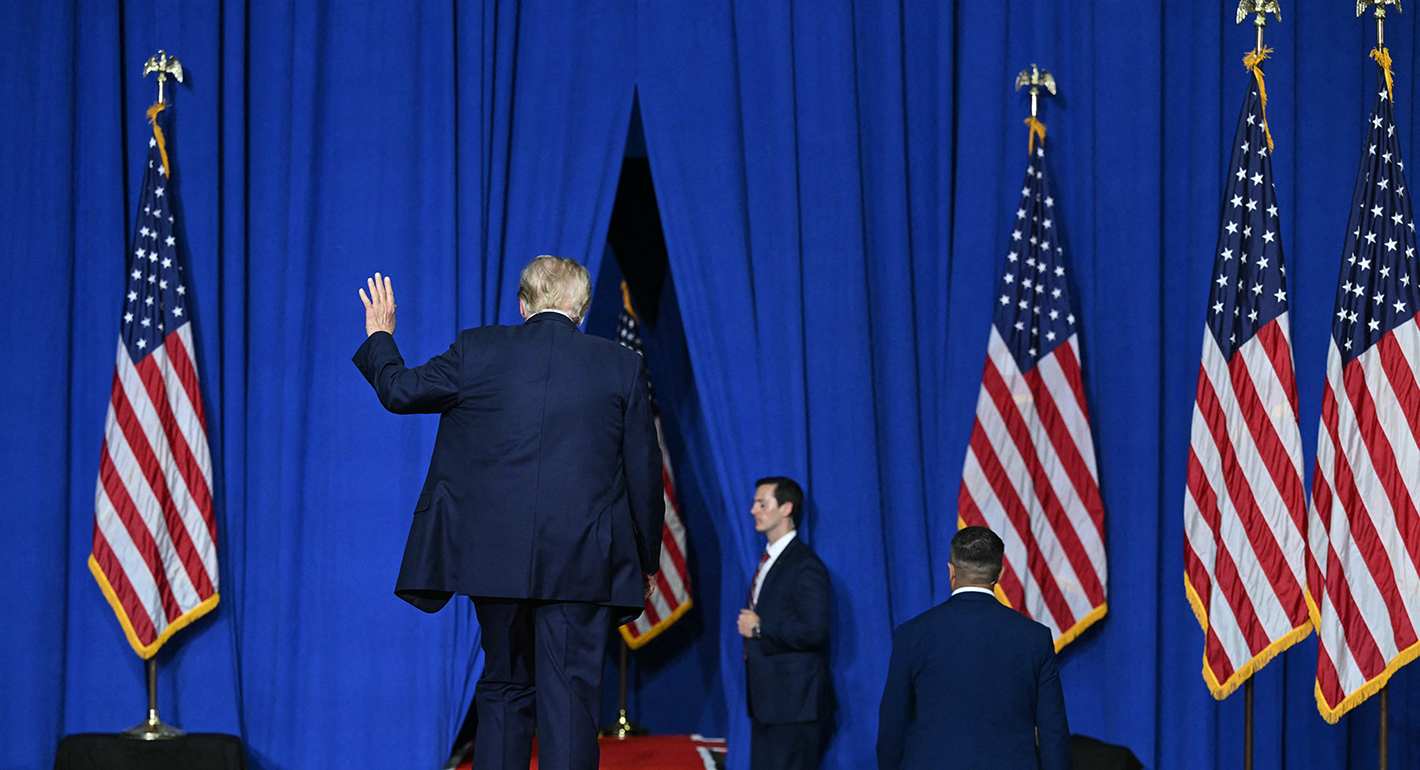
By abandoning past U.S. pro-democracy policies and adopting several lines of pro-autocratic action, the Trump administration has fundamentally repositioned the United States vis-à-vis democracy in the world.

Thomas Carothers
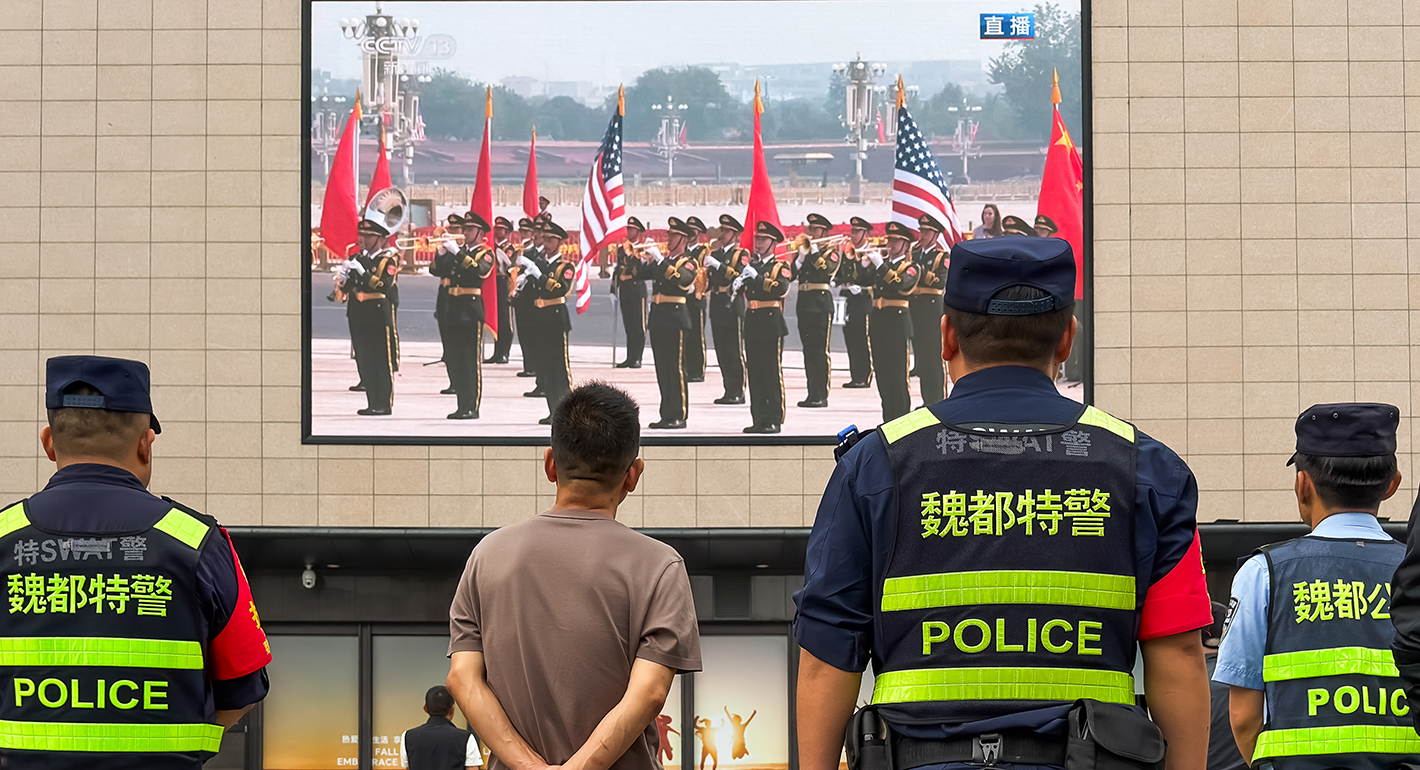
Chinese strategists are once again debating whether American power is declining and whether U.S. hegemony is experiencing irreversible decay.
Wu Xinbo