

Q&A
Andrew Leber, Lesley Anne Warner
{
  "authors": [
    "Andrew Leber"
  ],
  "type": "commentary",
  "blog": "Emissary",
  "centerAffiliationAll": "dc",
  "centers": [
    "Carnegie Endowment for International Peace"
  ],
  "englishNewsletterAll": "menaTransitions",
  "nonEnglishNewsletterAll": "",
  "programAffiliation": "MEP",
  "programs": [
    "Middle East"
  ],
  "regions": [
    "United States",
    "Afghanistan",
    "Iraq",
    "Middle East"
  ],
  "topics": [
    "Military",
    "Security",
    "Foreign Policy",
    "Domestic Politics"
  ]
}

A person watching TV on September 11, 2001.
The books, podcasts, and films that explain the world it made.
“Is it possible to say precisely when a war ends?,” asked writer Lee Sandlin in 1997, as part of his magisterial essay reflecting on World War II passing into memory. Just a few years later, the radio program This American Life read from Sandlin’s essay to prepare listeners for the start of a new and open-ended conflict—what then president George W. Bush was already calling the Global War on Terror.
It has now been a full twenty-five years since September 11, 2001, when passenger planes hijacked by al-Qaeda terrorists struck the World Trade Center, the Pentagon, and a field in Shanksville, Pennsylvania (likely headed toward the Capitol). The attacks took 2,977 lives on American soil and set in motion a series of conflicts and wars that (per one estimate) took more than 400,000 civilian lives.
Determining if and when the War on Terror has truly ended is even more difficult than it was for World War II. The anniversary itself is likely to be overshadowed by a smoldering U.S.-led war in the Middle East and political battles over upcoming elections at home. Yet with the current U.S. administration turning the post-9/11 security state more and more against U.S. citizens and residents, key readings and sources that explain how we got here are more crucial than ever.
These suggestions are not exhaustive, nor do they cover every perspective. At times this is a challenge of language: Abdullah Thabit’s Terrorist Number 20 offers a fictionalized Saudi perspective on the background of the 9/11 hijackers, for example, but it has yet to appear in English. Still, the books, articles, podcasts, and even films listed below should offer a solid starting point for learning about 9/11and the world it helped create.
Making sense of U.S. foreign policy from 2001 onward is challenging without accounting for the climate of fear and uncertainty that engulfed the country in the aftermath of 9/11. Garrett M. Graff’s book The Only Plane in the Sky offers a minute-by-minute account of how Americans experienced and reacted to the day. The oral histories that Graff compiles capture just how unthinkable the attacks were at the time and the wave of shock and horror that rolled across the country.
By September 14, Nancy Gibbs’s TIME story “If You Want to Humble an Empire” had already captured the blow to Americans’ sense of security and their resolve to restore it. Yet that resolve contained within it an unwillingness to hear much critical commentary. Susan Sontag found this out in telling New Yorker readers on September 16 (too soon, critics charged) “let’s not be stupid together” in responding to the attacks. Unity for some also translated into suspicion of others, as documented by Moustafa Bayoumi in his book How Does It Feel to Be a Problem?, an account of the surveillance and discrimination that Arab and Muslim Americans faced in the years that followed 9/11.
As for immediate official reactions, the podcast episode and article “60 Words,” a collaboration between Radiolab and BuzzFeed, is the definitive account of how all but one member of Congress subsequently signed on to an expansive Authorization for Use of Military Force (AUMF) cited by presidents Bush, Obama, Trump, and even Biden in military actions around the world. For the impact of the attacks in a range of other areas—like comedy, homeland security, immigration law, and conspiracy theories—look to the podcast 9/12, released on the twentieth anniversary of the attacks.
Critiques have long contended that placing the day “above politics” elides the political backdrop to events: the unintended consequences of U.S. foreign policies and the domestic politics of close U.S. security partners. The best overall account of the road to 9/11, Lawrence Wright’s book The Looming Tower, goes back decades before the attacks to weave together the rise of al-Qaeda around Osama bin Laden and the counterterrorism efforts of the FBI. While dated in a few places (Egyptian theorist Sayyid Qutb had much less influence on bin Laden than his upbringing in Saudi Arabia, for one), it remains a gripping introduction to key events and personalities from the era.
While Wright discusses bin Laden’s experiences in the Afghan jihad, Thomas Hegghammer’s book The Caravan offers a scholarly yet accessible deep dive into the global jihad movement. Hegghammer charts the networks of Islamic activism that brought the well-off Saudi scion to participate in a civil war many hundreds of miles away, from educational institutions within Saudi Arabia to the singular efforts of itinerant religious scholar Abdullah Azzam.
As for the U.S. role in all of this, Steve Coll’s book Ghost Wars details decades of U.S. involvement in Afghanistan, including institutional coordination with Saudi and above all Pakistani officials to back the Afghan jihad. Mahmood Mamdani’s book Good Muslim, Bad Muslim offers a more trenchant critique, arguing that U.S. Cold War policies in Afghanistan and elsewhere played a decisive role in facilitating the rise of bin Laden and the anti-American rhetoric he espoused.
The 9/11 attacks and the U.S. response have cast a long shadow, as counterterrorism operations continue to span the globe decades after Congress passed the 2001 AUMF. Three aftershocks in particular are worth reading up on: the erosion of civil liberties at home, the failures of the original “endless war” in Afghanistan, and the disastrous decision to invade Iraq.
Successive authors have traced how the war on terror undermined U.S. constitutional protections even as it gave license to far-ranging U.S. military interventions abroad. In her book The Dark Side, Jane Mayer shines a light on how vice president Dick Cheney and his staff normalized a new vocabulary of euphemisms for the war’s abuses: extraordinary rendition (kidnapping suspects), black sites (secret prisons), enhanced interrogation (torture). More recently, through critical engagement with material leaked by Edward Snowden, Barton Gellman’s book Dark Mirror investigates the vast surveillance state that successive U.S. administrations built at home. Spencer Ackerman’s book Reign of Terror in turn connects the war on terror abroad to surveillance at home and the present U.S. administration’s relentless hunt for enemies within.
The United States invaded Afghanistan less than a month after the Twin Towers fell, though the war was quickly overshadowed by the Bush administration’s pivot toward the invasion of Iraq. The twenty-year U.S. presence in Afghanistan offered ample time for reflection on the war in real time, beginning with anthropologist Lila Abu-Lughod questioning justifications for the war rooted in the idea of “saving” Afghan women. The war’s later years brought Rajiv Chandrasekaran’s book Little America, focused more on the frustrations of American officers and officials, and Anand Gopal’s No Good Men Among the Living, an explanation for the Taliban’s eventual resurgence centered on Afghan experiences. Few books can surpass Tim Hetherington and Sebastian Junger’s documentary Restrepo, however, in vividly capturing the perceived futility of the war effort.
As for the Iraq War, the post-9/11 pivot is by now well documented in print, whether Thomas Ricks’s earlier Fiasco or Robert Draper’s more recent To Start a War. Twin podcasts (Slow Burn, Season 5 and Blowback, Season 1) offer divergent styles but similar substance in covering the ease with which the administration translated U.S. fear and anger into a disastrous foreign policy engagement half a world away. Sinan Antoon’s book The Corpse Washer offers a fictionalized Iraqi perspective on the invasion, one with little sympathy for Saddam’s regime but unsparing in its criticism of the violence and destruction that followed. For the true horrors of the U.S. occupation and the veritable civil war it unleashed, turn to Hassan Blasim’s short-story collection The Corpse Exhibition or Iraqi reporter Ghaith Abdul-Ahad’s book following the aftershocks of the invasion all the way through the Islamic State’s takeover of half the country and the brutal Iraqi-led counterinsurgency that followed.
When will the war on terror finally end? Notably, on this milestone anniversary, the 2001 AUMF still stands. Its repeal would send a strong signal that the United States should close the book on this era, rather than writing entirely new chapters of military interventions abroad.
Understand the world with the latest from our scholars around the world.

Nonresident Scholar, Middle East Program
Andrew Leber is a nonresident scholar in the Carnegie Middle East Program.
Recent Work

Andrew Leber, Lesley Anne Warner
Alia Sajjadian, Andrew Leber
Carnegie does not take institutional positions on public policy issues; the views represented herein are those of the author(s) and do not necessarily reflect the views of Carnegie, its staff, or its trustees.
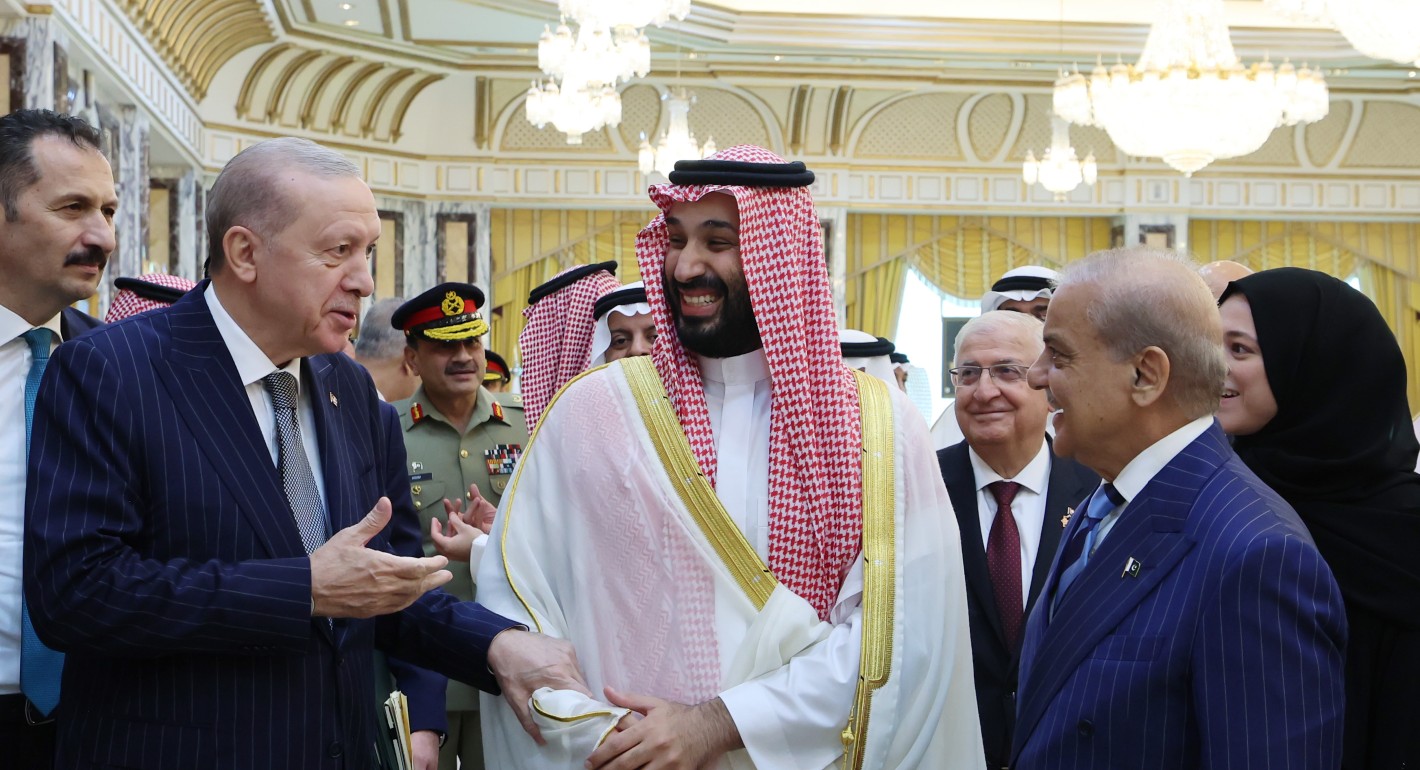
Why Pakistan, Saudi Arabia, and Turkey are joining forces on regional security.


Alper Coşkun, Amr Hamzawy
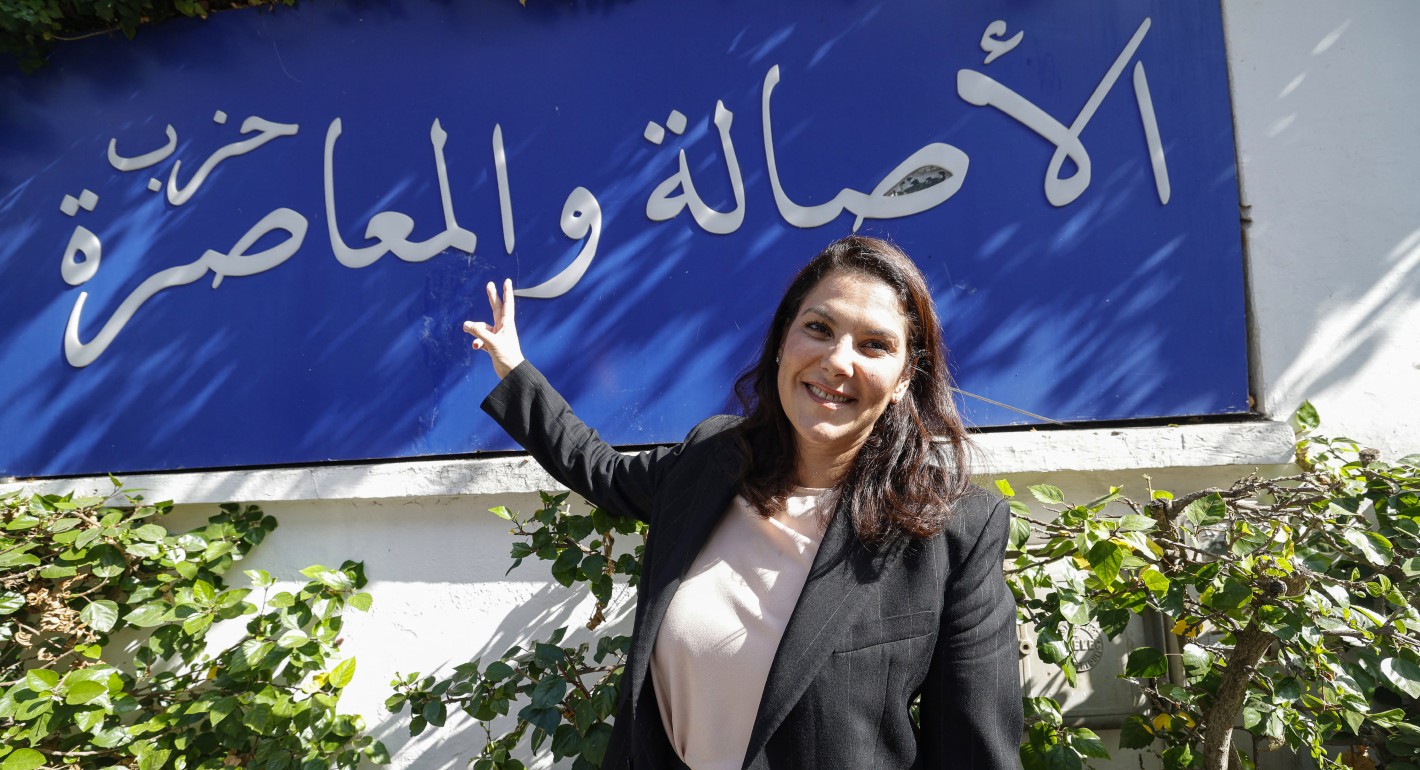
Fatima El Mansouri is the country’s first female prime minister. She’s also a privileged insider in a largely ceremonial position.

Sarah Yerkes

The Horn of Africa countries are among those facing a new security calculus.
Andrew Leber, Lesley Anne Warner
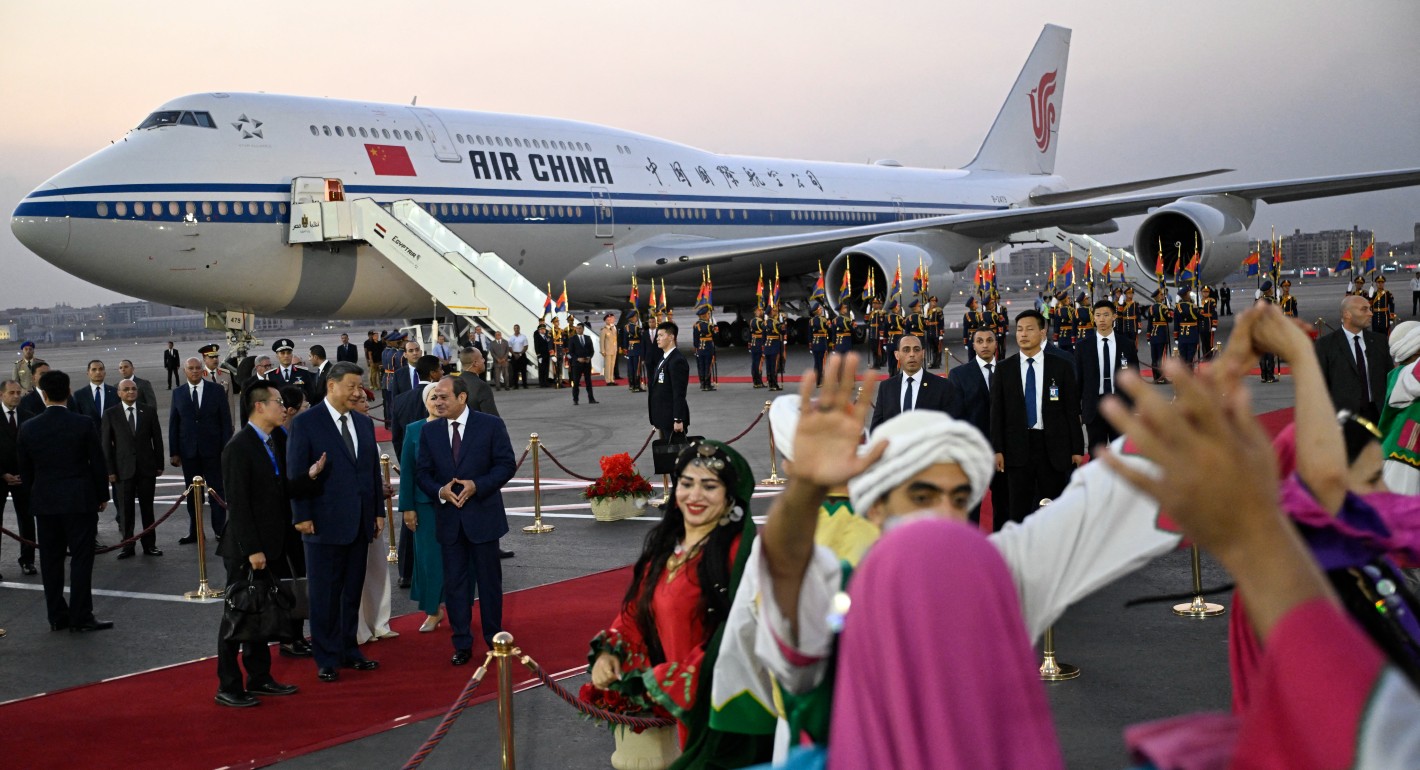
Amid celebrations of bilateral ties was a deeper focus on stability in the Middle East.
Amr Hamzawy
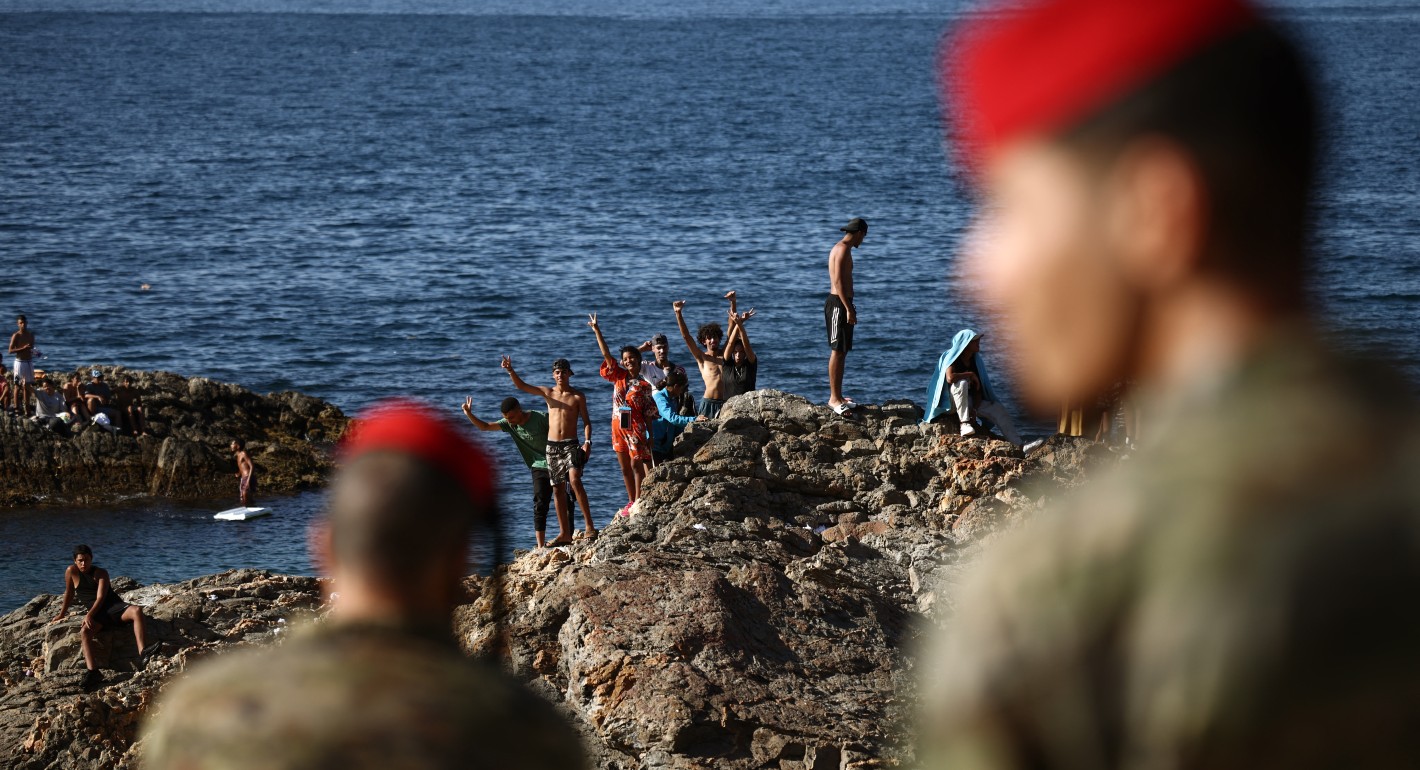
Most migrants may have left Ceuta, but the effects may linger.

Alejandro Martin Rodriguez, Sarah Yerkes