

Q&A
- +2
Judy Dempsey, Alexander Gabuev, Rose Gottemoeller, …
{
  "authors": [
    "Rose Gottemoeller"
  ],
  "type": "legacyinthemedia",
  "centerAffiliationAll": "dc",
  "centers": [
    "Carnegie Endowment for International Peace"
  ],
  "collections": [],
  "englishNewsletterAll": "ctw",
  "nonEnglishNewsletterAll": "",
  "primaryCenter": "Carnegie Endowment for International Peace",
  "programAffiliation": "russia",
  "programs": [
    "Russia and Eurasia"
  ],
  "projects": [],
  "regions": [
    "Caucasus",
    "Russia",
    "Eastern Europe"
  ],
  "topics": [
    "Foreign Policy"
  ]
}
REQUIRED IMAGE
Source: NPR's All Things Considered
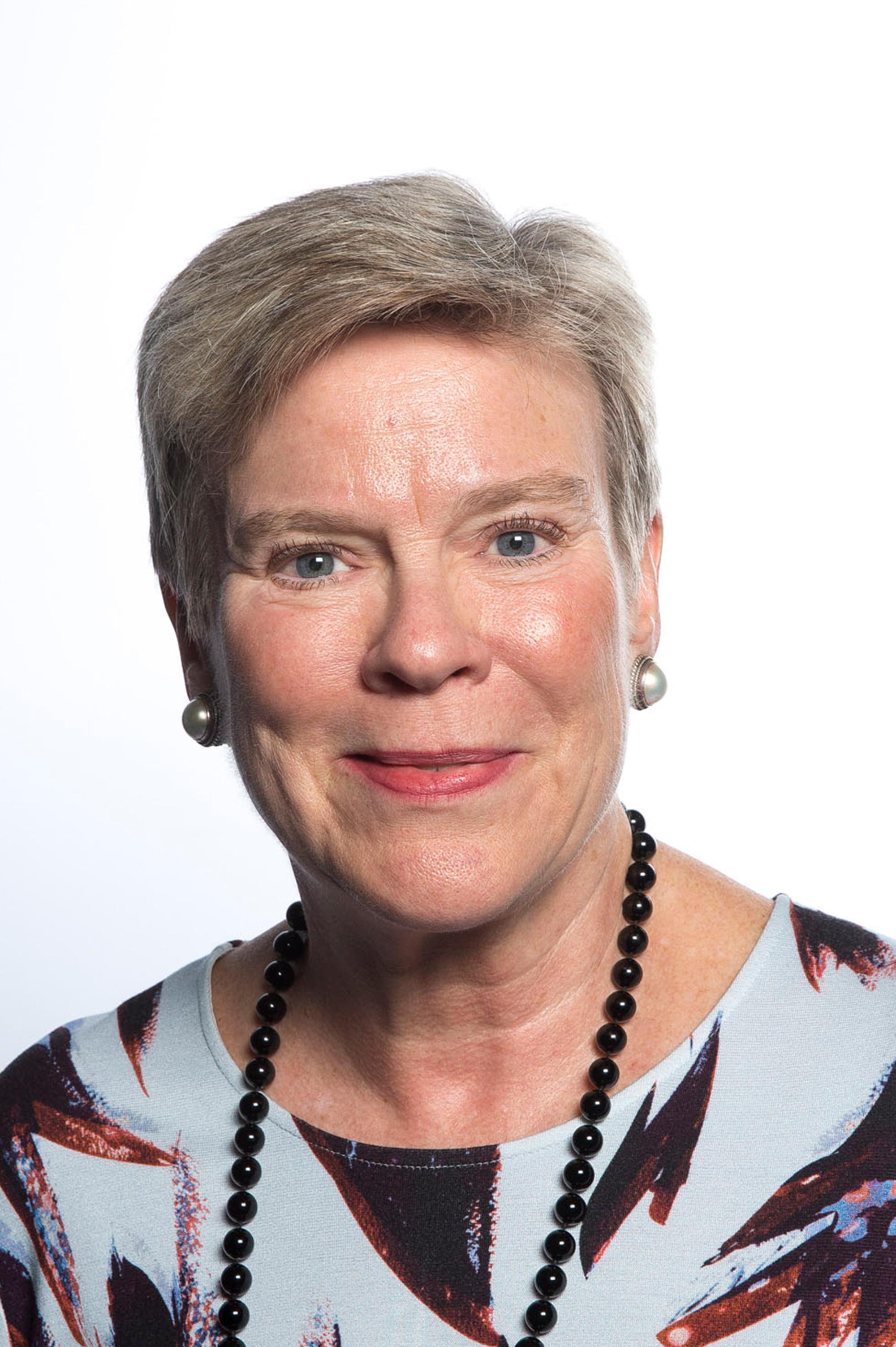
Rose Gottemoeller, director of Carnegie’s Moscow Center, spoke on NPR’s All Things Considered on the tense relationship between Russia and the U.S. leading up the G-8 Summit. “We are seeing a gathering storm. We’ve had the accumulation of frustrations over the past several months and now a storm is brewing. It seems to be brewing around the G-8 Summit in Germany.”
Nonresident Senior Fellow, Nuclear Policy Program
Rose Gottemoeller is a nonresident senior fellow in Carnegie’s Nuclear Policy Program. She also serves as lecturer at Stanford University’s Freeman Spogli Institute for International Studies and is a research fellow at the Hoover Institution. Ambassador Gottemoeller served as the deputy secretary general of NATO from 2016 to 2019.
Recent Work


Judy Dempsey, Alexander Gabuev, Rose Gottemoeller, …
Carnegie does not take institutional positions on public policy issues; the views represented herein are those of the author(s) and do not necessarily reflect the views of Carnegie, its staff, or its trustees.

In the discussions made possible by the State Duma election campaign, one question is being asked more and more loudly. “What next?”

Andrey Pertsev

While the Nazis rushed ahead in a revolutionary fervor, Russia’s modern crusaders against enemies of the state work methodically, giving their targets time to adjust to restrictions before closing the loopholes.

Leonid Bershidsky
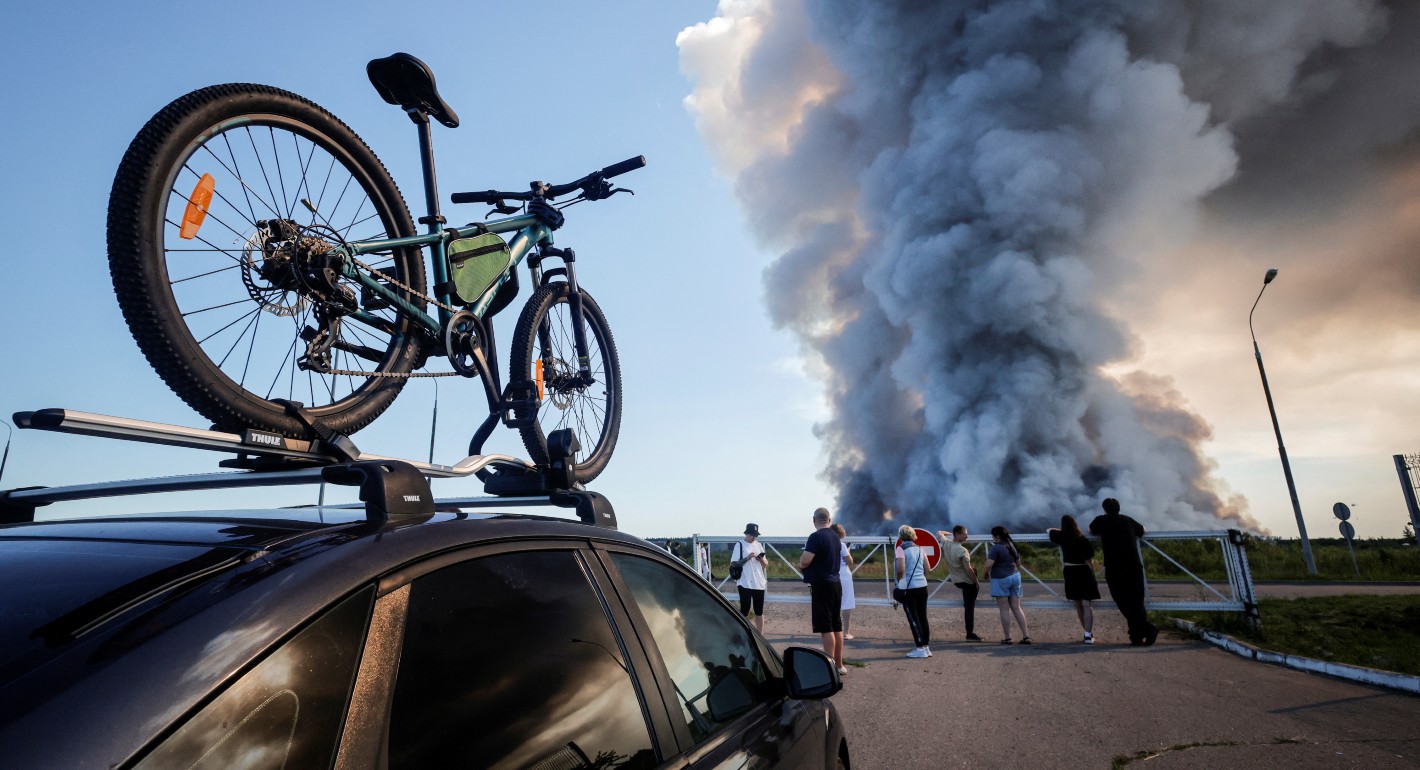
Media coverage suggests Kyiv’s fortunes have changed. That shift may be important, but it only goes so far.


Dara Massicot, Aaron David Miller, Andrew S. Weiss
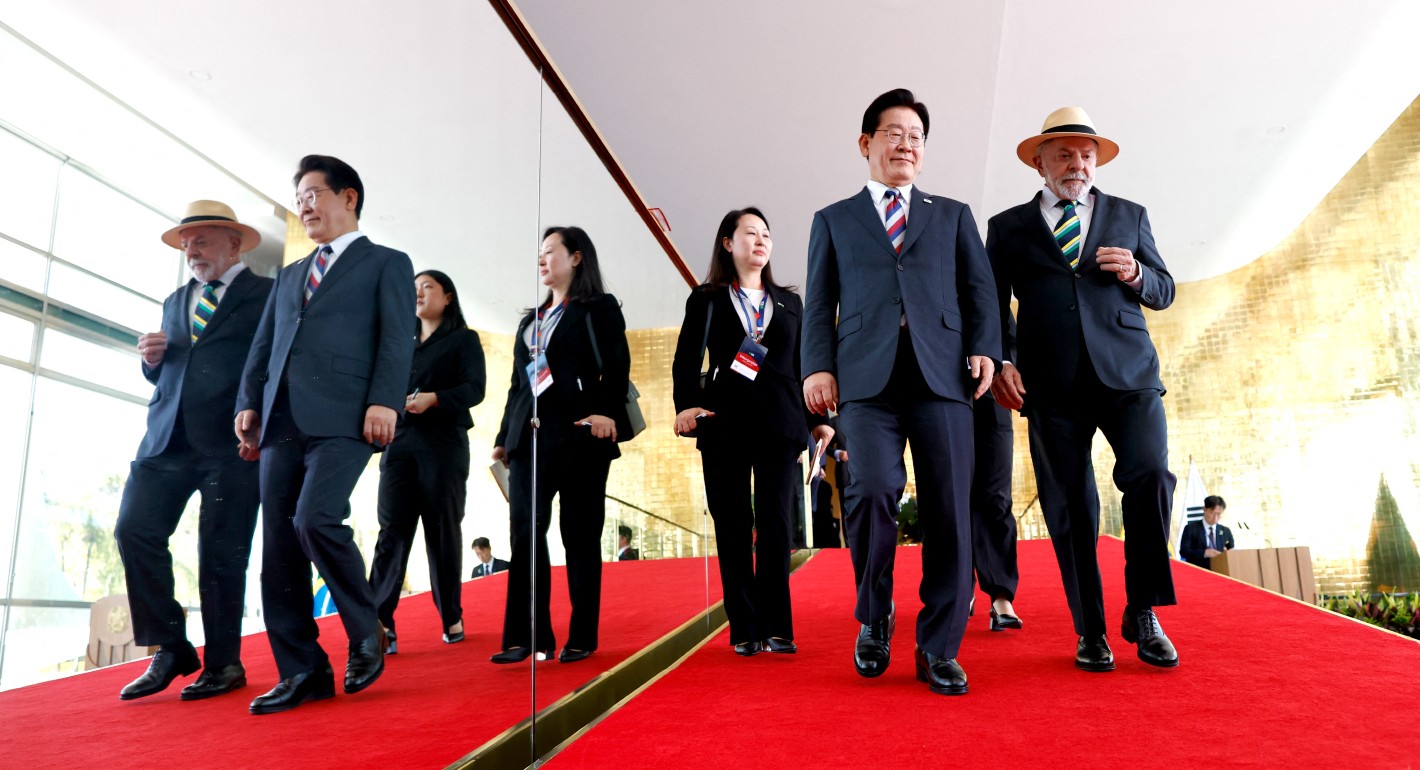
Lee’s tour shows how Seoul is reorganizing its diplomacy away from Pyongyang and toward industrial networks and the geography of the compute economy.

Darcie Draudt-Véjares
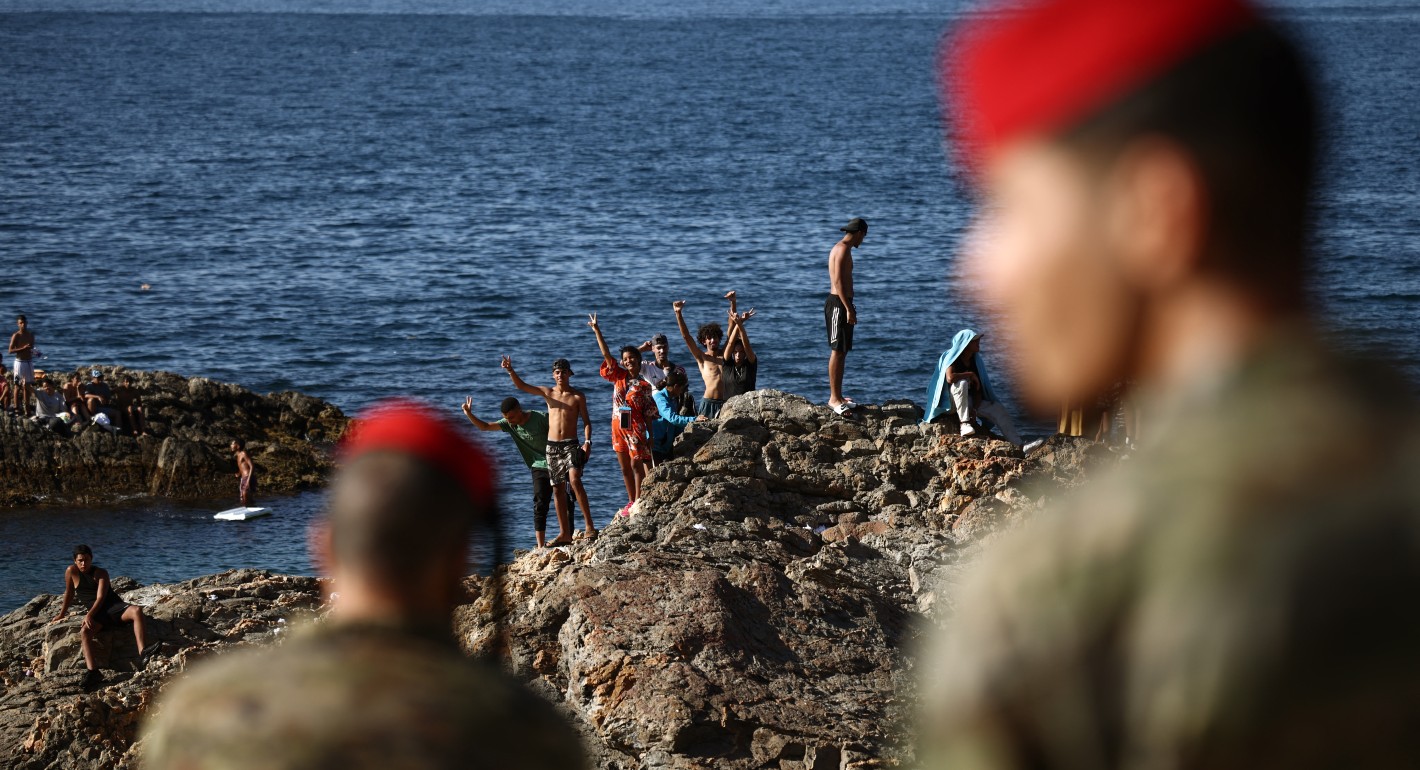
Most migrants may have left Ceuta, but the effects may linger.


Alejandro Martin Rodriguez, Sarah Yerkes