• Research
  • Emissary
  • About
  • Experts
Carnegie Global logoCarnegie lettermark logo
DemocracyIran
  • Donate
{
  "authors": [
    "Sandra Polaski"
  ],
  "type": "testimony",
  "centerAffiliationAll": "",
  "centers": [
    "Carnegie Endowment for International Peace"
  ],
  "collections": [],
  "englishNewsletterAll": "",
  "nonEnglishNewsletterAll": "",
  "primaryCenter": "Carnegie Endowment for International Peace",
  "programAffiliation": "",
  "programs": [],
  "projects": [],
  "regions": [
    "India",
    "Pakistan",
    "China",
    "Southeast Asia"
  ],
  "topics": [
    "Economy",
    "Trade"
  ]
}

Source: Getty

Testimony

The Fight Against Global Poverty and Inequality: The World Bank's Approach to Core Labor Standards and Employment Creation

An analysis of the World Bank’s approach to core labor standards and employment creation, which can be improved by developing a coherent policy across all departments.

Link Copied
By Ms. Sandra Polaski
Published on Oct 3, 2007

Source: House Committee on Financial Services Hearing

Sandra Polaski testified at a hearing of the U.S. House of Representatives' Committee on Financial Services on “The Fight against Global Poverty and Inequality: The World Bank’s Approach to Core Labor Standards and Employment Creation”.  Polaski praised some recent actions by the World Bank and its sister institution, the International Finance Corporation, but expressed concern that different departments of the Bank pursue contradictory stances with regard to core labor standards and employment creation.  She suggested that active oversight by the Committee could improve consistency and results from the World Bank on labor market and labor rights issues.  

About the Author

Ms. Sandra Polaski

Former Senior Associate, Director, Trade, Equity and Development Program

Until April 2002, Polaski served as the U.S. Secretary of State’s Special Representative for International Labor Affairs, the senior State Department official dealing with such matters.

    Recent Work

  • Report
    Brazil in the Global Economy: Measuring the Gains From Trade
      • +4

      Ms. Sandra Polaski, Joaquim Bento de Souza Ferreir, Janine Berg, …

  • Article
    One Cheer for Global Trade Talks

      Ms. Sandra Polaski

Ms. Sandra Polaski
Former Senior Associate, Director, Trade, Equity and Development Program
Sandra Polaski
EconomyTradeIndiaPakistanChinaSoutheast Asia

Carnegie does not take institutional positions on public policy issues; the views represented herein are those of the author(s) and do not necessarily reflect the views of Carnegie, its staff, or its trustees.

More Work from Carnegie Endowment for International Peace

  • Army personnel stand guard after a pro-monarchy protest turns violent in Kathmandu, Nepal, on March 28, 2025.
    Article
    The Shadow of the Military in Modern South Asia

    Military rule is now a defining political factor in South Asia. Here’s how analysts can understand and account for it.

      Paul Staniland

  • Article
    India’s Oil Security Strategy: Structural Vulnerabilities and Strategic Choices

    This piece argues that the present Indian strategy, based on opportunistic diversification and utilization of limited strategic reserves, remains inadequate when confronting supply disruptions. It evaluates India’s options in the short, medium, and long terms.

      Vrinda Sahai

  • Article
    Leveraging Internal Security Cooperation with Vietnam Offers a Glimpse of Future Chinese Diplomacy with Southeast Asia

    Despite long-standing differences, China and Vietnam are reinforcing common ground for collaboration, especially in public security. This internal security–centered diplomacy offers a strengthened road map for how China moves forward with Southeast Asia.

      Sophie Zhuang

  •  A machine gun of a Houthi soldier mounted on a police vehicle next to a billboard depicting the U.S. president Donald Trump and Mohammed Bin Salman, the Crown Prince and Prime Minister of Saudi Arabia, during a protest staged to show support to Iran against the U.S.-Israel war on March 27, 2026 in Sana'a, Yemen.
    Collection
    The Iran War’s Global Reach

    As the war between the United States, Israel, and Iran continues, Carnegie scholars contribute cutting-edge analysis on the events of the war and their wide-reaching implications. From the impact on Iran and its immediate neighbors to the responses from Gulf states to fuel and fertilizer shortages caused by the effective shutdown of the Strait of Hormuz, the war is reshaping Middle East alliances and creating shockwaves around the world. Carnegie experts analyze it all.

  • A demonstrator holds a tablet displaying a message as they occupy a road in protest against plans by the main opposition Kuomintang (KMT) and the Taiwan People's Party (TPP) to expand the parliamentary powers during the vote for the Parliament reform bill, outside the Parliament in Taipei on May 24, 2024. T
    Article
    Digital Hegemony and the Reification of Taiwan’s “Unification-Independence” Dichotomy

    Governments now deploy online platforms to shape public opinion and influence collective cognition. This is acutely apparent between China and Taiwan.

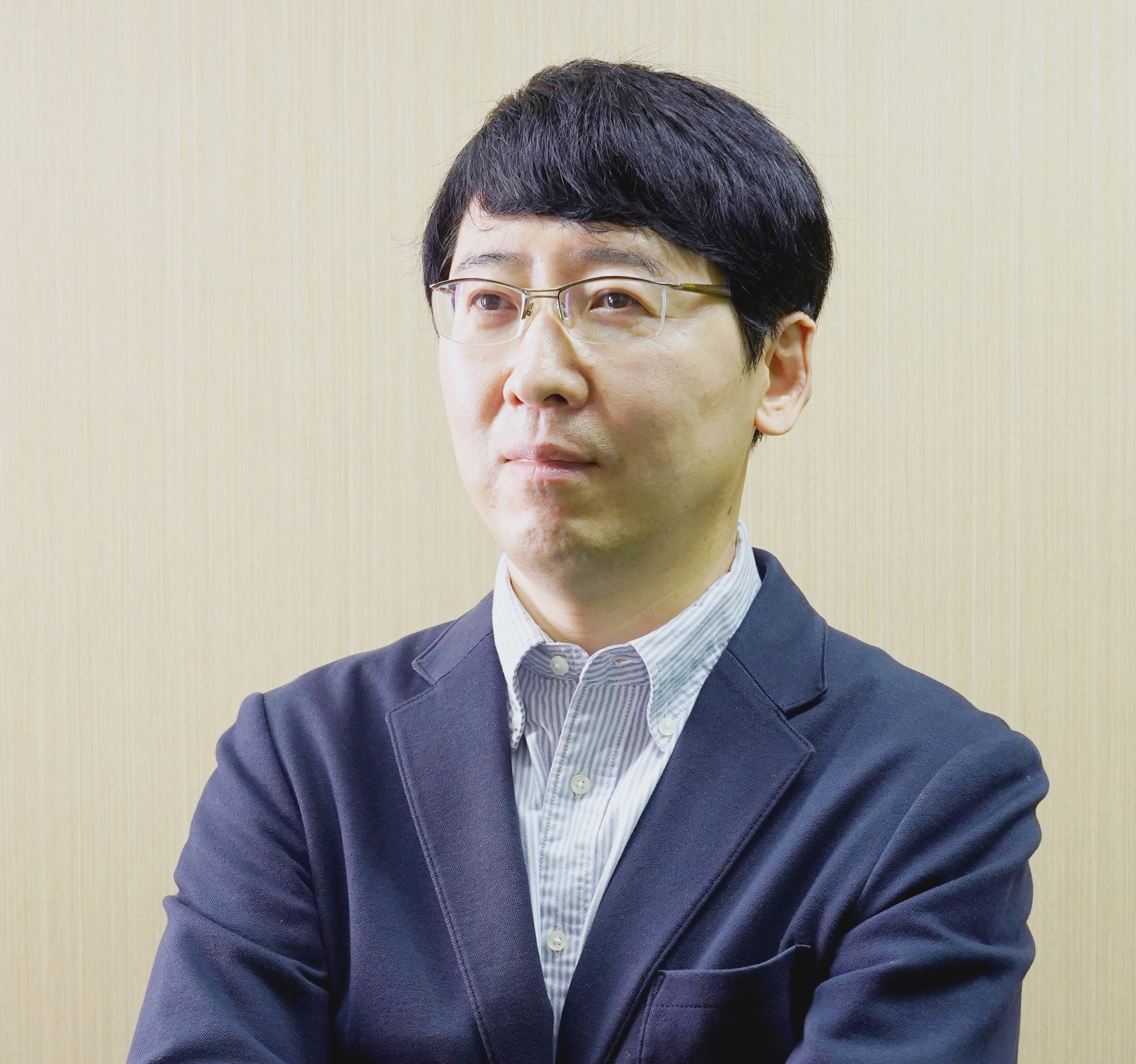
      • An Asian man with glasses wearing a sky blue collared shirt and black sweater stands in front of a statue of an antelope with a city skyline in the background

      Frank Cheng-Shan Liu

Get more news and analysis from
Carnegie Endowment for International Peace
Carnegie global logo, stacked
1779 Massachusetts Avenue NWWashington, DC, 20036-2103Phone: 202 483 7600Fax: 202 483 1840
  • Research
  • Emissary
  • About
  • Experts
  • Donate
  • Programs
  • Events
  • Blogs
  • Podcasts
  • Contact
  • Annual Reports
  • Careers
  • Privacy
  • For Media
  • Government Resources
Get more news and analysis from
Carnegie Endowment for International Peace
© 2026 Carnegie Endowment for International Peace. All rights reserved.