• Research
  • Emissary
  • About
  • Experts
Carnegie Global logoCarnegie lettermark logo
DemocracyIran
  • Donate
{
  "authors": [
    "George Perkovich"
  ],
  "type": "legacyinthemedia",
  "centerAffiliationAll": "dc",
  "centers": [
    "Carnegie Endowment for International Peace"
  ],
  "collections": [],
  "englishNewsletterAll": "ctw",
  "nonEnglishNewsletterAll": "",
  "primaryCenter": "Carnegie Endowment for International Peace",
  "programAffiliation": "SAP",
  "programs": [
    "South Asia"
  ],
  "projects": [],
  "regions": [
    "South Asia",
    "Pakistan"
  ],
  "topics": [
    "Security",
    "Nuclear Policy"
  ]
}
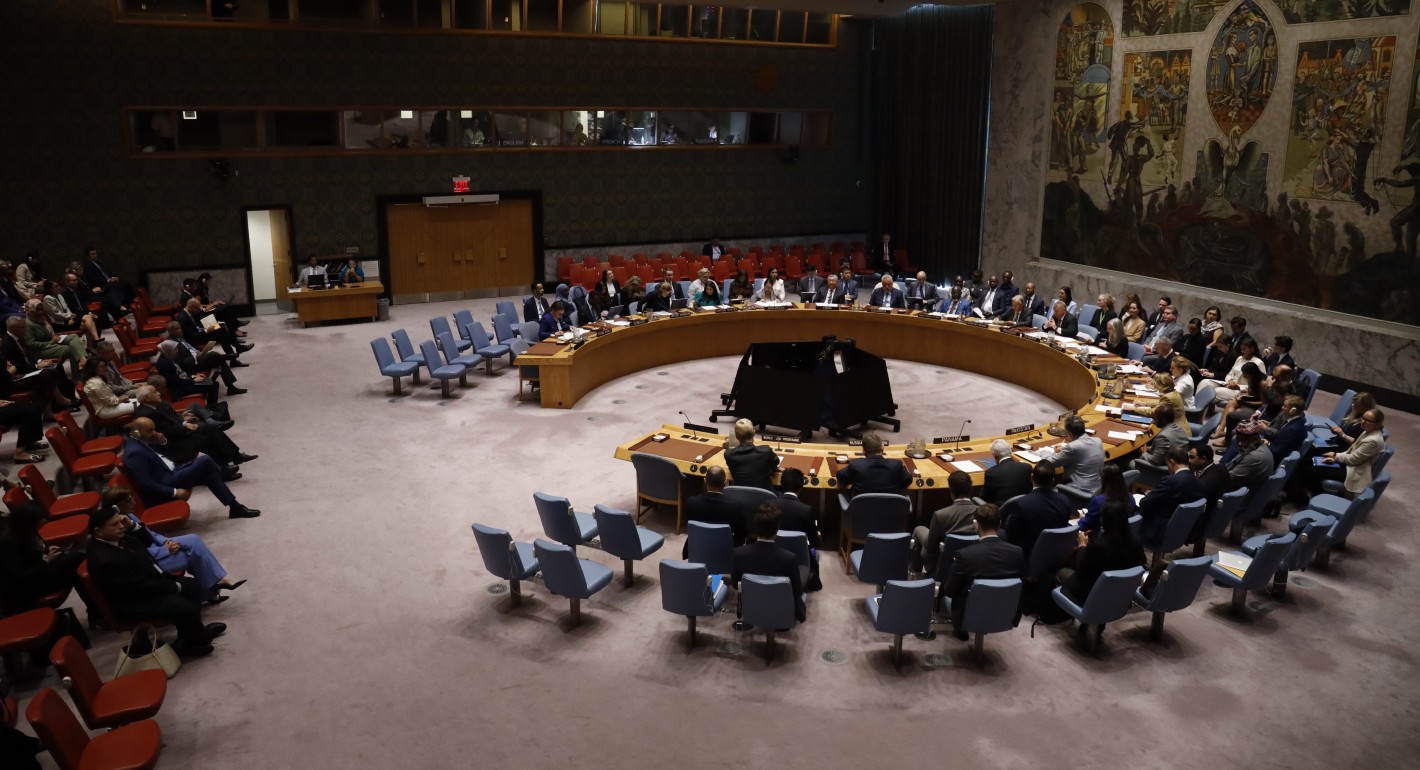
Source: Getty

In The Media

Politics More Dangerous than Nukes, Analyst Says

Link Copied
By George Perkovich
Published on Dec 28, 2007
Program mobile hero image

Program

South Asia

The South Asia Program informs policy debates relating to the region’s security, economy, and political development. From strategic competition in the Indo-Pacific to India’s internal dynamics and U.S. engagement with the region, the program offers in-depth, rigorous research and analysis on South Asia’s most critical challenges.

Learn More

Carnegie Senior Associate George Perkovich appeared on NPR to talk about Pakistan's nuclear program.

"The military controls Pakistan. The thing the military cares most about is nuclear weapons so nuclear weapons are the most secure entity in Pakistan," Perkovich said.

"What I've been worried about for years is not the nuclear weapons, it's the domestic situation ... the real worry, it's the future of politics," he said.

You can listen to the audio here.

About the Author

George Perkovich

Japan Chair for a World Without Nuclear Weapons, Senior Fellow

George Perkovich is the Japan Chair for a World Without Nuclear Weapons and a senior fellow in the Carnegie Endowment for International Peace’s Nuclear Policy Program. He works primarily on nuclear deterrence, nonproliferation, and disarmament issues, and is leading a study on nuclear signaling in the 21st century.

    Recent Work

  • Paper
    How to Assess Nuclear ‘Threats’ in the Twenty-First Century

      George Perkovich

  • Commentary
    “A House of Dynamite” Shows Why No Leader Should Have a Nuclear Trigger

      George Perkovich

George Perkovich
Japan Chair for a World Without Nuclear Weapons, Senior Fellow
George Perkovich
SecurityNuclear PolicySouth AsiaPakistan

Carnegie does not take institutional positions on public policy issues; the views represented herein are those of the author(s) and do not necessarily reflect the views of Carnegie, its staff, or its trustees.

More Work from Carnegie Endowment for International Peace

  • India and a Changing Global Order: Foreign Policy in the Trump 2.0 Era
    Research
    India and a Changing Global Order: Foreign Policy in the Trump 2.0 Era

    Trump 2.0 has unsettled India’s external environment—but has not overturned its foreign policy strategy, which continues to rely on diversification, hedging, and calibrated partnerships across a fractured order.

      • Sameer Lalwani
      • +6

      Milan Vaishnav, ed., Sameer Lalwani, Tanvi Madan, …

  • Mullin with his hand raised, taking an oath
    Commentary
    Emissary
    Can Mullin Revive FEMA?

    Restoring competence and trust to the anemic, neglected disaster recovery agency is a matter of national security.

      • Sarah Labowitz
      • Debbra Goh

      Sarah Labowitz, Debbra Goh

  • Gen Z United activists hold a demonstration in Kathmandu, Nepal, on September 8 and 9, 2025, under the banner ''Don't Forget the Blood of Martyrs,'' honoring protest martyrs and demanding justice and accountability for those killed during past movements.
    Article
    Gen Z Protests Across Asia Offer a Delicate but Renewed Democratic Order

    A disconnect between Gen Z citizenry and older rulers has fueled massive demonstrations. What are the key issues and how is protest energy translating into electoral change?

      • Usama Khilji

      Usama Khilji

  • Trump with arms out, surrounded by mics
    Commentary
    Emissary
    The Problem With the Idea That Netanyahu Made Trump Attack Iran

    Going to war was the U.S. president’s decision, for which he alone is responsible.

      Daniel C. Kurtzer, Aaron David Miller

  • Trump and Netanyahu speaking
    Commentary
    Emissary
    The Diverging U.S. and Israeli Goals in Iran Are Making the Endgame Even Murkier

    The cracks between Trump and Netanyahu have become more pronounced, particularly over energy and leadership targets.

      • Eric Lob

      Eric Lob

Get more news and analysis from
Carnegie Endowment for International Peace
Carnegie global logo, stacked
1779 Massachusetts Avenue NWWashington, DC, 20036-2103Phone: 202 483 7600Fax: 202 483 1840
  • Research
  • Emissary
  • About
  • Experts
  • Donate
  • Programs
  • Events
  • Blogs
  • Podcasts
  • Contact
  • Annual Reports
  • Careers
  • Privacy
  • For Media
  • Government Resources
Get more news and analysis from
Carnegie Endowment for International Peace
© 2026 Carnegie Endowment for International Peace. All rights reserved.