

Other
Sharon Squassoni
{
  "authors": [
    "Sharon Squassoni"
  ],
  "type": "legacyinthemedia",
  "centerAffiliationAll": "dc",
  "centers": [
    "Carnegie Endowment for International Peace"
  ],
  "collections": [],
  "englishNewsletterAll": "ctw",
  "nonEnglishNewsletterAll": "",
  "primaryCenter": "Carnegie Endowment for International Peace",
  "programAffiliation": "NPP",
  "programs": [
    "Nuclear Policy",
    "Sustainability, Climate, and Geopolitics"
  ],
  "projects": [],
  "regions": [
    "North America"
  ],
  "topics": [
    "Climate Change",
    "Nuclear Policy",
    "Nuclear Energy"
  ]
}
Source: Getty
Although nuclear safety has improved significantly, nuclear energy’s inherent vulnerabilities regarding waste disposal, economic competitiveness, and proliferation remain. Moreover, nuclear security concerns have increased since the September 11, 2001 terrorist attacks.
Source: Arms Control Today
The headquarters of the International Atomic Energy Agency (IAEA) sits in the suburbs of Vienna, in the northeast corner of a country that has outlawed nuclear power plants since 1978. The irony of this situation masks deeper divisions in the nuclear energy debate, which recent assertions of a nuclear renaissance have papered over.
Concern about greenhouse gas emissions and energy security combined with forecasts of strong growth in electricity demand has awakened dormant interest in nuclear energy. Yet, the industry has not yet fully addressed the issues that have kept global nuclear energy capacity roughly the same for the last two decades. Although nuclear safety has improved significantly, nuclear energy’s inherent vulnerabilities regarding waste disposal, economic competitiveness, and proliferation remain. Moreover, nuclear security concerns have increased since the September 11, 2001 terrorist attacks.
This article originally appeared in Arms Control Today.
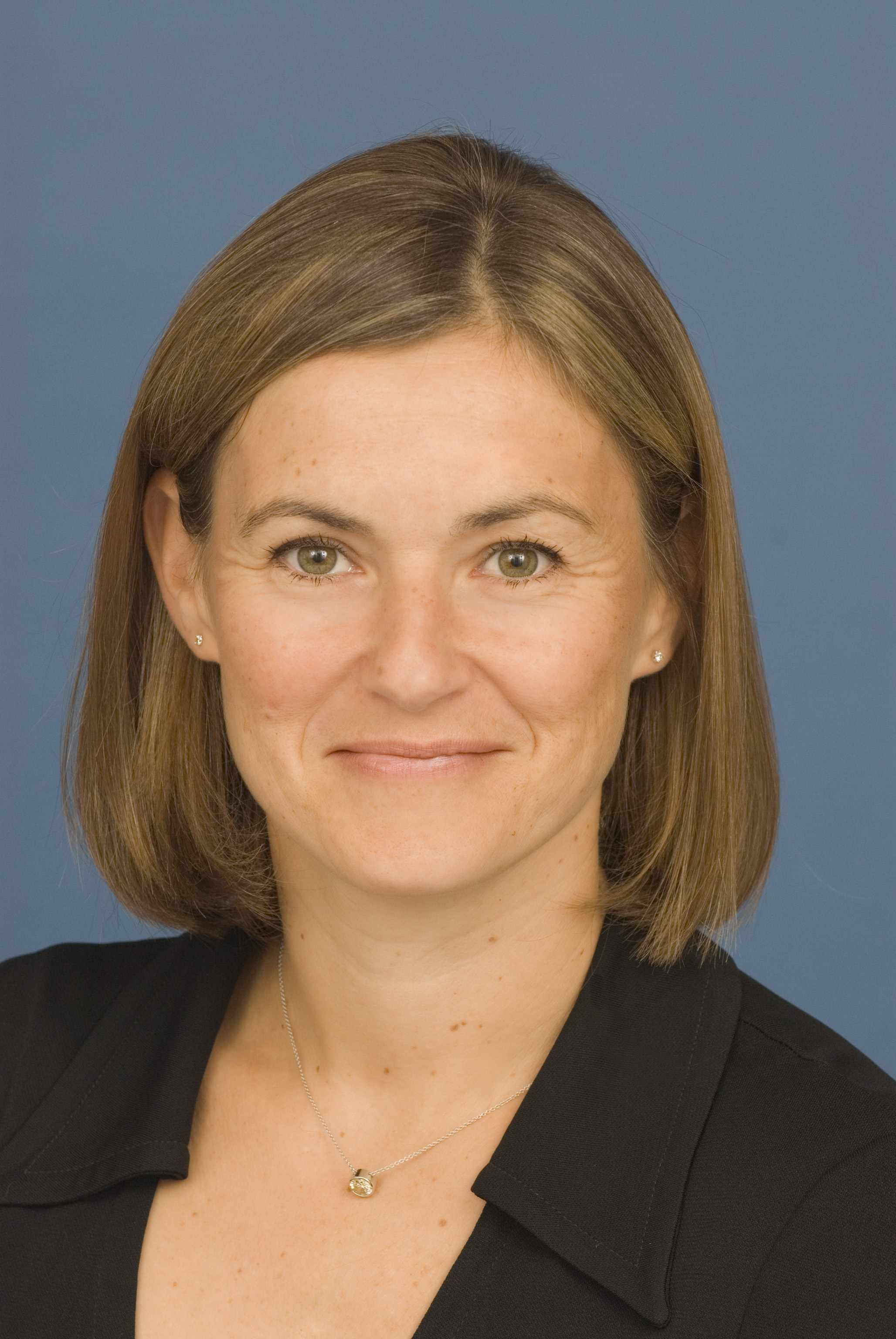
Former Senior Associate, Nuclear Policy Program
Squassoni came to Carnegie from the Congressional Research Service. She also served for nine years in the executive branch. Her last position at the State Department was director of Policy Coordination in the Nonproliferation Bureau.
Recent Work
Sharon Squassoni
Sharon Squassoni
Carnegie does not take institutional positions on public policy issues; the views represented herein are those of the author(s) and do not necessarily reflect the views of Carnegie, its staff, or its trustees.

By focusing only on hard security, the Shield ignores the conditions that fuel cartel power.


Alejandro Martin Rodriguez, Kayly Ober

Nuclear and maritime communities face a long and challenging journey to deploy commercial nuclear applications at sea.


Jamie Kwong, Toby Dalton

A look at how public opinion influences the credibility of coercive nuclear threats,and how it enables and constrains strategies of nuclear coercion.

Lauren Sukin, Samuel Seitz
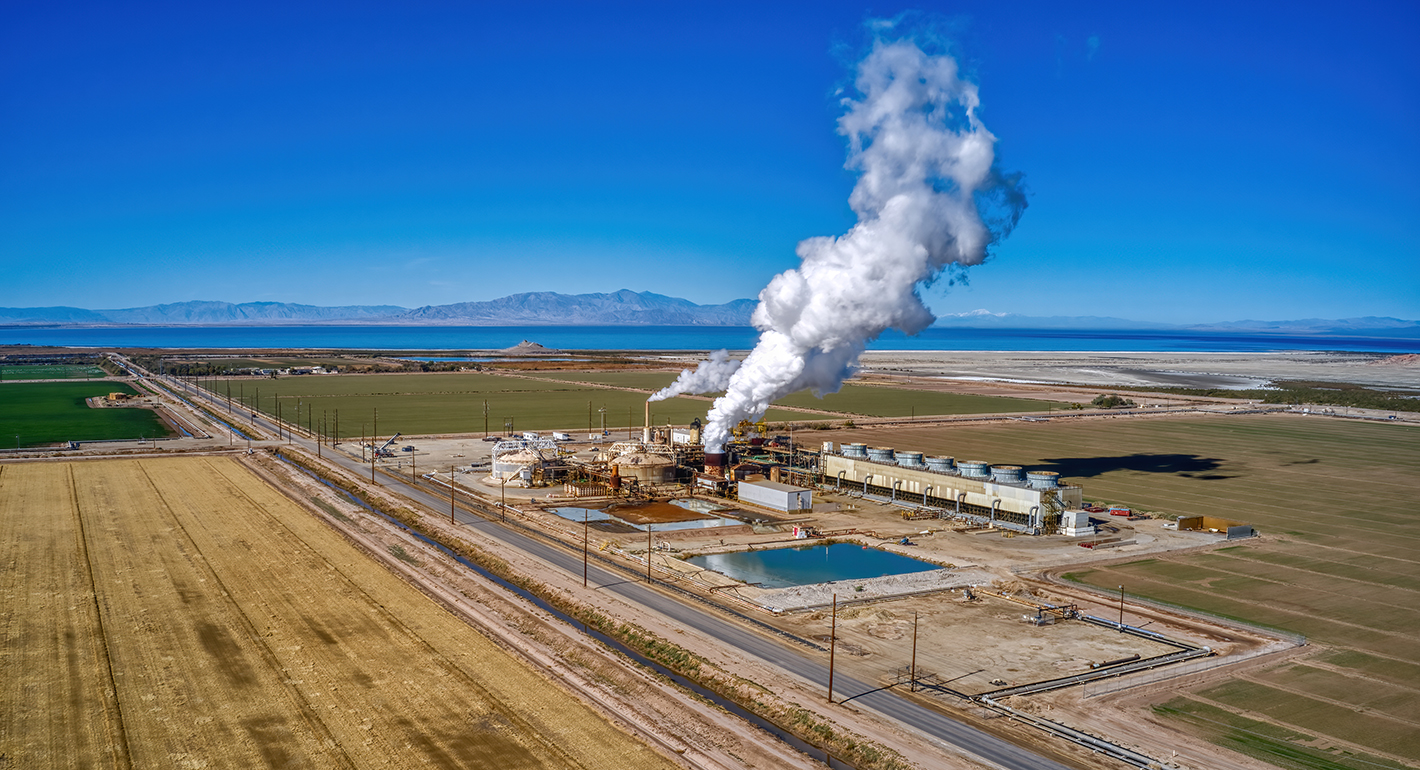
The DFC should focus on advanced, low-carbon energy sources, prioritizing areas where the United States has comparative advantages.
Noah Gordon, Liana Schmitter-Emerson
Investments in a climate-friendly cooling system known as geothermal district cooling will help rapidly urbanizing societies resist dangerous heat indexes.


Daevan Mangalmurti, Debbra Goh, Milo McBride