


Paper
Ashley J. Tellis
{
  "authors": [
    "Ashley J. Tellis"
  ],
  "type": "legacyinthemedia",
  "centerAffiliationAll": "dc",
  "centers": [
    "Carnegie Endowment for International Peace"
  ],
  "collections": [],
  "englishNewsletterAll": "ctw",
  "nonEnglishNewsletterAll": "",
  "primaryCenter": "Carnegie Endowment for International Peace",
  "programAffiliation": "SAP",
  "programs": [
    "South Asia"
  ],
  "projects": [],
  "regions": [
    "South Asia",
    "Pakistan"
  ],
  "topics": [
    "Political Reform",
    "Democracy",
    "Security"
  ]
}
Source: Getty
Source: ADTV's Viewpoint
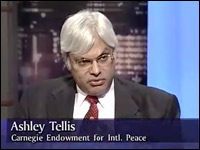
In an interview on Viewpoint, Ashley J. Tellis noted that although Musharraf has aggressively targeted some terrorist organizations within Pakistan, like Al Qaeda, he has conveniently ignored certain politically important organizations, like the Taliban and the Deobandi groups active in Kashmir.
Such inconsistency has been possible partially because U.S. attention and resources have been focused on Iraq, said Tellis. Furthermore, he argued, the war in Iraq stirred up anti-American sentiment in the tribal areas of Pakistan and the U.S. has not held Musharraf to his promise to move Pakistan toward democracy.
Tellis warned that bringing stability and democracy to Pakistan would likely take years, if not decades. But, he added, Pakistan does have a tradition of democratic and civilian rule in Pakistan.

 |
Former Senior Fellow
Ashley J. Tellis was a senior fellow at the Carnegie Endowment for International Peace.
Recent Work
Ashley J. Tellis
Ashley J. Tellis
Carnegie does not take institutional positions on public policy issues; the views represented herein are those of the author(s) and do not necessarily reflect the views of Carnegie, its staff, or its trustees.

The books, podcasts, and films that explain the world it made.

Andrew Leber
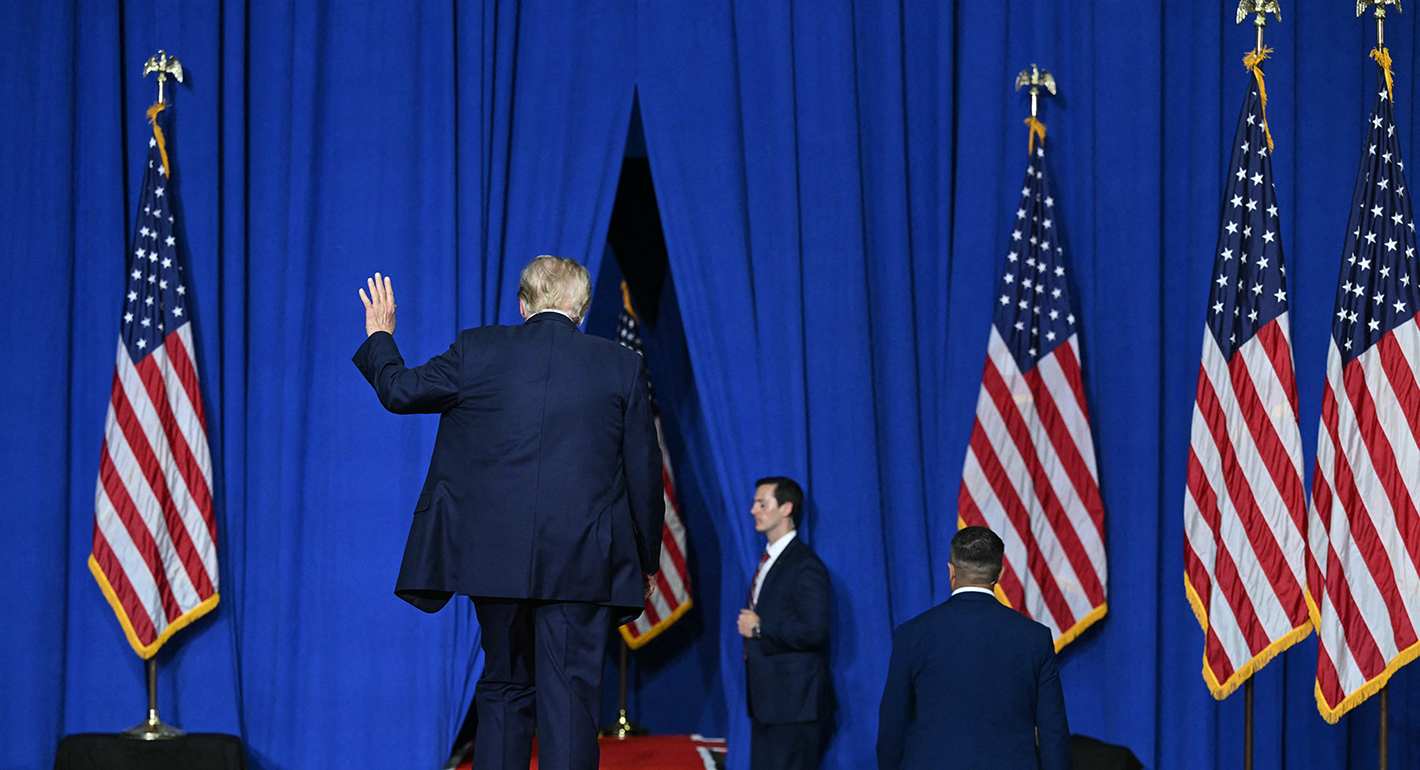
By abandoning past U.S. pro-democracy policies and adopting several lines of pro-autocratic action, the Trump administration has fundamentally repositioned the United States vis-à-vis democracy in the world.

Thomas Carothers

In the tenth year of his presidency, President Mirziyoyev’s system is becoming even more personalized than that of his predecessor Karimov.

Galiya Ibragimova

To remain effective, organizations need to master new media and legitimacy markers to make a once-in-a-century shift.
Renée DiResta, Rachel Kleinfeld, Margot Treadwell

An overwhelming victory by a far-right-wing party in a small state in eastern Germany will have major repercussions for Chancellor Friedrich Merz’s coalition.

Judy Dempsey