

Article
James F. Collins
{
  "authors": [
    "James F. Collins"
  ],
  "type": "legacyinthemedia",
  "centerAffiliationAll": "dc",
  "centers": [
    "Carnegie Endowment for International Peace",
    "Carnegie Russia Eurasia Center"
  ],
  "collections": [],
  "englishNewsletterAll": "ctw",
  "nonEnglishNewsletterAll": "",
  "primaryCenter": "Carnegie Endowment for International Peace",
  "programAffiliation": "russia",
  "programs": [
    "Russia and Eurasia"
  ],
  "projects": [],
  "regions": [
    "North America",
    "United States",
    "Caucasus",
    "Russia",
    "Georgia"
  ],
  "topics": [
    "Foreign Policy"
  ]
}
Source: Getty
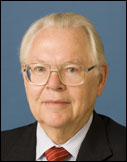
As U.S.-Russia relations continue to sour over the Russia-Georgia conflict, it is unclear how the two nations will be able to rebuild their relationship. Although the conflict led to the current deterioration in relations, problems between the two countries were present before. Despite strong rhetoric from Washington, there is a need for an improved dialogue between the United States and Russia.
Source: NPR's All Things Considered

Although the conflict led to the current deterioration in relations, problems between the two countries were present before. Collins explains, “I am not sure how our dealings with Russia have mirrored the changes that have taken place there. And at the same time, [the Russians] have nursed a lot of grudges that having made a comeback, having achieved recovery, they are still being treated like they were in 1995.”
Despite calls for punishing Russia in Washington, there is a need for improved dialogue between the United States and Russia.

Nonresident Senior Fellow, Russia and Eurasia Program; Diplomat in Residence
Ambassador Collins was the U.S. ambassador to the Russian Federation from 1997 to 2001 and is an expert on the former Soviet Union, its successor states, and the Middle East.
Recent Work
James F. Collins
Dmitri Trenin, James F. Collins
Carnegie does not take institutional positions on public policy issues; the views represented herein are those of the author(s) and do not necessarily reflect the views of Carnegie, its staff, or its trustees.

The conflict is exposing the deep energy vulnerabilities of Korea’s chip industry.


Darcie Draudt-Véjares, Tim Sahay
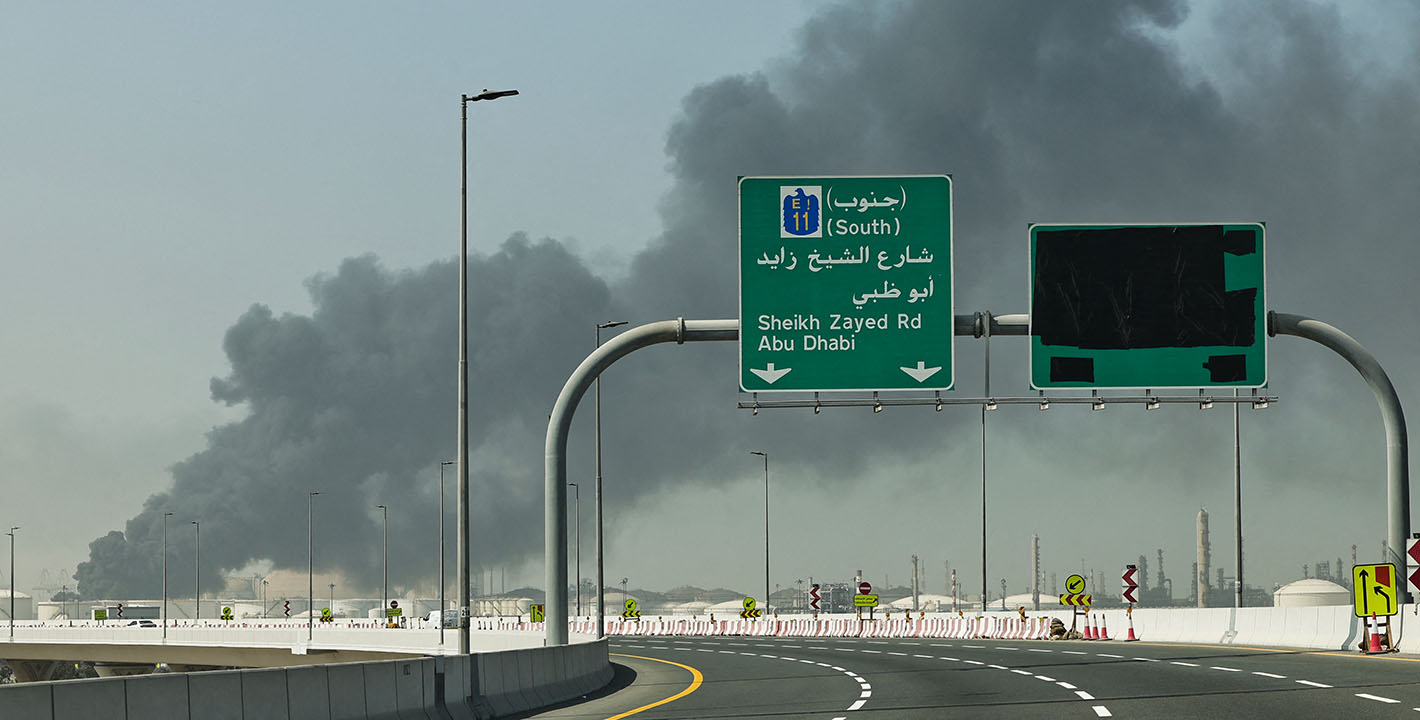
The countries in the region are managing the fallout from Iranian strikes in a paradoxical way.

Angie Omar
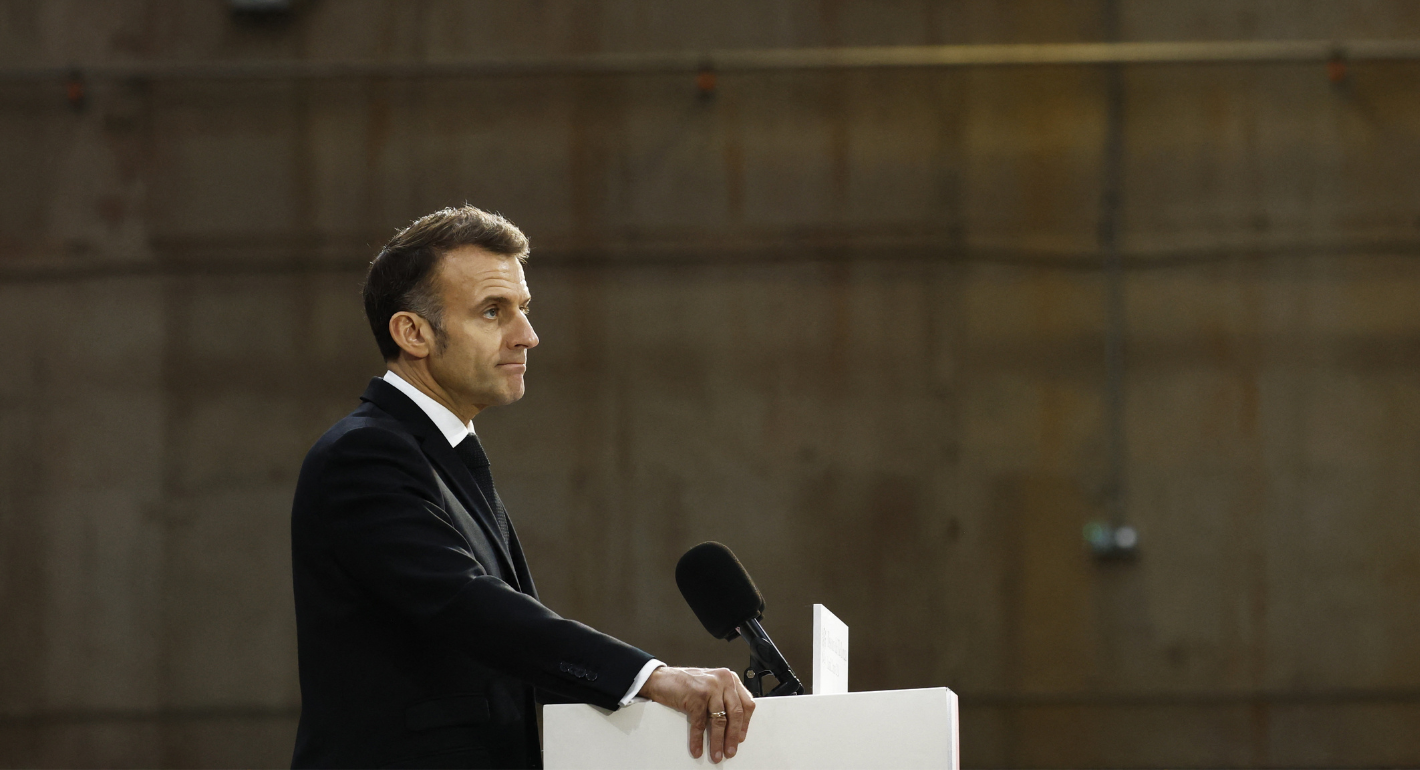
French President Emmanuel Macron has unveiled his country’s new nuclear doctrine. Are the changes he has made enough to reassure France’s European partners in the current geopolitical context?

Rym Momtaz, ed.
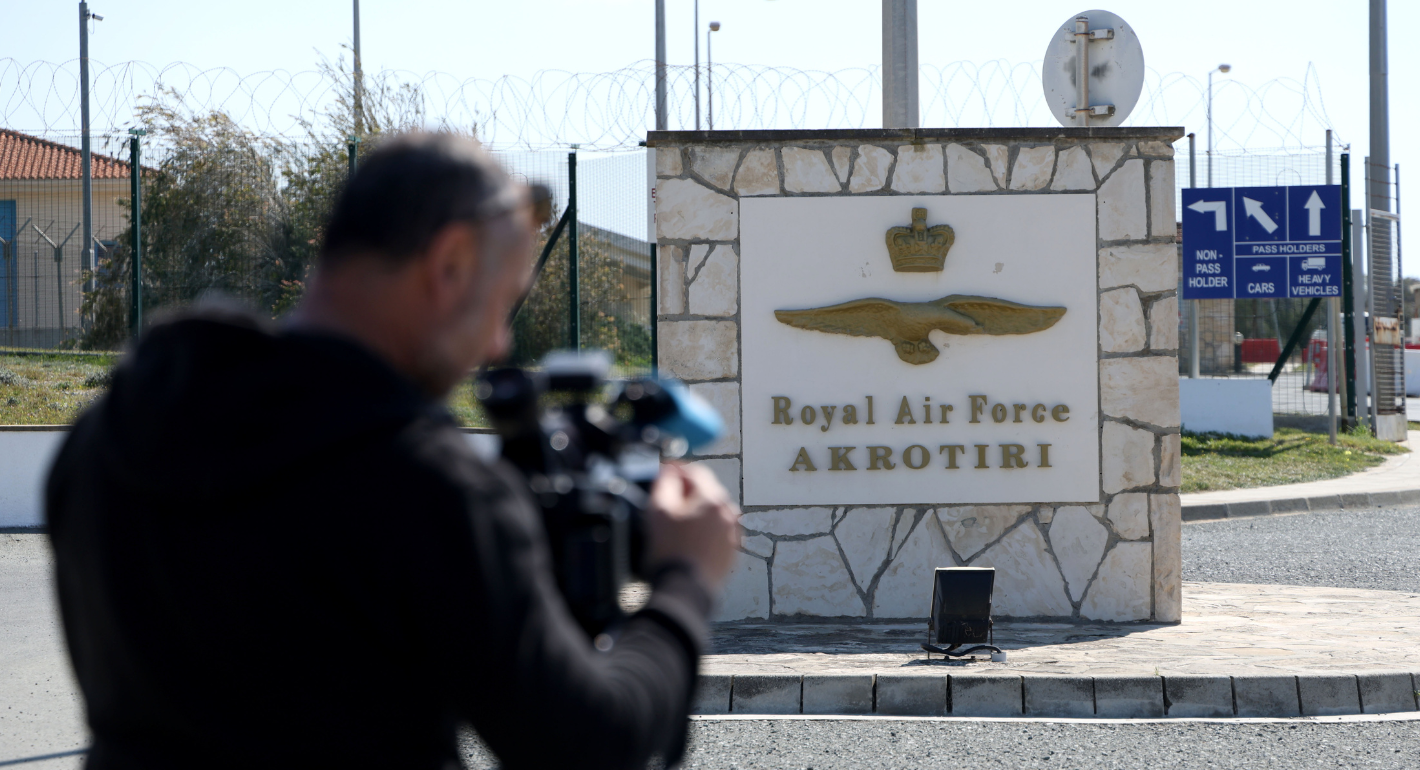
The drone strike on the British air base in Akrotiri brings Europe’s proximity to the conflict in Iran into sharp relief. In the fog of war, old tensions in the Eastern Mediterranean risk being reignited, and regional stakeholders must avoid escalation.

Marc Pierini

In an interview, Hassan Mneimneh discusses the ongoing conflict and the myriad miscalculations characterizing it.

Michael Young