• Research
  • Emissary
  • About
  • Experts
Carnegie Global logoCarnegie lettermark logo
DemocracyIran
  • Donate
{
  "authors": [
    "Michele Dunne"
  ],
  "type": "legacyinthemedia",
  "centerAffiliationAll": "dc",
  "centers": [
    "Carnegie Endowment for International Peace"
  ],
  "collections": [],
  "englishNewsletterAll": "menaTransitions",
  "nonEnglishNewsletterAll": "",
  "primaryCenter": "Carnegie Endowment for International Peace",
  "programAffiliation": "MEP",
  "programs": [
    "Middle East"
  ],
  "projects": [],
  "regions": [
    "North Africa",
    "Libya"
  ],
  "topics": [
    "Political Reform",
    "Foreign Policy"
  ]
}
Source: Getty

In The Media

Secretary Rice's Trip to Libya

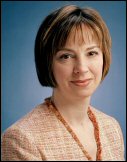
Carnegie's Michele Dunne discusses the progress in U.S.-Libyan relations and the events that led to Secretary Rice's visit to Libya, the first for a U.S. Secretary of State since 1953.

Link Copied
By Michele Dunne
Published on Sep 8, 2008
Program mobile hero image

Program

Middle East

The Middle East Program in Washington combines in-depth regional knowledge with incisive comparative analysis to provide deeply informed recommendations. With expertise in the Gulf, North Africa, Iran, and Israel/Palestine, we examine crosscutting themes of political, economic, and social change in both English and Arabic.

Learn More

Source: Washington Journal

Carnegie's Michele Dunne discusses the political and economic implications of U.S. Secretary Rice's trip to Libya on C-Span's Washington Journal. In what Dunne describes as "something of a victory lap" for Secretary Rice, she describes the visit as a culmination of years of improvement in U.S.-Libyan relations, which has seen Libya end its imvolvement in terrorism, compensate the families of victims of Libyan terorrism and give up its nuclear weapons.

Click here to view the broadcast.

About the Author

Michele Dunne

Former Nonresident Scholar, Middle East Program

Michele Dunne was a nonresident scholar in Carnegie’s Middle East Program, where her research focuses on political and economic change in Arab countries, particularly Egypt, as well as U.S. policy in the Middle East.

    Recent Work

  • Research
    Islamic Institutions in Arab States: Mapping the Dynamics of Control, Co-option, and Contention
      • +6

      Yasmine Farouk, Nathan J. Brown, Maysaa Shuja Al-Deen, …
  • Research
    From Hardware to Holism: Rebalancing America’s Security Engagement With Arab States
      • +8

      Robert Springborg, Emile Hokayem, Becca Wasser, …

Michele Dunne
Former Nonresident Scholar, Middle East Program
Michele Dunne
Political ReformForeign PolicyNorth AfricaLibya

Carnegie does not take institutional positions on public policy issues; the views represented herein are those of the author(s) and do not necessarily reflect the views of Carnegie, its staff, or its trustees.

More Work from Carnegie Endowment for International Peace

  • Commentary
    Strategic Europe
    Europe Fails to Learn the Lessons from Ceuta

    The aftermath of the Ceuta crisis shows Europe has drawn the wrong lessons. Rather than doubling down on failed migration policies, the EU needs to address the underlying roots of such episodes.

      Richard Youngs

  • Commentary
    Carnegie Politika
    Ten Years After Karimov’s Death, How Much Has Uzbekistan Really Changed?

    In the tenth year of his presidency, President Mirziyoyev’s system is becoming even more personalized than that of his predecessor Karimov.

      Galiya Ibragimova
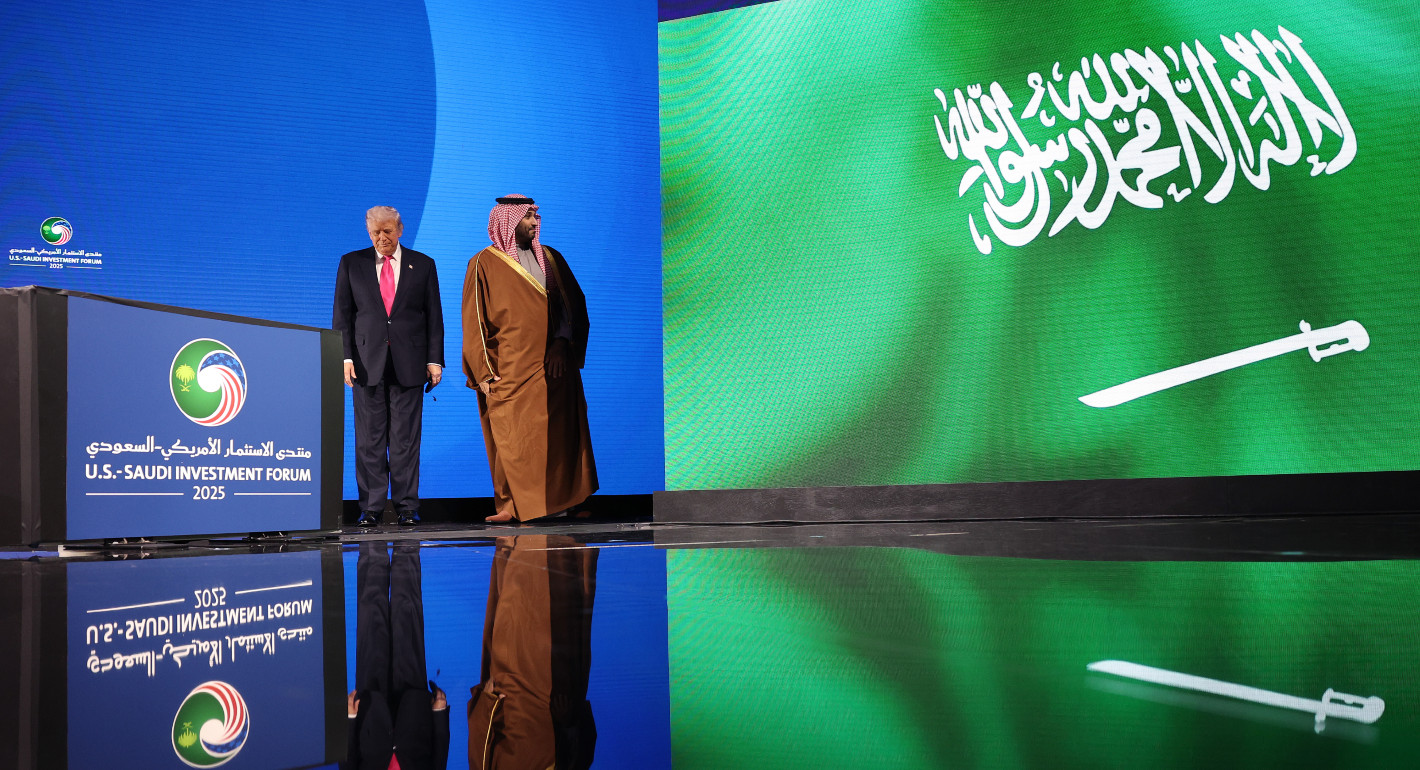
  • Trump and MBS walking across a stage
    Commentary
    Emissary
    Is the U.S.-Saudi Nuclear Deal Moving From the Gold Standard to a Gilded Standard?

    Congress should ask tough questions about the agreement’s more unique features and whether they advance U.S. interests or compromise them.

      • Jane Darby Menton

      Jane Darby Menton

  • People waving to a passing car surrounded by motorcycles
    Commentary
    Emissary
    Cameroon’s President Went Abroad for Months. His Return Brought More Questions Than Answers.

    The ninety-three-year-old Biya’s absence and refusal to name a vice president threaten to upend domestic and regional stability.

      • Dr. Lesley Anne Warner

      Lesley Anne Warner

  • Commentary
    Carnegie Politika
    As It Turns 25, the Shanghai Cooperation Organization Reflects the New World Order

    With the growth in points of friction between the great powers, organizations like the SCO will continue to play a role in the strategic adaptation of the smaller powers caught between them.

      Temur Umarov

Get more news and analysis from
Carnegie Endowment for International Peace
Carnegie global logo, stacked
1779 Massachusetts Avenue NWWashington, DC, 20036-2103Phone: 202 483 7600
  • Research
  • Emissary
  • About
  • Experts
  • Donate
  • Programs
  • Events
  • Blogs
  • Podcasts
  • Contact
  • Annual Reports
  • Careers
  • Privacy
  • For Media
  • Government Resources
Get more news and analysis from
Carnegie Endowment for International Peace
© 2026 Carnegie Endowment for International Peace. All rights reserved.