
• Research
  • Emissary
  • About
  • Experts
Carnegie Global logoCarnegie lettermark logo
DemocracyIran
  • Donate
{
  "authors": [],
  "type": "pressRelease",
  "centerAffiliationAll": "dc",
  "centers": [
    "Carnegie Endowment for International Peace"
  ],
  "collections": [
    "U.S. Nuclear Policy"
  ],
  "englishNewsletterAll": "ctw",
  "nonEnglishNewsletterAll": "",
  "primaryCenter": "Carnegie Endowment for International Peace",
  "programAffiliation": "NPP",
  "programs": [
    "Nuclear Policy",
    "Middle East"
  ],
  "projects": [],
  "regions": [
    "North America",
    "United States",
    "Middle East",
    "Iran",
    "Iraq",
    "Afghanistan"
  ],
  "topics": [
    "Military",
    "Foreign Policy",
    "Nuclear Policy"
  ]
}
REQUIRED IMAGE

REQUIRED IMAGE

Press Release

Building Confidence With Iran on Common Interests

Iran continues to be a critical national security challenge for the United States. A different approach is required. In a new policy brief, Karim Sadjadpour explains that the relevant question is not whether to talk to Iran but how to talk to Iran, and prioritizes U.S. engagement with Iran on six critical issues.

Link Copied
Published on Oct 16, 2008
Program mobile hero image

Program

Nuclear Policy

The Nuclear Policy Program aims to reduce the risk of nuclear war. Our experts diagnose acute risks stemming from technical and geopolitical developments, generate pragmatic solutions, and use our global network to advance risk-reduction policies. Our work covers deterrence, disarmament, arms control, nonproliferation, and nuclear energy.

Learn More
Program mobile hero image

Program

Middle East

The Middle East Program in Washington combines in-depth regional knowledge with incisive comparative analysis to provide deeply informed recommendations. With expertise in the Gulf, North Africa, Iran, and Israel/Palestine, we examine crosscutting themes of political, economic, and social change in both English and Arabic.

Learn More

WASHINGTON, Oct 16—Iran continues to be a critical national security challenge for the United States, despite decades of effort to change Tehran’s behavior by isolating the country politically and economically. A different approach is required. In a new policy brief, Karim Sadjadpour explains that the relevant question is not whether to talk to Iran but how to talk to Iran, and prioritizes U.S. engagement with Iran on six critical issues: Iraq, Afghanistan, nuclear proliferation, the Arab–Israeli conflict, energy, and terrorism.

The next U.S. president should:

  • Focus initially on areas where the United States and Iran share common interests, such as Iraq and Afghanistan, rather than issues with little or no common interest, like the nuclear issue or the Israeli–Palestinian conflict.
  • Refrain from any grand overtures to Tehran which risk redeeming Iranian President Ahmadinejad’s policies and enhancing his bid for reelection in June of 2009.
  • Deal with those who hold power in Iran, namely Supreme Leader Ayatollah Ali Khamenei.
  • Avoid rhetoric that threatens violence. This only empowers Tehran’s hard-liners and paints the United States as the aggressor.
  • Maintain a multilateral approach. Tehran is highly adept at exploiting rifts in the international community.
  • Resist attempts by spoilers within Iran to torpedo a diplomatic breakthrough.
  • Pursue “secret” or “private” discussions—proven to have a greater success rate.
  • Support policies that facilitate, rather than impede, Iran’s modernization and reintegration in the global economy.

Sadjadpour concludes with a note of caution:

“Around the same time the next U.S. president is inaugurated, the Iranian revolution will mark its thirtieth anniversary. Given three decades of compounded mistrust and ill will, the results of any process of engagement will not be quick; such antagonism will not melt away after one, two, or even many meetings. The initial pace will likely be painfully slow, as each side ascertains whether the other truly has good intentions. Furthermore, given the potentially enormous implications that a changed relationship with Washington would have for the Islamic Republic’s future, there are a variety of reasons why even a sincere, sustained American attempt at dialogue may not initially bear fruit.”

###


bullet
NOTES

  • Direct link to the PDF: www.carnegieendowment.org/files/us_iran_policy.pdf
  • Karim Sadjadpour, a leading researcher on Iran, joined Carnegie as an associate after four years as the chief Iran analyst at the International Crisis Group based in Tehran and Washington, D.C. Sadjadpour has conducted dozens of interviews with senior Iranian officials, and hundreds with Iranian intellectuals, clerics, dissidents, paramilitaries, businessmen, students, activists, and youth, among others.
  • The Carnegie Middle East Program combines in-depth local knowledge with incisive comparative analysis to examine economic, socio-political, and strategic interests in the Arab world. Through detailed country studies and the exploration of key cross-cutting themes, the Carnegie Middle East Program, in coordination with the Carnegie Middle East Center, provides analysis and recommendations in both English and Arabic that are deeply informed by knowledge and views from the region. The program produces the Arab Reform Bulletin, a monthly analysis of political reform in the Middle East.
  • The Carnegie Nonproliferation Program is an internationally recognized source of knowledge and policy thinking on efforts to curb the spread and use of nuclear weapons. Carnegie’s analysis consistently stays at the forefront of proliferation developments and nonproliferation policy debates. In Washington, Moscow, Brussels, New Delhi, and increasingly in Beijing, the program hosts public and private seminars, speeches, and workshops, where leading officials and experts seek to overcome obstacles to reduce the danger of nuclear war. The program also distributes Carnegie Proliferation News, which provides synopses of top news stories related to preventing the spread and use of nuclear weapons every Tuesday and Thursday as well as periodic issue briefs on the top news making issues.
  • Press Contact: Trent Perrotto, 202/939-2372, tperrotto@ceip.org
MilitaryForeign PolicyNuclear PolicyNorth AmericaUnited StatesMiddle EastIranIraqAfghanistan

Carnegie does not take institutional positions on public policy issues; the views represented herein are those of the author(s) and do not necessarily reflect the views of Carnegie, its staff, or its trustees.

More Work from Carnegie Endowment for International Peace

  • Commentary
    Diwan
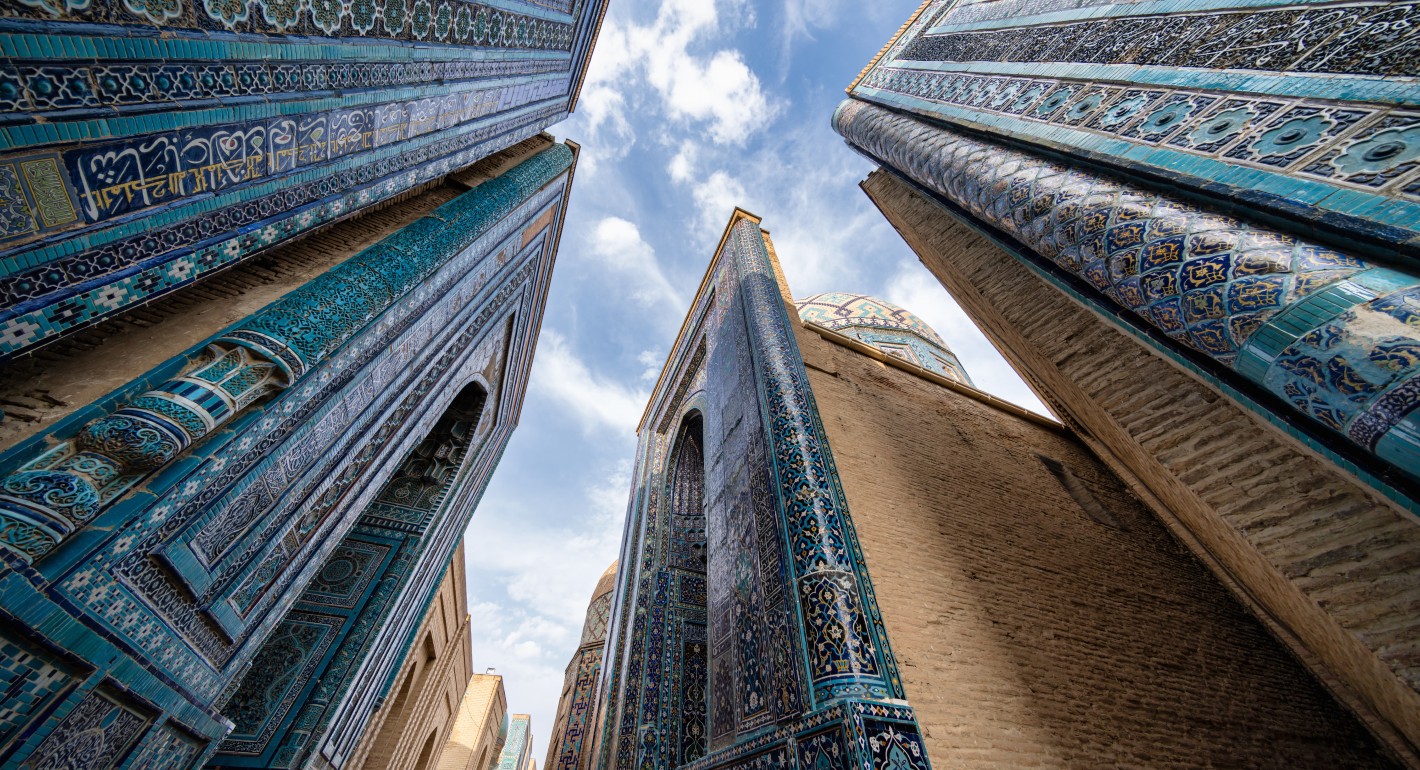
    Less of America is More

    Middle Eastern states should welcome an accelerated U.S. disengagement from their region. 

      Michael Young
  • upward-facing view of ornately tiled buildings
    Commentary
    Emissary
    Is the Shanghai Cooperation Organisation Performance Art or Meaningful Collaboration?

    Xi, Putin, and other regional leaders are back-slapping in Bishkek, but the SCO has yet to answer the most serious questions about continental Asia's economic future.

      Evan A. Feigenbaum

  • Von der Leyen Antonio Costa EU Europe
    Commentary
    Strategic Europe
    Europe’s Self-Confidence Problem

    The EU’s responses to two recent incidents expose the gulf between European perceptions and capabilities. Unless the union can bridge that gap, it will never become a real geostrategic power.

      • Rym Momtaz

      Rym Momtaz

  • Commentary
    Diwan
    A Strategic Disaster that Devalues U.S. Military Prowess

    In an interview, former ambassador Charles Freeman assesses the Trump administration’s war against Iran.

      Michael Young
  • Commentary
    Sada
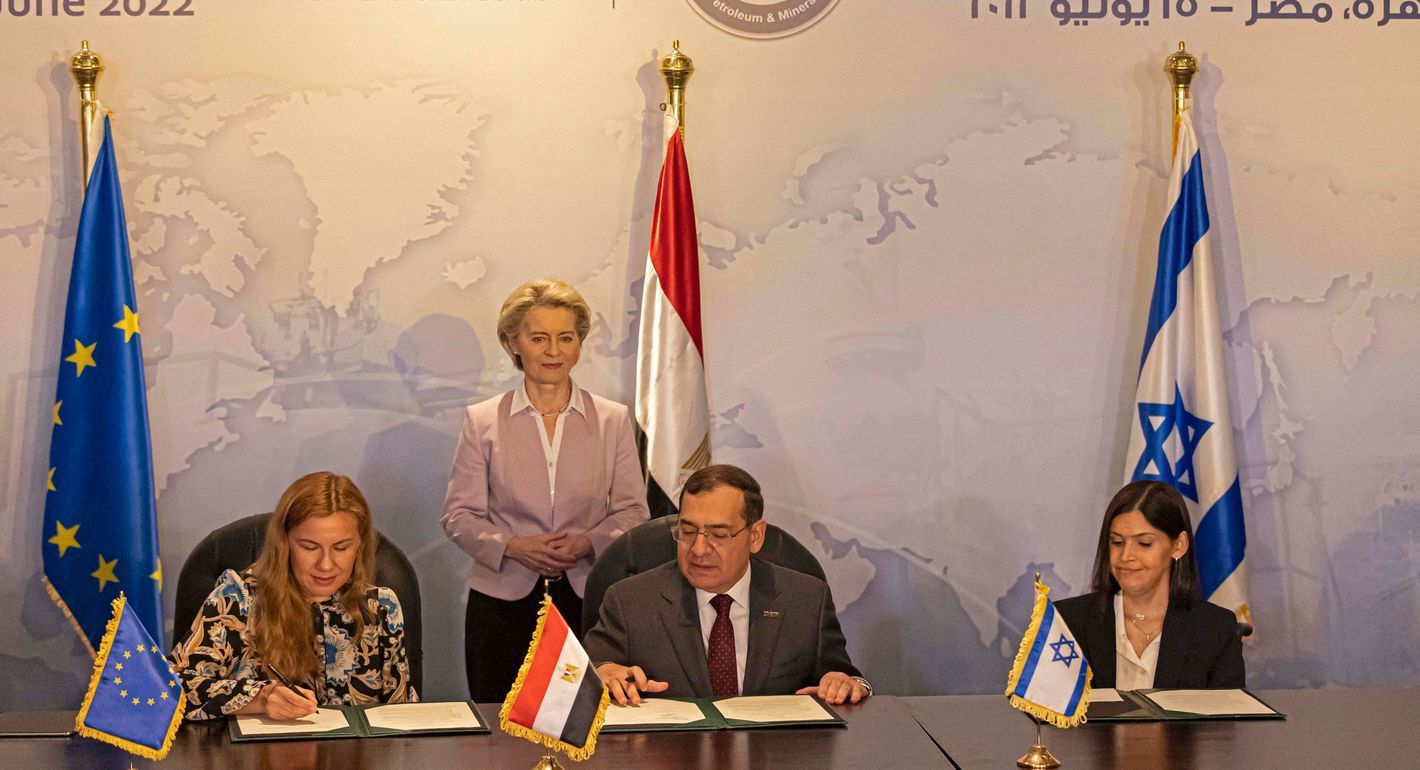
    Gas and Peace: Can Energy Trade Contain Egypt-Israel Conflict?

    Can economic ties help contain conflict between Egypt and Israel, or do they simply postpone confrontation? Drawing on the German-Russian experience, the article examines how the gas deal creates mutual dependence, keeps channels of cooperation open, and raises the cost of conflict, without necessarily delivering lasting peace.
      Nourhan Hefzy

Get more news and analysis from
Carnegie Endowment for International Peace
Carnegie global logo, stacked
1779 Massachusetts Avenue NWWashington, DC, 20036-2103Phone: 202 483 7600
  • Research
  • Emissary
  • About
  • Experts
  • Donate
  • Programs
  • Events
  • Blogs
  • Podcasts
  • Contact
  • Annual Reports
  • Careers
  • Privacy
  • For Media
  • Government Resources
Get more news and analysis from
Carnegie Endowment for International Peace
© 2026 Carnegie Endowment for International Peace. All rights reserved.
