

Commentary
It should address the shortcomings of previous crisis communication efforts and adapt to the demands of frontier AI.
Lucy Luo
{
  "authors": [
    "Jessica Tuchman Mathews",
    "Douglas H. Paal"
  ],
  "type": "legacyinthemedia",
  "centerAffiliationAll": "dc",
  "centers": [
    "Carnegie Endowment for International Peace"
  ],
  "collections": [],
  "englishNewsletterAll": "asia",
  "nonEnglishNewsletterAll": "",
  "primaryCenter": "Carnegie Endowment for International Peace",
  "programAffiliation": "AP",
  "programs": [
    "Asia"
  ],
  "projects": [],
  "regions": [
    "North America",
    "United States",
    "East Asia",
    "China",
    "Taiwan"
  ],
  "topics": [
    "Foreign Policy"
  ]
}
Source: Getty
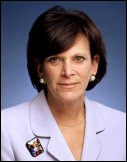
The Sino-American relationship is one of the issues that looms largest as President-elect Obama prepares to assume office in less than two weeks. To asses the developments in that relationship over the last eight years, CCTV sat down with Jessica Mathews, president of the Carnegie Endowment for International Peace, and Douglas Paal, Vice President for Studies.
Source: CCTV's Dialogue

Paal noted that although President Bush came to office as a strong Taiwan supporter, he came to be seen by many as a voice for Beijing because of deteriorating relations between the U.S. and Taiwan during Chen Shui-bian's term. Both Mathews and Paal highlighted Bush's China policy as an exception to his legacy as a unilateralist, noting that the Strategic Economic Dialogue (SED) has paved the way for sustained high-level exchanges and negotiations between the two countries. Mathews predicted that Obama would continue the SED. Paal added that the global financial crisis has illuminated the SED's strategic value, noting China's $586 stimulus package that was intended, at least in part, to mitigate the crisis' impact.
Mathews and Paal emphasized that although neoconservatives held sway over much of Bush's foreign policy approach, they did not have the upper hand as far as China policy was concerned: President Bush regarded China as a country to be engaged.

Distinguished Fellow
Mathews is a distinguished fellow at the Carnegie Endowment for International Peace. She served as Carnegie’s president for 18 years.
Distinguished Fellow, Asia Program
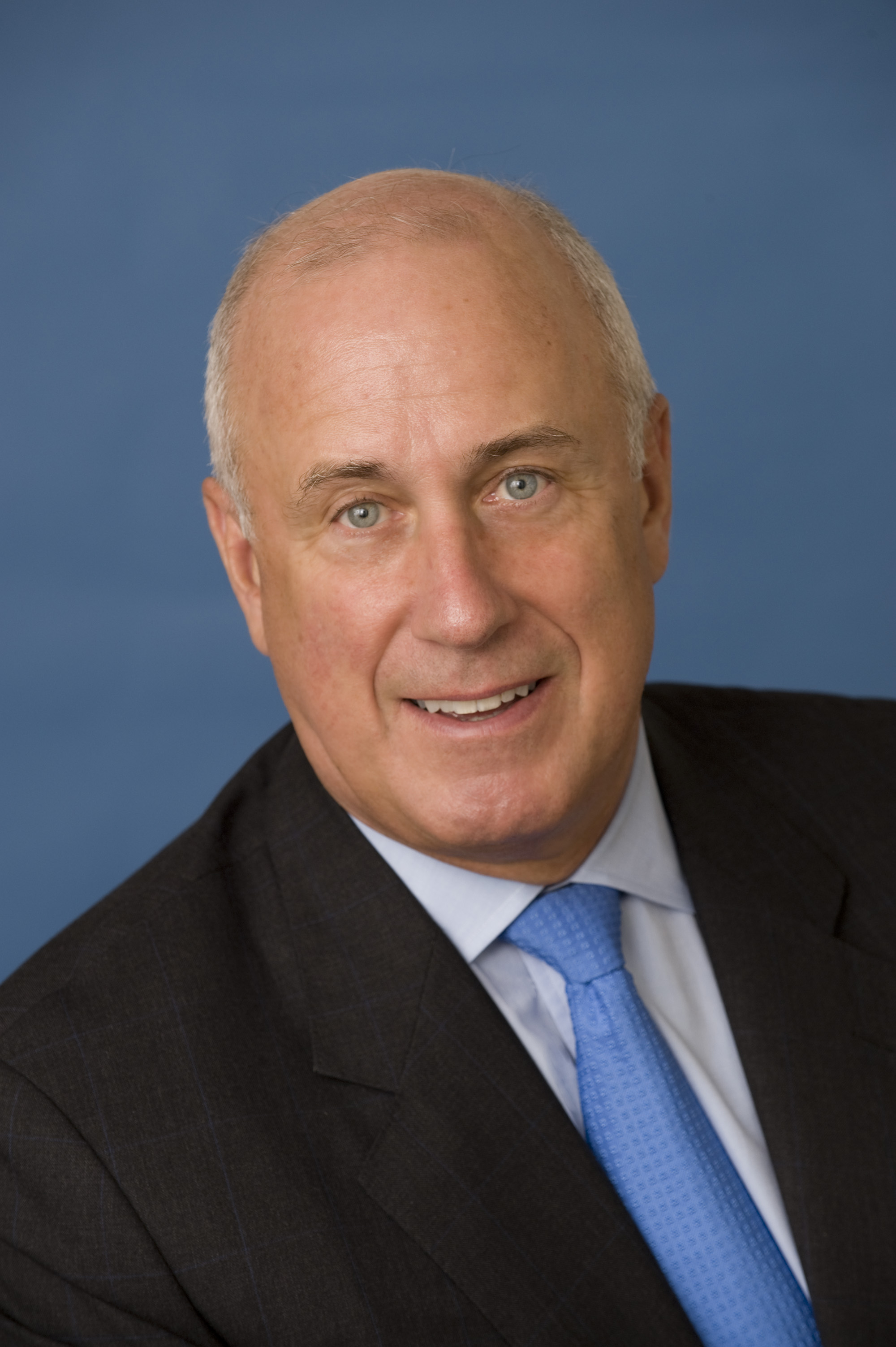
Paal previously served as vice chairman of JPMorgan Chase International and as unofficial U.S. representative to Taiwan as director of the American Institute in Taiwan.
Carnegie does not take institutional positions on public policy issues; the views represented herein are those of the author(s) and do not necessarily reflect the views of Carnegie, its staff, or its trustees.

It should address the shortcomings of previous crisis communication efforts and adapt to the demands of frontier AI.

Lucy Luo

Washington’s decision to support some UN functions while letting others wither is pulling the organization apart at the seams.

Stewart Patrick, Theodore Zaritsky
While there are notable demographic, economic, and geographic divides over AI, there is also substantial alignment between Republicans and Democrats.

Ian Klaus, Mark Baldassare, Rachel George, …

Are Germany’s economic, industrial, and political struggles becoming a liability for the EU’s ability to rise to the geopolitical moment?

Rym Momtaz, ed.

China’s police training infrastructure construction projects provide benefits to recipient countries, promote China’s image as a major global security provider, and are likely to reinforce alignment between Beijing’s security priorities and those of countries in the Global South.


Cameron Waltz, Sheena Chestnut Greitens, Kim Nguyen, …