

In The Media
Jessica Tuchman Mathews
{
  "authors": [
    "Jessica Tuchman Mathews"
  ],
  "type": "legacyinthemedia",
  "centerAffiliationAll": "",
  "centers": [
    "Carnegie Endowment for International Peace",
    "Carnegie Russia Eurasia Center"
  ],
  "collections": [],
  "englishNewsletterAll": "",
  "nonEnglishNewsletterAll": "",
  "primaryCenter": "Carnegie Endowment for International Peace",
  "programAffiliation": "",
  "programs": [],
  "projects": [],
  "regions": [
    "North America",
    "United States"
  ],
  "topics": [
    "Foreign Policy"
  ]
}
Source: Getty
President-elect Obama will inherit a number of foreign policy challenges from the Bush administration when he takes office. Key areas where the new administration must focus to reverse the Bush administration's failings include Afghanistan, diplomacy, unilateralism, arms control, and climate change.
Source: KPCC Air Talk

Afghanistan
After seven years of conflict, the war is sliding toward catastrophe.
Unilateralism
Bush's focus on empire building has undermined U.S. foreign policy around the world. The U.S. cannot operate above internal laws and norms, which is why the closing of Guantanamo Bay prison is so important.
Diplomacy
The Bush administration rejected the idea that tough, hard-headed negotiation could advance U.S. policy. At the same time, Iran's influence has grown. Direct talks can help ease the misapprehension both governments have for one another.
Arms Control
Breaking from 50 years of bipartisan policy, the Bush administration shifted focus away from reducing weapons and instead sought to remove the regimes that possessed them.
Climate Change
It is necessary to develop a climate treaty that addresses the major failings of Kyoto.
Mathews identified the continuation of disarmament talks with Libya, development of strategic dialogue with China, and African AIDS work as Bush administration successes.

Distinguished Fellow
Mathews is a distinguished fellow at the Carnegie Endowment for International Peace. She served as Carnegie’s president for 18 years.
Recent Work
Jessica Tuchman Mathews
Jessica Tuchman Mathews
Carnegie does not take institutional positions on public policy issues; the views represented herein are those of the author(s) and do not necessarily reflect the views of Carnegie, its staff, or its trustees.

The EU can impose sanctions but struggles to enforce them without the United States. With Washington increasingly disinterested in backing European interests, the bloc must now fend for itself.


Nicu Popescu, Tiago Antunes
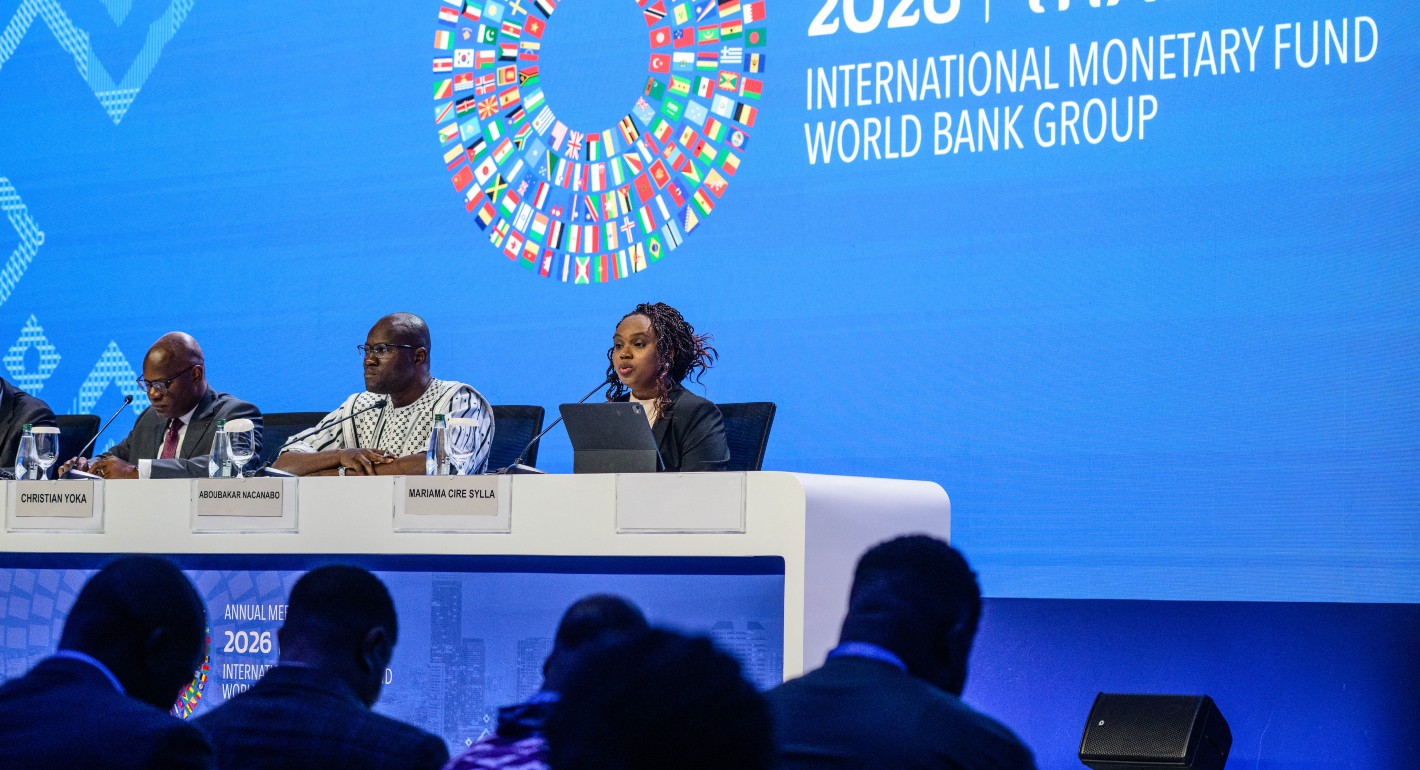
Global and rising powers will need to engage with Africa’s priorities and agency in order to secure the continent’s increasingly attractive partnerships.

Fonteh Akum

Rubio’s recent visit brought welcome attention, but more capital requires governance changes that may be a hard sell for regional governments.

Jennifer B. Murtazashvili

America’s foreign-policy objectives have grown more demanding while Americans have demanded greater focus on their own affairs.

Stephen Wertheim

Japan’s long-term security policy is driven by concerns about China, and there is little appetite for (or interest in) pursuing a confrontation with Moscow.

James D.J. Brown