

Commentary
In the tenth year of his presidency, President Mirziyoyev’s system is becoming even more personalized than that of his predecessor Karimov.
Galiya Ibragimova
{
  "authors": [
    "Amr Hamzawy",
    "Amr Hamzawy"
  ],
  "type": "legacyinthemedia",
  "centerAffiliationAll": "dc",
  "centers": [
    "Carnegie Endowment for International Peace"
  ],
  "collections": [],
  "englishNewsletterAll": "menaTransitions",
  "nonEnglishNewsletterAll": "",
  "primaryCenter": "Carnegie Endowment for International Peace",
  "programAffiliation": "MEP",
  "programs": [
    "Middle East"
  ],
  "projects": [],
  "regions": [
    "Palestine"
  ],
  "topics": [
    "Political Reform"
  ]
}
Source: Getty
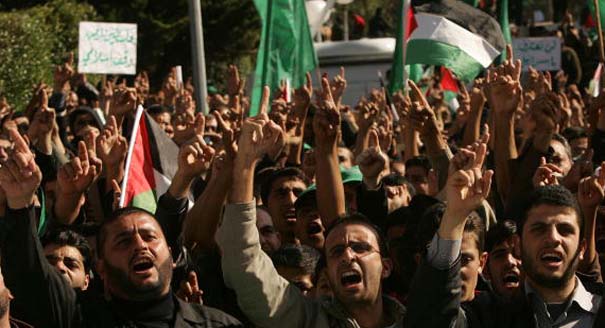
Whenever an Arab voice is raised calling for a critical assessment of the tactical choices and practices of Hamas, it is drowned by the outcries of defenders who speak only of resistance and rejection.
Source: Al-Ahram Weekly

The first entails the de-legitimisation of any suspicion that Hamas's strategy and practices may have contributed to propelling Gaza towards the onslaught that brought such massive destruction. This attitude is founded upon the unequivocal insistence that Israel, as a brutal occupying power, is exclusively responsible. This premise has two important corollaries. The first exonerates Hamas from all suspicion of having provided Tel Aviv with the pretext to wage war after the Islamist movement refused to renew the truce and fired a barrage of missiles into southern Israel. The Zionists have never lacked excuses for acts of aggression, the argument goes. It adds that this war had been on the drawing board for some time, and that its goals involved removing Hamas because it constitutes an obstacle to any settlement project inimical to Palestinian rights, reviving Israel's deterrent power undermined by the war in Lebanon in the summer of 2006, and enhancing the Kadima-Labour coalition's popular stock in advance of Knesset elections. The corollary holds that Hamas was right to end the truce in view of Israeli breaches and the cruel and relentless economic blockade against the people of Gaza.
My aim is not to come up with justifications for Israel's savage war on Gaza. I have no doubt that the above-mentioned vindications are largely valid. Nevertheless, they bring to the fore the problem of a closed paradigm that excludes any voluntary element in the interpretation of political events and imposes a monolithic and essentially a posteriori reading blinkered to contradictory evidence and to current realities that might cast an alternative light on events as they unfold. The war on Gaza, dictates the paradigm, was an example of the kind of pre-prepared plan that Israel always has on hand and any purported relationship between this plan and the end of the truce or Tel Aviv's perception of a security threat from missiles fired on Israeli towns in the south is no more than a smokescreen. The Olmert government's agreement to a truce in 2008 was purely a tactical move in order to prepare for war while waiting for an appropriate moment to launch its aggression, this being provided by the political vacuum created by the transition between outgoing and incoming administrations in the US. That Olmert agreed to a truce cannot be read, for example, as a prelude to a pragmatic attempt to search for minimal accommodations with a wearisome resistance movement over a piece of territory that Israel is neither capable of, nor willing to, hold on to. According to this view, the war against Hamas would have happened regardless, and any tactical choices and actions -- its assessment of its own interests in the context of its rivalry with Fatah and its desire to hold on to power in Gaza -- have no bearing on the matter. Hamas thus remains above suspicion.
The second prop supporting the resistance narrative manufacturers' absolutist exoneration of Hamas demands that anyone outside their circle must suspend all rational thought and argument when considering the lead-up to the war and its tragic repercussions. They scoff at any criticism of Hamas for doing nothing to avert a war that its leaders knew would exact an enormous price on civilians. To level such criticism, they say, is to fail to appreciate that the war was inevitable of that resistance action against the occupier is sanctified whatever the consequences, the latter being a radical departure from the political rhetoric of Hizbullah, which stresses planning, organisation, training and acquisition of arms in order to develop a "cognizant, intelligent resistance". Anyone who ventures to suggest that in seizing power in Gaza, separating from the West Bank and eliminating the PA Hamas has brought unmitigated disaster to the management of the Palestinian struggle for national liberation, providing ideal conditions for Israel to convince the West that Gaza is now a land of renegades and outlaws, is greeted with a hailstorm of derision and, more often than not, referred to the report in Vanity Fair on the Dahlan conspiracy and how Hamas pre-empted its own elimination by eliminating its opponents first.
As for anyone who dared suppose that Hamas had not considered the potential loss of civilian life and material destruction or suggest that the movement's rhetoric during the war reflected this and gave the Gazans no choice but to be lumped together as the "people of the resistance", he will be branded as a collaborator and Israeli apologist, deliberately confusing the executioner with the victim simply because he has suggested that Hamas may have been in some way responsible for the death and destruction in Gaza.
The third position is perhaps the most insidious. Its advocates don a cloak of rationality as they shout down any criticism of Hamas on the grounds that such criticism constitutes an unhealthy departure from religious and national consensus and is at best an intellectual frivolity that must be put off until a later date. The danger of this position is that it carries totalitarian implications prohibiting the exercise of the intellect and any free expression of convictions when considering Hamas and its actions. The Arabs have long suffered the consequences of this type of silencing. After issuing a certificate exonerating Hamas of any responsibility for the war on Gaza and suspending rational enquiry into the movement's choices and practices the manufacturers of resistance narratives insist upon another type of exception, undermining freedom of thought and the right to differ.

Director, Middle East Program
Amr Hamzawy is a senior fellow and the director of the Carnegie Middle East Program. His research and writings focus on Egypt’s and other middle powers’ involvement in regional security in the Middle East, particularly through collective diplomacy and multilateral conflict resolution
Director, Middle East Program
Amr Hamzawy is a senior fellow and the director of the Carnegie Middle East Program. His research and writings focus on Egypt’s and other middle powers’ involvement in regional security in the Middle East, particularly through collective diplomacy and multilateral conflict resolution
Carnegie does not take institutional positions on public policy issues; the views represented herein are those of the author(s) and do not necessarily reflect the views of Carnegie, its staff, or its trustees.

In the tenth year of his presidency, President Mirziyoyev’s system is becoming even more personalized than that of his predecessor Karimov.

Galiya Ibragimova

The greater threat to Zelensky comes not from Fedorov alone, but from the convergence between the former defense minister’s political campaign and the anti-corruption investigations moving ever closer to the presidential administration.

Balázs Jarábik
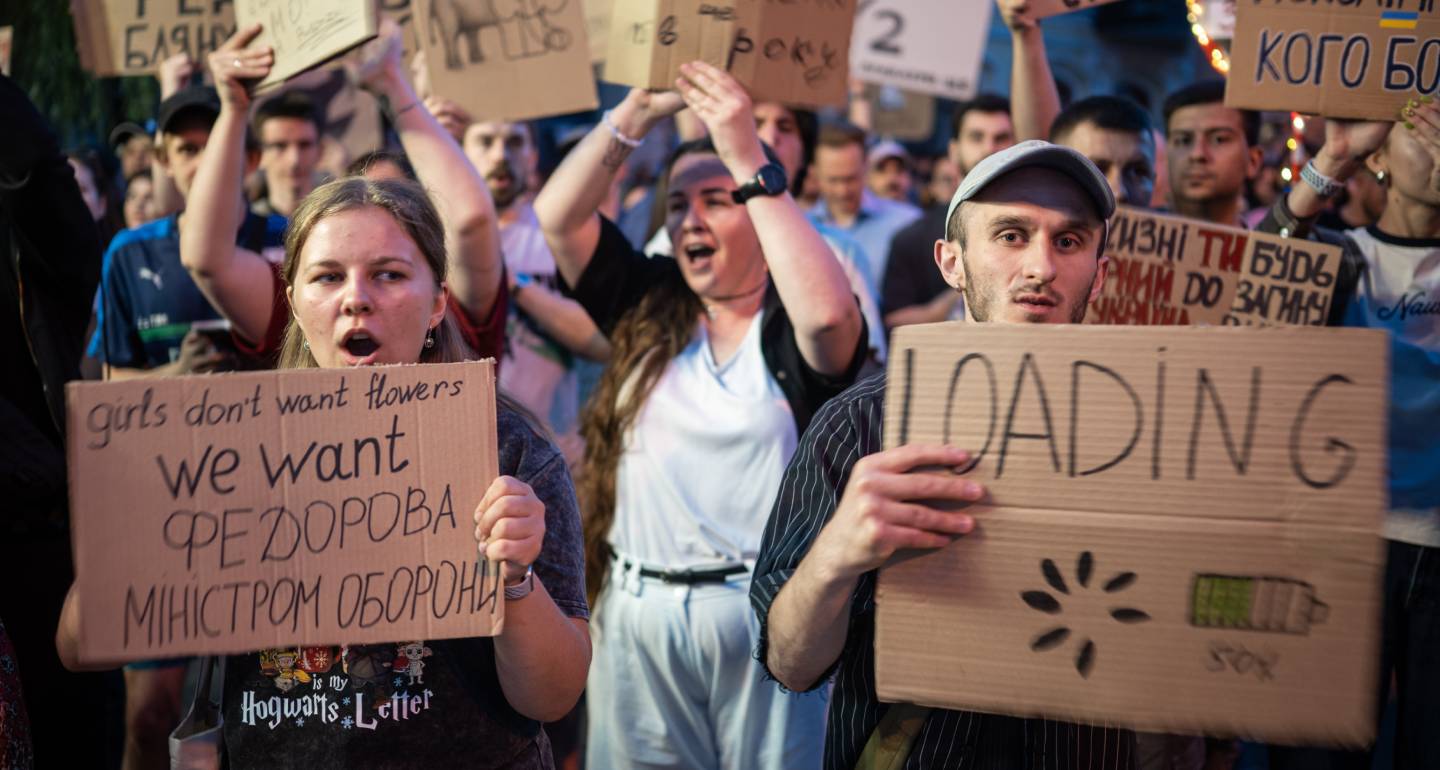
With his public call for new elections in Ukraine, ex-defense minister Mykhailo Fedorov has opened Pandora’s box.

Konstantin Skorkin

In the discussions made possible by the State Duma election campaign, one question is being asked more and more loudly. “What next?”

Andrey Pertsev
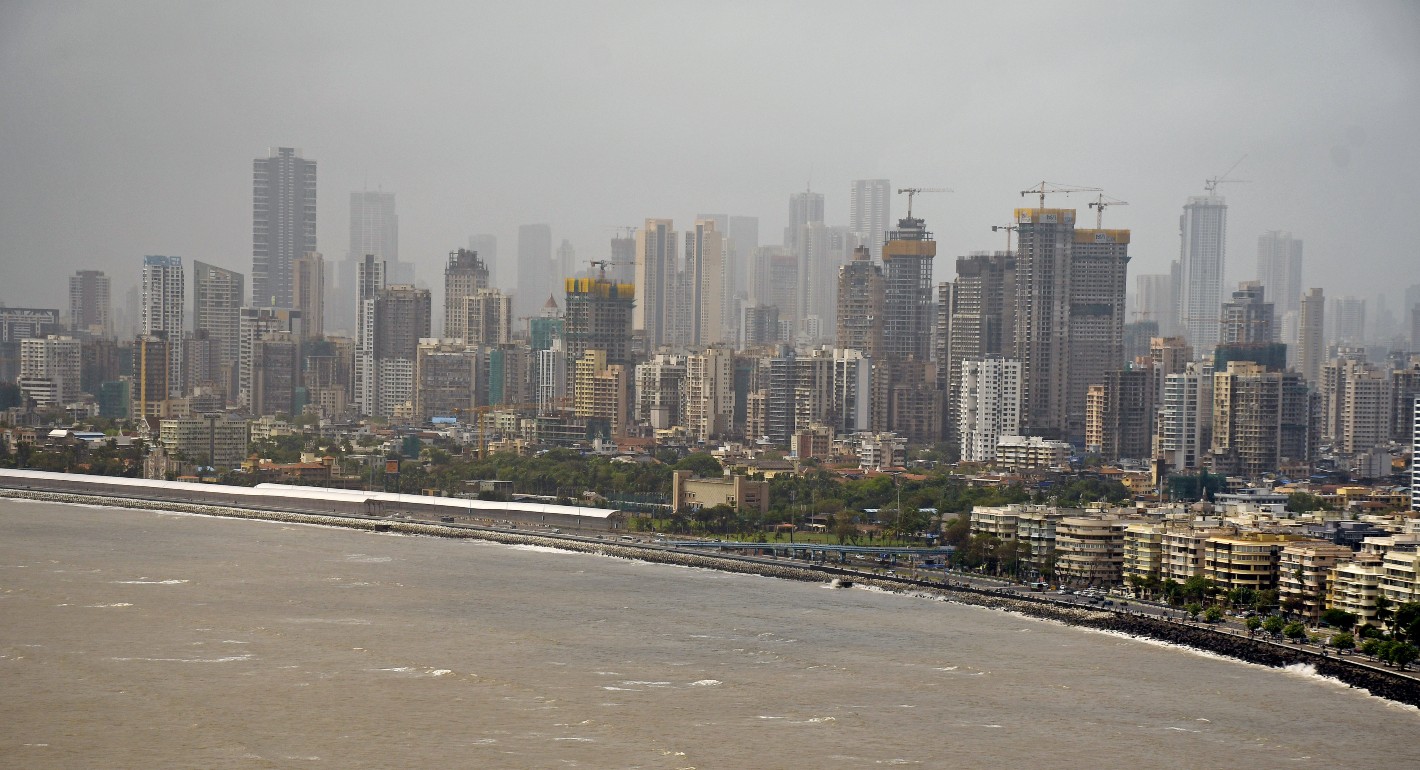
As India undergoes a demographic transition, its cities will be its economic powerhouse—but only if it accurately captures city growth and empowers cities to support their citizens.

Apoorva Jadhav